
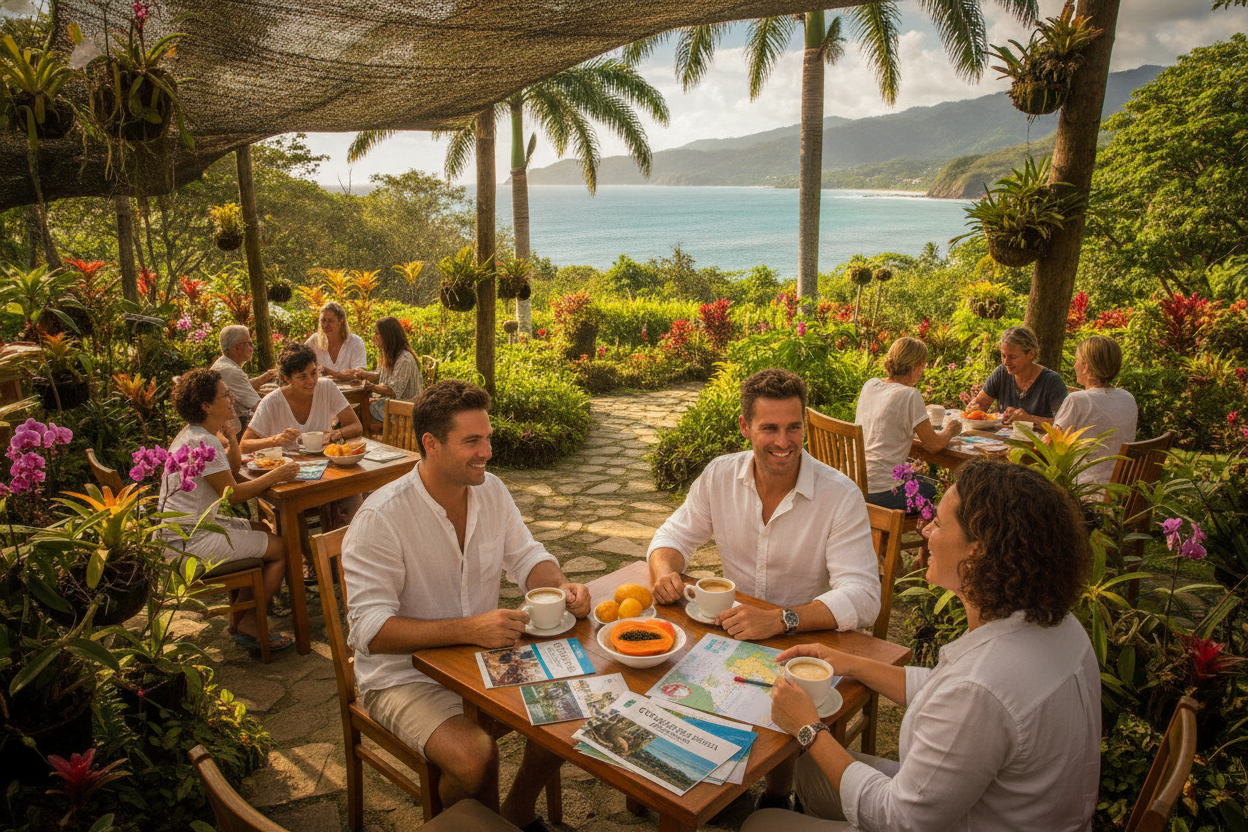
Making the leap to residency in Costa Rica is a significant step for many expats. It transforms the experience from a fleeting vacation to a stable and fulfilling life. With legal residency, you can finally put down roots and start building a future in this beautiful country.
Obtaining residency allows you to move beyond the limitations of tourist status. This change offers a more secure foundation for your life in Costa Rica. Many long-term residents find that this transition is essential for feeling at home.
In this guide, we will explore how residency status can enhance your daily experience. By understanding the process, you can avoid the uncertainties that come with relying on repeated border runs. We aim to provide practical insights that help you make informed decisions about your future.
Understanding Costa Rican Temporary Residency
The journey to establishing residency in Costa Rica requires careful consideration and understanding. For expats, this status is more than just a legal formality; it represents a commitment to living in this vibrant country.
Temporary residency allows foreigners to reside in Costa Rica for a set period, typically up to two years. This legal status provides a formal basis for your presence, unlike tourist status, which is limited to 90 days and necessitates leaving the country to reset.
Many expats find that relying on tourist status introduces uncertainty. Immigration officers have discretion over entry stamps, which can complicate travel plans. By obtaining temporary residency, you gain a stable legal standing, moving away from the cycle of perpetual tourism.
This residency is designed for those intending to stay for medium to long-term periods. Understanding the difference between these two statuses is crucial for successfully navigating the immigration system in Costa Rica.
A User-Friendly Process Overview
The residency application process in Costa Rica can be straightforward with the right approach. It starts with careful planning, which includes gathering necessary documents before you even travel to the country.
We recommend beginning your application from home. This allows ample time to ensure that all paperwork is in the correct format. The residency process is not merely about filling out forms; it involves creating a clear path that demonstrates your eligibility to the authorities.
By following a structured way of preparing your file, you can significantly reduce the time and stress associated with the application. Our focus is on helping you understand each step of the residency process, enabling you to move forward with confidence.
Proper preparation is the most effective way to ensure your application is handled efficiently by the immigration office in Costa Rica. For more insights on residency, check out the benefits of Costa Rica residency.
Exploring Residency Categories and Their Requirements
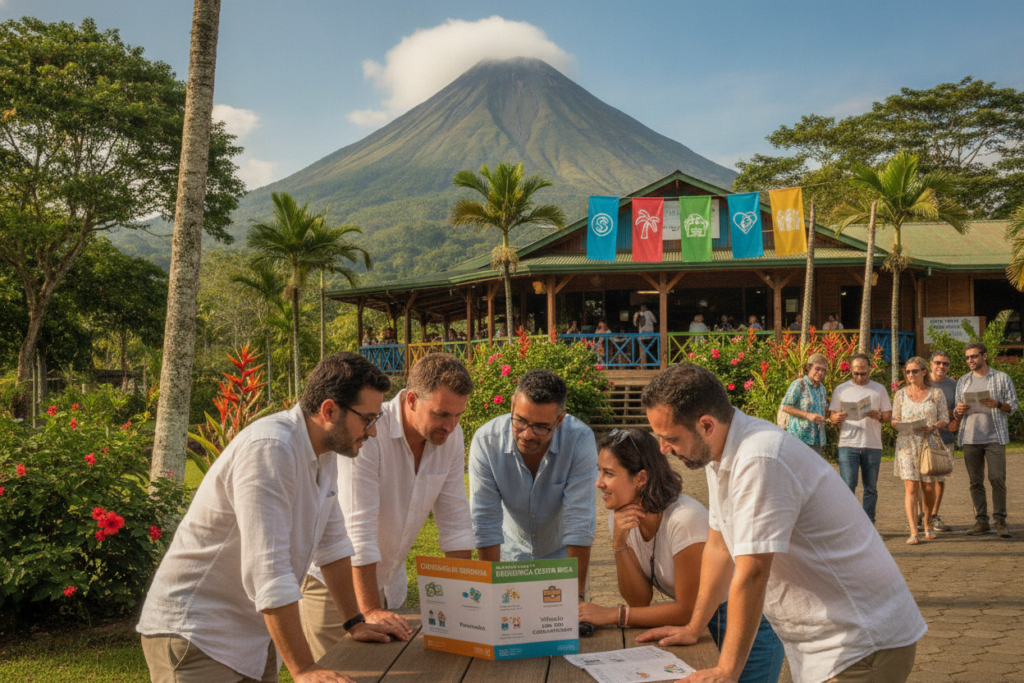
The pathway to residency in Costa Rica involves exploring various categories and their specific demands. Each category caters to different groups, ensuring that diverse needs are met.
First, the Pensionado category is ideal for retirees. Applicants must show a lifelong pension of at least $1,000 per month from a recognized source.
For those without a pension, the Rentista category is an option. This requires proof of a stable income of $2,500 per month for two years.
Lastly, the Inversionista category is available for individuals making a qualifying investment of at least $150,000 in tangible property or projects in Costa Rica.
Understanding these categories is crucial. Your choice will dictate the financial proof needed during your application. Each category has specific requirements to ensure compliance with the laws of Costa Rica.
Real-World Benefits-of-Costa-Rica-Temporary-Residency
Transitioning to residency in this tropical paradise opens doors to numerous advantages. One of the most significant benefits is the issuance of a DIMEX resident ID card. This card serves as your primary identification in Costa Rica.
With a DIMEX card, you can perform daily tasks without needing to carry your passport. This includes banking, making appointments, and handling administrative errands. Additionally, driving becomes more straightforward. Residents are no longer tied to the validity of a tourist entry stamp.
Banking institutions in Costa Rica often provide better services to residents. This makes managing your finances much easier. Overall, these benefits contribute to a sense of everyday stability that is hard to achieve as a tourist.
By securing your residency status, you simplify interactions with local institutions and services. For more insights on residency options, visit this page.
Managing Work Rights and Financial Considerations
For those looking to establish residency in Costa Rica, managing work rights and financial considerations is key. Understanding your rights and obligations can make a significant difference in your experience.
Residents must enroll in the CCSS, the national social security system. This enrollment provides access to essential public healthcare services. Your contribution is based on your declared income, ensuring compliance with local regulations.
While some residency categories allow for local employment, others may restrict it. Thus, it is vital to know your specific rights based on your residency category.
Proving your income is especially important for those in the Rentista category, who must demonstrate $2,500 per month in stable funds. Planning your financial proof early can help you meet the requirements for your chosen residency category.
By effectively managing your work rights and financial obligations, you can maintain your residency status without unnecessary complications.
Preparing Your Documents and Meeting Legal Essentials

Gathering the right documents is essential for anyone seeking residency in Costa Rica. This process requires meticulous attention to detail. Each official record from your home country must have an apostille to be accepted.
Furthermore, all documents, such as your birth certificate or marriage certificate, need to be translated into Spanish by a court-approved translator. This ensures they meet the legal standards required for your application.
You will also need to provide a clear copy of your passport, including all pages. This helps verify your entry and exit history in Costa Rica.
Ensuring your documents are current and properly authenticated is the best way to avoid delays during the residency application process. We guide you through the list of essential documents, helping you organize your file to meet the strict legal standards of the immigration office.
Proper documentation is the foundation of your residency application, and missing even one requirement can lead to significant setbacks.
Avoiding Common Pitfalls in the Residency Process
Successfully securing residency in Costa Rica requires attention to detail and preparation. Many applicants face delays due to simple errors that can easily be avoided.
Common mistakes include:
- Failing to notice inconsistencies in names or dates across various legal documents.
- Using translations that do not adhere to the correct official format, which can lead to rejection.
- Overlooking the need for apostilles on documents from your home country.
We help you identify these errors early, ensuring that your residency costa rica file is complete and accurate before submission. Avoiding these pitfalls is essential for maintaining your legal status and ensuring that your application moves forward without unnecessary interruptions.
By carefully reviewing your documents, we help you navigate the complexities of the immigration system and avoid the most frequent causes of delay. A proactive approach to document preparation is the most effective way to secure your residency and enjoy the benefits of living in costa rica.
Planning Your Pathway to Permanent Residency
Charting your course towards permanent residency in Costa Rica can be a rewarding journey. After maintaining temporary residency for three years, you may be eligible to apply for permanent residency. This status offers long-term stability and fewer renewal requirements.
The transition from temporary to permanent residency is a significant milestone. It allows you to live in Costa Rica with more security and less bureaucratic hassle. Family ties can also play a crucial role. For instance, having a child who is a Costa Rican citizen can provide an expedited path to permanent residency.
We help you understand the requirements for this transition. Planning your path early is essential, as the criteria for permanent residency differ from those of temporary categories. By focusing on your long-term goals, you can successfully navigate the residency process and secure your future in this beautiful country.
Learning from Residency Experiences in Costa Rica
Experiencing life as a resident in Costa Rica brings new insights and perspectives. Many residents report a significant improvement in their quality of life once they transition from tourist status to residency.
Practical experiences show that having residency simplifies daily administrative tasks. Here are some key insights from current residents:
- The most significant change many report is the peace of mind that comes with stable legal status.
- Residency simplifies entry and exit procedures, removing the stress of constant border runs.
- Having a DIMEX card makes everyday tasks, like opening a bank account, much more efficient.
- Listening to those who have navigated the system provides valuable tips for a smoother transition.
- These real-world examples reinforce the value of residency, demonstrating it as a practical way to enhance your quality of life in the country.
Your Next Steps Towards a Stable Life in Costa Rica
Taking the first steps towards residency in this vibrant country can be a life-changing decision for many. At CRIE, we have supported individuals and families with Costa Rica residency and immigration for over 20 years, providing clear and practical guidance.
Every case is unique, depending on your nationality, family situation, documents, timing, and immigration history. This is why personalized advice is so important. If you are ready to live in Costa Rica with more stability, we can help you evaluate your options, including the Pensionado or Rentista categories.
For specific questions about pricing and your next steps, you can speak with Johanna Alvarez, our immigration expert, who understands the Costa Rican system. To get started, reach out via WhatsApp at +506 8706 3888, email info@crie.cr, or visit our website at crie.cr for more information.
Contact CRIE today for personalized guidance on your residency application and to ensure you have the right plan for your life in Costa Rica.
FAQ
What is temporary residency in Costa Rica?
How does temporary residency differ from tourist status?
What are the main categories of temporary residency?
What are the income requirements for temporary residency?
What documents do we need to apply for temporary residency?
How long does the application process take?
Can we work while holding temporary residency?
What happens when our temporary residency expires?
Are there healthcare benefits for temporary residents?
How can we transition from temporary to permanent residency?
Article by Glenn Tellier (Founder of CRIE and Grupo Gap)
Don't wait, contact us right now!
Call or WhatsApp Costa Rica +506 8373 2085 or +506 8706 3888
Call USA/Canada +1 305-906-6784