
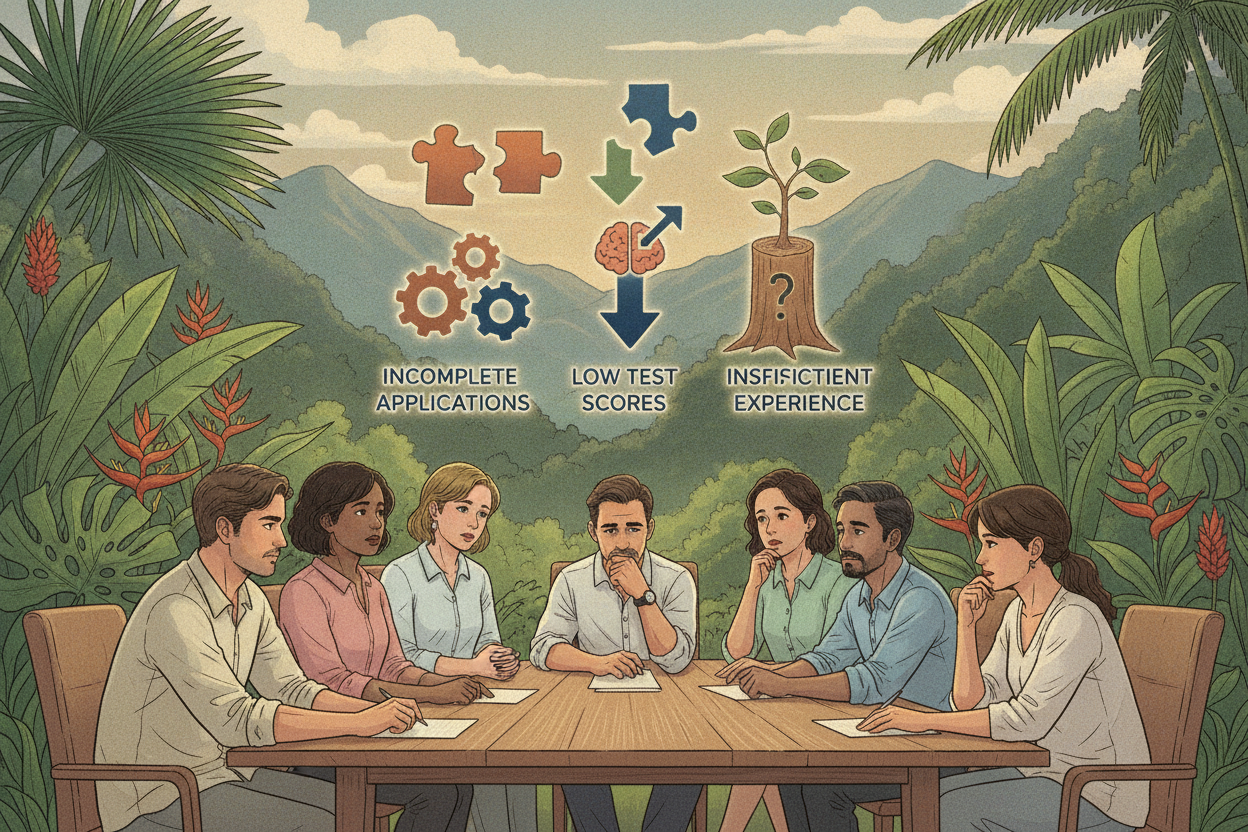
Navigating the complexities of visa applications can be daunting. Understanding the common pitfalls is crucial for applicants. At CRIE, we have spent over 20 years helping individuals and families in Costa Rica navigate the immigration process. We know that even minor mistakes can lead to swift rejection.
Many applicants are unaware of the specific requirements that must be met. Our experience shows that transparency regarding the potential for rejection is essential. We aim to provide clear, practical information to help you avoid these common errors.
By learning from the mistakes of others, you can enhance your chances of success. Understanding the nuances of the immigration process is the first step toward ensuring your application meets all necessary standards for approval. For more insights on how to avoid pitfalls, check out our detailed guide on document rejection in Costa Rica.
Understanding Residency Rejection in Costa Rica
Understanding the intricacies of residency applications is essential for success. Many applicants encounter issues that lead to rejection due to incomplete or incorrect documentation. A common error is failing to provide all necessary documents, which are vital for your specific visa category.
Immigration authorities prioritize procedural accuracy. A single missing apostille can result in application denial. Whether you are applying for work, student, or family residency, adhering to every requirement is crucial to ensure your stay is legal.
We have seen numerous cases where applicants were denied access to residency simply because they misunderstood the eligibility criteria or how to present their documents. Common mistakes often arise from errors in bank statements or health insurance coverage that do not meet government standards.
To avoid these pitfalls, it is vital to review all documentation carefully. Understanding the options available for your specific visa type is the best way to prevent rejection. By focusing on procedural accuracy, you can help ensure that your application stands a better chance of approval.
For more information on fixing document errors, check out our guide on document errors in Costa Rica.
Common Documentation and Translation Mistakes
The journey through visa applications is often riddled with challenges. One of the most significant hurdles is providing complete and accurate documentation. Incomplete documents are a frequent cause of rejection, as immigration officials require every piece of evidence to align perfectly with your application.
Many applicants overlook the fact that criminal record certificates are only valid for 90 days. This timing can become a critical requirement for your documentation. Whether you submit bank statements for a work visa or family residency, accuracy is essential. All details must be verified by the issuing institution.
We often see cases where the failure to use an official translator for documents leads to the rejection of an otherwise perfect application. Consistency across all documents is vital to avoid common reasons for rejection that affect students and workers alike.
Improper apostilles are another common issue. Authorities require this specific evidence to verify the authenticity of your foreign documents. By double-checking every requirement, you can prevent mistakes that may lead to the rejection of your residency application.
Financial and Health Insurance Requirements
Understanding the financial and health insurance requirements is crucial for a successful visa application. Many applicants face challenges when proving their financial stability and health coverage. Meeting these requirements can significantly enhance your chances of approval.
Ensuring Convincing Bank Statements and Financial Proof
Providing 3-6 months of stamped bank statements is a standard requirement for many visa applications. This documentation shows that you can support yourself or your family during your stay. Immigration officials look for clear evidence of consistent income, as any inconsistencies can lead to rejection.
Choosing Comprehensive Health Insurance Plans
Health insurance is another critical requirement. Many applicants face rejection because their plans do not offer the comprehensive access needed for residency. Always verify that your insurance provider is recognized by immigration authorities. Failure to provide proof of adequate health coverage can lead to application denial, especially for work or student visas.
By ensuring you meet these financial and health requirements, you significantly increase your chances of a successful visa application. For more information on residency options, check out our guide on residency from pension in Costa Rica.
Appointment Booking and Timing Concerns

The timing of your visa application can be just as important as the documents you submit. Proper scheduling is essential. Missing your appointment day can lead to the immediate rejection of your visa application by immigration authorities.
In places like Poland, the Urząd Dolnośląski often faces delays that can stretch for months. Therefore, managing your time effectively is vital. Every case depends on your specific situation, so ensure you have a checklist to track the time remaining before your current visa expires.
Avoiding an overstay is a critical requirement for any residency application. Violating your legal stay in the country can lead to permanent rejection. We recommend booking your appointment well in advance to account for any potential delays in the immigration process.
Keeping track of the time is a simple but effective way to ensure your application is submitted before your current status ends. Many applicants face rejection simply because they did not account for the time required to gather all necessary documents for their case.
Always arrive on the correct day and time for your appointment to ensure your application is accepted for processing.
For more information on missed appointments, check out our guide on what happens if you miss a Costa Rica immigration.
Navigating Eligibility and Legal Prerequisites
Understanding the legal prerequisites for residency is essential for a successful application. Matching your qualifications to the specific requirements can make a significant difference in the outcome of your visa application.
In countries like Australia, a points-based system assesses eligibility. Applicants must provide evidence of their work experience and education to support their case for residency.
Your immigration history is crucial. Any past overstays or violations can lead to the rejection of your current application. It’s vital to ensure your status remains legal, whether moving for work or family.
We have seen cases where applicants were rejected due to insufficient evidence supporting their eligibility for the visa. Always keep your information updated, as changes in your status or employment can impact your residency application.
By reviewing the legal prerequisites carefully, you can avoid common pitfalls that lead to rejection. Remember, authorities review your history in the country, so honesty and accuracy are essential for your case.
Addressing residency-rejection-reasons: Expert Tips for a Successful Application

Crafting a successful visa application requires careful attention to detail. To enhance your chances of approval, we recommend utilizing a detailed checklist. This approach ensures that your application meets all requirements and avoids common pitfalls.
Seeking professional advice from experts like Johanna Alvarez can provide invaluable guidance. Every case is unique, and personalized support can help you navigate the complex immigration process effectively.
Keeping your documentation organized is crucial. This organization helps authorities review your case without unnecessary delays. If you receive a negative decision, remember that you may have the right to appeal. However, it’s best to get it right the first time with expert help.
By following expert advice, you can ensure your application is complete and accurate before submission. Remember, the time you invest in preparation is the best way to secure a positive outcome for your residency application.
Learning from Past Rejections: Real Cases and Preventative Measures
Analyzing past outcomes can significantly enhance your chances of success in future applications. At CRIE, we have over 20 years of experience helping families navigate immigration challenges. Learning from past cases is essential, as we guide applicants to avoid common pitfalls.
If your application is denied, remember that you have a limited time to file an appeal. Act quickly to address the decision made by the authorities. Identifying recurring errors in your application strategy can help you prepare a stronger appeal or a new, successful visa application.
We have seen many cases where a simple adjustment in strategy led to a successful residency decision after an initial rejection. Seeking professional advice after a rejection can clarify why your case was denied and how to fix it for the future.
Every year, many applicants face rejection, but those who learn from their mistakes often secure their residency eventually. By analyzing the reasons for your rejection, you can build a better case for your appeal and ensure your next application is successful.
Next Steps for Your Residency Journey in Costa Rica
Embarking on your residency journey in Costa Rica requires careful planning and attention. If you are ready to move forward, the first step is to ensure your application is prepared meticulously.
A well-prepared application is the best way to avoid the stress of potential rejection or the need for a lengthy appeal process. Every residency decision is based on your unique situation, so personalized guidance is highly recommended to ensure your success.
We encourage you to take the next steps by reaching out to our team to discuss your specific visa needs and requirements. For personalized guidance and pricing, please contact Johanna Alvarez, our CRIE immigration expert, via WhatsApp at +506 8706 3888, email info@crie.cr, or visit crie.cr.
FAQ
What are the common reasons for residency application rejection?
How can we ensure our documentation is accurate?
What financial documentation is required for residency?
How important is health insurance for residency applications?
What should we consider when booking appointments for our application?
How can we avoid timing issues with our residency application?
What eligibility criteria do we need to meet for residency?
How can we learn from past residency application rejections?
What steps should we take next in our residency journey?
Article by Glenn Tellier (Founder of CRIE and Grupo Gap)
Don't wait, contact us right now!
Call or WhatsApp Costa Rica +506 8373 2085 or +506 8706 3888
Call USA/Canada +1 305-906-6784