
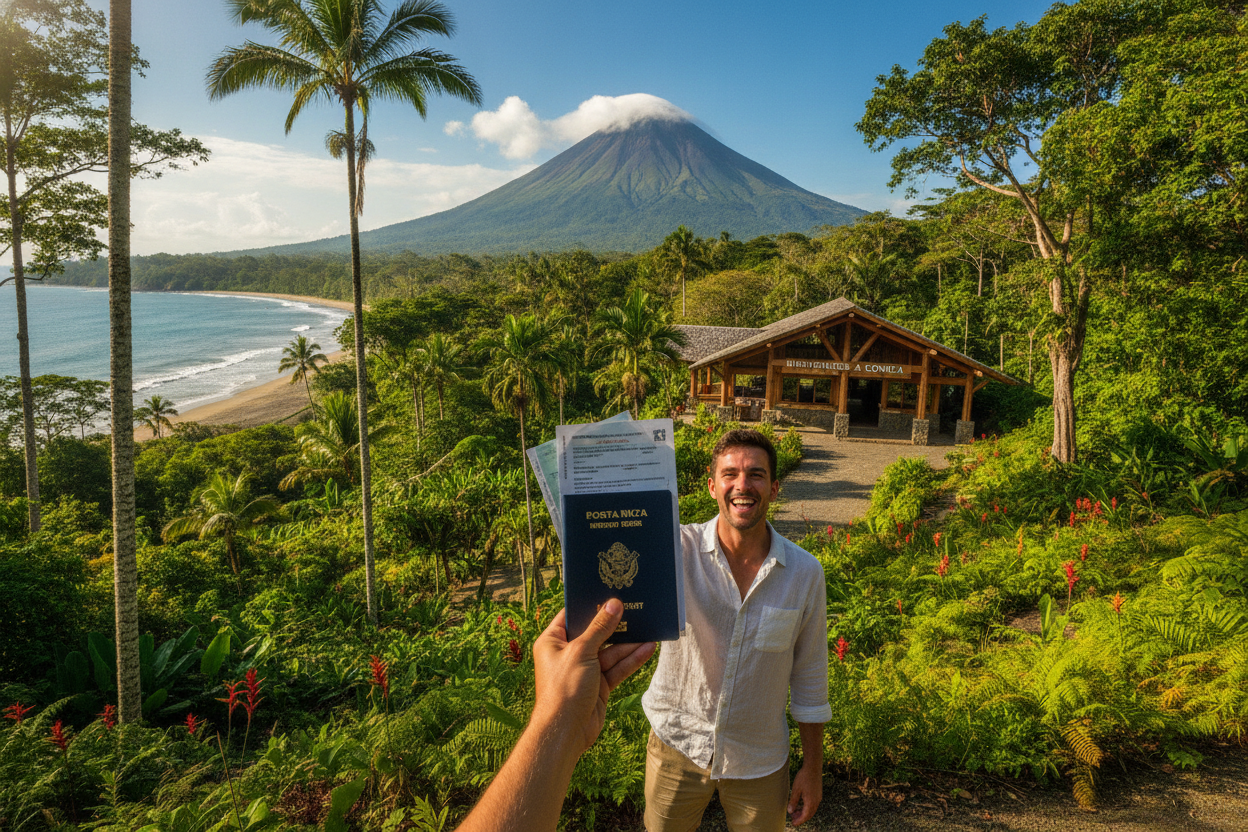
Planning a trip to Costa Rica? It’s essential to understand the entry regulations set by the General Immigration and Aliens Act. This guide aims to provide you with the correct information regarding your visa requirements before you embark on your journey.
Every visitor must adhere to official immigration protocols to ensure a smooth arrival in this stunning Central American destination. We want to help you navigate these complexities so you can focus on enjoying the diverse landscapes and vibrant culture of Costa Rica.
Please take a moment to review these guidelines carefully. We outline the essential steps for a successful visit to this popular destination for international travelers. For more detailed information, check out our comprehensive resource on Costa Rica immigration online services.
Overview of Costa Rica Tourist Visa Requirements
To ensure a hassle-free trip, familiarize yourself with the necessary visa regulations. Entry is open to tourists from all countries, provided they comply with the General Immigration and Aliens Act.
The immigration department of Costa Rica categorizes international visitors into four distinct groups based on their country of origin. Citizens from the first and second groups do not require a formal visa and will receive an entry stamp upon arrival.
However, travelers from the third and fourth groups must apply for a restricted visa at least 90 days before their intended travel date. It is essential to verify which group your country belongs to, as this determines the specific requirements you must meet.
We recommend checking the official consulate website to confirm the most current visa regulations before finalizing any arrangements for your upcoming visit.
Essential Entry Documents for Costa Rica
Before you embark on your adventure, it’s vital to know the necessary entry documents. All foreign nationals entering Costa Rica must present a valid passport that meets the electronic readability standards set by the International Civil Aviation Organization.
Ensure your travel documents are in good condition. Immigration authorities may deny entry if your passport appears damaged or unreadable. Carrying physical copies of your identification and immigration papers is highly recommended for your safety.
Immigration officials may request to see your original passport and other supporting documents at any point during your stay. Having these essential documents organized and accessible will help you navigate border control efficiently and avoid unnecessary delays during your arrival process.
Passport and Travel Document Guidelines
Knowledge of passport regulations can make your entry into the country smoother. To enter, you must have a valid passport that meets the electronic readability standards established by the International Civil Aviation Organization.
Immigration authorities strictly enforce these guidelines. You must ensure that your passport remains unexpired for the entire duration of your planned stay. A valid passport is the primary document required for entry, and it must be presented to officials upon your arrival at any port.
If your travel document does not meet the required standards, local authorities have the right to deny your entry into the country immediately. We advise all travelers to double-check the expiration date of their passport to ensure it meets the specific validity requirements for their nationality.
Ticket to Return: The Importance of Your Flight Itinerary
Having a clear plan for your return journey is crucial when traveling. Every visitor must possess a return ticket or proof of onward travel to demonstrate their intent to leave before their visa expires. Immigration officials will request to see your return ticket upon arrival. Failing to provide this proof can result in denied entry.
Approved forms of transportation for your return flight include pre-purchased bus tickets, flight itineraries, or proof of passage on a cruise ship. If you arrive on a one-way ticket, ensure you have a confirmed plan for onward travel to another country. This is necessary to satisfy immigration requirements.
We suggest keeping your flight itinerary easily accessible during your arrival. This will ensure a quick and professional interaction with border officials, making your entry process smoother.
Proof of Economic Means for Your Stay
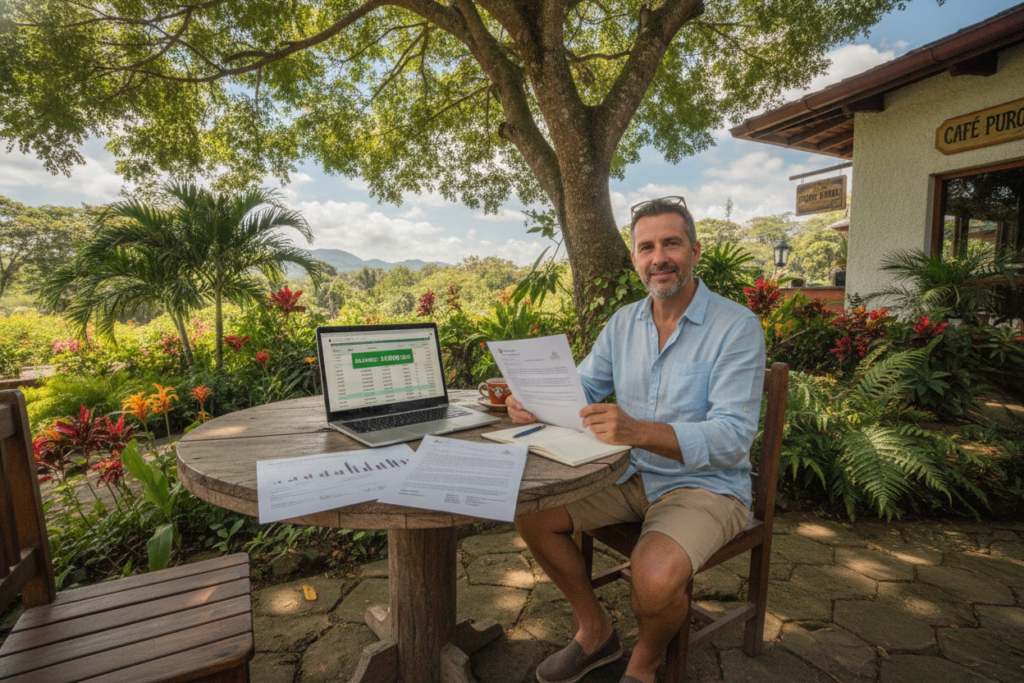
Understanding the financial requirements for your visit is crucial. Immigration officials may ask you to provide proof of economic means. Specifically, you need to show that you have at least US$100 for every month of your stay.
This financial requirement ensures that visitors can support themselves during their time in Costa Rica. It prevents reliance on local public resources, which is vital for maintaining the country’s hospitality.
Be prepared to present bank statements or other financial documentation if requested by authorities at the point of entry. Demonstrating your ability to cover your expenses is a standard part of the immigration process.
Having clear proof of your financial solvency helps establish your status as a genuine tourist. This, in turn, facilitates a smoother entry into Costa Rica.
Health Protocols and Vaccination Requirements
Understanding health protocols is crucial for a successful trip. Travelers should be aware of specific vaccination requirements before visiting. For instance, yellow fever vaccination is mandatory for individuals arriving from certain countries.
Travelers from nations like Burkina Faso and Angola must present a valid yellow fever vaccination certificate upon entry. This requirement helps protect Costa Rica from the spread of infectious diseases.
We recommend verifying whether your country of origin or recent travel history necessitates this vaccination before making your travel plans. Additionally, during your stay, comply with any health protocols set by private companies for tourism activities.
Staying informed about these health requirements is essential for a safe and compliant trip to this diverse and welcoming Central American nation.
Navigating Costa Rican Immigration Controls
Entering a new country requires understanding its immigration rules. All visitors must adhere to the regulations outlined in Article 42 of the General Law on Immigration and Aliens (No. 8764) when entering Costa Rica.
Understanding the immigration controls is vital. These laws dictate the legal framework for your entry and your subsequent stay. Immigration officials have the authority to inspect your documents and verify your compliance with the General Immigration and Aliens Act at any time.
We recommend reviewing the official government information regarding these legal articles. This ensures you are fully prepared for your arrival at the border. Proper navigation of these immigration controls ensures that your entry remains lawful and free from complications during your international trip.
Varying Stay Durations and Visa Length Determinations
Knowing the potential length of your stay can help you plan your trip to Costa Rica more effectively. Visitors may be allowed to stay for up to 180 days, though this is not guaranteed.
The actual duration of your stay is determined by the immigration official at the border. The number of days you can remain often depends on the specific group your country of origin belongs to.
It is important to note that the length of your stay can be adjusted at the discretion of the official. You must ensure you leave the country by your required departure date to avoid fines, potential deportation, or future entry bans.
Always double-check the entry stamp in your passport to confirm the exact number of days you have been authorized to stay in the country.
Comprehensive Overview: costa-rica-tourist-visa Application Process
Navigating the visa application process is essential for your upcoming trip. For travelers from the third and fourth groups, submitting a visa request is mandatory. This must be done at least 90 days before your travel date.
The application process requires a non-refundable payment of US$52.00. Make sure to follow the payment instructions provided by the consulate carefully.
You can find the official application form and more details on the immigration website. This will help you start your visa request process correctly.
Remember, providing all necessary documentation is crucial. This includes a police record and proof of economic solvency. Meeting these requirements does not guarantee visa approval by the Costa Rican immigration authorities.
Additional Entry Considerations and Safety Precautions
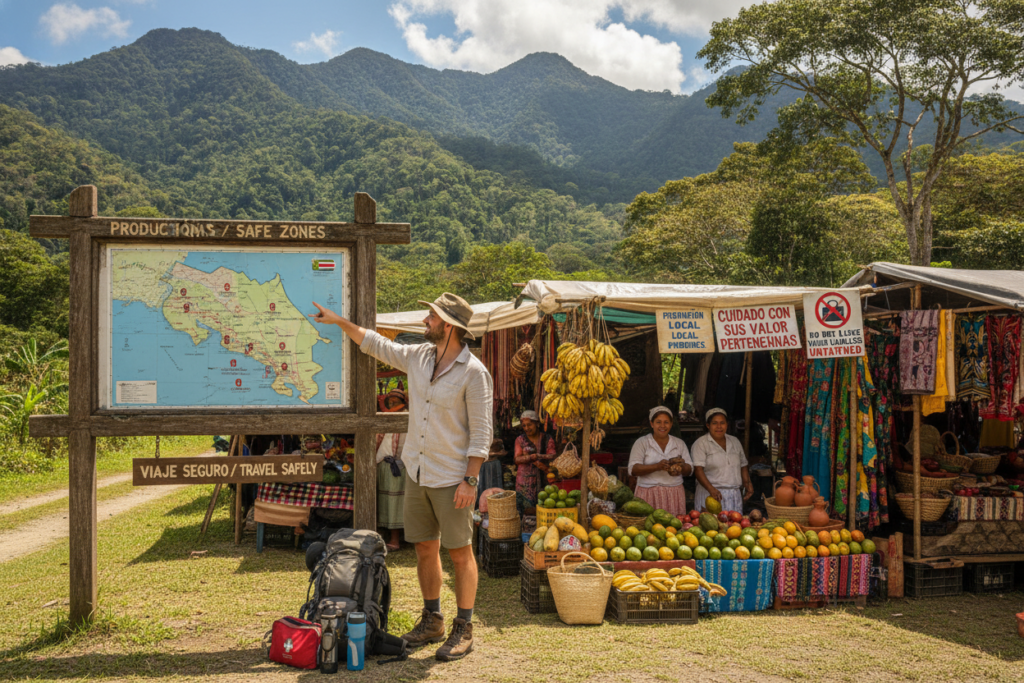
Traveling to a new destination comes with its own set of considerations and safety measures. Safety is a priority, so if you need police assistance or face an emergency, dial 911 while in Costa Rica.
Be aware that petty theft and pickpocketing can occur. Keep your valuables secure and stay alert in crowded or isolated areas. If you become a victim of a crime, it’s important to file a report with the Investigative Police (OIJ) to start the legal process.
We advise all travelers to review the latest security information provided by their embassy before and during their trip. Taking simple precautions, such as locking your vehicle and not leaving belongings unattended on the beach, will help ensure a safe experience.
Essential Copies and On-the-Go Documentation Tips
Keeping your important documents organized is key when visiting a new country. It is recommended to carry a photocopy of your passport with the entry stamp at all times.
Having a copy of your passport, especially the page with your entry stamp, can save you time if authorities ask for identification. Always keep your original documents accessible for verification.
We suggest organizing your travel documents in a secure folder. This helps manage your information efficiently throughout your stay in Costa Rica.
Local authorities may request to see your identification at any time. Thus, having these copies ready is a smart and proactive measure.
Additionally, consider keeping digital backups of your important documents. This extra layer of security can be invaluable during your travels.
What to Expect at the Costa Rican Border Control
Arriving at the border of a new country can be both exciting and nerve-wracking. Immigration officials may conduct a brief interview to verify the purpose of your entry into Costa Rica. Being prepared can make this process smoother.
Be ready to show your return ticket and proof of economic means. These are standard checks for people entering the country. Maintaining a polite and cooperative demeanor during your inspection will help the immigration process proceed smoothly and efficiently for everyone involved.
The authorities at the border are responsible for ensuring that all visitors meet the legal requirements for entry into Costa Rica as established by law. If you have all your documents organized, you will likely find that the inspection process is straightforward and quick for most travelers.
Tourist Entry vs. Residency Processes in Costa Rica
Understanding the differences between tourist entry and residency in Costa Rica is essential for any traveler. It is important to distinguish between a short-term tourist visit and the legal process required for those who wish to stay long-term.
Many people who decide they want to live in the country eventually apply for residency. This is a separate legal process from tourism and requires specific documentation and approvals.
You cannot use the benefits of residency until your application has been fully approved. Misusing your tourist status to live in the country is illegal and can lead to deportation.
If you are considering a long-term move, we recommend seeking professional guidance. Understanding the specific requirements for becoming a legal resident is crucial for a smooth transition.
Common Pitfalls When Planning Your Costa Rica Trip
As you get ready for your adventure, recognizing common errors can enhance your travel experience. A frequent mistake is purchasing flight tickets before your restricted visa is approved. This can lead to significant financial loss if your visa is denied.
Another pitfall is failing to check the specific visa requirements for your nationality. This oversight can cause unexpected delays or even prevent you from starting your trip. Additionally, many travelers forget to verify the validity of their passport, which must meet specific requirements for the duration of their planned stay.
Not having sufficient proof of economic means or a return ticket can lead to being denied entry by immigration officials at the border. We encourage you to plan carefully and verify all necessary information to avoid these common mistakes and ensure a successful visit.
Our Experience with Costa Rican Residency and Immigration Guidance
Understanding the intricacies of residency in Costa Rica can be a rewarding journey. For over 20 years, we have provided dedicated support to individuals and families navigating the complexities of the Costa Rican immigration system.
Our team is well-versed in the nuances of residency applications. We help people from many different countries achieve their goals of living in Costa Rica. We focus on providing accurate information and practical guidance to ensure that your residency process is handled with the necessary attention to detail.
While we specialize in residency and immigration services, we also recognize the importance of understanding tourist entry rules for your initial visits. Our long-standing experience allows us to offer reliable insights into the legal requirements that affect both short-term visitors and long-term residents.
Getting Personalized Guidance: Contact CRIE for Expert Advice
As you prepare for your journey, understanding the visa process is essential. Every case depends on your nationality, family situation, and immigration history. This is why personalized guidance is invaluable for your plans.
For detailed information regarding residency pricing and the next steps for your application, please reach out to our expert, Johanna Alvarez. You can contact us via WhatsApp at +506 8706 3888 or send an email to info@crie.cr to discuss your unique situation with our team.
Visit our website at crie.cr to learn more about how we assist people in successfully navigating the immigration process in Costa Rica. We are here to provide the expert advice you need to make your transition to living in this beautiful country as smooth and informed as possible.
FAQ
What documents do we need to enter Costa Rica?
How long can we stay in Costa Rica on a tourist visa?
Are there any health requirements for traveling to Costa Rica?
What should we do if our passport is about to expire?
Is travel insurance necessary for our trip to Costa Rica?
Can we extend our stay in Costa Rica?
What should we expect at the border control?
Are there any specific entry requirements for travelers from Burkina Faso?
How can we prove our economic means for our stay?
What are the transportation options available in Costa Rica?
Article by Glenn Tellier (Founder of CRIE and Grupo Gap)
Don't wait, contact us right now!
Call or WhatsApp Costa Rica +506 8373 2085 or +506 8706 3888
Call USA/Canada +1 305-906-6784