
Costa Rica is an attractive destination for those looking to start anew. Many individuals are drawn to this vibrant country due to its beautiful landscapes and welcoming culture. However, navigating the legal requirements for residency can be complex.
When seeking to establish residency, it’s essential to understand the local regulations. Applicants must be aware of the different categories of residency, including temporary and permanent options. Each category has its own set of requirements that must be met.
Preparing the necessary documents is crucial for a successful application process. This includes proving sufficient income to support oneself while living in the country. Many find that achieving permanent residency is the ultimate goal after initially securing temporary status.
Understanding the nuances of the residency process is vital for anyone planning to invest or work in the local economy. As regulations may change, diligent preparation is key to ensuring a smooth transition into life in this beautiful country.
Understanding Self-Employment Opportunities in Costa Rica
The diverse economic landscape of Costa Rica presents numerous avenues for aspiring entrepreneurs. Many expats, like Emanuele Casabona, have successfully integrated into the local community in San José. Networking with other professionals has proven essential for navigating this vibrant environment.
Many choose to settle in this country due to its high quality of life and the potential for business growth. The social security system provides a framework for retirees, requiring at least 1,000 USD per month. For those looking to establish residency, demonstrating a consistent income is crucial.
To qualify for specific residency categories, the minimum income often needs to be around 2,500 USD per month. The benefits of living here include access to a stable social security network and a welcoming community for newcomers.
Entrepreneurs can find unique opportunities in Costa Rica, especially in sectors like real estate and service-based businesses. Understanding local requirements is key to successful investment and residency.
Overview of costa-rica-self-employment-rules-for-foreigners
This vibrant nation is a beacon for individuals eager to explore new business ventures. Understanding the costa-rica-self-employment-rules-for-foreigners is crucial for anyone looking to thrive here. To work legally, securing the appropriate visa category is essential before starting any professional activities.
The application process for residency involves a commitment to living in the country under temporary status for several years. Business owners must submit detailed documents to demonstrate their financial stability and the legitimacy of their operations. Additionally, any investment must be verified and registered to qualify for an investor-based visa.
Income thresholds for self-employed individuals are closely monitored by immigration authorities. Applicants for permanent residency must show that they have maintained their legal status throughout their time in the country. Moreover, managing the costs associated with the application process, often in USD, is vital for a smooth transition.
Preparing for Your Costa Rican Residency Journey
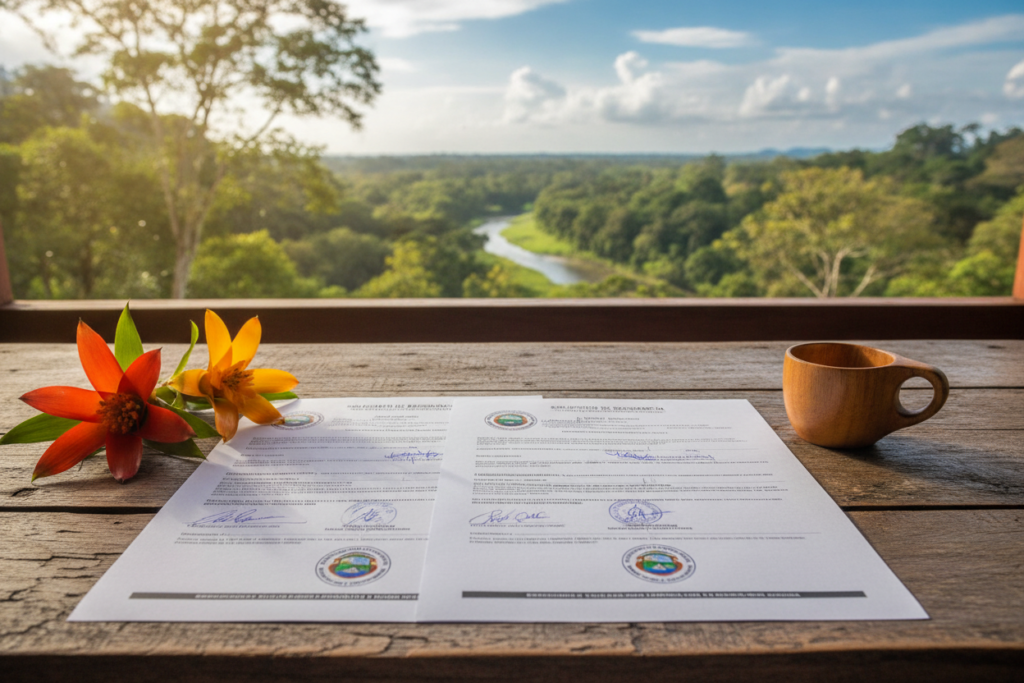
Embarking on a journey to establish residency in this beautiful country requires careful planning. One of the first steps is gathering essential documents. This includes your birth certificate and a valid passport, which are crucial for the application process.
Moreover, your marriage certificate must be apostilled and translated into Spanish. This ensures it meets the strict requirements set by immigration authorities. Background checks from your home country are also necessary to prove your eligibility.
When filling out the application form, precision is key. Any errors can delay your residency request. Additionally, certified bank statements are needed to verify your income and financial capacity for your proposed business.
Lastly, ensure that all investment documentation is properly authenticated. This will help in securing your permanent residency smoothly. Managing your transition in USD is also advisable, as various fees will arise during this process.
Navigating Immigration Procedures and Residency Options
Understanding the immigration landscape in this country is crucial for those looking to establish residency. There are two main types of residency: temporary and permanent. Temporary residency typically lasts for two years and can be renewed, while permanent residency offers long-term stability.
The application process for a residency permit requires submitting your passport and other vital documents to the immigration department. It’s important to have your documents translated into Spanish to ensure they are accepted during registration.
Permanent residency in Costa Rica provides significant benefits, such as the ability to work for any company without restrictions. Citizens of the country have the right to hire employees, and permanent residents gain similar rights.
As you navigate this process, remember that the government prioritizes hiring local citizens before approving work permits for foreigners. Managing your budget in USD is also essential, as application fees for your residency permit are a standard part of the process.
Meeting Costa Rica’s Self-Employment Criteria
Navigating the financial landscape for self-employment in Costa Rica is essential for newcomers. Meeting the self-employment criteria requires a clear demonstration of financial capacity through investment or steady income.
The investor visa is a popular choice for those with at least US$150,000 to invest in a local business or real estate. Additionally, the rentista visa requires proof of a consistent income of 2,500 USD per month, verified through bank statements.
Retirees receiving at least 1,000 USD per month from social security can leverage this income to qualify for residency. It’s crucial to ensure that your investment is verified and registered to be considered valid for your residency application.
Every business owner must be aware that the income requirement is strictly enforced. Maintaining your status as a temporary resident involves regular reporting of your income and business activities.
Managing your finances in USD is essential, as all investment thresholds are calculated based on international currency standards. Understanding these financial requirements will help pave the way for a successful application process.
For more information on residency options, check out our Costa Rica residency guide.
Practical Guidelines for a Smooth Application

A well-structured approach to your residency application can ease your transition to life in this beautiful country. Start by gathering all required documents, including your passport and marriage certificate. Make sure to have these documents translated into Spanish to meet the requirements for your residency permit.
Background checks are essential documents that must be obtained from your home country. These checks need to be current to be accepted by the authorities. The application form must be completed accurately and submitted with your passport to the immigration office in San José.
Additionally, you must provide clear evidence of your income, such as bank statements showing at least 2,500 USD per month. Every applicant should know that the process for permanent residency involves more scrutiny than for temporary residency.
Managing your investment in real estate or a business requires careful documentation to support your application. Be prepared to pay various fees in USD throughout the application process to cover administrative and legal costs.
Insights into Costa Rican Legal and Regulatory Requirements
Navigating the complexities of Costa Rican regulations is vital for anyone looking to establish a business here. Staying compliant with local laws is essential for business owners who employ local citizens or employees.
Registering your company with local authorities is a mandatory step for all entrepreneurs. It ensures that your business operates within the legal framework of the country.
Additionally, keeping your passport and residency documents up to date is crucial to avoid legal complications. The benefits of compliance include operating your business without fear of fines or deportation.
We also need to maintain accurate records of our income and business activities. This is necessary to satisfy the government’s reporting requirements.
The process of applying for permanent residency becomes easier with a clean record of compliance. Regular checks by the government ensure that all businesses operate legally.
Managing financial records in USD is a practical way to ensure transparency during any government audit of your business.
Real-World Experiences in the Costa Rican Context
Many individuals have embarked on their journey to establish a life in this beautiful country, sharing valuable insights along the way. Emanuele Casabona, for example, found that connecting with other expats in San José was crucial for his successful transition.
Many expats have shared that the process of obtaining permanent residency is challenging but ultimately rewarding for their business ventures. The required income, such as 2,500 USD per month, is a common topic of discussion among those who work legally.
Retirees receiving at least 1,000 USD per month from social security often find that the benefits of living here are substantial. An investment in real estate or a local company is a strategy used by many to secure long-term residency.
To navigate the registration process, ensure your marriage certificate and other vital records are properly authenticated. Managing finances in USD is essential, as various fees will arise throughout your residency journey.
For more information on earning money while living in this beautiful country, check out our detailed guide.
Final Thoughts and How to Get Started
A new life in a vibrant environment awaits those ready to embrace change. With over 20 years of experience, CRIE has guided individuals and families through the intricacies of residency in this beautiful country. Each case is unique, depending on nationality, family situation, and documentation.
Understanding the income and residency requirements is essential for a smooth transition. We encourage you to take the first step by consulting with Johanna Alvarez, our immigration expert. For accurate pricing and personalized advice, you can reach out via WhatsApp at +506 8373 2085 or email us at info@crie.cr.
We are here to help you navigate the complexities of the residency process, allowing you to focus on building your future. For more information on residency options, visit our detailed guide.
FAQ
What documents do we need to apply for residency in Costa Rica?
To apply for residency, we must provide a valid passport, a marriage certificate if applicable, proof of income, and any required documents translated into Spanish.
How much income do we need to show for self-employment?
We need to demonstrate an income of at least

FAQ
What documents do we need to apply for residency in Costa Rica?
To apply for residency, we must provide a valid passport, a marriage certificate if applicable, proof of income, and any required documents translated into Spanish.
How much income do we need to show for self-employment?
We need to demonstrate an income of at least $1,000 USD per month to qualify for self-employment residency.
Can we work legally in Costa Rica while our application is pending?
No, we cannot work legally until we receive our residency permit. It’s important to wait for the approval before starting any business activities.
What are the benefits of obtaining residency in Costa Rica?
By obtaining residency, we gain the right to live and work in the country, access to social security, and the ability to travel freely within Central America.
Is it necessary to register our business in Costa Rica?
Yes, we must register our business with the local authorities to operate legally and comply with tax regulations.
What types of investments are acceptable for residency applications?
Acceptable investments include real estate, starting a business, or other ventures that contribute to the local economy.
How long does the residency application process take?
The process can take several months, depending on the completeness of our application and the workload of the immigration office.
Do we need to undergo background checks during the application process?
Yes, background checks are a standard part of the residency application process to ensure we meet the legal requirements.
What is the difference between temporary and permanent residency?
Temporary residency is usually granted for a limited period, while permanent residency allows us to live in Costa Rica indefinitely.
How can we ensure compliance with local laws after establishing our business?
We should stay informed about local regulations, regularly consult with legal experts, and ensure that our business practices align with Costa Rican laws.
,000 USD per month to qualify for self-employment residency.
Can we work legally in Costa Rica while our application is pending?
No, we cannot work legally until we receive our residency permit. It’s important to wait for the approval before starting any business activities.
What are the benefits of obtaining residency in Costa Rica?
By obtaining residency, we gain the right to live and work in the country, access to social security, and the ability to travel freely within Central America.
Is it necessary to register our business in Costa Rica?
Yes, we must register our business with the local authorities to operate legally and comply with tax regulations.
What types of investments are acceptable for residency applications?
Acceptable investments include real estate, starting a business, or other ventures that contribute to the local economy.
How long does the residency application process take?
The process can take several months, depending on the completeness of our application and the workload of the immigration office.
Do we need to undergo background checks during the application process?
Yes, background checks are a standard part of the residency application process to ensure we meet the legal requirements.
What is the difference between temporary and permanent residency?
Temporary residency is usually granted for a limited period, while permanent residency allows us to live in Costa Rica indefinitely.
How can we ensure compliance with local laws after establishing our business?
We should stay informed about local regulations, regularly consult with legal experts, and ensure that our business practices align with Costa Rican laws.