
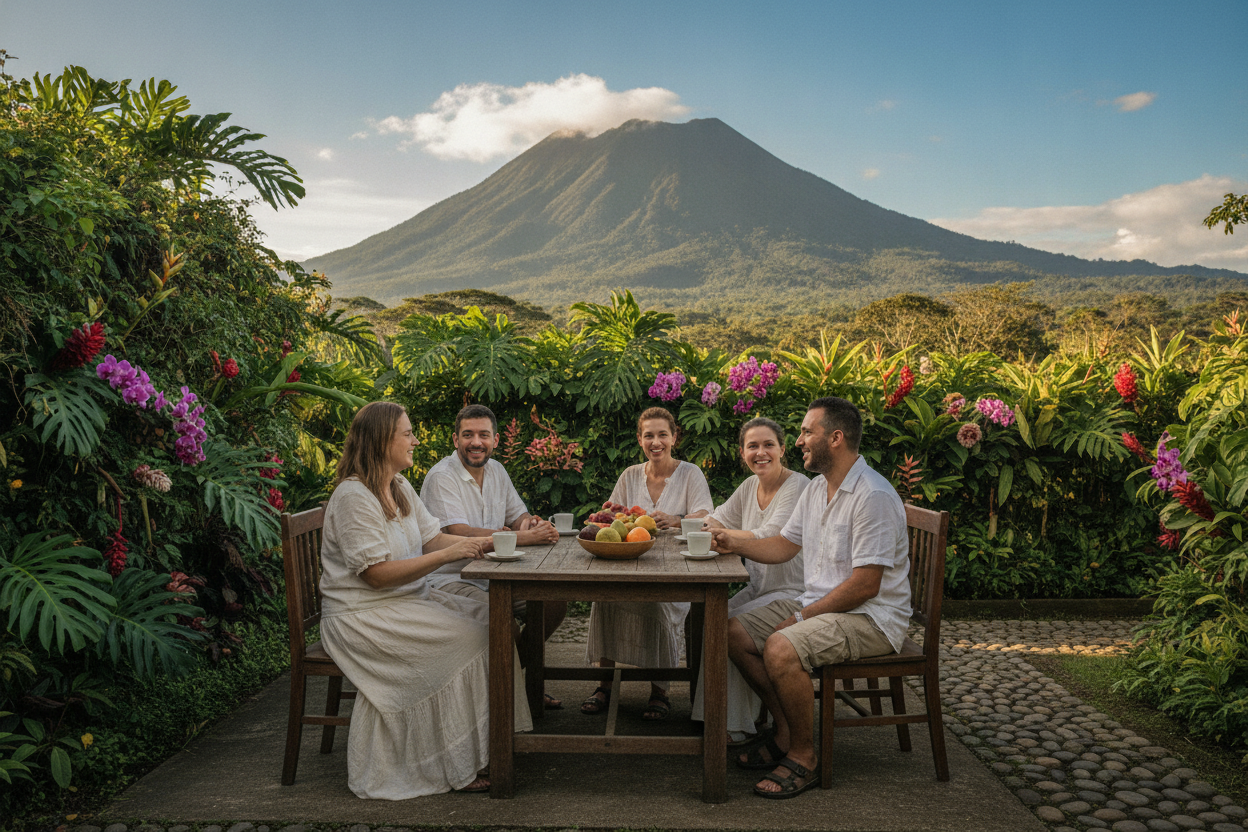
Choosing a new country to call home is a significant decision. In 2023, Forbes ranked this beautiful country as the 5th preferred destination for living and working. With its welcoming culture and stunning landscapes, many families are considering making the move.
Navigating the process for securing residency can be complex, especially for those with specific needs. Our guide aims to clarify the residency application process. We want to ensure you have the correct information to start your journey.
By simplifying the requirements, we hope your family can focus on the transition rather than the administrative hurdles. Understanding the legal framework is crucial for securing a stable future for your loved ones.
For more insights, check out our residency assessment. This resource will help you prepare for the necessary steps ahead.
Understanding Residency Options in Costa Rica
Deciding to relocate to a new nation can be an overwhelming experience. For many, understanding the various residency categories is the first step toward enjoying life in this vibrant country. Costa Rica is known for its welcoming culture and high quality of life, often described as Pura Vida.
According to the 2021 InterNations Expat Insider survey, over 90% of people believe that Ticos are friendly and kind. This warmth makes it easier for newcomers to feel at home. The 2023 Forbes report highlights the accessible medical attention and political stability, key benefits for families considering a move.
Whether you are drawn to the stunning Caribbean coast or the lush rainforests, this country offers diverse environments. Each area caters to different lifestyles and needs, making it a top global destination for expatriates.
An Overview of Adult Disabled Dependent Residency
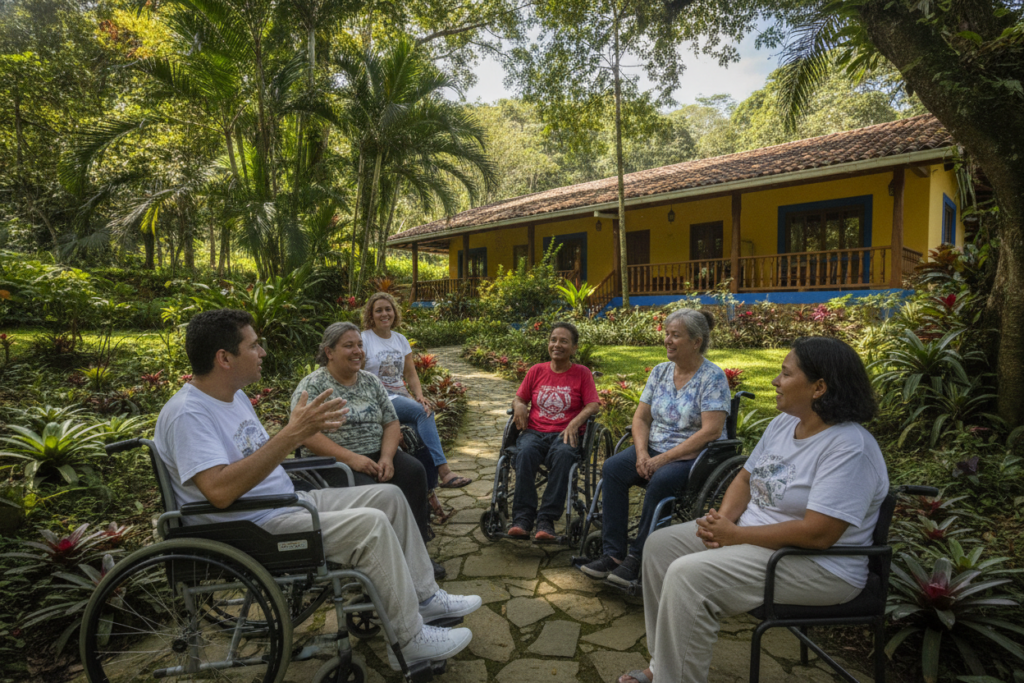
Relocating to a new country can be a complex journey. For families with adult disabled children, understanding the residency options is crucial. The Immigration Law in this context defines specific categories for dependents, which include spouses and children under 18 years of age.
A unique aspect of this law is that children with disabilities can remain dependents even after they turn 25. This exception allows families to provide ongoing support without the worry of losing residency status.
To qualify for this residency category, official documentation is necessary. This documentation must prove both the disability and the ongoing dependency of the adult child on the primary applicant. Proper classification of dependents is vital, as it directly impacts the success of your family’s application.
Legal Insights on Residency for Dependents
Understanding the legal framework for residency can greatly ease the transition to a new life. Each residency category has specific financial requirements that applicants must meet. For instance, an investor must invest a minimum of $150,000 USD in a company or real estate.
Another option is the Pensionado residency, which requires a monthly pension of at least $1,000 USD for life. Alternatively, the Rentista category demands proof of a stable income of at least $2,500 USD per month for two years.
It’s crucial to note that every applicant over 18 years must submit a national background check from their country of origin or where they have lived for the last three years. This background check, along with all other documents, must be apostilled or legalized to meet immigration standards.
Lastly, the total amount of financial resources must be clearly documented to satisfy the eligibility requirements for your chosen residency category.
Step-by-Step Guidance in the Application Process
Embarking on the journey to secure residency in a new country involves careful planning and attention to detail. The official application process for residency should ideally be resolved within 90 days. However, current realities suggest that applicants should anticipate a time frame of 9 to 12 months.
To ensure a smooth transition, it is crucial to file your application while your tourist visa is valid. This visa allows for a maximum stay of 90 days, so timing is essential. Preparing your application file requires meticulous attention to detail. Incomplete files can significantly delay the processing time for your family.
We advise all applicants to check if their country requires a special consular visa to enter the country before beginning the residency application. Managing your expectations regarding the processing time is vital for a successful move to your new home.
How to Apply for costa-rica-residency-for-adult-disabled-dependents
Transitioning to a new environment can bring both excitement and challenges. For families applying for residency, understanding the eligibility criteria is crucial. The primary applicant must first verify their eligibility for a specific category before adding dependents to the application.
Assembling your documents is an essential step. This process involves gathering vital records for every applicant. Each person must have the necessary paperwork to support their residency status. Additionally, every applicant must hold a valid tourist visa to initiate the residency application. The law does not permit filing without legal entry into the country.
We help people understand that the primary applicant is the individual who fulfills the main financial or family requirements for the chosen residency category. By organizing your documents early, you ensure that the application for your adult disabled dependents is handled efficiently by the immigration department.
Key Document Requirements and Tips for a Smooth Process
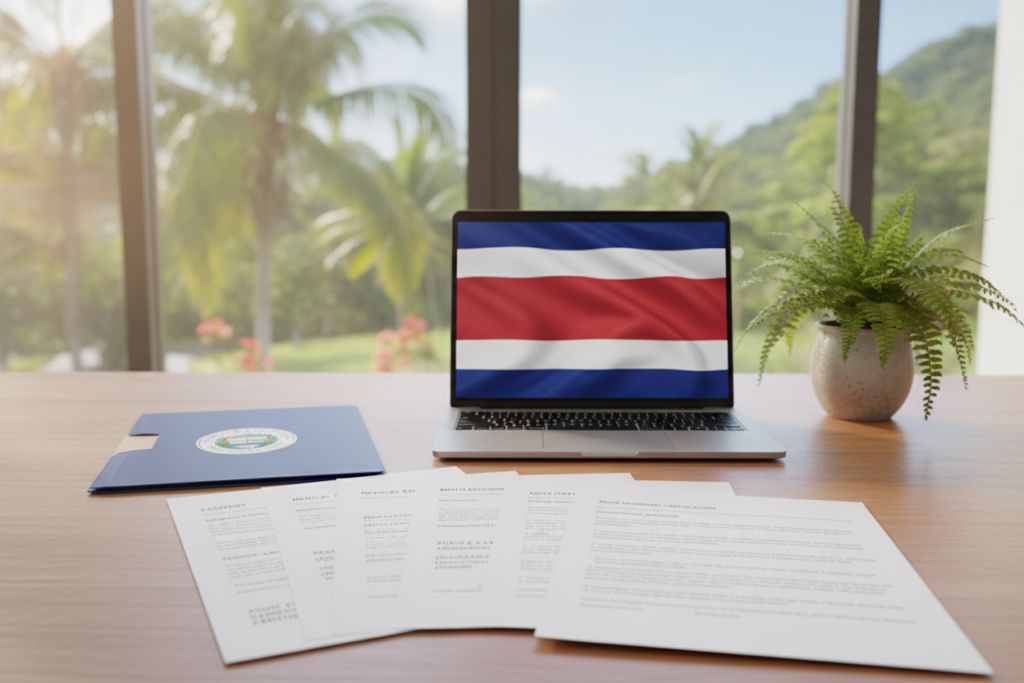
Gathering the right documents is essential for a successful residency application. Each applicant must prepare specific paperwork to support their case. This includes vital records such as birth and marriage certificates.
For your residency application, you must provide an apostilled birth certificate. If applicable, include a marriage certificate for your spouse. All documents, including your passport copy and background check, must be issued within six months of filing.
The total amount of government fees is $251 USD for the initial application and $433 USD at the end of the process. Additionally, for adult disabled dependents, specific medical documentation is necessary. This must confirm their condition and ongoing reliance on the primary applicant.
We recommend keeping certified copies of your passport and all vital documents secure throughout the residency process. Proper organization can significantly ease your journey.
Wrapping Up and Next Steps with CRIE
Starting a new chapter in a different country can be both thrilling and daunting. At CRIE, we have been supporting individuals and families with residency and immigration for over 20 years. We recognize that each case is unique, influenced by your nationality, family situation, and specific documents.
Our goal is to provide you with the factual information needed to make informed decisions about your residency application. For personalized guidance tailored to your situation, we encourage you to connect with our immigration expert, Johanna Alvarez.
You can reach us via WhatsApp at +506 8706 3888, email us at info@crie.cr, or visit our website at crie.cr for more information.
FAQ
What are the main requirements for applying for residency in Costa Rica for disabled dependents?
How long does the residency application process typically take?
Can we include multiple dependents in our residency application?
What type of income is acceptable for the residency application?
Are there any specific benefits for adult disabled dependents in Costa Rica?
Is it necessary to have a local attorney for the application process?
What should we do if our application is denied?
Article by Glenn Tellier (Founder of CRIE and Grupo Gap)
Don't wait, contact us right now!
Call or WhatsApp Costa Rica +506 8373 2085 or +506 8706 3888
Call USA/Canada +1 305-906-6784