
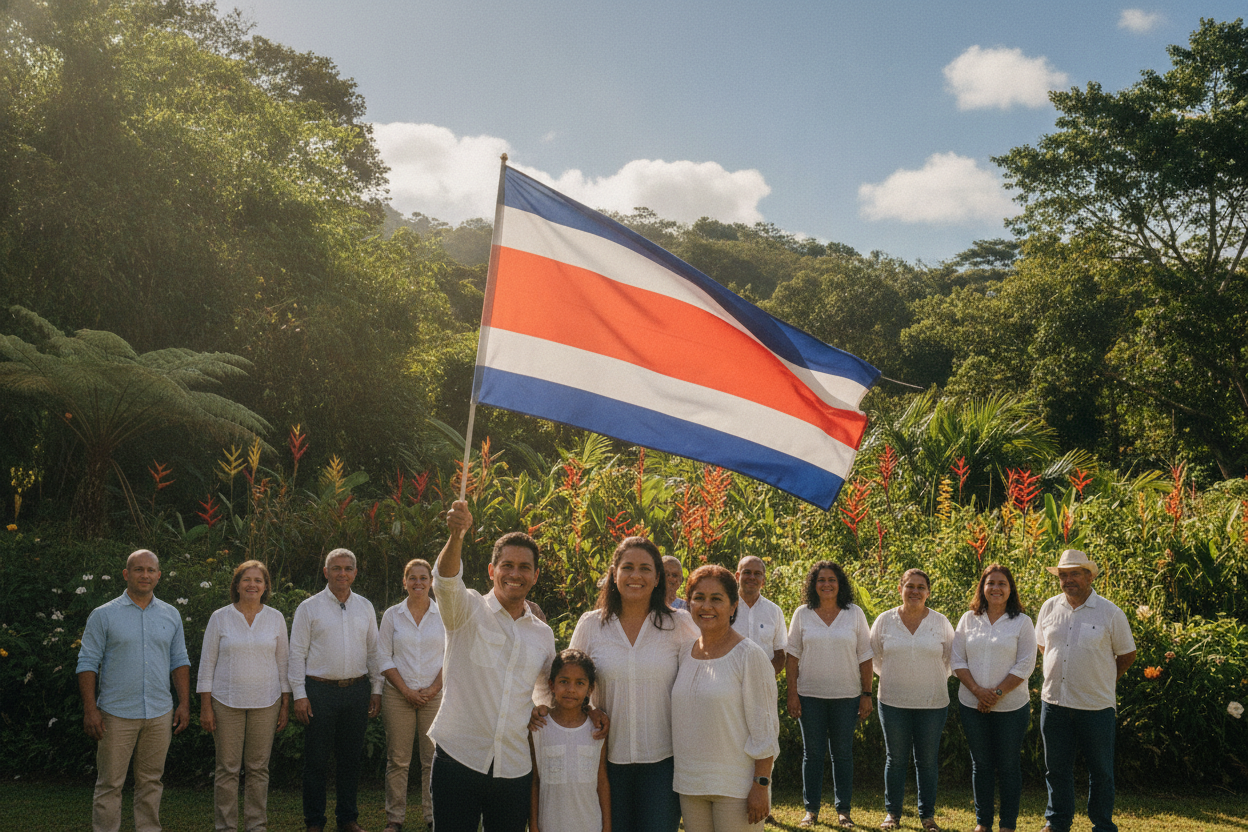
Costa Rica is a nation known for its commitment to democracy and biodiversity. For many foreigners, the dream of establishing permanent roots here is within reach through the process of naturalization. This article offers a comprehensive overview of the legal framework for those transitioning from residency to citizenship in Costa Rica.
We will explore the essential requirements set by the Costa Rican government for individuals who wish to call this beautiful country their home. Understanding the differences between temporary residency and permanent citizenship is crucial for anyone planning their future in Costa Rica.
Our guide focuses on the factual requirements and legal processes that govern how a foreign resident can apply for full citizenship status. By following the official guidelines, you can ensure your journey toward becoming a citizen of Costa Rica is handled with precision.
Understanding Costa Rican Residency and Citizenship
For many, the vibrant culture and biodiversity of Costa Rica make it an ideal place to establish a new home. Understanding the differences between residency and citizenship is crucial for anyone looking to settle here.
Residency in Costa Rica is defined as the legal permission granted by the government to live in the country for an extended period. This status allows individuals to enjoy various benefits, but it does not provide the same rights as citizenship.
Citizenship, often referred to as naturalization, is the ultimate status that grants an individual a passport and the right to vote in Costa Rica. It’s important to note that you cannot bypass the residency phase; the law requires maintaining this status for several years before applying for citizenship.
Many expatriates often confuse these two concepts. However, understanding this separation is foundational for any prospective resident or future citizen. The immigration process requires a clear grasp of how your legal status evolves from a temporary resident to a fully integrated citizen of Costa Rica.
Navigating these legal requirements involves adhering to specific statutes that define how a foreign national can eventually qualify for naturalization. For more detailed information, you can refer to our guide on Costa Rican citizenship by marriage.
Legal Residency: The Essential First Step
The journey to citizenship in Costa Rica begins with securing legal residency. This step is vital for anyone aiming to transition to full citizenship. Legal residency can be achieved through various categories such as Pensionado, Rentista, or Inversionista, as defined by the government.
It is important to note that simply visiting or living in the country without proper documentation does not count toward your eligibility for residency or future naturalization. To ensure a smooth application process, you must gather critical documents like birth certificates and police checks. These documents require apostilles and official Spanish translations to meet the application standards.
The U.S. Embassy recommends consulting official sources like migracion.go.cr for the most current requirements. Proper preparation of your documents can prevent significant delays with the immigration authority when submitting your initial application for residency in Costa Rica.
can-i-become-a-naturalized-citizen-based-on-time-lived-in-costa-rica: Timeline & Requirements

Understanding the timeline for obtaining citizenship in Costa Rica is essential for aspiring residents. The law requires individuals to be formal legal residents to qualify for citizenship. Typically, seven years of continuous legal residency is needed for most foreigners.
If you hail from a Central American, Spanish, or other Latin American country, the requirement shortens to five years. For spouses of Costa Rican citizens, the path is even quicker, allowing applications after just two years of marriage and residency.
It’s crucial to note that time spent on a tourist visa or a Digital Nomad permit does not count toward the required years for citizenship. Therefore, securing and maintaining your residency status is vital, as the clock for naturalization only starts once this approval is granted by the government.
Essential Documents and At-Home Preparation
Gathering the right documents is a critical step in the naturalization process. Successfully applying for residency begins with meticulous document preparation in your home country. We recommend starting this process three to six months before your move to Costa Rica.
Core civil documents are essential. These include your birth certificate and an FBI criminal background check. Each of these requires an apostille for international use. An apostille is an official certification under the Hague Convention, obtained from the state or federal authority where the document was issued.
After apostilling, every document needs an official Spanish translation. The immigration authorities in Costa Rica will not accept English-only paperwork. Additionally, financial proof, such as pension letters or bank statements, is vital for securing your residency permit.
It’s important to note the date you request, receive, apostille, and translate each document. This will help prevent confusion as multiple documents move through the pipeline for your residency in Costa Rica.
Navigating Residency Categories: Pensionado, Rentista, Inversionista
Selecting the right residency category is crucial for a successful transition to citizenship in Costa Rica. There are three primary options: Pensionado, Rentista, and Inversionista. Each category has specific financial requirements that applicants must meet.
The Pensionado category is designed for retirees. To qualify, you need a guaranteed pension of at least US$1,000 per month. This ensures you can support yourself while living in Costa Rica.
Rentista applicants must demonstrate stable income, specifically US$2,500 monthly for 24 months. This income can come from various sources, such as investments.
For those interested in the Inversionista category, a minimum investment of US$150,000 in real estate or business is required. This investment must be in the applicant’s personal name to be valid.
Choosing the correct category is your first critical step. All applicants must show good conduct and the ability to support dependents during their residency. Always verify current requirements at migracion.go.cr before committing to a specific residency category.
Timelines and Process Expectations for Residency
The path to securing residency in Costa Rica involves several key stages that require careful planning. The journey from gathering documents to receiving your residency card unfolds over distinct phases, each with its own waiting period.
Initial preparation can take two to four months. This includes obtaining official records, securing apostilles, and arranging certified translations for your residency application.
Once submitted, the initial review by immigration typically takes one to three months. If officials request more information, you will have 30 days to respond. After a successful review, you will complete a biometric registration appointment, granting you temporary legal status.
The final wait for your permanent residency card often ranges from two to six additional months, depending on the workload of immigration authorities. Overall, the entire process can span six to twelve months, so planning for this variability is essential.
Avoiding Common Documentation Pitfalls
Proper documentation is crucial for a smooth application process in Costa Rica. Many applicants encounter delays due to errors in their paperwork. The U.S. Embassy cannot intervene in residency applications, making it essential to get everything right the first time.
One common mistake is submitting a state document with a federal apostille. Additionally, using a casual translator can lead to rejection by immigration authorities. Inversionista applicants often err by purchasing property through a corporation instead of in their personal name, which is a legal requirement.
Financial proof can also be problematic. Pension letters must specify the exact monthly amount, and bank statements should cover the full required period. Furthermore, inconsistencies in names across documents can raise questions, potentially jeopardizing your residency case.
We help each applicant avoid these mistakes through meticulous preparation. Our goal is to ensure that every document meets the strict standards required for residency in Costa Rica.
The Importance of Legal Translations and Apostilles
Understanding the importance of legal translations and apostilles is crucial for those pursuing residency in Costa Rica. Before any paperwork reaches immigration officials, it must undergo two critical transformations: authentication via an apostille and conversion through a certified Spanish translation.
An apostille is an official certification under the Hague Convention that verifies the signatures and seals on your documents for international use in Costa Rica. State documents require an apostille from the Secretary of State, while federal papers need the U.S. Department of State to authenticate them.
The U.S. Embassy does not provide this service. Arriving without proper authentication forces applicants to mail documents back home, causing major delays. After obtaining the apostille, every document needs a certified Spanish translation, which must be complete and accurate to be accepted by the authorities in Costa Rica.
We guide clients through this technical but essential registration process, ensuring that every document is prepared correctly to avoid any issues during the residency process.
Exploring the Impact of Immigration Laws in Costa Rica
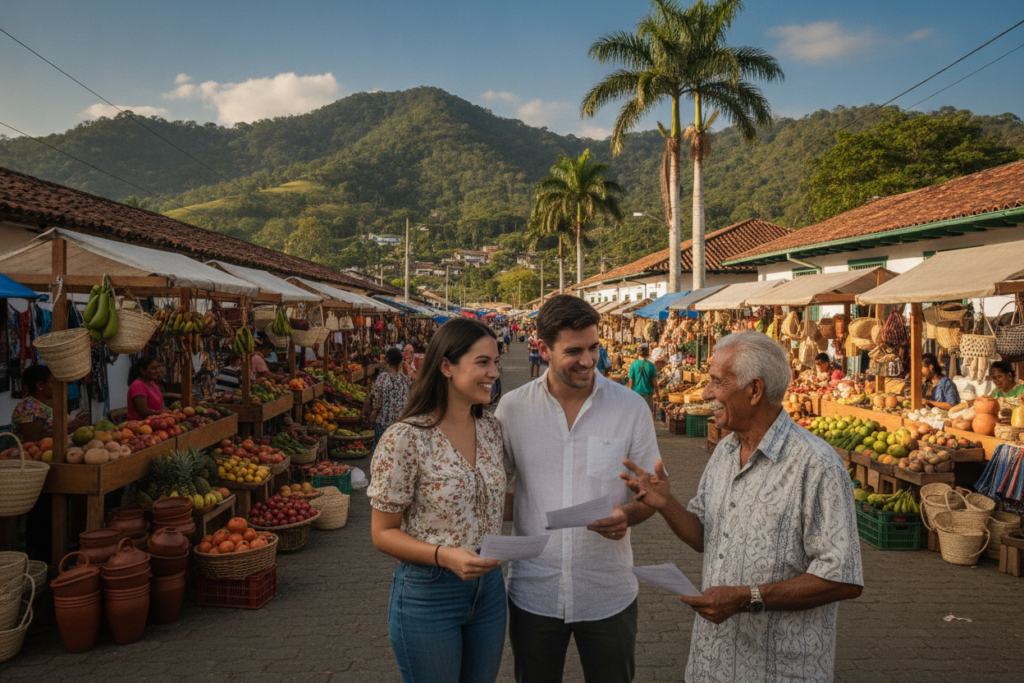
The laws governing citizenship in Costa Rica play a pivotal role in shaping the lives of many residents. The Options and Naturalizations Act serves as the legal foundation for acquiring nationality. This law outlines the specific rules for becoming a citizen of Costa Rica.
Rooted in the 1949 Constitution, it includes provisions for individuals born in the country to Costa Rican parents, as well as those born abroad to a citizen parent. For naturalization, the law establishes different residence timelines. Latin American nationals typically need five years, while others must wait seven years to gain citizenship.
Moreover, a foreign spouse of a Costa Rican citizen can apply for naturalization after just two years of marriage and residence. Since 1995, dual nationality has been permitted, allowing individuals to retain their original passport while becoming a citizen of Costa Rica.
The law recognizes citizenship as an inalienable right. However, applicants must demonstrate Spanish proficiency and knowledge of local culture to complete the naturalization process.
Leveraging CRIE’s Expertise and Official Resources
Navigating the residency process in Costa Rica can be overwhelming for many newcomers. At CRIE, we have over 20 years of experience in helping individuals and families with their residency and immigration needs.
The official Costa Rican government website, migracion.go.cr, is your primary source for verifying current residency requirements and accessing application forms. Here, you can find detailed instructions for each visa category by selecting the English version for clarity during your registration.
We specialize in guiding prospective residents through complex requirements. Our team helps you prepare your application documentation correctly, ensuring a smoother process. For personalized guidance and pricing, feel free to contact Johanna Alvarez, our CRIE immigration expert, via WhatsApp at +506 8706 3888 or email info@crie.cr.
We assess which residency category fits your circumstances and provide realistic timelines based on current processing conditions for your move to Costa Rica.
Final Thoughts on Your Journey to Naturalized Citizenship
The journey to citizenship in Costa Rica is a testament to dedication and careful planning. Achieving citizenship is the culmination of a well-thought-out immigration strategy that begins with securing legal residency.
Only the years spent in official residency count toward your eligibility for naturalization, as defined by Costa Rican law. Begin your preparation from home by gathering essential documents, including your birth certificate and proof of good conduct.
It’s vital to verify all current requirements on migracion.go.cr, as temporary permits do not lead to citizenship. We are here to guide you through each step of the process, ensuring you have the correct information to succeed.
Contact CRIE today for personalized guidance and pricing by reaching out to Johanna Alvarez at +506 8706 3888 or email info@crie.cr.
FAQ
What is the difference between residency and citizenship in Costa Rica?
How long do we need to live in Costa Rica before applying for citizenship?
What documents do we need to gather for the citizenship application?
Can we apply for citizenship if we have a Costa Rican child?
What are the common pitfalls we should avoid when applying for citizenship?
How long does the citizenship application process typically take?
Is it necessary to have legal assistance when applying for citizenship?
What happens if our application for citizenship is denied?
Article by Glenn Tellier (Founder of CRIE and Grupo Gap)
Don't wait, contact us right now!
Call or WhatsApp Costa Rica +506 8373 2085 or +506 8706 3888
Call USA/Canada +1 305-906-6784