
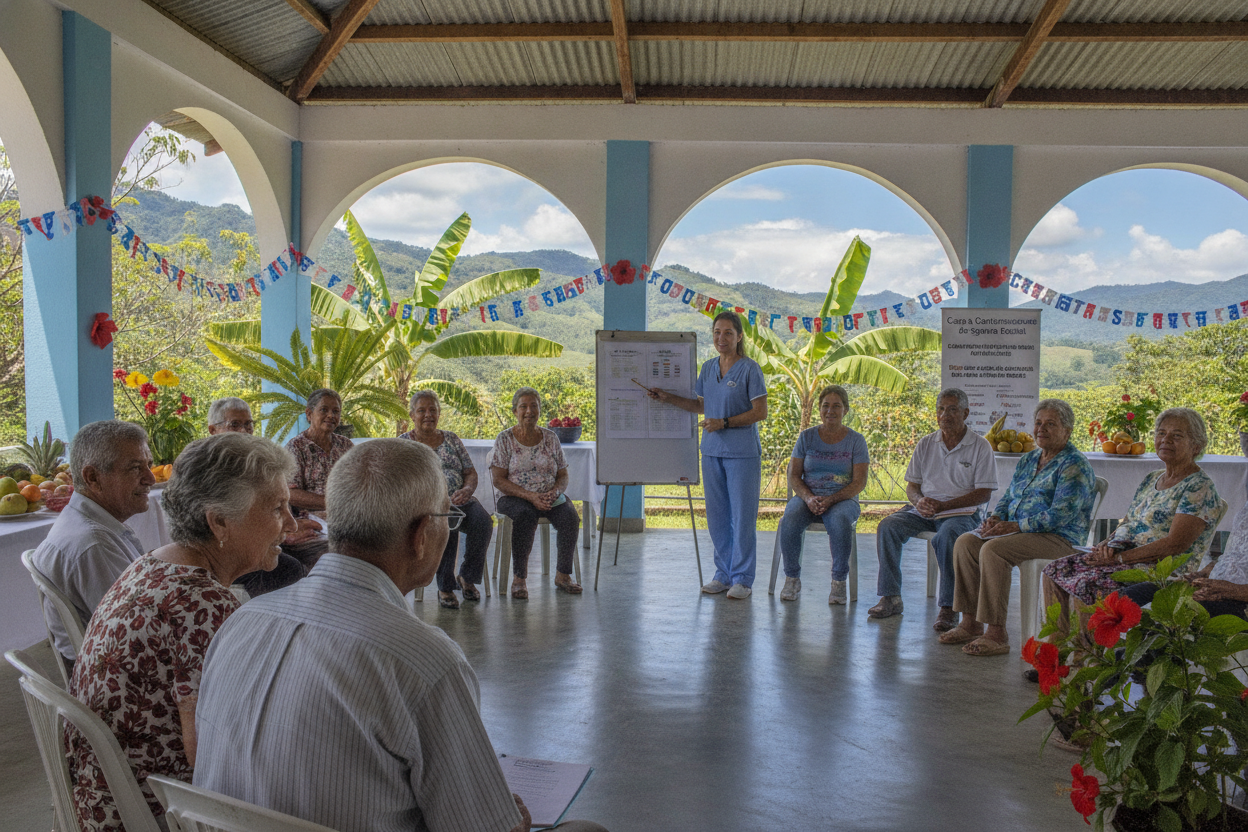
Understanding the healthcare system in Costa Rica is essential for those considering long-term residency. Our team at CRIE has dedicated over 20 years to assisting individuals and families with their residency journey. We aim to simplify the complex administrative steps involved in maintaining legal status and accessing healthcare.
This guide offers a clear overview of how the national healthcare system operates. It is designed for those looking to settle in Costa Rica and navigate the necessary processes effectively. Every residency application is unique, influenced by nationality, family situation, and personal immigration history.
With our experience, we can help you manage your residency process smoothly. For more information on how we can assist you, visit this link.
Overview of Caja and Its Role in Costa Rican Residency
Grasping the nuances of Costa Rica’s healthcare framework is vital for prospective long-term residents. The Caja Costarricense de Seguro Social is the official institution managing public healthcare in the country. This system plays a critical role in ensuring that all legal residents have access to necessary medical services.
Here are some key points about the Caja:
- The Caja serves as the primary provider of public healthcare for all legal residents living in Costa Rica.
- This essential system ensures that residents have access to medical services, which is a mandatory requirement for maintaining your legal residency status.
- Understanding how this healthcare infrastructure operates is a critical part of your integration into the local community and society.
- The institution manages both medical coverage and pension contributions, acting as the backbone of the national social security framework.
- Many new residents find that the public healthcare network provides comprehensive coverage for various medical needs throughout the country.
For more details on the payment rules related to Caja, visit this link.
How the Caja Fee is Calculated for Pensionado Residents
For individuals planning to retire in Costa Rica, understanding how fees are calculated is crucial. The monthly Caja fee is based on the income reported to the Immigration Department. This ensures that residents are paying a fair amount according to their financial situation.
The fee is specifically determined by the pension amount stated in the official letter submitted during your residency application. It’s essential that all documentation accurately reflects your actual financial records to avoid discrepancies.
The calculation process applies specific percentages to your reported monthly earnings. This means residents should be prepared for these recurring payments, as they are mandatory for maintaining a valid residency permit.
By accurately reporting your pension income, you ensure compliance with the regulations set by the social security board. This is a key step in securing your access to the healthcare services provided by the Caja.
Understanding caja-for-pensionado-residents-in-costa-rica Contributions

Comprehending the contributions required for residents is essential for securing health benefits in Costa Rica. The contributions to the Caja provide comprehensive social security benefits that extend to your immediate family members, including spouses and children.
By paying into this insurance, you gain legal access to the national medical network, which is a fundamental right for residents. It’s important to note that the number of dependents included in your residency application does not increase your monthly contribution amount.
Maintaining your contributions is a key part of your ongoing residency obligations. This ensures uninterrupted medical coverage for your household. The system is designed to be inclusive, allowing families to secure their health needs under a single, unified insurance policy.
Residency Categories and Their Impact on Caja Contributions
Navigating the different residency categories in Costa Rica is crucial for future residents. Each category, such as Pensionado residency or the investor category, has distinct requirements that influence how your monthly fees are calculated.
Choosing the right residency category is a strategic decision. It can significantly impact your long-term financial obligations within the country. While Pensionado residency is often preferred for its cost-effectiveness, other categories like Rentista require different documentation regarding your monthly income.
Applicants must carefully review the specific rules for their chosen residency status. This ensures they are prepared for the associated costs. Our experience shows that understanding these categories early in the process helps applicants avoid surprises regarding their monthly social security payments.
Government Contributions: SEM and IVM Explained
Awareness of the SEM and IVM contributions is vital for residents who wish to access healthcare services in Costa Rica. The Caja Costarricense Seguro Social system operates on two key pillars: SEM, which provides general healthcare, and IVM, which supports the national pension plan.
Current SEM rates for healthcare contributions range from 2.89% to 10.69% of your monthly income. This percentage varies based on specific guidelines set by the authorities. Meanwhile, the IVM contribution, essential for the national pension system, ranges from 3.83% to 8.09% of your reported earnings.
These contribution rates are established by the Board of Directors and will remain valid for payments made until December 2025. Understanding these two components is crucial for calculating the total monthly premium required to maintain your status in the system.
Step-by-Step Guide for Calculating Your Caja Monthly Fee

Calculating your monthly fees for healthcare in Costa Rica requires a clear understanding of your reported income. This process involves a few straightforward steps that ensure you comply with local regulations.
Calculating with Reported Income
The first step in calculating your fee is to convert your monthly income from USD to colones using the official Central Bank of Costa Rica rate. This conversion is essential for aligning your payment with local standards.
Once you have the amount in colones, apply the relevant SEM and IVM percentages to determine the total cost per month. Each resident must perform this calculation carefully, as the final amount is based on the specific income reported during the application.
Converting USD to Colones Based on Official Rates
Using the official Costa Rican exchange rate ensures that your payment aligns with the requirements set by the local authorities. Following this step-by-step process helps you maintain transparency and accuracy in your financial obligations to the national social security system.
Example Scenarios: Pensionado, Rentista, and Investor
Understanding the implications of residency choices on healthcare fees is crucial for those relocating. Different residency types in Costa Rica lead to varying monthly contributions. Here, we will look at examples for Pensionado, Rentista, and Investor statuses.
Pensionado Residency Example
A Pensionado residency applicant with a $1,500 monthly income will have their fees calculated based on that specific lifetime pension amount. This straightforward calculation ensures that residents pay a fair amount according to their income.
Rentista and Investor Residency Comparisons
In contrast, a Rentista applicant with a $2,500 monthly income must provide proof of income through bank statements or a CPA letter. An investor residency applicant, who must show $1,000 in monthly income, is required to obtain an official certification from a local accountant.
These examples demonstrate how different income levels and residency types lead to varying monthly contributions for residents living in the country. Regardless of the category, all residents must ensure their income documentation is accurate to avoid issues with their monthly premium calculations.
Understanding Income Conversion and National Currency Calculations
To navigate residency in Costa Rica effectively, it’s important to understand how income is converted into the national currency. All financial calculations for residency must be conducted in colones to comply with local regulations.
Residents often find that fluctuations in exchange rates can slightly alter the final amount they pay each month to the social security office. Maintaining accurate records of your income in both USD and colones is a best practice for all legal residents.
The system requires that all income used for residency purposes be clearly documented and converted using the official Central Bank of Costa Rica rates. By staying informed about these currency requirements, you can better manage your monthly budget while living in Costa Rica.
Addressing Common Questions and Inconsistencies in Caja Premiums
Questions frequently arise regarding the application of Caja rules in different local offices. Many residents find that premium calculations can vary, leading to confusion. This inconsistency can be particularly challenging for newcomers trying to navigate the healthcare system.
While there are official rules governing these calculations, the practical application can differ from one office to another. If you encounter inconsistencies, it is helpful to refer back to your official residency documentation. This can clarify the requirements for your healthcare coverage.
We recommend that residents keep all their paperwork organized. This practice can help address any questions that may arise during interactions with local staff. Clear communication and persistence are often necessary when navigating the complexities of the national healthcare system.
Final Thoughts and Next Steps for Your Residency Process
For those embarking on the journey of residency in Costa Rica, a clear understanding of the process is vital. Navigating this process requires careful attention to detail, especially regarding your ongoing healthcare obligations and monthly costs.
Whether you are applying for temporary residency or transitioning to permanent residency, knowing your financial commitments is essential. Each case depends on your specific nationality, family situation, and immigration history, so personalized guidance is always recommended for your peace of mind.
For professional assistance with your residency process, please contact Johanna Alvarez at CRIE via WhatsApp at +506 8706 3888 or email info@crie.cr. You can also visit our website at crie.cr to learn more about how we help individuals successfully manage their immigration needs in Costa Rica.
FAQ
What is the Caja Costarricense de Seguro Social?
How do we apply for pensionado residency?
What are the monthly contributions for pensionado residents?
Can we access public healthcare immediately after applying?
What types of income qualify for pensionado residency?
Are there different residency categories that affect our contributions?
How does the conversion from USD to Colones work for our income?
What should we do if we encounter inconsistencies in our Caja premiums?
How long does the residency process typically take?
Is health insurance mandatory for all residents in Costa Rica?
Article by Glenn Tellier (Founder of CRIE and Grupo Gap)
Don't wait, contact us right now!
Call or WhatsApp Costa Rica +506 8373 2085 or +506 8706 3888
Call USA/Canada +1 305-906-6784