
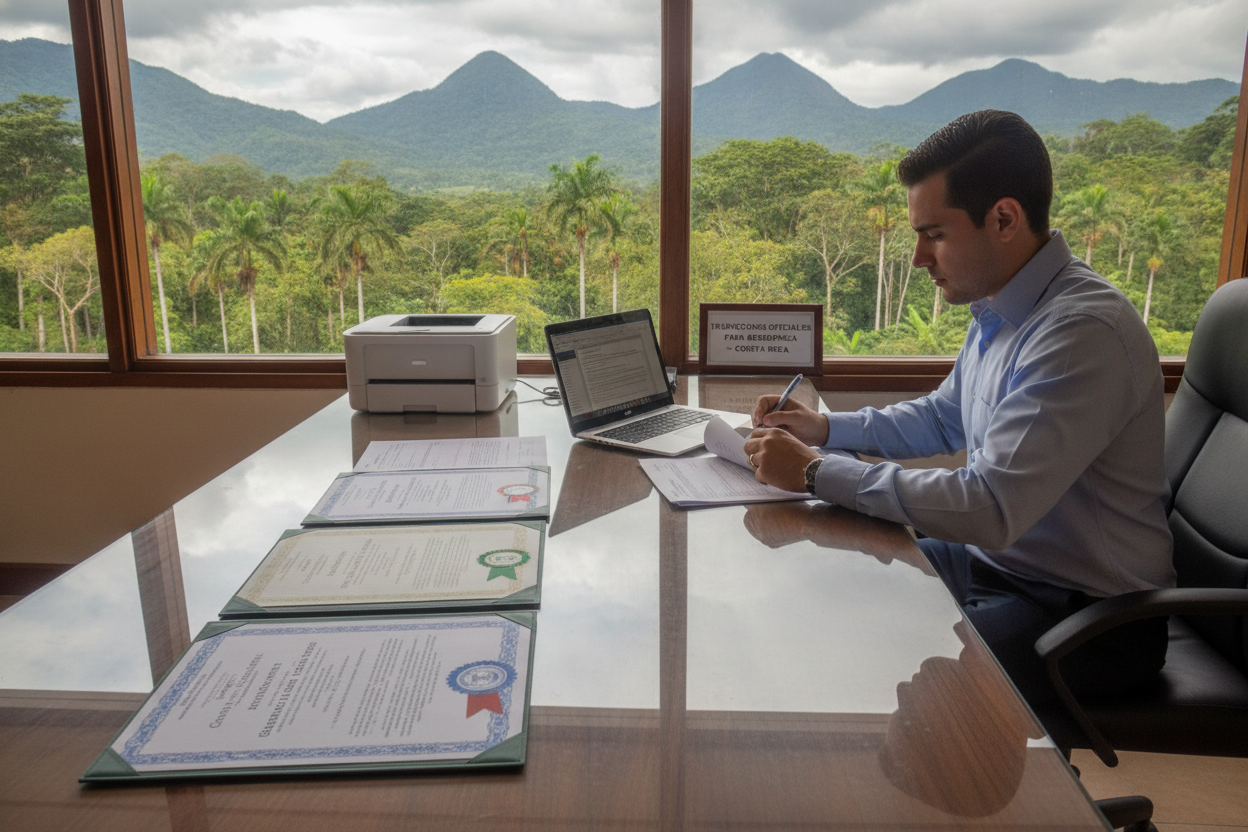
Moving to a new country is an exciting journey, but it comes with its own set of challenges. For those planning to make Costa Rica their home, understanding the translation requirements is crucial. At CRIE, we have been guiding individuals and families through this process for over 20 years.
Navigating the translation of your vital documents is not just a formality; it is essential for your application. Properly prepared documents ensure that your residency application meets the specific standards set by the country. This can often feel overwhelming, but we are here to help.
Our goal is to provide you with a clear and educational guide to manage your documentation effectively. With our expertise, you can move forward confidently with your plans to settle in this beautiful country.
An Overview of Residency and Translation Requirements in Costa Rica
Embarking on a new chapter in a different country can be both thrilling and daunting. Understanding the specific translation needs is essential for a smooth transition. When you begin your immigration journey, you will quickly learn that verified translations are necessary for all foreign-issued documents.
For over 20 years, we at CRIE have guided individuals and families through the complexities of moving to this beautiful country. Certified translations act as a bridge, ensuring your documents meet local standards.
Our role is to provide practical guidance, helping you organize your paperwork effectively. We focus on educating you about the legal standards required for your transition, ensuring your residency application process is as seamless as possible.
Understanding Costa Rican Residency Options
Starting anew in a foreign land is an adventure that comes with its own set of intricacies. In Costa Rica, there are various residency options to consider, each designed to cater to different circumstances and financial situations.
Temporary vs. Permanent Residency
Understanding the distinction between temporary and permanent residency is crucial. Temporary residency allows individuals to stay for a limited time, while permanent residency offers a more stable, long-term solution.
Category Specifics: Pensionado, Rentista, and Inversionista
Each residency category has unique financial requirements:
- The Pensionado category is for retirees with at least $1,000 per month in guaranteed income.
- Rentista status requires proof of a stable, unearned income of at least $2,500 per month for two years.
- Inversionista status is for those investing a minimum of $200,000 in tangible property or projects.
Choosing the right category is essential for your long-term goals. Understanding these specific requirements can help you successfully navigate the residency process in Costa Rica.
The Importance of Official Document Translations for Residency Applications
Transitioning to a new environment presents a unique set of challenges and opportunities. One critical aspect of this journey is ensuring that your official documents are accurately translated. This is essential for a successful residency application.
Accuracy is paramount because the Costa Rican authorities require that every detail in your translated documents matches the original information perfectly. Under Ley 8142, enacted in 2001, the system for official translations ensures that documents are handled by qualified professionals recognized by the government.
Any discrepancy in your application can lead to delays. This is why we emphasize the importance of using professional translation services for your documents. A high-quality translation ensures that your residency application is processed without unnecessary hurdles caused by linguistic or formatting errors.
We encourage you to treat your document translation as a vital part of the overall residency process, as it directly impacts your legal standing. For more details on the required documents, visit this link.
Key Documents Required for Your Residency Process
The journey to establishing yourself in a new country begins with gathering key documents. For your residency application, certain official documents are mandatory. This includes your birth certificate and, if applicable, a marriage certificate. Both must be apostilled to be valid in Costa Rica.
The apostille process, adopted by Costa Rica in 2011, serves as a super-notarization. It verifies the authenticity of your documents for international use. Every document, including your birth certificate, must go through the correct legal channels to meet the residency system’s requirements.
Here are essential points to remember:
- The cost for an apostille at the Ministerio de Relaciones Exteriores y Culto is approximately ₡625 CRC, making it an affordable part of your documentation.
- Proper notarization and apostille of your documents are non-negotiable steps before submitting your residency application.
Step-by-Step Guide to Translating Your Documents
Understanding the translation process is a vital step in your journey to a new home. Selecting a qualified translator is essential, as Costa Rican authorities often require translations to be performed by a court-approved professional.
The Universidad de Costa Rica administers the qualifying examinations for official translators. This ensures they meet the high standards required for legal documents.
Selecting a Qualified, Court-Approved Translator
When choosing a translator, verify their qualifications. It is important that they are familiar with the specific terminology used in Costa Rican legal and civil registry documents.
Ensuring Your Translation Meets Official Standards
Your translation must include a formal certification statement. This statement confirms the accuracy and completeness of the work performed on your documents.
By following a step-by-step process, you can ensure that your translation is ready for submission as part of your residency application.
Understanding the Apostille Process for Costa Rican Documents

Understanding the legalities of document authentication is essential when relocating to a new country. The apostille process is a standardized system that allows a document issued in one country to be recognized as authentic in another.
In Costa Rica, the only office authorized to issue an apostille is the Departamento de Autenticaciones, located in San José. This office plays a crucial role in ensuring that your documents are valid and accepted by local authorities.
Whether you are moving from a Hague Convention apostille country or another nation, proper authentication is necessary. This verification system is designed to prevent fraud and ensure that the residency authorities can trust the documents you provide.
We advise all applicants to confirm the specific apostille requirements for their home country before finalizing their document preparation.
costa-rica-certified-translation-requirements-for-residency
Relocating to a different country can be both exhilarating and challenging. Meeting the certified translation requirements is crucial for ensuring your application is accepted by the immigration office.
We have witnessed many applicants succeed by carefully organizing their documents. Ensuring every translation is certified according to the law in Costa Rica is vital.
The residency process demands patience. However, having your paperwork in order will significantly reduce the time spent waiting for approval.
Your application reflects your commitment to living in this beautiful country. Professional documentation is the best way to demonstrate that dedication.
If you have questions about the specific requirements for your residency, we are here to help you navigate the complexities of the process.
Common Challenges and Practical Tips in the Translation Process
Navigating the complexities of moving abroad can be both rewarding and challenging. One common issue is the timing of your documents. For instance, criminal background checks can take up to sixteen weeks to process in the United States.
To avoid delays, we recommend starting your residency application process well in advance. This gives you ample time to obtain and translate your documents without feeling rushed.
Many applicants find that coordinating the apostille and translation of their documents requires careful planning over several months or even years. Staying organized is crucial to overcoming the hurdles associated with the Costa Rican immigration system.
If you encounter issues with your documents, remember that professional guidance can help you resolve these problems and keep your application on track.
Legal Considerations and Official Guidelines
Understanding the legal landscape is crucial when planning your move to a new country. The legal framework for translations is governed by specific laws, including Decreto Ejecutivo 40824-RE. This decree outlines the duties of official translators in Costa Rica.
It is vital to stay informed about the current requirements for residency, as the immigration system can change periodically. Knowing the law behind your application will help you feel more confident navigating the necessary steps.
We encourage you to rely on official sources and professional advice. This ensures your residency application complies with all current Costa Rican regulations. By keeping up with the latest guidelines, you can avoid common pitfalls and secure your path to residency in Costa Rica.
Resources and Tools to Assist with Your Document Translation
Equipping yourself with the right tools and knowledge is essential when managing your documentation. There are many resources available to help you navigate the translation process effectively.
Using a professional translator who understands the nuances of Costa Rican legal terminology is one of the best investments you can make for your application. This ensures that your documents are accurately translated and comply with local standards.
While online tools exist, they are rarely sufficient for the official translation of documents required for a formal application in Costa Rica. We suggest building a network of reliable professionals who can assist you with the translation and authentication of your important documents.
Proper resources will make your journey much easier, allowing you to focus on the excitement of moving to this beautiful country. For more information on finding qualified translators, check out this link.
Begin Your Journey to Costa Rican Residency Today
Taking the first step toward a new home can lead to exciting adventures and opportunities. Every residency case is unique, influenced by your nationality, family situation, and immigration history. Personalized guidance is essential for your success.
To discuss your specific options, including the Pensionado, Rentista, or Inversionista categories, reach out to our expert, Johanna Alvarez. With over 20 years of experience, we are ready to assist you with your next steps.
For accurate pricing and a clear plan for your application, contact us via WhatsApp at +506 8706 3888 or email info@crie.cr. Visit our website at crie.cr to learn more about how we can support your move and help you begin your new life.
FAQ
What documents do we need to apply for residency in Costa Rica?
How do we ensure our translations are accepted by Costa Rican authorities?
What is the apostille process, and why is it necessary?
Are there different types of residency we can apply for?
What challenges might we face during the translation process?
How can we find reliable translation services?
What is the role of CRIE in our residency application?
Why is accuracy important in our residency application?
What should we do if our documents are not in English or Spanish?
How long does the residency application process take?
Article by Glenn Tellier (Founder of CRIE and Grupo Gap)
Don't wait, contact us right now!
Call or WhatsApp Costa Rica +506 8373 2085 or +506 8706 3888
Call USA/Canada +1 305-906-6784