

Moving to a new country is an exciting adventure, but it requires careful planning. Many people consider Costa Rica for its beautiful landscapes and rich biodiversity. However, understanding the financial aspects is crucial for a smooth transition.
For families, especially those coming from the United States, costs can vary significantly. Many expats find that living expenses in this Central American nation can be 30% to 50% lower than in the U.S. This makes it an attractive option for those looking to stretch their budget.
The residency process is the first step in making this move. Knowing the requirements for obtaining a visa will help you navigate your new life. Whether you are a retiree or a digital nomad, there are various residency options available.
Our aim is to provide you with valuable insights to avoid common pitfalls. With the right information, you can enjoy the beauty and culture of Costa Rica while ensuring your family settles in comfortably.
Understanding Costa Rican Residency and Immigration
Embarking on a journey to another nation is exciting, but it requires a grasp of residency regulations. In Costa Rica, the Dirección General de Migración y Extranjería oversees all immigration pathways. Understanding the specific options available is crucial for anyone looking to settle here.
Many Americans start their adventure as tourists. However, this status does not allow for permanent residency or employment. It’s essential to comply with legal requirements to avoid fines and complications later on.
Starting your residency process early is key. Each residency category has its own financial thresholds and requirements. By familiarizing yourself with these, you can ensure a smoother transition to life in Costa Rica.
An Overview of CRIE’s 20-Year Expertise in Residency Services
Adapting to life in a new country can be an exhilarating yet complex process. For over 20 years, we at CRIE have been guiding individuals and families through the intricate immigration landscape of Costa Rica. Our dedicated focus on residency and immigration services ensures that you receive tailored support for your specific legal needs.
We help US families navigate local regulations, which is vital for avoiding mistakes that could delay or deny applications. By providing clear and actionable information, we assist you in laying a solid foundation for your new life in this vibrant Central American country.
Our team is committed to managing the documentation and legal requirements necessary for a successful transition. While we do not act as a law firm or government agency, we serve as an expert resource for those seeking to secure their legal status in Costa Rica.
Exploring Residency Options for US Families in Costa Rica
Choosing the right residency option is vital for a smooth transition to life in a new country. For US families, Costa Rica offers several pathways that cater to different needs and financial situations.
The Pensionado program is ideal for retirees. It requires proof of a stable monthly pension income of at least $1,000. This option allows retirees to enjoy their golden years in a beautiful setting.
For those not yet retired, the Rentista pathway requires a guaranteed income of $2,500 per month for two years. This option is suitable for many expats looking to establish a new life.
Another choice is the Inversionista category, which mandates a minimum investment of $150,000 in a business or property. This pathway can be appealing for those wanting to start a venture in Costa Rica.
Lastly, remote workers may qualify for the Digital Nomad visa, which requires proof of $3,000 per month in income from outside the country. Understanding these eligibility factors is crucial for families, as the right choice will determine your long-term stability and legal rights within the country.
What to Expect from the Costa Rican Immigration Process
Navigating the immigration process in a new country can be both rewarding and challenging. Understanding the necessary steps will help you prepare effectively for your move.
The first step involves meticulous document preparation. You will need to gather essential papers like birth certificates and criminal background checks. Each foreign document must be apostilled by the US Department of State. This verifies its authenticity for use in Costa Rica.
Once apostilled, documents require translation into Spanish by an official translator registered in Costa Rica. This ensures compliance with local laws.
After submitting your application, expect a processing timeline of 3 to 12 months, depending on your residency category. It’s crucial to maintain your legal status during this period. The immigration office will provide documentation confirming your pending status.
We recommend building a buffer into your timeline, as document authentication and translation can take longer than anticipated.
costs-to-relocate-your-family-of-4-to-costa-rica-from-the-us-complete-guide
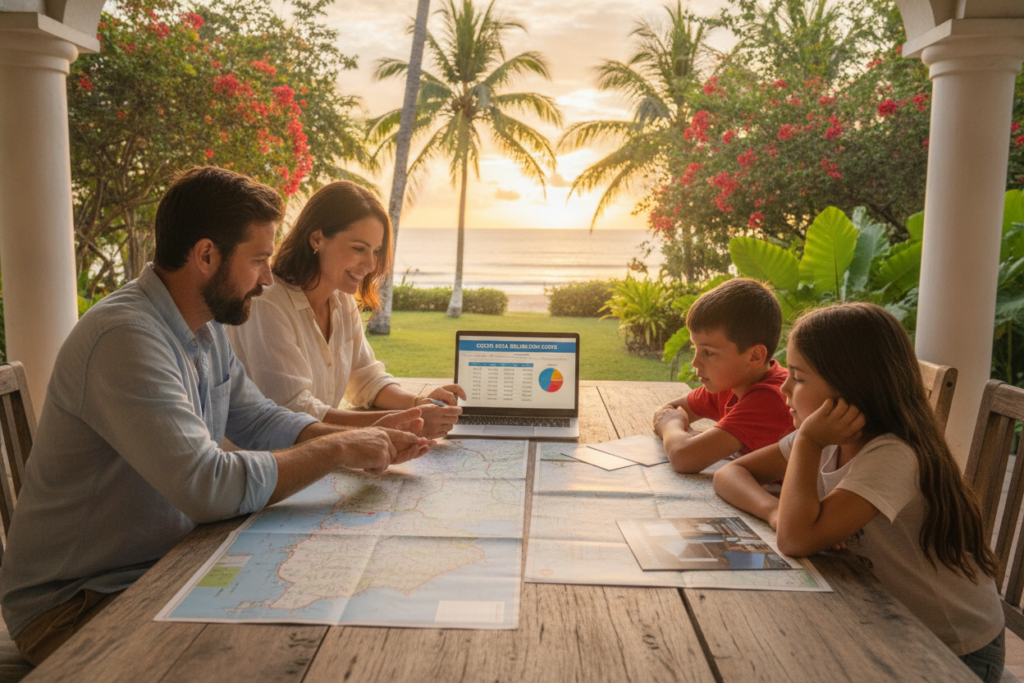
Transitioning to a different country involves a blend of excitement and meticulous preparation. For many families, the initial setup costs can be a significant hurdle. These often include legal fees, shipping, and residency application charges.
First-year expenses are typically higher than in subsequent years. This is due to the need to outfit a new residence with furniture and appliances. Budgeting for these essentials is crucial for a smooth transition.
Here are some key considerations:
- The initial setup can include legal representation fees and international shipping costs.
- It’s important to distinguish between fixed government fees and variable market costs.
- Planning for initial grocery stockpiles ensures your family settles comfortably.
- By accounting for these upfront investments, you can reduce financial stress.
- Reviewing this information will help you understand the total costs of your move.
Analyzing the Moving and Living Expenses in Costa Rica
Understanding the financial landscape of your new home is essential for a successful transition. Many families find that living in Costa Rica is both affordable and rewarding. A realistic monthly budget for a family of four typically falls between $2,000 and $3,000, depending on lifestyle choices.
Living expenses are often 30% to 50% lower than what you would expect in major U.S. cities. However, your location can significantly impact your budget. Tourist-heavy areas may have higher costs for housing and dining compared to the Central Valley.
We recommend tracking your spending closely during the first few months. This will help you understand local prices for groceries and services. Adapting to local products can also help save money, as imported goods tend to be pricier.
With proper financial planning, your family can enjoy the “pura vida” lifestyle without the stress of unexpected expenses during your transition.
Planning Your Family Budget for a Smooth Transition
Budgeting effectively is crucial for families looking to thrive in a new environment. Creating a comprehensive family budget is the most effective way to ensure a smooth transition when moving to Costa Rica.
Account for both fixed costs, such as rent and utilities, and variable costs, including entertainment and dining out. Many families find that setting aside a contingency fund for unexpected expenses provides peace of mind during their first year of residency.
It is also helpful to research the specific costs of your target region. Prices for housing and services can vary significantly across different provinces. By maintaining a clear and realistic budget, you can focus on integrating into the community and enjoying the benefits of your new life.
We encourage you to review your financial plan regularly. This ensures it remains aligned with your family’s needs and long-term objectives in the country. For more detailed insights on budgeting, check out our resources on residency for families in Costa Rica.
Comparing Monthly Living Expenses: Costa Rica vs. the US
The process of moving abroad can be thrilling, yet it demands a solid understanding of your financial commitments. When considering a move, it’s essential to compare living expenses in Costa Rica with those in the United States.
Housing and utilities in Costa Rica are often much more affordable than in the U.S. Many families find that their monthly rent can be significantly lower, allowing for better budgeting.
Housing, Utilities, and Transportation
Transportation costs can vary. Public transit is a budget-friendly option, while purchasing a vehicle may involve higher expenses due to import taxes.
Food, Groceries, and Healthcare
Healthcare is a major highlight. Costs for medical services and private insurance typically run 50% to 70% lower than U.S. prices. Many expats combine the universal public healthcare system, known as the Caja, with private insurance for quicker access to specialists.
While groceries can be cheaper at local markets, imported items may carry a premium price tag. Understanding these price differences helps in making informed decisions about where to live and how to allocate your financial resources effectively.
Navigating Visa Requirements and Income Thresholds
Embracing a new life abroad brings joy, but it also demands attention to visa requirements and financial commitments. Understanding the specific criteria for residency is crucial for a successful move.
The Pensionado pathway is strictly for retirees who can prove a lifetime monthly pension income of at least $1,000. This option allows retirees to enjoy their golden years in a beautiful setting.
For those looking for other pathways, the Rentista option requires a guaranteed monthly income of $2,500 for two years. This income must be confirmed through the latest regulatory guidelines.
Another choice is the Inversionista pathway, which mandates a minimum investment of $150,000 in property held in the applicant’s name. Meeting these income and investment thresholds is non-negotiable.
Failing to meet these specific financial requirements can lead to application rejection. We advise all families to carefully review their financial documentation against these thresholds to ensure compliance with Costa Rican law.
Gathering Essential Documentation and Ensuring Legal Compliance
Moving abroad necessitates a strategic approach to gathering and authenticating vital documents. Your residency journey begins at home with the careful collection of essential paperwork, such as birth certificates and FBI background checks.
Every document must be apostilled by the US Department of State to ensure it is recognized as authentic by the Costa Rican government. Once apostilled, all documents must be translated into Spanish by an official translator registered within Costa Rica to meet legal requirements.
Maintaining a master checklist of these documents prevents costly oversights. Incomplete or improperly authenticated paperwork is a frequent reason for delays in the residency process, so meticulous organization is vital.
We recommend starting this preparation work well in advance of your planned move to ensure all legal requirements are fully satisfied.
A Step-by-Step Guide to Preparing Your Residency Application
Preparing for a new life in another country requires thorough organization and attention to detail. To ensure a smooth residency application process, you need to gather the necessary documents and certifications.
Document Checklist and Required Certifications
The residency application process requires a valid passport, birth certificate, and a clean criminal background check from the FBI for all adult applicants.
You must also provide proof of income that aligns with your chosen residency category, such as pension statements or bank records for the Rentista program.
All application forms must be completed accurately and accompanied by recent photos as specified by the immigration authorities in Costa Rica.
Once your documents are apostilled and translated, they are submitted to the immigration office to initiate the formal review of your case.
After filing, you will receive proof that your application is in process, which is a critical document for maintaining your legal status while waiting.
We suggest keeping copies of every document submitted to the immigration office for your personal records throughout the duration of the process.
Managing Unexpected Costs and Financial Considerations
When planning a move to a new country, it’s essential to prepare for unexpected financial challenges. Beyond your monthly living expenses, you must budget for specific residency costs. Application fees can range from $50 to $400, depending on the category.
The mandatory DIMEX identification card, which serves as your primary ID in Costa Rica, costs between $98 and $123 per person. Additionally, a refundable guarantee deposit of approximately $361 is typically required as part of the residency application process for many applicants.
Investing in professional legal assistance for your residency application can range from $1,000 to $2,000. This is a recommended investment for a smooth process. Document authentication and official translation services can add another $140 to $800 to your total relocation budget, depending on the volume of paperwork.
Including these figures in your financial plan prevents surprises and ensures that your path to residency remains clear and on schedule. For more details on residency requirements, check out this resource.
Integrating into the Costa Rican Culture and Community
Embracing a new culture is a key part of settling into life in Costa Rica. The “pura vida” lifestyle emphasizes a slower, more relational pace of life. This approach encourages us to appreciate simple moments and foster connections with those around us.
Learning Spanish is essential for daily integration. Even basic conversational skills can transform errands into meaningful opportunities for connection. By communicating with locals, we can better understand their customs and values.
Participating in local festivals and community events is a powerful way to feel at home. These gatherings provide authentic insights into national traditions and create lasting memories for our family.
Respecting local customs and maintaining an open mind will help us build a rewarding life in Costa Rica. Many expats find that forming a support system with other residents aids in navigating cultural nuances.
This respectful approach to integration turns our new residence into a true home, allowing our family to thrive in this vibrant environment.
Evaluating Different Regions and Housing Options in Costa Rica
Selecting the right location in a new country is crucial for your family’s well-being and comfort. In Costa Rica, various regions offer distinct lifestyles and amenities that can impact your daily life.
Urban centers like San José provide excellent access to international schools and modern healthcare facilities. This makes them practical choices for expats looking to ensure their family’s needs are met.
On the other hand, rural areas can offer a more peaceful environment with lower housing costs. However, they may require longer commutes for specialized services.
We strongly recommend renting in different areas before committing to a long-term lease. This allows you to explore neighborhoods and find the best fit for your family’s lifestyle.
Popular beach towns, such as Tamarindo, present vibrant living but often come with higher costs for groceries and housing. Balancing your desire for amenities with daily logistics is essential for creating a comfortable home.
Final Considerations for a Successful Relocation Experience
Settling into a new country is a transformative experience that brings both excitement and challenges. The decision to build a life in Costa Rica rewards your family with a unique culture and stunning natural environment.
After seven years of continuous legal residency, you may become eligible to apply for citizenship. This provides even more stability for your future in this beautiful country.
Ensuring you have the right legal support throughout your residency journey is essential. This keeps your status in good standing and prevents unnecessary complications.
Whether you choose a property in the Central Valley or a quiet beach area, proper planning is key to a successful relocation experience. Your family can enjoy local food, excellent schools, and a relaxed pace of life once you have established your legal and financial foundation.
We encourage you to stay organized with your documentation and renewals. This will ensure your transition remains smooth and stress-free for years to come.
Ready to Begin Your New Life? Contact CRIE for Personalized Guidance
If you are ready to start your new chapter in Costa Rica, our team is here to offer the personalized support you need for a successful transition. We understand that each family’s situation is unique, and we are committed to helping you navigate the residency process smoothly.
For specific pricing and to discuss your unique circumstances, please reach out to our immigration expert, Johanna Alvarez, for a consultation. You can contact us directly via WhatsApp at +506 8706 3888 or send an email to info@crie.cr to initiate your residency application process.
Visit our website at crie.cr to learn more about how we can assist you with your immigration needs. Remember, every case depends on your nationality and immigration history, so we offer tailored support to ensure your move is handled correctly.
We look forward to helping you build a happy and successful future in Costa Rica through our professional residency and immigration services.
FAQ
What are the typical costs involved in moving to Costa Rica?
How long does the residency application process take?
What are the different residency options available for US families?
What should we include in our monthly budget for living in Costa Rica?
Are there any specific healthcare considerations for expats in Costa Rica?
What documents do we need to prepare for the immigration process?
How can we integrate into the local culture once we move?
What are the housing options available in different regions of Costa Rica?
What should we know about the Digital Nomad visa?
How do living expenses in Costa Rica compare to those in the US?
Article by Glenn Tellier (Founder of CRIE and Grupo Gap)
Don't wait, contact us right now!
Call or WhatsApp Costa Rica +506 8373 2085 or +506 8706 3888
Call USA/Canada +1 305-906-6784