
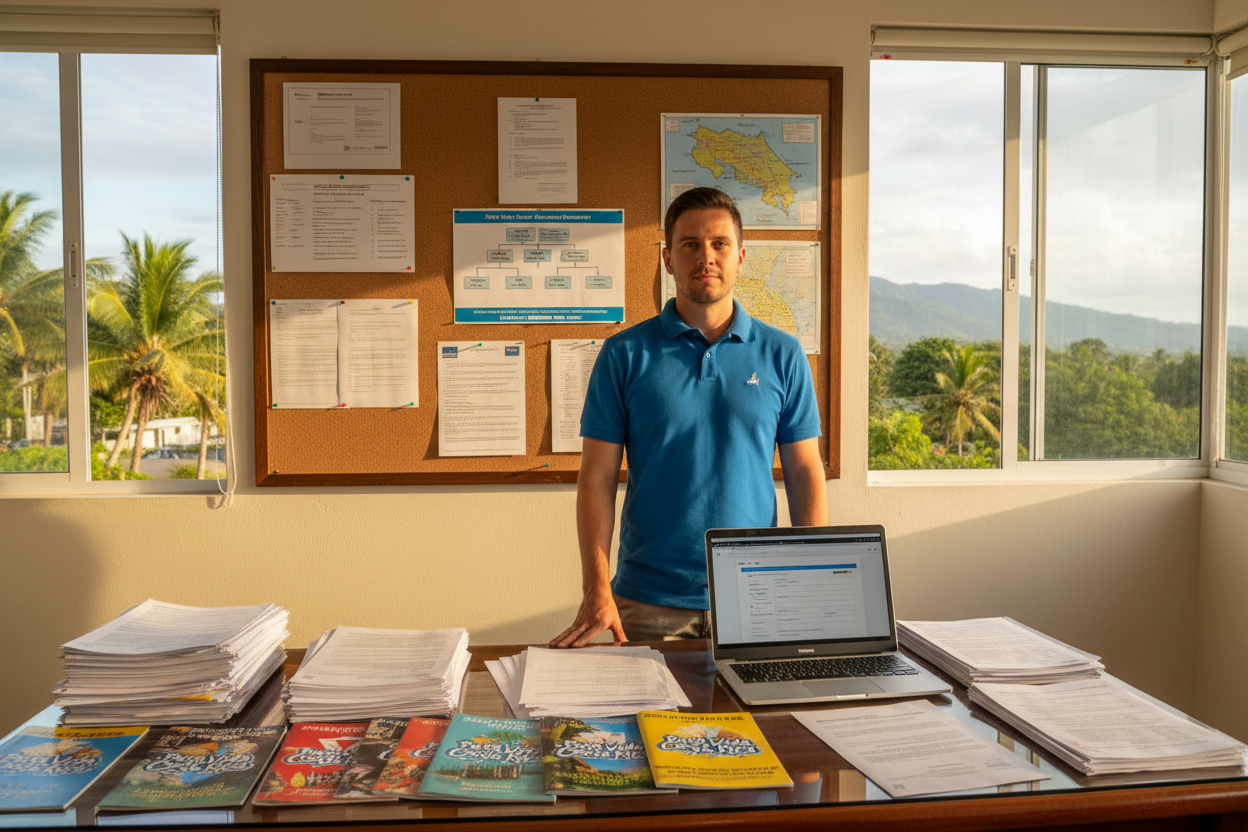
The dream of a life in Costa Rica is powerful. Imagine waking up to breathtaking beaches, exploring lush rainforests, and embracing the famous “pura vida” lifestyle. For many Americans, this Central American nation represents an ideal change of pace.
Turning that dream into a legal reality, however, requires a clear and structured plan. The path to establishing your life here involves specific legal steps that must be followed correctly.
We believe in transparency. The immigration process can be complex, with common pitfalls that delay many well-intentioned expats. That’s why we’ve created this comprehensive roadmap.
Our guide is built on current laws and practical experience. We’ll walk you through the various residency pathways available—whether you’re a retiree, investor, or digital nomad.
A successful application starts long before you arrive. Proper preparation from home, gathering the necessary documents, is your first critical step. Let’s begin this journey together.
Overview of Costa Rica Residency (Residencia)
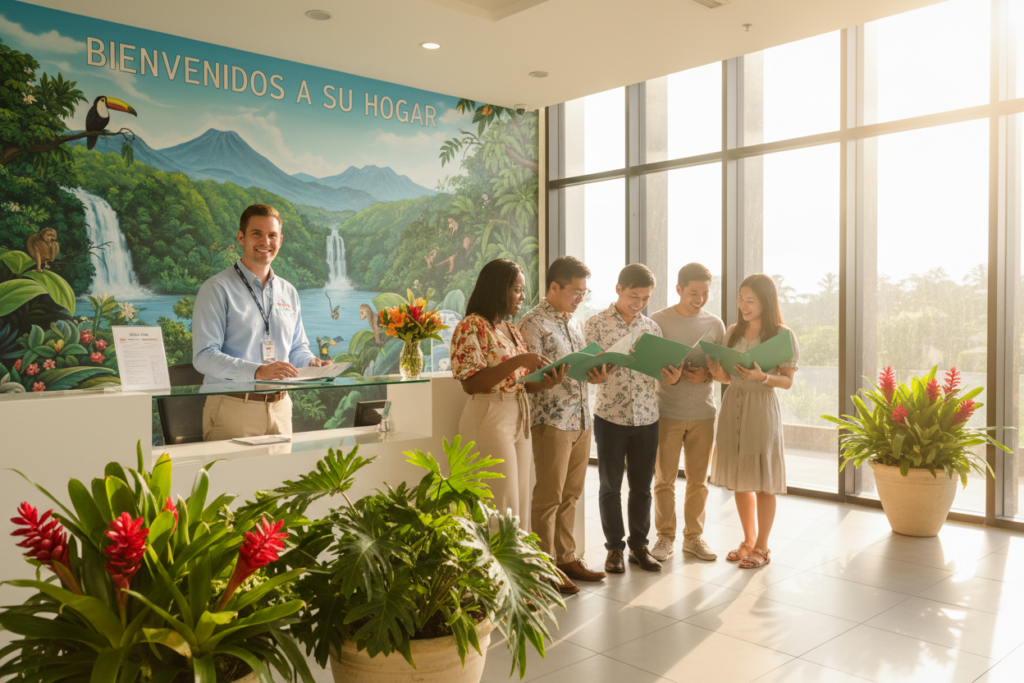
The foundation for a long-term life in Costa Rica is built upon its system of temporary and permanent residency permits. Grasping this structure is your first step toward a stable legal future here.
Understanding Temporary vs. Permanent Residency
Most newcomers begin with a temporary residency permit. This status is typically valid for two years and requires renewal to maintain your legal standing.
After maintaining this temporary status for three years, you become eligible to apply for permanent residency. This permanent status offers greater long-term stability and significantly fewer administrative renewals.
Key Benefits for Expats
Securing your residency opens the door to the renowned “pura vida” lifestyle. This means embracing a slower pace amidst incredible natural beauty.
Understanding this distinction between temporary and permanent categories is essential. It shapes your planning for the initial years and your potential path forward in the country.
We help you navigate these status changes, ensuring you meet all necessary criteria from the start.
Eligibility and Qualifications for Residency

Qualifying for residency in Costa Rica hinges on meeting specific economic criteria. Your ability to prove financial self-sufficiency is the primary factor immigration authorities consider.
Who Qualifies for Costa Rica Residency?
Eligibility here is not based on profession or family ties for most applicants. Instead, it centers on verifiable income or capital investment.
The government designed these pathways to ensure newcomers can support themselves without local employment.
Income and Investment Thresholds
The Pensionado program requires a stable lifetime pension of at least $1,000 monthly. For non-retirees, the Rentista category demands proof of a guaranteed $2,500 monthly income for two years.
Investors qualify by committing $150,000 into approved projects or assets.
These financial requirements are strictly enforced. You must provide authenticated documentation from your home country.
We assist in evaluating which category aligns with your finances. This ensures you meet all criteria before applying.
Detailed Residency Categories in Costa Rica
Understanding the detailed residency categories is crucial for selecting the right legal pathway. Costa Rica offers three primary programs, each with distinct financial requirements.
Pensionado (Pensionado): US$1,000+/month Pension
The Pensionado program is designed for retirees. It requires proof of a guaranteed lifetime pension of at least $1,000 per month.
This stable income must come from a recognized source like a government or company pension.
Rentista (Rentista): US$2,500/month Income for Two Years
If you are not retired, the Rentista category may be your path. It requires demonstrating a guaranteed monthly income of $2,500.
This income must be verified and guaranteed for a minimum period of two years.
Investor (Inversionista): Minimum US$150,000 Investment
The Investor program requires a minimum capital commitment of $150,000. This investment must be made in approved Costa Rican assets or businesses.
The investment must be held in your personal name to qualify. We help clarify which investments meet the official criteria.
Each program has specific documentation needs. Choosing correctly aligns your finances with your long-term goals in the country.
how-to-get-residency-costa-rica: Navigating the Application Process
Understanding how to get residency in Costa Rica involves navigating this official process with precision. This phase turns your plans into formal petitions to the immigration authorities.
We must clarify an important point upfront. The Digital Nomad visa in Costa Rica is a separate permit—it is not a residency category. It does not count toward permanent status or citizenship. If you hold this visa, the closest pathways are the Rentista or Pensionado programs.
Step-by-Step Application Overview
Your application begins with confirming eligibility under a specific category. Next, you must gather and authenticate all required documents from your home country.
We guide you through each phase, ensuring your paperwork is complete. Proper submission to the correct office is vital to avoid delays.
Following this structured approach helps you manage the system’s complexities. It moves you closer to your goal of living in Costa Rica.
Preparing Your Documents: Apostilles and Translations
We always advise our clients that the most critical work for residency begins long before they submit their application. This document preparation phase is where many well-intentioned plans encounter avoidable delays.
Immigration authorities here are strict about formatting and authentication requirements. Starting this process from your home country is essential for a smooth path forward.
Essential Document Checklist
We provide a comprehensive checklist to ensure you have every necessary item. This tool helps you organize vital records like your birth certificate and FBI background check.
Having these documents fully prepared before you arrive in Costa Rica is a major advantage. It saves valuable time and significantly reduces administrative stress during your application.
Proper Legalization and Translation Requirements
Meeting Costa Rica’s legal standards is a two-step process. First, every required form must receive an apostille from the US Department of State.
Second, these apostilled papers must be translated into Spanish. This translation must be completed by an officially authorized translator within Costa Rica.
Failing these specific steps is a top reason for application delays. We recommend building extra time into your schedule for this mandatory authentication process.
Step-by-Step Guide to Filing Your Application
You have two primary options for where to file your residency petition: locally in Costa Rica or from your home country. This step transforms your prepared documents into an official filing with the immigration system.
Filing at DGME vs. Costa Rican Consulate
You can submit your paperwork in person at the DGME immigration offices within Costa Rica. Alternatively, you may file through an official Costa Rican consulate in your home country before you move.
Each path has its own procedural nuances. We help you coordinate with the correct authorities based on your location and timeline.
Ensuring Your Application is Complete
A complete submission is vital. Any missing item, like a bank statement or background check, can trigger significant processing delays.
We verify every document is included and formatted correctly. Our oversight aims for a perfect first-time filing that meets all legal standards.
This careful management helps you maintain compliance throughout the entire process.
Timeline and Expectations During the Process
One of the most common questions we receive concerns the waiting period after submitting a residency application. Setting a realistic expectation for this time is crucial for your peace of mind and practical planning.
Understanding the 3-12 Month Processing Window
The residency process in Costa Rica typically takes between three and twelve months. This wide range depends on your specific category and the current workload at the immigration office.
Administrative timelines can fluctuate based on the volume of applications. Patience is a key component, as these delays are a normal part of the system.
Managing Your Expectations
We provide realistic updates throughout the time your file is under review. This helps you stay informed and prepared for each next step.
While waiting for approval, you must maintain your legal tourist status. Our goal is to ensure you have a clear understanding of the timeline, allowing you to plan your move with confidence. For a deeper look at these stages, we recommend understanding the Costa Rica immigration application.
Avoiding Common Pitfalls in Your Residency Application
The difference between approval and a frustrating delay frequently lies in anticipating typical application pitfalls. We see many applicants encounter the same avoidable errors.
Learning from these common mistakes can save you significant time and stress. A proactive approach is your best defense against administrative hurdles.
Frequent Application Mistakes
Submitting an expired background check is a top error. Immigration authorities in Costa Rica require all documents to be current.
Another critical misstep is overstaying your tourist visa. You must maintain legal status while your residency application is pending.
Improperly apostilled papers also cause major delays. Every document must follow strict authentication rules.
Tips to Stay Organized
We recommend a single, dedicated folder for all original documents. Keep your translations, receipts, and copies in one place.
This organization lets you respond quickly to any request from officials. Staying on top of the process prevents last-minute scrambles.
We provide clear checklists and reminders to help you avoid these frequent errors. Our guidance aims to keep your path to residency smooth and compliant.
Starting from Home: Preparing Documentation Before Arrival
Successfully establishing your life in Costa Rica hinges on a critical phase that occurs long before you pack your bags. The most effective strategy is to complete all document preparation from your home country.
Gathering necessary papers after you arrive can be difficult and stressful. We recommend you prepare every required form and obtain all apostilles before considering your move.
Having your documents ready saves significant time. It prevents the need for costly and complicated international courier services later on.
We guide you through the specific requirements for each item. Our experience ensures everything is in perfect order before your journey begins.
Proper preparation at home is the foundation of a smooth transition. It allows you to focus on your new life rather than administrative hurdles.
By taking these steps early, you demonstrate commitment to the process. This increases the likelihood of a timely approval for your residency in Costa Rica.
Understanding Legal and Immigration Nuances in Costa Rica
Beyond the initial application, long-term success in Costa Rica depends on understanding ongoing legal obligations. The immigration system here has subtle rules that directly impact your legal status.
These nuances are not always obvious from official forms. They require careful interpretation to ensure full compliance over time.
Working with Immigration Experts
We believe experienced guidance is invaluable. Professionals help you navigate the ever-changing laws and regulations of the country.
This partnership ensures you remain in compliance throughout the entire residency process. It transforms a complex system into a manageable path.
Legal Considerations and Compliance
Compliance is not just about your initial application. It is about securing your ongoing right to live in Costa Rica legally.
Our team provides the necessary legal oversight. We interpret requirements and protect your interests, giving you clarity and peace of mind for your future here.
Leveraging Official Resources for Guidance
Your most reliable partner in the residency process is the official information published by the government itself. We guide our clients to treat these primary sources as their first point of reference.
Consulting the Dirección General de Migración y Extranjería website is essential. This ensures you are working with the latest rules and requirements for the immigration system.
Relying on unofficial advice can lead to costly errors and delays. Official guidance provides the accurate foundation needed for a successful application.
Our team continuously monitors all regulatory updates from these channels. This allows us to provide advice that is always current and aligned with state standards.
Using these resources empowers you with knowledge for your future in Costa Rica. For a comprehensive look at all options, we recommend our detailed permanent residency guide.
We are committed to transparency. Our role is to help you navigate the official channels that govern your legal status, saving you time and ensuring clarity.
Connecting with CRIE and Official Authorities
Your journey toward establishing a legal life in this country benefits immensely from professional guidance and official information. Knowing where to find accurate support streamlines the entire residency process.
Contacting CRIE at crie.cr
For professional assistance with your residency application, connect with CRIE. They specialize in Costa Rica immigration and offer expert navigation of the local system.
Their team helps manage document preparation, bank letter verification, and filing procedures. You can reach them via WhatsApp at +506 8706 3888 or email info@crie.cr.
Reference: migracion.go.cr for Official Updates
We recommend using migracion.go.cr as your primary reference for all official updates. This government site provides the latest laws and procedural requirements.
Connecting with these resources provides a comprehensive support network. It ensures you have the clarity needed to pursue your residency goals in Costa Rica successfully.
Adapting to the Costa Rican Lifestyle Post-Residency
Adapting to life as a legal resident involves key systems, most notably the national healthcare framework. Your transition focuses on practical daily living rather than legal paperwork.
Understanding the local infrastructure is your first step toward a stable, integrated life in Costa Rica.
Housing, Healthcare, and Local Adjustments
A central part of living here is enrolling in the Caja Costarricense de Seguro Social (CCSS). This universal healthcare system requires monthly contributions based on your declared income.
The Caja Costarricense de Seguro Social provides comprehensive medical coverage for residents. We help you understand the enrollment process to ensure you have access to care.
Adjusting your lifestyle also means finding suitable housing and connecting with your community. This integration is key to enjoying the authentic pura vida experience in Costa Rica.
For retirees, this phase includes specific steps outlined in our retiree residency process guide. Our guidance prepares you for all practical aspects of living in this beautiful country.
Navigating US Tax Considerations When Moving to Costa Rica
A crucial financial consideration for Americans moving abroad is understanding their ongoing tax obligations. Your residency status here does not eliminate your filing requirements with the IRS.
We help clarify this complex landscape. Costa Rica operates on a territorial tax system—you generally only pay local tax on income earned within the country.
Understanding International Tax Obligations
However, U.S. citizens must pay taxes on worldwide income regardless of where they live. This creates a dual reporting responsibility that requires careful management.
Understanding the interaction between these two systems is essential for your financial planning.
Maintaining US Financial Compliance
We emphasize the importance of maintaining full U.S. financial compliance. This includes correctly reporting all foreign income and managing your bank accounts to avoid penalties.
Proper planning ensures you stay compliant while enjoying your new life abroad.
FAQ
What is the most straightforward residency category for a retiree?
The Pensionado visa is often the simplest path. It requires proof of a guaranteed lifetime pension of at least
FAQ
What is the most straightforward residency category for a retiree?
The Pensionado visa is often the simplest path. It requires proof of a guaranteed lifetime pension of at least $1,000 per month. This status grants you full residency and access to the country’s healthcare system.
Can I work in Costa Rica with temporary residency?
No, standard temporary residency statuses like Pensionado or Rentista do not grant work permission. To work legally, you must secure a job offer from a Costa Rican company that sponsors your work permit—a separate and more complex process.
How long does the residency application process typically take?
You should plan for a processing time of 3 to 12 months. The timeline varies based on your application category, the completeness of your documents, and the current caseload at the DGME immigration authority. Patience and perfect paperwork are key.
Do I need to use a local lawyer for my application?
While not legally mandatory, we strongly recommend it. A qualified immigration attorney understands the nuanced requirements, ensures your documents are properly apostilled and translated, and can navigate the DGME system efficiently, preventing costly delays or rejections.
What are the tax implications of becoming a resident?
Costa Rica taxes income sourced within the country. Your worldwide income is not taxed. However, U.S. citizens and green card holders must continue filing U.S. tax returns regardless. We advise consulting a cross-border tax specialist to understand your full obligations.
How do I access the public healthcare system, the Caja Costarricense de Seguro Social?
Once your residency is approved, you must register with the Caja. You’ll pay into the system based on your declared monthly income. This provides comprehensive medical care. Many residents also maintain private insurance for faster access to specialists.
Is there a residency option based on remote work income?
A> Yes, Costa Rica offers a Digital Nomad Visa. It requires proof of a stable remote income of at least $3,000 per month (or $4,000 with dependents). This is a temporary permit, not a path to permanent residency, but it allows you to live and work remotely in the country legally for one or two years.
Can my application be denied, and what happens then?
A> Yes, applications are often denied for incomplete documentation, insufficient financial proof, or legal issues on background checks. You typically have a window to appeal or correct the deficiency. Working with an expert from the start significantly mitigates this risk.
,000 per month. This status grants you full residency and access to the country’s healthcare system.
Can I work in Costa Rica with temporary residency?
No, standard temporary residency statuses like Pensionado or Rentista do not grant work permission. To work legally, you must secure a job offer from a Costa Rican company that sponsors your work permit—a separate and more complex process.
How long does the residency application process typically take?
You should plan for a processing time of 3 to 12 months. The timeline varies based on your application category, the completeness of your documents, and the current caseload at the DGME immigration authority. Patience and perfect paperwork are key.
Do I need to use a local lawyer for my application?
While not legally mandatory, we strongly recommend it. A qualified immigration attorney understands the nuanced requirements, ensures your documents are properly apostilled and translated, and can navigate the DGME system efficiently, preventing costly delays or rejections.
What are the tax implications of becoming a resident?
Costa Rica taxes income sourced within the country. Your worldwide income is not taxed. However, U.S. citizens and green card holders must continue filing U.S. tax returns regardless. We advise consulting a cross-border tax specialist to understand your full obligations.
How do I access the public healthcare system, the Caja Costarricense de Seguro Social?
Once your residency is approved, you must register with the Caja. You’ll pay into the system based on your declared monthly income. This provides comprehensive medical care. Many residents also maintain private insurance for faster access to specialists.
Is there a residency option based on remote work income?
A> Yes, Costa Rica offers a Digital Nomad Visa. It requires proof of a stable remote income of at least ,000 per month (or ,000 with dependents). This is a temporary permit, not a path to permanent residency, but it allows you to live and work remotely in the country legally for one or two years.
Can my application be denied, and what happens then?
A> Yes, applications are often denied for incomplete documentation, insufficient financial proof, or legal issues on background checks. You typically have a window to appeal or correct the deficiency. Working with an expert from the start significantly mitigates this risk.
Article by Glenn Tellier (Founder of CRIE and Grupo Gap)
Don't wait, contact us right now!
Call or WhatsApp Costa Rica +506 8373 2085 or +506 8706 3888
Call USA/Canada +1 305-906-6784