
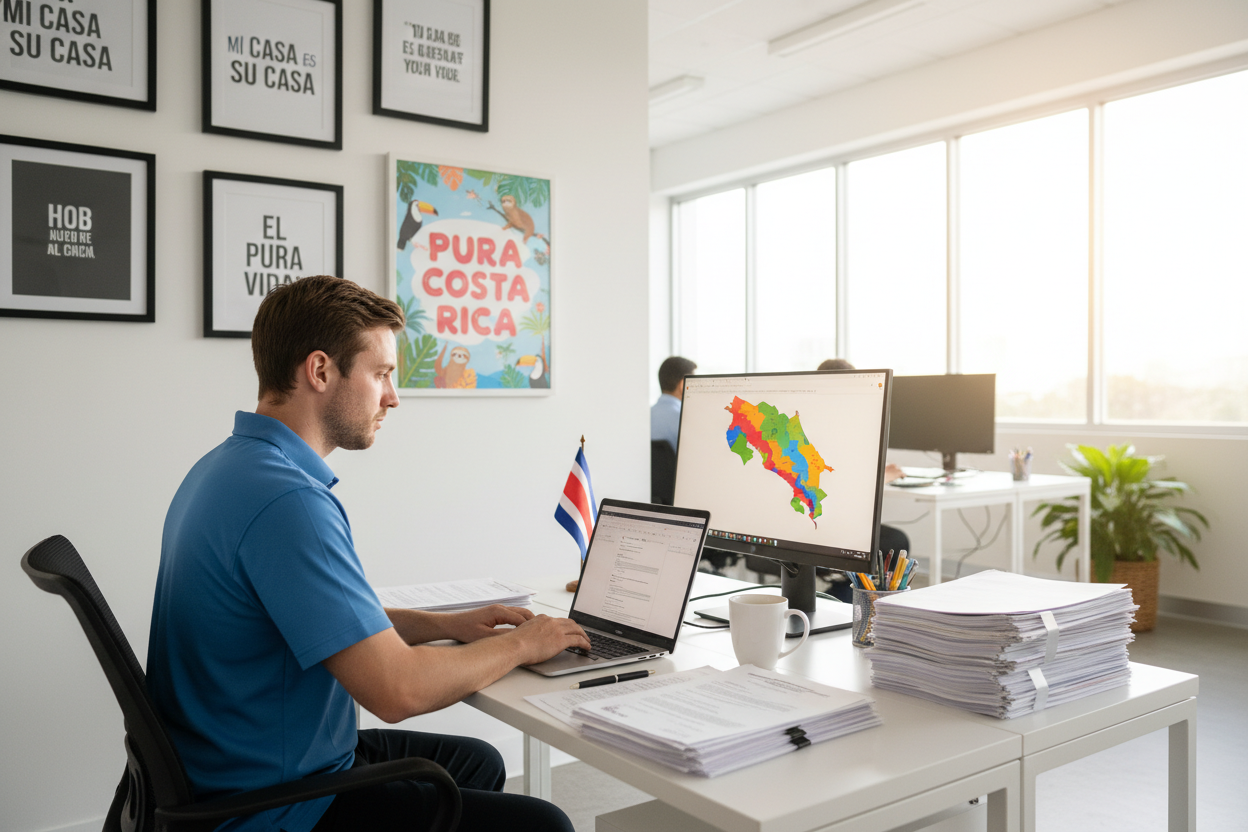
Navigating the immigration landscape for residency requires meticulous attention to detail. Your official paperwork forms the foundation of your application.
We serve as your experienced guides at CRIE. Our goal is to help you understand that the path to legal status begins long before you arrive.
Starting your preparation from home is the most effective strategy. This proactive approach helps avoid frustrating delays and ensures a smoother transition.
Our team specializes in streamlining complex requirements. We ensure your documentation—including translation and certification—meets the strict standards of local authorities in Costa Rica.
Please reach out to us via WhatsApp at +506 8706 3888 or email info@crie.cr to begin. You can also review our common questions for immediate insights.
Understanding Costa Rica Residency and Eligibility (CRIE)
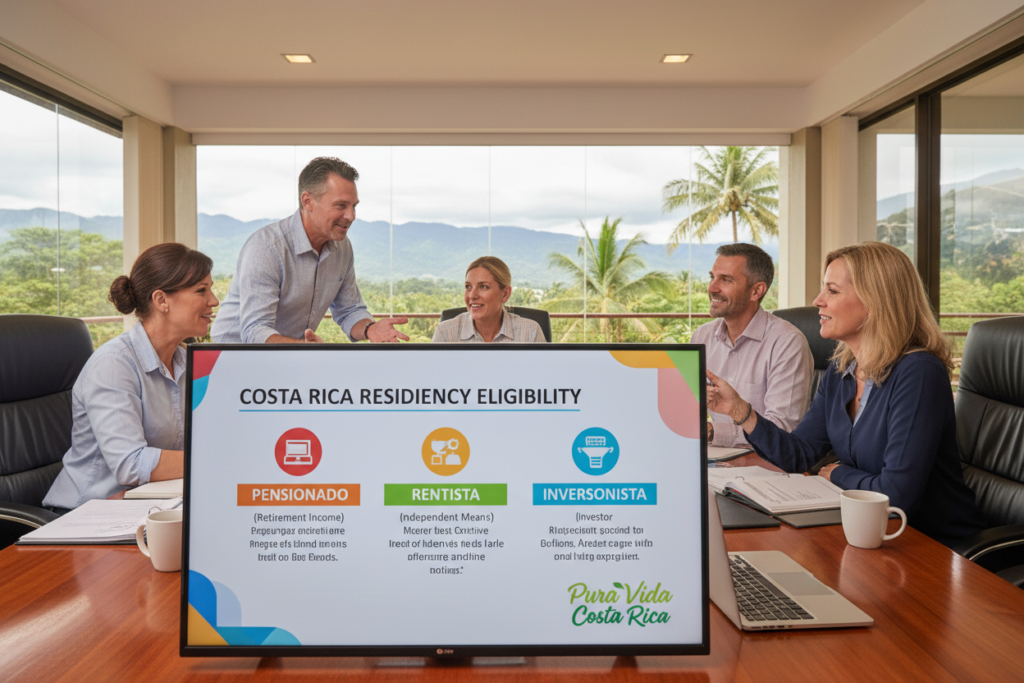
Your first step toward residency is confirming which specific immigration category aligns with your financial profile. The primary pathways are designed for retirees, those with stable income, and investors.
Who Qualifies: Pensionado (Pensionado), Rentista (Rentista), Inversionista (Investor)
The Pensionado category is for retirees. You must prove a lifetime pension of at least $1,000 monthly.
Rentista status suits individuals with reliable income. It requires demonstrating $2,500 per month for two years.
The Inversionista, or Investor, route demands a minimum commitment of $150,000. This investment must be held in your personal name.
Key Residency Requirements and Thresholds
It’s crucial to know the Digital Nomad visa is a separate permit. It does not grant residency or count toward citizenship.
We always advise clients to verify the latest figures on the official government site. A professional immigration interview can also clarify these thresholds for your specific case.
Document Preparation and Certified Translation Essentials

Accurate document translation and certification form the legal backbone of your application. This stage is where many applications face delays due to minor oversights.
We ensure every piece of your paperwork meets the exacting standards of local authorities. This process involves two critical steps: obtaining an apostille and securing a certified translation.
Required Documents and Apostille/Translation Needs
Your birth certificate, marriage license, and criminal record must be apostilled in their country of origin. This international certification is a mandatory first step.
After apostille, a professional translator appointed by the Ministry of Foreign Affairs of Costa Rica must handle the official translation. Only these authorized translations are legally recognized for residency.
Certified Translation vs. Non-Certified Options
A simple, non-certified translation is not valid for government submissions. You need a certified translation that includes the translator’s official seal and signature.
Our partner, Felipe, brings over 15 years of experience to this precise work. We offer a transparent price of $0.07 USD per word for this essential service.
We manage the turnaround time to fit your schedule, whether you need a digital copy or physical documents. For specific needs like a passport copy or visa page legalization, we provide a formal quote.
Proper legalization of your documents is as crucial as having a valid Costa Rica Immigration Power of Attorney. It protects your business and personal interests in the country.
The Step-by-Step Process for Your CRIE Residency Application
Following a structured step-by-step approach significantly reduces the risk of errors in your residency submission. We guide you through each phase, transforming a complex procedure into a clear, manageable checklist.
Preparing Your Documents at Home
Begin by gathering every required certificate and a clear passport copy while still in your home country. This proactive step avoids last-minute scrambles and postal delays.
Submit a digital copy of your paperwork to us for a preliminary price review. This allows us to provide a firm quote and streamlines the entire workflow from the start.
Timelines and Crucial Deadlines
We prioritize a fast turnaround to keep your application timeline on track. For instance, a standard one-page document translation is typically completed within two business days.
Our team handles the professional certified translation of your documents. We ensure every page meets the strict requirements set by the immigration department.
This meticulous attention to detail—from initial certificate collection to final certified translations—ensures your submission is accurate and ready for official review without delay.
translate-documents-costa-rica: Avoiding Common Pitfalls and Mistakes
Over years of experience, we’ve identified the most frequent mistakes that derail residency applications. Steering clear of these errors is the final, crucial step before submission.
Common Translation and Certification Errors to Avoid
Using an unqualified translator is a top error. We’ve helped 6,602 clients avoid this. Your birth certificate needs an apostille first, followed by a certified translation.
Submitting an expired passport copy is another common oversight. This simple mistake can halt your entire visa process. We adhere strictly to Executive Order #231-2019-DJ-RE for all certified translations.
Tips for a Smooth Application Process
Always request a transparent quote for your translation needs upfront. Knowing the full price prevents surprises and aligns with your business planning.
Trust only authorized certified translations for official submissions. Our team’s dedication is real—we’ve consumed 12,840 cups of coffee perfecting our turnaround. This care ensures your documents are handled precisely for final review.
Your Final Steps to Secure Costa Rica Residency
Completing your application successfully hinges on a thorough final check of every translated document. We recommend a meticulous review of each certified translation and certificate. This ensures no item is overlooked before submission.
Please keep a secure digital copy of all your finalized translations for personal records. This copy provides an easy reference for future needs regarding your residency status.
Our team remains your dedicated resource for any final questions. We can clarify the ongoing validity of your translated paperwork or application details.
Contact us via WhatsApp at +506 8706 3888 or email info@crie.cr. Let us confirm your file is fully prepared for the immigration authorities.
We are committed to providing the professional support you need. Our goal is to guide you smoothly through the last phase of securing legal residency.
FAQ
What is the difference between a certified and a non-certified translation for my residency application?
A certified translation includes a signed statement from the translator attesting to its accuracy and completeness—this is a legal requirement for Costa Rican immigration. A non-certified version is just a direct translation without that formal guarantee. For official processes like your CRIE application, only certified translations from a recognized provider will be accepted by authorities.
How long does it typically take to get documents translated and apostilled?
The timeline varies, but you should plan for 2-4 weeks for the entire document preparation chain. The apostille process in your home country can take several business days. The certified translation itself is often faster—we usually complete these within 48 hours of receiving clear document copies. The key is to start early to avoid last-minute delays that could impact your application deadlines.
Do all my documents for the pensionado or rentista visa need an apostille?
Yes, nearly all documents originating outside Costa Rica require both an apostille (or legalization) and a subsequent certified translation. This includes your birth certificate, marriage certificate, proof of income or pension, and police background checks. The apostille verifies the document’s authenticity for international use, and the translation makes it legally valid here.
Can I translate the documents myself to save money?
We strongly advise against self-translation for official immigration purposes. Costa Rican law requires translations to be certified by a professional translator or a recognized translation company registered here. Self-translated documents will be rejected, causing significant setbacks and potentially requiring you to restart parts of the application process.
What’s the most common error people make with their document preparation?
The most frequent mistake is submitting outdated or incomplete documents. For instance, a background check that is more than six months old at the time of submission, or a bank letter that doesn’t meet the specific format and content requirements for the rentista visa. Another common pitfall is not obtaining the apostille before the translation—the process must be done in that specific order.
What happens if there’s a minor error in my certified translation?
Even small discrepancies—like a middle name spelled slightly differently or a date format mismatch—can lead to requests for correction from immigration, which halts your application. We implement a rigorous quality-check process to catch these issues before submission. If an error is found later, the translated page must be redone and re-certified, which incurs additional time and cost.
Is the process different for an investor (inversionista) residency application?
The core document authentication and translation requirements are similar. However, the inversionista category requires specific, additional proof of your investment in Costa Rica, such as property titles or business registration documents from the National Registry. These local documents also need to be prepared and often translated into English for your own records, though they don’t require an apostille.
Article by Glenn Tellier (Founder of CRIE and Grupo Gap)
Don't wait, contact us right now!
Call or WhatsApp Costa Rica +506 8373 2085 or +506 8706 3888
Call USA/Canada +1 305-906-6784