

Moving to this beautiful Central American nation is a dream for many. The path to making it your home, however, is a formal, government-regulated legal process. We guide you through that landscape to set realistic expectations from the start.
The most effective strategy begins at home. Preparing your apostilled documents in advance is the key to avoiding significant delays. Our team at CRIE (crie.cr) provides the expertise to navigate these complex requirements.
This process is governed by specific laws—like Law 9996, passed in 2021 to attract foreign capital. The Dirección General de Migración y Extranjería manages all residency applications. It’s crucial to understand there is no “golden visa” for automatic citizenship.
A clear understanding of the specific financial thresholds is non-negotiable. We emphasize following the official guidelines at migracion.go.cr for legal precision. Our goal is to provide transparent, fact-based information to help you plan your investment wisely.
Transitioning from a temporary to a long-term status requires careful steps. We are here to help you avoid common pitfalls and build a solid foundation for your new life.
Overview of Costa Rica’s Investor Residency Path
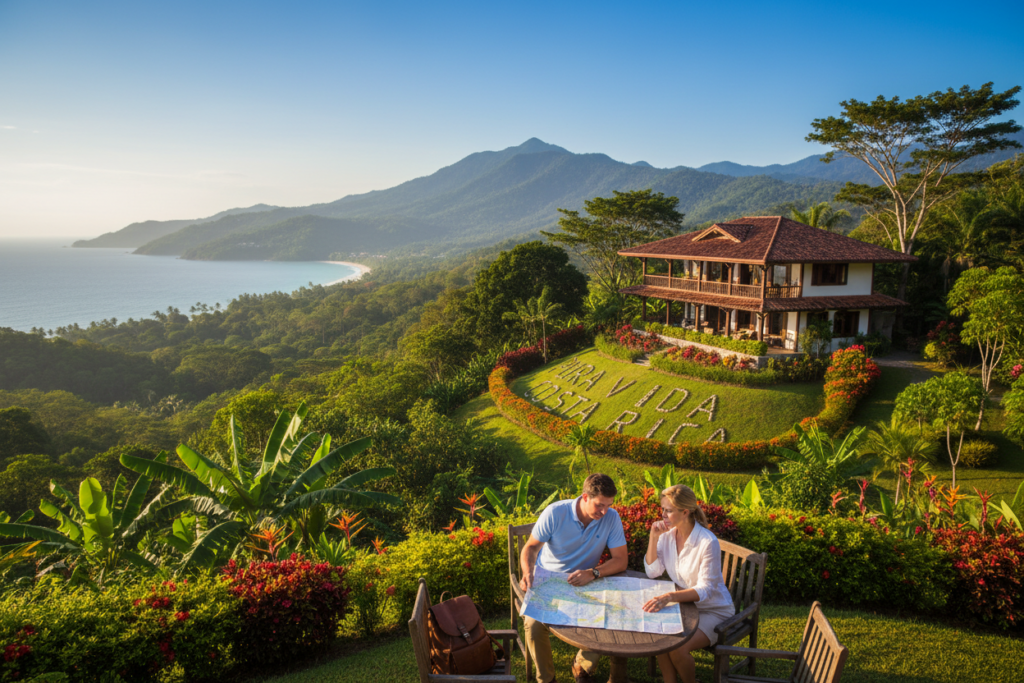
For those looking to plant roots abroad, understanding the specific immigration categories is the first critical step. The residency landscape here is diverse, offering programs like the Inversionista category for those making a significant economic contribution.
It is vital to know that a Digital Nomad visa is a separate permit. It does not grant resident status or count toward citizenship.
Understanding the Residency Landscape (Residencia)
This nation’s program begins as a temporary status. It is designed for individuals who wish to establish a long-term presence, not just visit for a few months.
With a stable democracy and a growing economy, this pathway can later lead to permanent status. We help you distinguish between these stages to align with your goals.
Why Choose Costa Rica for Your Investment
Choosing this country for your capital infusion is a strategic move. The political environment is stable, and the quality of life is high.
The program grants you the legal right to live here while managing your assets. For a smooth transition, explore our guide on relocating to Costa Rica from the.
Who Qualifies for Investor Residency (Inversionista)
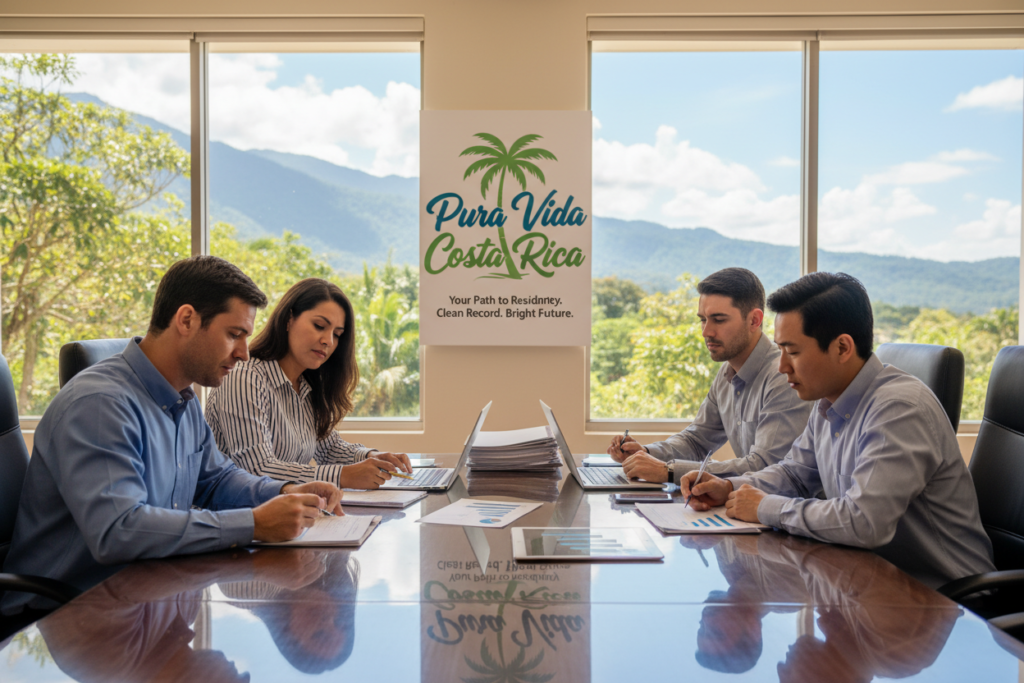
A clean legal history and a substantial financial commitment form the bedrock of the Inversionista eligibility. This program is designed for individuals who can demonstrate a genuine, registered contribution to the local economy.
Eligibility Requirements and Clean Record
The foundational step involves presenting a police clearance certificate from your home country. This document must be apostilled—a critical legalization step—before you arrive.
You also need a valid passport with at least six months of remaining validity. These personal documents establish your good standing.
Beyond personal integrity, you must prove your capital infusion is active and registered with the proper authorities. The government requires clear evidence of this economic participation.
We help verify that your paperwork meets the strict standards set by immigration officials. Maintaining a spotless legal record is essential, as any compliance issues can jeopardize your application.
Document Preparation and Legalization Essentials
Before any financial commitment is considered, your paperwork must be impeccably organized and legalized. This phase is often the most technical part of the entire immigration procedure. We guide you through it to prevent unnecessary holdups.
Apostilles, Translations, and Certification
Every official record from outside the country requires an apostille. This international certification validates the document’s origin. Without it, your forms will not be accepted by the authorities.
Furthermore, any paper not in Spanish needs an official translation. A certified translator within the nation must complete this work. Submitting documents in English alone will cause a rejection.
Failing to secure proper authentication leads to significant delays. The immigration office mandates absolute accuracy in all submissions. Starting this meticulous task early is our strongest recommendation.
Organizing your files before departure streamlines the submission. It reduces stress and builds a solid foundation for your case. Proper preparation here sets the tone for a smooth transition.
Breaking Down Investment Thresholds for Residency
Law 9996 establishes a clear monetary floor for those seeking to establish roots through investment. Understanding this financial benchmark is crucial for planning your move.
Minimum Investment: US$150,000 for Inversionista
The legislation sets the minimum capital infusion at US$150,000 for qualifying assets. This is a non-negotiable starting point for your application.
If you use real estate, it must be titled in your personal name. Registration at the Registro Nacional is mandatory to prove ownership.
We help ensure your asset meets all legal standards. You must also show proof that the funds entered the country via official banking channels.
Should you wish to change your qualifying asset later, it is possible. Any replacement must meet the same US$150,000 requirement set by the government.
Comparing Residency Categories – Pensionado, Rentista, and More
Beyond the investment route, several other programs cater to individuals with stable, recurring revenue streams. These options provide a legal pathway for those who meet specific monthly income thresholds.
Understanding which category fits your financial profile is essential. We help you evaluate these different paths to determine the best fit for your situation.
Income Requirements for Pensionado (US$1,000+/month)
The Pensionado program is designed for retirees. You must prove a guaranteed pension of at least US$1,000 each month.
This income must come from a recognized source, like a government or corporate retirement plan. It offers a popular way to gain legal status in Costa Rica.
Stable Income Criteria for Rentista (US$2,500/month)
For those without a formal pension, the Rentista category is an alternative. It requires proof of a stable monthly income of US$2,500.
You must demonstrate this income will continue for a minimum of two years. Bank statements or investment income can serve as evidence.
Choosing the right category is vital. The rules for Pensionado and Rentista differ significantly from the investment path.
Each has unique documentation needs. We ensure you understand the specific requirements for your Costa Rican residency application.
Costa Rica Investor Residency Fees and Associated Costs
The total expense of securing your legal status extends well beyond the headline investment figure. A realistic budget must account for several mandatory government charges and professional services.
You will encounter specific administrative fees during the process. These include a required application deposit and a separate charge for your official identification card.
Additional outlays cover document authentication and official Spanish translations. Engaging expert guidance to manage your submission is a prudent step to avoid errors.
Once approved, you are obligated to make regular monthly payments into the national social security system. These contributions are based on your declared income.
Understanding this complete financial picture is crucial for effective planning. It ensures no surprises and supports a seamless transition to your new life.
Step-by-Step Guide to Submitting Your Application
The submission phase is where preparation meets procedure, turning documents into a formal request. This guide walks you through the key actions required to file your case successfully.
Gathering and Legalizing Your Documents
Your first task is to compile every required record. This includes apostilled birth certificates, marriage licenses, and police clearances.
Any document not in Spanish must have an official translation. We verify this authentication is complete before you proceed. Organized paperwork is the foundation of a smooth submission.
Consular Registration and Submitting Forms
A mandatory step is registering at a Costa Rican consulate in your home country. This consular registration formally records your intent to reside here.
Next, you file the complete package with the Dirección General de Migración y Extranjería. You will receive an official receipt upon filing. This document allows you to remain in Costa Rica legally while your case is reviewed.
A formal letter of request in Spanish is a required part of the application. We assist in drafting this crucial document to meet all legal standards.
After approval, you must enroll in the CCSS social security system. Only then can you receive your official DIMEX identification card. This card is your proof of legal resident status.
Our team manages each step, from initial submission to biometric data collection. We ensure your process follows all local laws and procedures.
Essential Tips to Avoid Common Application Mistakes
We see the same avoidable mistakes repeatedly derail applications that otherwise meet the core criteria. These errors often stem from misinformation or a simple lack of detailed guidance. Understanding these pitfalls beforehand is your best defense.
The most frequent cause for delay is submitting an incomplete file. Missing an apostille or an official Spanish translation will stop your process immediately. Authorities require absolute precision with every document you provide.
You must also keep your qualifying capital infusion active and properly registered. A common error is using a corporate structure to hold the asset, which is no longer accepted for this pathway. Failing to maintain the investment can lead to the revocation of your status.
We strongly advise against relying on outdated online guides. Government rules are frequently updated. Partnering with experienced professionals helps you navigate these changes smoothly. This approach avoids the delays that often frustrate foreign investors.
Attention to these details is not optional—it’s fundamental for a successful outcome. Careful planning and expert support turn a complex process into a manageable journey.
Maintaining Residency: Presence and Ongoing Obligations
Holding residency status requires more than initial approval—it demands ongoing attention to specific regulations. Your legal standing depends on consistent compliance with several key requirements. We guide you through these post-approval responsibilities to ensure your transition remains smooth.
Minimum Stay Requirements and Regular Documentation
You must visit the country at least once every year to keep your records active. This physical presence demonstrates your commitment to maintaining ties. Immigration authorities monitor entries and exits closely.
Spending over 183 days within a calendar year triggers tax residency under local laws. This designation comes with specific filing obligations. Understanding this threshold helps you plan your time effectively.
Keeping your CCSS social security payments current is mandatory for all residents. These contributions provide access to healthcare services. Regular documentation of your compliance is essential.
We help manage these ongoing duties to ensure you stay compliant. Our support covers both tax and social security requirements. This proactive approach protects your long-term status in Costa Rica.
Transitioning from Temporary to Permanent Residency
Securing your temporary status is a major milestone, but the long-term goal for many is achieving permanent standing. Your initial permit is typically valid for two years and can be renewed. This sets the stage for the next phase of your journey.
Pathway to Citizenship and Long-Term Investment Benefits
After holding temporary residency for three consecutive years, you become eligible to apply for permanent status. This is a significant shift. Once you obtain permanent residency, you gain more flexibility and are no longer tied to the original qualifying asset.
The long-term vision for some leads to citizenship through naturalization. This generally requires seven years of legal residency for most nationalities. Specific backgrounds may qualify after five.
We guide you through this multi-year transition. Our team ensures you maintain all necessary documentation throughout your time in the country. Understanding these long-term benefits is key to navigating the path successfully.
Final Considerations and Next Steps for Your Residency Journey
Taking the final step to secure your future in this stable democracy requires both commitment and expert navigation. This significant life decision benefits from careful planning and the right professional guidance.
We invite you to contact our team at CRIE via WhatsApp at +506 8706 3888 or email info@crie.cr. Let’s discuss your specific goals for establishing a home here.
Remember, your spouse and dependent children under 25 can be included in your application. This allows your entire family to join you in building a new life.
By starting your process now, you secure your future and enjoy the benefits of living in this beautiful nation. We are here to help navigate every step, from your initial investment to receiving your official card.
FAQ
What is the minimum investment required for the Inversionista residency category?
The minimum qualifying investment is US0,000. This capital must be invested in approved assets within the country, such as real estate, business projects, or certain securities, and the investment must be documented and registered with the proper authorities.
How long does the application process typically take?
Processing times can vary, but you should generally expect the procedure to take several months from document submission to approval. The timeline depends on government processing speed, the completeness of your file, and whether you need any corrections.
Can I include my family in my application?
A> Yes, your spouse and dependent children under 25 can be included as dependents on your primary application. You will need to provide additional documentation for each family member, such as marriage and birth certificates, which also require apostille or consular legalization.
What are the main ongoing requirements to maintain temporary residency status?
You must spend at least one day per year physically in the country to keep your file active. Every two years, you must renew your cédula (ID card) and prove you still meet the original program requirements, such as maintaining your investment or stable income.
What is the difference between Pensionado and Rentista residency?
The Pensionado category requires proof of a lifetime pension of at least US
FAQ
What is the minimum investment required for the Inversionista residency category?
The minimum qualifying investment is US$150,000. This capital must be invested in approved assets within the country, such as real estate, business projects, or certain securities, and the investment must be documented and registered with the proper authorities.
How long does the application process typically take?
Processing times can vary, but you should generally expect the procedure to take several months from document submission to approval. The timeline depends on government processing speed, the completeness of your file, and whether you need any corrections.
Can I include my family in my application?
A> Yes, your spouse and dependent children under 25 can be included as dependents on your primary application. You will need to provide additional documentation for each family member, such as marriage and birth certificates, which also require apostille or consular legalization.
What are the main ongoing requirements to maintain temporary residency status?
You must spend at least one day per year physically in the country to keep your file active. Every two years, you must renew your cédula (ID card) and prove you still meet the original program requirements, such as maintaining your investment or stable income.
What is the difference between Pensionado and Rentista residency?
The Pensionado category requires proof of a lifetime pension of at least US$1,000 per month. The Rentista category requires proof of a stable, guaranteed income of US$2,500 per month for at least two years. Both require demonstrating this income through official documentation.
What are the most common reasons applications get delayed or rejected?
The most frequent issues are incomplete documentation, using non-certified translations, missing apostilles on foreign-issued documents, or failing to provide a clear, verifiable paper trail for the source of investment funds or income. A clean criminal background is also mandatory.
When can I apply for permanent residency or citizenship?
You can apply for permanent status after maintaining your temporary residency for three years. The pathway to citizenship typically opens after seven years of legal residency, which includes passing language and culture tests.
,000 per month. The Rentista category requires proof of a stable, guaranteed income of US,500 per month for at least two years. Both require demonstrating this income through official documentation.
What are the most common reasons applications get delayed or rejected?
The most frequent issues are incomplete documentation, using non-certified translations, missing apostilles on foreign-issued documents, or failing to provide a clear, verifiable paper trail for the source of investment funds or income. A clean criminal background is also mandatory.
When can I apply for permanent residency or citizenship?
You can apply for permanent status after maintaining your temporary residency for three years. The pathway to citizenship typically opens after seven years of legal residency, which includes passing language and culture tests.
Article by Glenn Tellier (Founder of CRIE and Grupo Gap)
Don't wait, contact us right now!
Call or WhatsApp Costa Rica +506 8373 2085 or +506 8706 3888
Call USA/Canada +1 305-906-6784