
Importing electronics to Costa Rica in 2025 requires a clear understanding of the country’s customs regulations, tax structure, and recent procedural changes. Whether you’re an expat moving to Costa Rica with your personal devices, a business importing goods for commercial purposes, or a retiree looking to bring your favorite gadgets, navigating the import process can be complex. This comprehensive guide provides all the essential information you need for a successful and hassle-free import experience.
As of 2025, Costa Rica has continued to modernize its customs procedures with the goal of streamlining trade and improving efficiency. However, the system remains intricate, with specific requirements for different types of electronics, a multi-layered tax system, and a new emphasis on digital declarations and inspections. This guide will walk you through every step of the process, from understanding the legal framework to calculating costs and choosing the right shipping methods.
We’ll cover the latest updates on import taxes, including the 13% Value-Added Tax (VAT) and selective consumption taxes, as well as the impact of recent international trade agreements. You’ll learn about the TICA (Tecnología de Información para el Control Aduanero) system, the electronic platform for all customs declarations, and how to navigate its requirements. We’ll also provide practical tips on documentation, packaging, and working with customs brokers to ensure your electronics arrive safely and without unexpected delays or penalties.
With insights from official sources and practical advice for expats, this guide will give you the clarity needed to manage your electronics imports effectively while enjoying the Pura Vida lifestyle. We’ll debunk common misconceptions, clarify the all-important customs rules, and provide a detailed breakdown of the process for both personal and commercial imports.
Understanding Costa Rica’s Customs Authority and Legal Framework
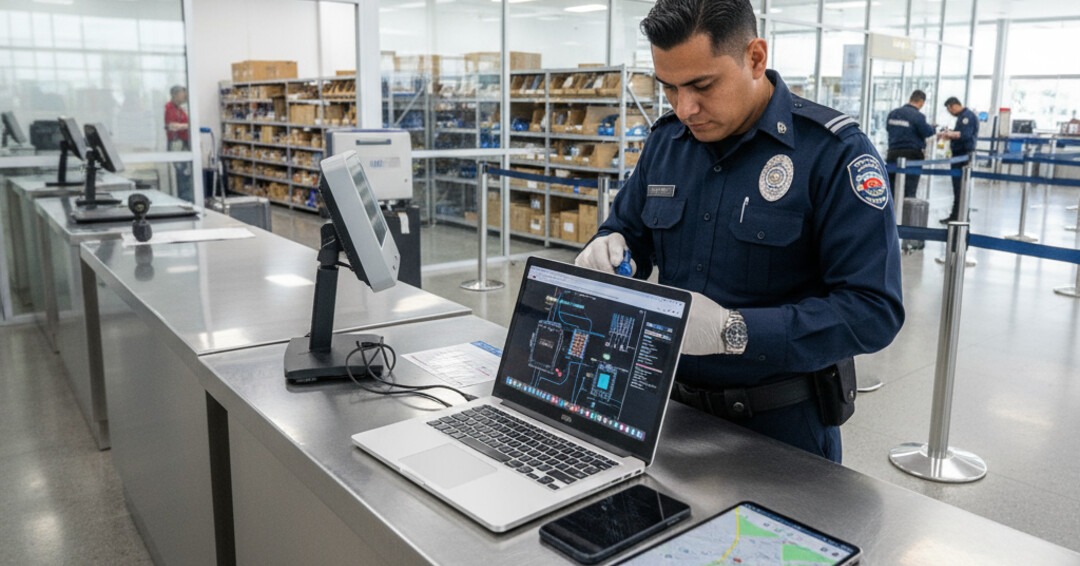
Costa Rica’s customs operations are managed by the Servicio Nacional de Aduanas, which reports directly to the Treasury Ministry. The legal framework governing electronics imports is based on the General Law of Customs and the Central American Uniform Customs Code, providing a standardized approach across the region.
The customs authority has implemented significant modernization efforts in recent years, with the TICA (Tecnología de Información para el Control Aduanero) system serving as the electronic platform for all import and export declarations. This digital transformation has streamlined many processes, though the system remains complex and requires careful attention to detail.
As of August 2025, Costa Rica has implemented stricter enforcement measures, with the Ministry of Finance announcing 15-day business closures for customs regulation violations. This increased enforcement underscores the importance of proper compliance with all import procedures and documentation requirements.
Current Electronics Import Tax Rates for 2025

Understanding the tax structure is crucial for calculating the total cost of importing electronics to Costa Rica. The country applies a multi-layered tax system that includes import duties, value-added tax, and selective consumption taxes depending on the type of electronic device.
Standard Electronics Tax Rates:
- Laptops and Computers: 13% total tax
- Smartphones: 15% total tax
- Tablets: 18% total tax
- Televisions: 49.27% total tax
- General Electronics: 1-15% import duty (average 5.6%) plus 13% VAT
The Value-Added Tax (VAT) of 13% applies to most imported goods and services, including electronics. This tax is calculated on the CIF value (Cost, Insurance, and Freight) plus any applicable import duties. The government has been working to lower duty charges in recent years, making electronics imports more affordable for consumers and businesses.
It’s important to note that these rates can change based on trade agreements and policy updates. The August 2025 implementation of reciprocal tariffs by the United States has introduced a 15% tariff on most goods imported from Costa Rica, which may affect pricing for electronics manufactured or assembled in Costa Rica.
The TICA System: Digital Customs Declarations
The TICA system represents Costa Rica’s commitment to modernizing customs procedures through digital technology. All import and export declarations must be processed through this electronic platform, which has replaced traditional paper-based systems.
Key Features of the TICA System:
- Electronic submission of all customs documentation
- Real-time tracking of shipment status
- Integration with the Traffic Light System for inspection classification
- Digital payment processing for taxes and duties
- Automated risk assessment and compliance checking
The Traffic Light System works in conjunction with TICA to classify shipments randomly:
- Green Light: No inspection required, fastest processing
- Yellow Light: Document inspection required
- Red Light: Physical inspection required, longest processing time
This random classification system helps ensure fair treatment while maintaining security standards. However, shipments flagged for inspection may experience delays, so it’s important to factor this possibility into your import timeline.
Required Documentation for Electronics Imports
Proper documentation is essential for successful electronics imports to Costa Rica. Missing or incorrect documentation can result in significant delays, additional costs, or even confiscation of goods. The following documents are required for all electronics imports:
Essential Documentation:
- Commercial invoices with detailed product descriptions
- Bill of lading or airway bills
- Packing lists with item-by-item breakdown
- Certificate of origin (required for CAFTA countries)
- Import permit (for certain electronic devices)
- Insurance documentation
Special Requirements for Specific Electronics:
Medical devices, including certain electronic health monitoring equipment, require import permits from the Ministry of Health. This registration process can take up to six months, so planning ahead is crucial for these items.
Since 2011, Costa Rica has recognized US FDA authorizations for medical devices, which can expedite the approval process for FDA-approved electronic medical equipment. The registration process is handled through the Registrelo platform (registrelo.go.cr), which provides digital registration services.
Personal vs. Commercial Electronics Imports
Costa Rica distinguishes between personal and commercial electronics imports, with different procedures and allowances for each category. Understanding these distinctions can help you choose the most appropriate import method for your situation.
Personal Electronics Imports:
Personal electronics brought by travelers or shipped for personal use may qualify for certain exemptions or reduced tax rates. However, the quantity and value of items must fall within established limits to qualify for personal use classification.
Commercial Electronics Imports:
Commercial imports require full compliance with all customs procedures, including the use of a certified customs broker. These imports are subject to standard tax rates and must meet all documentation requirements without exception.
The distinction between personal and commercial use is strictly enforced, and attempting to classify commercial imports as personal use can result in significant penalties and legal complications.
Working with Customs Brokers
Costa Rica requires the use of certified customs brokers for all import processing. These professionals handle the complex paperwork, ensure compliance with regulations, and serve as your representative with customs authorities.
Benefits of Using a Customs Broker:
- Expert knowledge of current regulations and procedures
- Established relationships with customs officials
- Ability to expedite processing and resolve issues
- Reduced risk of documentation errors and delays
- Professional handling of tax payments and clearance procedures
When selecting a customs broker, look for professionals with specific experience in electronics imports and current certifications from Costa Rican customs authorities. A good broker will provide transparent pricing, regular updates on shipment status, and clear explanations of all procedures and costs.
Shipping Methods and Logistics Considerations
Choosing the right shipping method can significantly impact the cost, speed, and security of your electronics import. Costa Rica’s main ports and airports offer different advantages depending on your specific needs.
Air Freight:
- Fastest delivery option (typically 3-7 days)
- Higher security for valuable electronics
- More expensive than sea freight
- Ideal for urgent shipments or high-value items
Sea Freight:
- Most cost-effective for large shipments
- Longer transit times (typically 2-4 weeks)
- Suitable for bulk electronics imports
- Requires careful packaging for moisture protection
Courier Services:
- Door-to-door convenience
- Integrated customs clearance
- Higher per-unit costs
- Limited to smaller packages
Costa Rica has been working toward 100% scanning at all ports, with partial implementation currently in place at APM Terminals Moin. This enhanced security screening may add processing time, but it provides better protection against theft and damage.
Packaging and Insurance Requirements
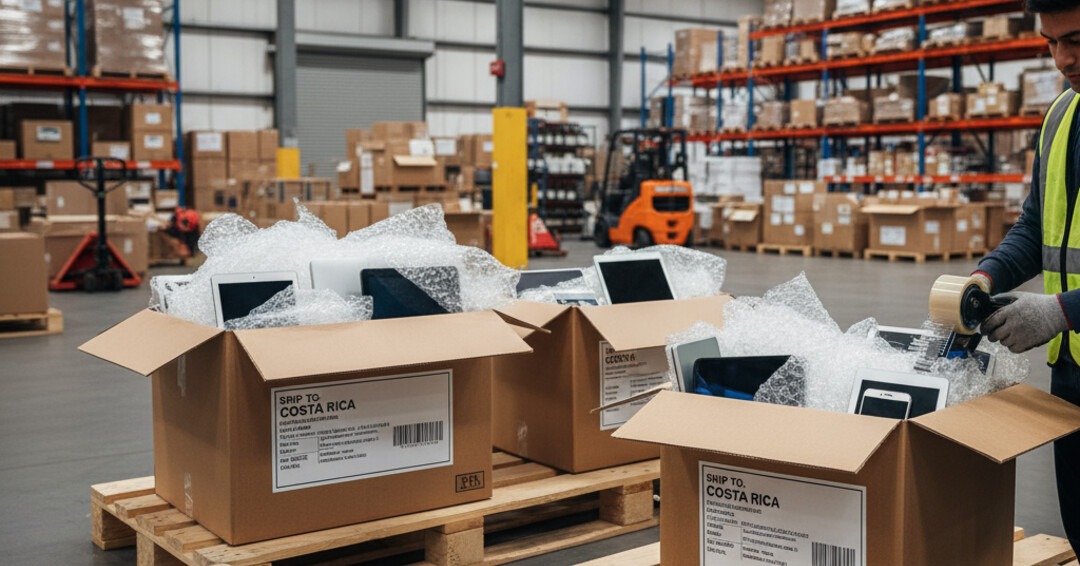
Proper packaging is crucial for protecting electronics during international shipping and ensuring compliance with Costa Rican import requirements. Electronics are particularly vulnerable to moisture, temperature fluctuations, and physical damage during transit.
Packaging Best Practices:
- Use moisture-resistant packaging materials
- Include desiccant packets for humidity control
- Provide adequate cushioning and shock protection
- Label packages clearly with contents and handling instructions
- Include all required documentation inside the package
Insurance Considerations:
Insurance is highly recommended for electronics imports due to their high value and vulnerability to damage. Comprehensive coverage should include protection against theft, damage, and loss during transit. The insurance value will be included in the CIF calculation for customs purposes, so factor this into your total cost calculations.
Common Challenges and How to Avoid Them
Electronics imports to Costa Rica can face several common challenges that can be avoided with proper preparation and understanding of the system.
Documentation Errors:
Incomplete or inaccurate documentation is the most common cause of delays and additional costs. Double-check all paperwork before shipping and ensure that product descriptions match the actual items being imported.
Undervaluation Issues:
Customs authorities are experienced in identifying undervalued shipments. Always declare the true value of electronics to avoid penalties and potential confiscation.
Classification Disputes:
Different types of electronics may be classified differently for tax purposes. Work with your customs broker to ensure proper classification and avoid unexpected tax assessments.
Inspection Delays:
Shipments selected for physical inspection may experience significant delays. Plan for this possibility and communicate realistic timelines to recipients.
Recent Changes and 2025 Updates
The electronics import landscape in Costa Rica continues to evolve, with several important changes implemented in 2025 that affect importers.
Enhanced Enforcement:
As of August 2025, Costa Rica has implemented stricter enforcement measures for customs violations, including 15-day business closures for non-compliance. This increased enforcement emphasizes the importance of proper procedures and documentation.
US Reciprocal Tariffs:
The implementation of 15% reciprocal tariffs by the United States in August 2025 affects goods imported from Costa Rica, which may impact pricing for electronics manufactured or assembled in the country.
Digital Platform Improvements:
The TICA system continues to receive updates and improvements, with enhanced user interfaces and better integration with international shipping systems. These improvements aim to reduce processing times and improve user experience.
Cost Calculation Examples
Understanding how to calculate the total cost of importing electronics helps you budget accurately and avoid surprises. Here are examples of cost calculations for common electronics:
Example 1: Laptop Import
- Product Value: $1,000
- Shipping Cost: $100
- Insurance: $50
- CIF Value: $1,150
- Import Tax (13%): $149.50
- Customs Broker Fee: $75
- Total Cost: $1,374.50
Example 2: Smartphone Import
- Product Value: $800
- Shipping Cost: $50
- Insurance: $40
- CIF Value: $890
- Import Tax (15%): $133.50
- Customs Broker Fee: $75
- Total Cost: $1,098.50
These examples illustrate the importance of factoring in all costs when planning electronics imports. The total cost can be significantly higher than the product value alone.
Tips for Successful Electronics Imports
Based on experience and best practices, here are key tips for ensuring successful electronics imports to Costa Rica:
Plan Ahead:
Allow extra time for customs processing, especially during peak seasons or if your shipment is selected for inspection.
Use Professional Services:
Work with experienced customs brokers and reputable shipping companies that understand Costa Rican import procedures.
Maintain Accurate Records:
Keep detailed records of all transactions, documentation, and communications for future reference and potential audits.
Stay Informed:
Customs regulations and tax rates can change. Stay updated on current requirements through official sources and professional advisors.
Consider Local Alternatives:
Sometimes purchasing electronics locally in Costa Rica may be more cost-effective than importing, especially for lower-value items.
Environmental and Sustainability Considerations
Costa Rica has strong environmental policies that may affect electronics imports. The country is committed to carbon neutrality and sustainable development, which influences import regulations and procedures.
E-Waste Regulations:
Costa Rica has implemented regulations for electronic waste management. Importers should be aware of their responsibilities for the proper disposal of electronic devices at the end of their useful life.
Energy Efficiency Standards:
Some electronic devices must meet specific energy efficiency standards to be imported into Costa Rica. Check current requirements for your specific products.
Packaging Waste:
Consider using recyclable packaging materials and minimizing packaging waste to align with Costa Rica’s environmental goals.
Frequently Asked Questions About Importing Electronics to Costa Rica
1. What is the maximum value I can import as personal electronics without paying commercial rates?
2. How long does the electronics import process typically take in Costa Rica?
3. Do I need special permits to import consumer electronics like smartphones and laptops?
4. Can I use any shipping company to import electronics to Costa Rica?
5. What happens if my electronics shipment is damaged during import?
6. Are there any electronics that are prohibited from import to Costa Rica?
7. How do I calculate the total cost of importing electronics, including all taxes and fees?
8. Can I import used or refurbished electronics to Costa Rica?
9. What should I do if my electronics shipment is held by customs?
10. Are there any seasonal considerations for importing electronics to Costa Rica?
Conclusion: Successfully Navigating Electronics Imports in 2025
Importing electronics to Costa Rica in 2025 requires careful planning, proper documentation, and an understanding of the current regulatory environment. While the process can be complex, following the guidelines outlined in this comprehensive guide will help ensure a smooth and successful import experience.
The key to success lies in preparation and professional assistance. Work with experienced customs brokers, use reputable shipping companies, and maintain accurate documentation throughout the process. Stay informed about regulatory changes and factor all costs into your import budget to avoid unexpected expenses.
Costa Rica’s commitment to modernizing its customs procedures through the TICA system and enhanced digital services continues to improve the import experience. However, the recent emphasis on stricter enforcement underscores the importance of full compliance with all regulations and procedures.
Whether you’re an expat bringing personal electronics, a business importing commercial equipment, or a retiree looking to enjoy your favorite devices in paradise, understanding the import process will help you navigate the system successfully while embracing the Pura Vida lifestyle.
For the most current information and personalized assistance with your electronics import needs, consult with certified customs brokers and stay updated on regulatory changes through official Costa Rican government sources.
Professional Disclaimer
This guide provides general information about importing electronics to Costa Rica based on available sources and current regulations as of 2025. Import regulations, tax rates, and procedures can change frequently. Always consult with certified customs brokers, legal professionals, and official government sources for the most current and specific guidance for your situation. This information should not be considered as legal or professional advice, and individual circumstances may require different approaches or additional requirements.
About CRIE
Costa Rica Immigration Experts (CRIE) specializes in providing comprehensive immigration and relocation services for individuals and families moving to Costa Rica. Our experienced team helps navigate the complexities of Costa Rican bureaucracy, from residency applications to practical matters like importing personal belongings. For personalized assistance with your Costa Rica immigration and relocation needs, contact CRIE.
Contact Information:
- Email: info@crie.cr
- Website: crie.cr
- Phone: +506 8373-2085
- Office: San José, Costa Rica
Article by Glenn Tellier (Founder of CRIE and Grupo Gap)
Don't wait, contact us right now!
Call or WhatsApp Costa Rica +506 8373 2085 or +506 8706 3888
Call USA/Canada +1 305-906-6784