
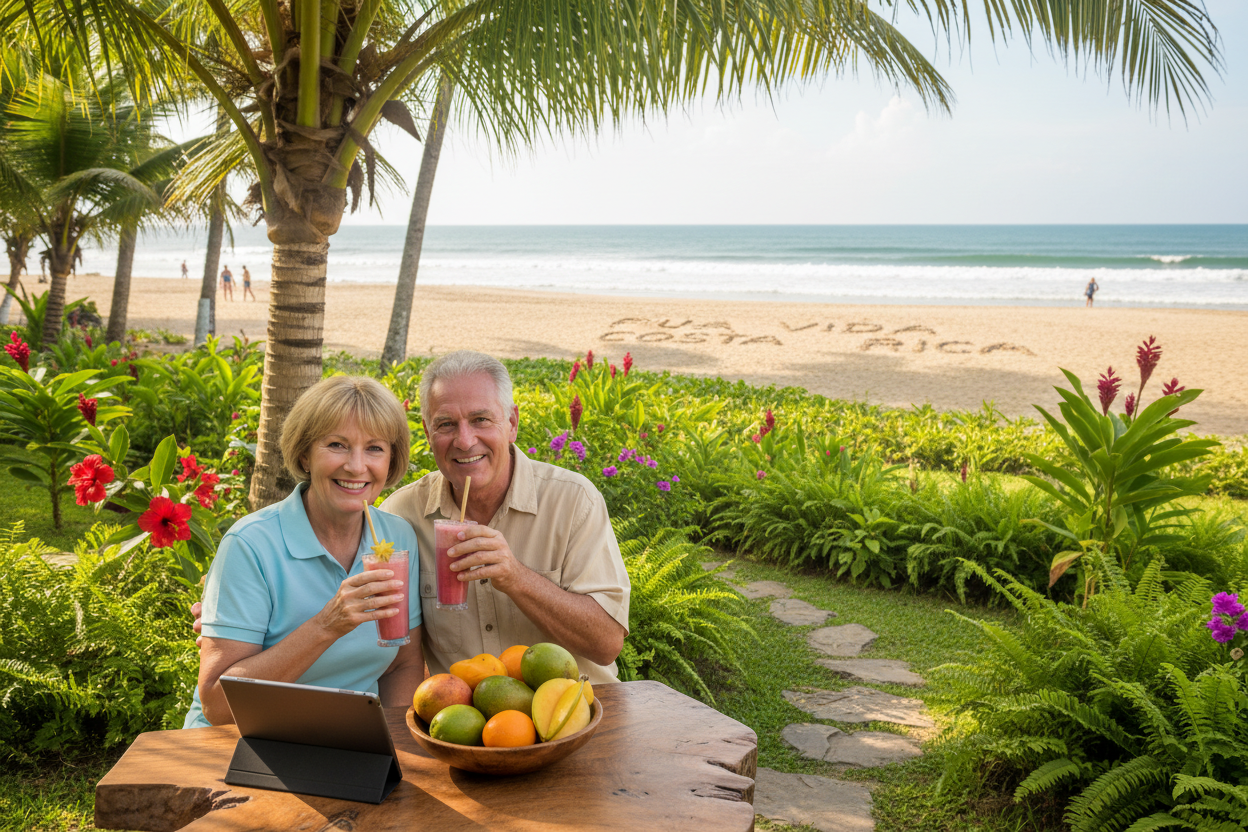
Costa Rica has become a top choice for retirees from North America. They are drawn by an appealing mix of modern comforts, a stable democracy, and a high-quality lifestyle. This Central American nation offers a unique package for those seeking a rewarding new chapter.
Financially, the move makes strong sense. The average monthly cost of living here is about 27% lower than in the United States. More than 120,000 U.S. citizens have already made this transition, joining vibrant expat communities.
This guide focuses specifically on the Pensionado residency program. This popular category requires a guaranteed pension income of over $1,000 per month. We will walk you through the entire process of how to retire in Costa Rica under this visa.
We provide clear, step-by-step guidance through CRIE, specializing in residency and immigration. We help you prepare documents from home and set realistic expectations. Typical monthly expenses for pensionado residents range from $1,600 to $3,000, depending on your personal lifestyle choices.
Understanding Costa Rica’s Pensionado Residency Program (Pensionado)
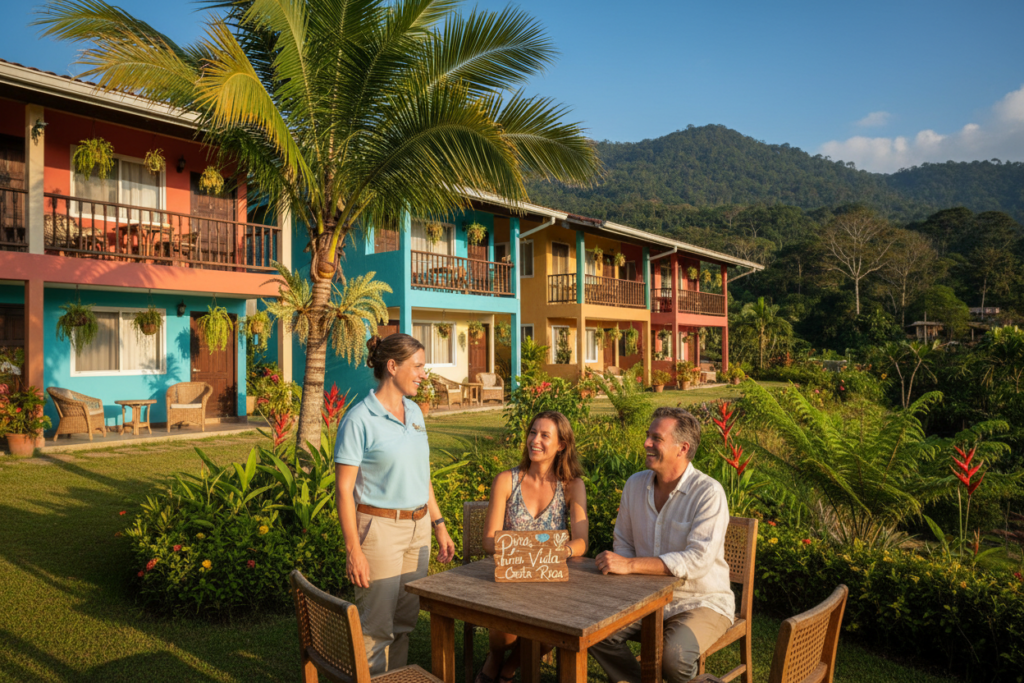
For those with a stable pension, Costa Rica provides a dedicated visa category designed for retirement. The Pensionado (Pensionado) program is the country’s official pathway for retirees seeking long-term residency.
It requires a verifiable, ongoing pension income. This makes it a popular choice for those on fixed incomes.
Eligibility Requirements & Minimum Income Threshold
The core requirement is a pension of more than $1,000 per month. This must come from a single source like Social Security or a government plan.
Applicants must also show a clean criminal record. The income must be stable, not a one-time lump sum. You can find a detailed cost of living breakdown for pensionado to help with planning.
Benefits and Advantages for Retirees
This visa is notably family-friendly. Spouses and dependent children can be included on one application.
After three years of temporary residency, you can apply for permanent residence. The income threshold is lower than many other countries, making Costa Rica accessible. For more insights, review what US expats need to know about retiring in Costa.
We always advise verifying the latest rules at migracion.go.cr, as requirements can change.
Step-by-Step Guidance to Costa Rica Residency

To successfully obtain residency, you must first gather and authenticate all necessary paperwork. We provide a clear roadmap for the Pensionado application.
The initial phase happens at home. Start by collecting birth certificates, marriage documents, and pension verification letters.
Preparing Documents: Apostilles and Translations
Key documents require an apostille. This special certification validates them for use in Costa Rica. You must get it from authorities in your home country.
All papers also need a certified Spanish translation. Use a translator approved by Costa Rican officials. This step is non-negotiable for your file.
Application Process and Expected Timelines
After submission, the official process begins. Government processing commonly takes 9 to 24 months. This depends on their current workload.
We cannot guarantee specific approval timelines. Starting from home with complete documents is the best strategy for a smooth journey.
Who Qualifies for Residency in Costa Rica?
Determining your eligibility for Costa Rica’s Pensionado program hinges on two straightforward criteria. You must prove a stable pension and possess a clean criminal background.
General Eligibility Overview
The primary requirement is verifiable income. You need a pension of over $1,000 monthly from a recognized source.
Acceptable sources include government Social Security, military retirement, or established private funds. This income must be stable and ongoing.
The primary applicant must receive the full amount individually. Spouses cannot combine separate pensions to meet the threshold.
A clean criminal record from all countries of recent residence is mandatory. Citizens from most nations can qualify for this program in Costa Rica.
Residency is the essential first step toward citizenship. After seven years of legal stay, you may apply for Costa Rican citizenship.
Remember, temporary Pensionado status requires renewal every two years. After three years, you can apply for permanent residency.
We always advise checking the latest rules at migracion.go.cr. Individual cases may benefit from professional consultation.
Essential Documents to Prepare Before Arrival
A successful residency application begins with meticulous document preparation before you even set foot in Costa Rica. We guide you through assembling the required portfolio.
Paperwork Requirements and Apostille Procedures
You will need birth certificates, marriage documents, and criminal background checks. Official pension verification letters are also mandatory.
Most of these papers require an apostille. This special certification validates them for international use. Procedures vary by country and document type.
In the United States, state-level documents are apostilled by the Secretary of State. FBI checks go through the U.S. Department of State. Allow weeks to months for this entire process.
Translation Tips for Accurate Submissions
Every apostilled document must have a certified Spanish translation. Use a translator recognized by Costa Rican authorities for accuracy.
We strongly advise completing all authentication and translation work from your home country. It is far more efficient than attempting it after arrival. This upfront effort smoothes your entire application journey.
Common Mistakes to Avoid During the Residency Process
A smooth path to Costa Rican residency is often disrupted by a handful of common, yet entirely avoidable, documentation errors. We see these mistakes cause months of delays and even rejections.
Overlooked Documentation and Verification Issues
The most frequent error involves using uncertified translators. Costa Rican authorities will reject any application with translations from a source they don’t recognize. This forces a complete and costly do-over.
Document expiration is another major pitfall. A criminal background check is typically valid for only six months from its issue date. If government processing takes longer, you may need a fresh one.
Many applicants also submit incomplete pension verification. Bank statements are not enough. You need an official letter from your pension administrator stating the exact monthly amount and confirming it’s permanent.
Finally, don’t assume tourist time counts toward residency. Only your approved residency period applies for permanent status or citizenship. We help clients navigate these strict requirements to minimize avoidable setbacks, though we cannot guarantee specific timelines.
How to Leverage Your Pension Income for Residency
Meeting the financial requirement is the single most critical step for securing your Pensionado status. We guide you through the specific rules for using your retirement funds.
The process hinges on proving a stable, qualifying monthly income. This proof is the cornerstone of your application in Costa Rica.
Pensionado Income Requirement: US$1,000+ per Month
The visa requires a minimum of $1,000 per month from a single pension source. This income must be permanent, like a lifetime annuity or Social Security.
Acceptable sources include U.S. Social Security, government employee pensions, and military retirement. Established private pension funds or annuities also qualify.
Important funds like 401(k) withdrawals or rental income do not qualify for this category. Also, spouses cannot combine separate pensions to meet the individual threshold.
Optimizing Your Pension Verification Process
You need an official letter from your pension administrator. It must be on letterhead, state your exact monthly benefit, and confirm payments are permanent.
Once approved, your monthly income must be deposited into a Costa Rican bank account. This serves as ongoing proof for residency renewal.
We recommend setting up direct deposit for Social Security early. It demonstrates a reliable income stream to immigration authorities from the start.
Exploring Other Residency Options: Rentista (Rentista) & Inversionista (Inversionista)
If the Pensionado program doesn’t align with your financial profile, Costa Rica offers two other primary residency pathways. These are solid alternatives for retirees with different asset structures.
Rentista Visa Requirements and Income Thresholds (US$2,500/Month)
The Rentista (Rentista) visa is for those with stable passive income. It requires a guaranteed monthly income of $2,500 for at least two years.
Acceptable sources include investment dividends, interest, or rental property earnings. Many applicants deposit $60,000—two years of income—into a Costa Rican bank.
Investor Visa Overview and Investment Criteria (Minimum US$150,000)
The Inversionista (Inversionista) category requires a minimum investment in Costa Rica. The threshold is typically $150,000, though some sources cite $200,000.
Eligible investments include direct real estate purchase or funding local businesses. A critical rule: any property investment must be in your personal name, not a corporation.
For early retirees with investment income, Rentista may be the closest fit. For those with capital, Inversionista provides a viable path to residency in Costa Rica.
Understanding Digital Nomad Limitations in Residency
While the Digital Nomad visa offers extended stay, it fundamentally differs from formal residency categories in Costa Rica. We must clarify this critical distinction for expats and retirees planning their move.
Why Digital Nomad Does Not Qualify for Residency
This special visa requires over $3,000 monthly from remote work. It allows location-independent professionals to explore the country for a year, often renewable.
However, it is a tourist category, not a residency pathway. Time spent here under this status does not count toward permanent residency or citizenship requirements.
This matters for early retirees who work remotely. If your goal is long-term legal status, you need a formal residency option instead.
The closest true residency for digital workers is the Rentista category. It requires $2,500 in monthly passive income and counts toward permanent status.
Retirees with qualifying pensions should pursue Pensionado residency. Only formal categories like Pensionado, Rentista, and Inversionista provide the legal pathway in Costa Rica.
Evaluating the Cost of Living in Costa Rica for Pensionados
For pensionado residents, managing living costs effectively starts with a detailed breakdown of housing, utilities, and daily expenses. We provide a realistic overview showing savings of 27-34% compared to the United States. Your total monthly budget in Costa Rica will typically range from $1,600 to $3,000, depending on your personal choices.
Housing, Utilities, and Daily Expense Breakdown
Housing is your largest monthly cost. A one-bedroom apartment rents for $466 outside city centers or around $662 in urban areas. Utilities, including electricity and water, average $85 to $200 per month.
Groceries from local markets cost $300-$470 monthly for one person. Dining out ranges from $10 to $30 per meal. Transportation expenses are $40-$150, depending on public transit or car ownership.
Healthcare, Insurance, and Service Considerations
Healthcare is a key consideration for retirees. Enrolling in the public CAJA system costs 7-11% of your reported income. For the minimum $1,000 pension, that’s about $70-$110 per month.
Private insurance plans range from $60 to $250 monthly. A modest lifestyle in a smaller town can be managed on $1,600-$2,000. A comfortable budget in popular areas is $2,500-$3,500.
These figures are estimates based on current data. Individual costs will vary with location, personal habits, and economic changes. We cannot guarantee specific expense levels.
A Closer Look at Monthly Living Expenses in Costa Rica
Planning your monthly budget as a retiree in Costa Rica requires a clear-eyed look at actual expenses beyond the visa minimum. We provide transparent analysis showing that while the legal requirement is $1,000, most residents need $1,600 to $3,000 for comfortable living.
Budgeting for a Comfortable Lifestyle
Your lifestyle tier dramatically affects costs. Budget living ($1,600-$2,000) covers basics like a modest apartment and local groceries. Comfortable living ($2,500-$3,500) allows for dining out and occasional travel.
Upscale living ($3,500+) includes premium housing and imported goods. Housing typically consumes 25-35% of your budget, making location choice your biggest cost control lever.
Comparative Analysis with North American Costs
Consumer prices here are about 38% lower than in the United States. Rent averages 65% less than U.S. rates. Groceries cost 22% less when you buy local products.
Utilities run approximately 50% lower. Public transportation costs 53% less than typical U.S. car ownership. However, imported goods cost 30-50% more due to import duties.
Regional variations matter greatly. Puerto Viejo offers exceptional value at $1,500 monthly for singles. Central Valley areas like San José require $3,000-$3,500. Pacific beach towns like Tamarindo demand $3,200-$4,500+.
Regional Living Cost Variations: San José, Tamarindo, and Beyond
The choice between San José’s urban convenience and Tamarindo’s beach lifestyle comes with distinct financial implications. We detail the cost variations across Costa Rica’s popular retirement regions to inform your decision.
Urban Versus Coastal Living Differences
Urban areas in Costa Rica, like San José, offer cooler climates and proximity to healthcare. These Central Valley towns provide comprehensive services at relatively lower living costs.
Coastal expat hubs like Tamarindo command premium prices for immediate beach access. The tourist infrastructure drives up housing costs and daily expenses in these areas.
Cost Profiles of Popular Expat Areas
In San José and surrounding Central Valley areas, one-bedroom apartments range from $400 to $700 monthly. The real estate market here is more stable than in tourist zones.
Pacific beach towns see rents of $600 to $1,000+ for similar units. Value alternatives exist for expats in places like Puerto Viejo, with costs approximately 31% lower than Tamarindo.
Your lifestyle preference dictates the budget. Beach lovers should plan for higher expenses in popular coastal areas of Costa Rica. Those prioritizing urban amenities find better value in Central Valley towns.
Integrating into Costa Rican Life: Culture, Community, and Lifestyle
The true essence of retiring in Costa Rica lies in embracing its unique cultural fabric and community spirit. Success here means more than just meeting visa requirements—it’s about building a fulfilling daily life.
Embracing the Pura Vida Lifestyle
“Pura vida” is more than a phrase—it’s a national philosophy. This “pure life” attitude celebrates relaxation, positivity, and appreciation for simple pleasures over material accumulation.
It creates a welcoming environment for retirees. Locals, known as Ticos, are generally friendly, helpful, and family-oriented. They value community connections.
Building Social Connections with Locals and Expats
Learning conversational Spanish is crucial for daily tasks like banking, shopping, and healthcare. While English is common in tourist areas, Spanish shows respect and aids integration.
We advise participating in local events and weekly farmers’ markets. This helps build authentic relationships beyond expat circles.
Vibrant expat networks in areas like San José and Tamarindo offer social support. They provide activity groups and practical advice for newcomers.
Costa Rica is also notably pet-friendly. About 75% of Ticos own dogs, and the country offers dog-friendly beaches and trails.
Expect cultural adjustments like a slower pace and “Tico time.” Patience with bureaucratic processes is key. Learning to appreciate local products enriches the experience.
Navigating Legal and Regulatory Steps with CRIE
CRIE serves as your dedicated guide through the intricate immigration procedures of Costa Rica. We specialize exclusively in residency and immigration services. Our team provides the practical support needed to navigate complex legal requirements.
Using crie.cr and migracion.go.cr for Guidance
Two key resources anchor your journey. The official site, migracion.go.cr, provides current regulations and forms. Our platform, crie.cr, offers step-by-step guidance through the application process.
We help you understand the official requirements. Then we translate them into actionable steps for your Pensionado, Rentista, or Inversionista case.
Ensuring Compliance with Immigration Laws
Maintaining your status requires ongoing attention. You must continue receiving your pension and depositing it into a local bank account. Temporary residency must be renewed every two years.
Progressing to permanent residency typically involves demonstrating significant time in-country. Keeping your DIMEX ID and passport current is also essential. We help you track these obligations.
For personalized guidance, contact our specialists. Reach us via WhatsApp at +506 8706 3888 or email info@crie.cr. We provide clear navigation through Costa Rica’s legal landscape.
Planning and Preparing Your Move from Home
A successful transition to life in Costa Rica begins with thorough preparation long before you board your flight. We provide comprehensive guidance to help retirees navigate this pre-departure phase efficiently.
Initial Steps and Document Readiness Before Departure
Start document preparation from your current home. Obtain criminal background checks and secure apostilles for vital records.
Arrange certified Spanish translations and gather official pension verification letters. Completing these steps before arrival streamlines your application process significantly.
Managing Timelines and Setting Expectations
The entire journey from planning to approved residency often spans 12 to 29 months. Government processing in Costa Rica can take 9 to 24 months after submission.
We help set realistic expectations—this is a marathon requiring patience. Temporary status needs renewal every two years. Permanent residency becomes possible after three years of legal stay.
Many choose to retire in Costa Rica as tourists while their paperwork processes. We emphasize starting early from home to build a solid foundation for your new life.
Tax Implications for Pensionado Residents
Pensionado residents benefit from Costa Rica’s favorable tax system for foreign income. We explain the territorial principle that governs taxes here. Only income generated within the country is subject to Costa Rican taxation.
This is a significant advantage for retirees. Your US Social Security, private pension payments, and IRA distributions remain entirely tax-free here. Foreign investment dividends and rental income from outside Costa Rica are also exempt.
You may encounter local taxes if you earn Costa Rican-sourced income. Rental income from a local property or bank interest here is typically taxed at a 15% rate. Annual property tax is 0.25% of the declared value.
US citizens retain filing obligations for worldwide income. We strongly recommend consulting with a tax professional for expert guidance on US expat taxes. Tax situations are individual, and we make no guarantees regarding outcomes.
Embarking on Your New Chapter in Costa Rica
More than 120,000 U.S. citizens have chosen to retire in Costa Rica. They are attracted by the lower cost of living, high-quality healthcare access, and the country’s stunning natural beauty.
The Pensionado residency program offers a clear path. It requires a guaranteed pension income of over $1,000 per month. For a comfortable lifestyle, most retirees budget between $1,600 and $4,500 monthly.
Life here revolves around the “pura vida” philosophy. This approach reduces stress and builds a strong sense of community. Successful integration requires patience with processes and some Spanish language skills.
If this journey aligns with your retirement goals, we are here to help. Contact us via WhatsApp at +506 8706 3888 or email info@crie.cr to discuss your situation. With realistic planning, retiring in Costa Rica is an achievable dream.
FAQ
What is the minimum monthly income required for the Pensionado residency visa?
The Costa Rica Pensionado program requires a guaranteed lifetime pension income of at least US
FAQ
What is the minimum monthly income required for the Pensionado residency visa?
The Costa Rica Pensionado program requires a guaranteed lifetime pension income of at least US$1,000 per month. This income must be verified and apostilled for your application.
How does the cost of living in Costa Rica compare to the United States or Canada?
Overall, the cost of living in Costa Rica is often lower than in North America, especially for housing, domestic services, and fresh produce. However, imported goods, electronics, and energy costs can be comparable or higher, depending on your lifestyle and chosen area.
What are the main benefits of obtaining Pensionado residency status?
Key benefits include significant tax exemptions on importing household goods and a vehicle, access to the national healthcare system (CAJA), and the legal right to live in the country indefinitely. It provides a stable, long-term foundation for retirees.
Can I use rental income or investments to qualify for residency instead of a pension?
Yes. If you don’t have a pension, the Rentista visa requires proof of a US$2,500 monthly income for two years. The Inversionista (Investor) visa requires a minimum US$150,000 investment in Costa Rican real estate, business, or other approved assets.
What are the biggest mistakes people make during the residency application process?
Common errors include submitting documents without the proper apostille, using unofficial translations, and not budgeting enough time for the process—which can take several months. Working with a reputable legal resource like CRIE can help avoid these pitfalls.
Is private health insurance mandatory for Pensionado residents?
While you gain access to the public CAJA system, many expats and retirees also opt for private international insurance for faster access to specialists and private hospitals. It’s not mandatory but is a popular choice for comprehensive care.
How do living costs differ between San José and popular beach towns like Tamarindo?
San José often has more affordable housing and everyday goods. Coastal and tourist-favorite expat areas like Tamarindo or the Central Pacific can have higher real estate prices, dining, and services due to demand, impacting your monthly budget.
What are the tax implications for a Pensionado resident living in Costa Rica?
Costa Rica taxes income sourced within the country. Your foreign pension and most overseas income are not taxed locally. However, you must declare any Costa Rican-sourced income. We always advise consulting a local tax professional for your specific situation.
How important is it to get my documents translated and apostilled before I arrive?
A> It is absolutely critical. The immigration process requires all foreign-issued documents—like birth certificates and pension verification letters—to be apostilled (authenticated) in their country of origin and translated into Spanish by an official translator in Costa Rica.
Can I work or run a business in Costa Rica with Pensionado residency?
The Pensionado visa is specifically for retirees and does not grant work permission. If you plan to generate income within Costa Rica, you would need to explore a different residency category or obtain a separate work permit, which involves a distinct process.
,000 per month. This income must be verified and apostilled for your application.
How does the cost of living in Costa Rica compare to the United States or Canada?
Overall, the cost of living in Costa Rica is often lower than in North America, especially for housing, domestic services, and fresh produce. However, imported goods, electronics, and energy costs can be comparable or higher, depending on your lifestyle and chosen area.
What are the main benefits of obtaining Pensionado residency status?
Key benefits include significant tax exemptions on importing household goods and a vehicle, access to the national healthcare system (CAJA), and the legal right to live in the country indefinitely. It provides a stable, long-term foundation for retirees.
Can I use rental income or investments to qualify for residency instead of a pension?
Yes. If you don’t have a pension, the Rentista visa requires proof of a US,500 monthly income for two years. The Inversionista (Investor) visa requires a minimum US0,000 investment in Costa Rican real estate, business, or other approved assets.
What are the biggest mistakes people make during the residency application process?
Common errors include submitting documents without the proper apostille, using unofficial translations, and not budgeting enough time for the process—which can take several months. Working with a reputable legal resource like CRIE can help avoid these pitfalls.
Is private health insurance mandatory for Pensionado residents?
While you gain access to the public CAJA system, many expats and retirees also opt for private international insurance for faster access to specialists and private hospitals. It’s not mandatory but is a popular choice for comprehensive care.
How do living costs differ between San José and popular beach towns like Tamarindo?
San José often has more affordable housing and everyday goods. Coastal and tourist-favorite expat areas like Tamarindo or the Central Pacific can have higher real estate prices, dining, and services due to demand, impacting your monthly budget.
What are the tax implications for a Pensionado resident living in Costa Rica?
Costa Rica taxes income sourced within the country. Your foreign pension and most overseas income are not taxed locally. However, you must declare any Costa Rican-sourced income. We always advise consulting a local tax professional for your specific situation.
How important is it to get my documents translated and apostilled before I arrive?
A> It is absolutely critical. The immigration process requires all foreign-issued documents—like birth certificates and pension verification letters—to be apostilled (authenticated) in their country of origin and translated into Spanish by an official translator in Costa Rica.
Can I work or run a business in Costa Rica with Pensionado residency?
The Pensionado visa is specifically for retirees and does not grant work permission. If you plan to generate income within Costa Rica, you would need to explore a different residency category or obtain a separate work permit, which involves a distinct process.
Article by Glenn Tellier (Founder of CRIE and Grupo Gap)
Don't wait, contact us right now!
Call or WhatsApp Costa Rica +506 8373 2085 or +506 8706 3888
Call USA/Canada +1 305-906-6784