
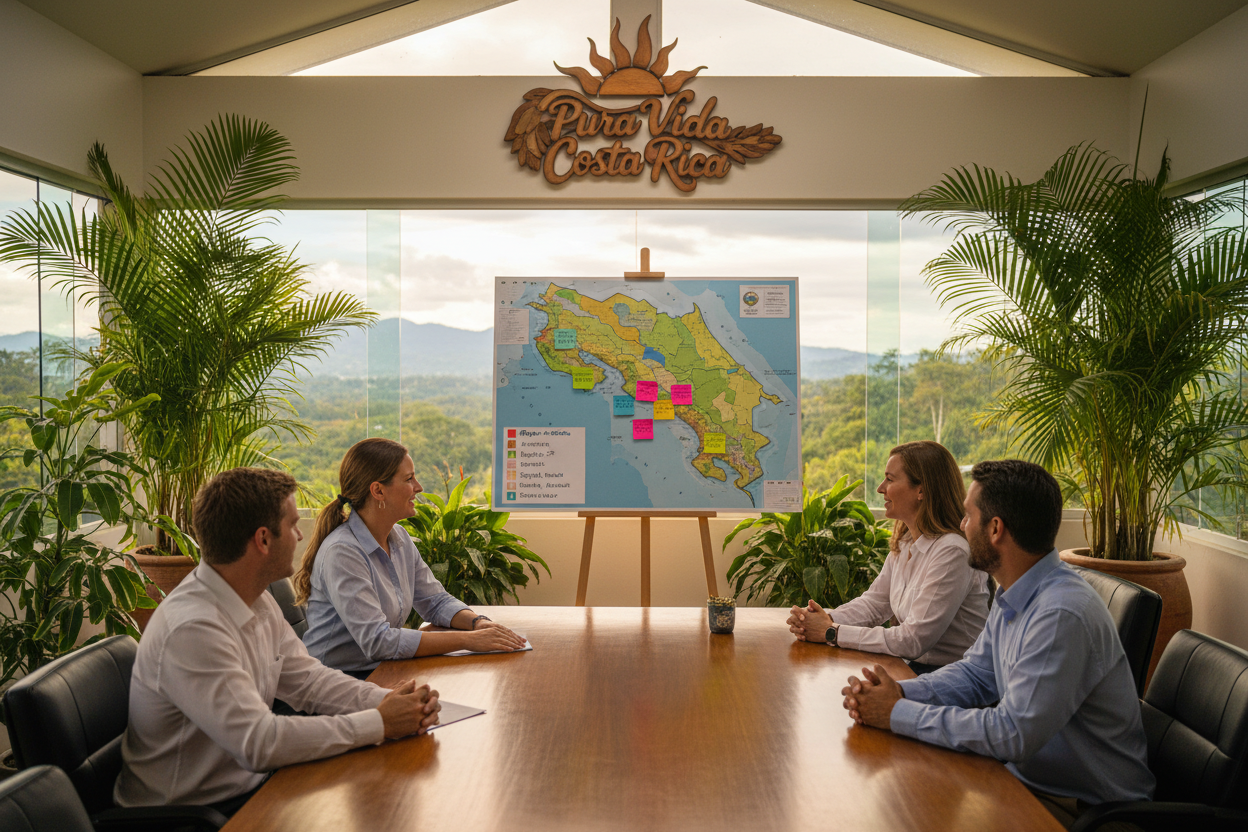
Dreaming of a life under the sun? You’re not alone. Over 120,000 American retirees have already made Costa Rica their home.
They enjoy the famous “pura vida” lifestyle while maintaining full legal status. This beautiful country is a top choice for a secure and vibrant retirement.
This article is your roadmap. We provide a clear, step-by-step guide for retirees seeking official residency—not just a tourist visa.
We focus on the legitimate immigration pathways available. Our expertise comes from CRIE (crie.cr), the exclusive specialist in Costa Rica residency and immigration matters.
A successful application requires careful planning. You must prepare documents like apostilles and translations before you arrive.
Understanding the specific financial requirements is also crucial. The process typically takes between three to six months from start to finish.
We’ll explore the three main programs: Pensionado, Rentista, and Inversionista. Each has different income or investment thresholds to meet.
This guide will help you see which path aligns with your situation. Let’s begin this journey together.
Overview of Costa Rica Residency and CRIE (crie.cr)

Costa Rica residency is a formal legal status, not merely an extended tourist permit. It is granted by the Dirección General de Migración y Extranjería—the national immigration authority. This status provides long-term rights to live in the country under specific legal frameworks.
We at CRIE focus exclusively on this Costa Rican residency and immigration process. We do not handle tourist visas or travel arrangements. Our expertise is concentrated where it matters most for serious applicants seeking a secure future.
The system operates under clear laws, notably Law No. 9996 enacted in 2021. Proper residency unlocks significant benefits. These include access to the national healthcare system (Caja), local banking, and legal protections.
It also establishes a pathway to permanent residency after maintaining temporary status. We guide applicants through every official requirement to ensure compliance. However, final approval rests solely with Costa Rican government authorities.
For the most current information, always refer to the official source at migracion.go.cr. To understand your specific options, we recommend starting with a residency assessment.
Eligibility Criteria: Who Qualifies for Residency?

Costa Rica offers distinct residency pathways, each with specific financial qualifications that applicants must meet. The three main categories are Pensionado (Pensionado), Rentista (Rentista), and Inversionista (Inversionista). Your choice depends on your primary source of funds.
Pensionado (Pensionado) Requirements: US$1,000+ Monthly Pension
This program is ideal for traditional retirees. It requires a guaranteed lifetime pension of at least US$1,000 per month. Acceptable sources include Social Security, government pensions, or qualified private funds.
Your documentation must prove this income is permanent. Official certification from the issuing agency is required.
Rentista (Rentista) & Investor (Inversionista) Thresholds
The Rentista category suits those with passive income. You must show US$2,500 monthly income guaranteed for two years. This can come from investments, rentals, or annuities.
The Inversionista option requires a minimum US$150,000 investment. A critical rule: real estate must be in your personal name, not a corporation. This is a common mistake.
All three programs grant temporary residency, renewable every two years. They establish a clear path to permanent status. Note: Costa Rica’s Digital Nomad visa is not a residency program. It does not count toward permanent residency or citizenship.
Document Preparation: Apostilles, Translations, and Required Paperwork
We cannot overstate the importance of beginning your document collection and authentication while still in your home country. A successful application hinges on this preparatory phase.
Essential Documents to Gather Before Arrival
Every applicant must compile a core set of papers. This includes your valid passport, an apostilled birth certificate, and a recent police clearance. You will also need proof of qualifying income, passport photos, and completed forms.
Income proof varies by program. Pensionado applicants need a lifetime pension guarantee. Rentista applicants require bank statements. All foreign documents must be apostilled.
Tips for Obtaining Apostilles and Accurate Translations
An apostille is an international certification. It validates a document’s authenticity for use abroad. You obtain it from a designated authority in your home country, like a Secretary of State office.
Accurate Spanish translations are non-negotiable. Costa Rican immigration requires work from officially authorized translators. Errors here cause rejections and delays.
Start this process 3-4 months before you plan to apply. For the latest requirements, always verify at migracion.go.cr or explore your Costa Rica residency options.
Step-by-Step Guidance for Your Application Process
Navigating the official residency application requires a clear, methodical approach from start to finish. We walk you through each phase of this government procedure.
Preparing Your Documents from Home
Begin your document collection while still in your home country. This first step is crucial. You must obtain apostilles, arrange official translations, and secure income verification.
Organize everything before traveling to Costa Rica or engaging a legal representative. A complete file prevents delays.
Organizing Your Application Timeline
Submit your application to the Dirección General de Migración. You can file in person if you are in the country or through an authorized representative.
The review process typically takes three to six months. Times vary based on application volume and case complexity.
During this waiting period, you can stay in Costa Rica as a tourist. You may also enter and exit freely. Remember, final approval rests solely with immigration authorities.
Upon approval, you will receive your DIMEX card. This allows you to register with the Caja healthcare system and access local banking.
Exploring Residency Programs: Pensionado, Rentista, and Investor Options
The Pensionado, Rentista, and Inversionista programs each offer a unique gateway to legal residency in Costa Rica. Your choice depends on your primary source of funds and long-term plans.
Program Specifics and Investment Thresholds
The Pensionado (Pensionado) program requires a guaranteed lifetime pension of at least US$1,000 per month. This is the most accessible path for traditional retirees. It provides access to healthcare and banking.
The Rentista (Rentista) category is designed for those with substantial passive income. You must demonstrate US$2,500 monthly for two years. This income can come from rentals, dividends, or annuities.
The Inversionista (Inversionista) pathway demands a minimum US$150,000 investment. A critical rule: any real estate purchase must be in your personal name, not a corporation. This investment can also be in a business or the stock market.
All three programs grant temporary residency, renewable every two years. They lead to permanent status and share similar core benefits. The main differences are the financial thresholds and income sources.
Easy Guide to Costa Rica Residency for Retirees: Steps and Costs
Budgeting for your residency application involves both fixed government fees and variable document costs. Every applicant faces mandatory charges set by Costa Rican authorities.
These include a $250 USD application fee per person and $25 for each official form. You’ll also pay for revenue stamps ($1-3), fingerprinting ($40-50), and certified copies ($2 per page).
Document preparation adds variable expenses. Apostilles typically cost $20-50 per document in the U.S. Official Spanish translations run $20-40 per page. Police clearance fees vary by country.
After approval, you must contribute to the national healthcare system (Caja). This is 7-11% of your declared monthly income, payable monthly.
Most applicants should budget between $1,500 and $3,000 for the complete process. Costs multiply for families, as each member requires separate fees and documents.
Start early to avoid rush fees. Get multiple certified copies initially. Organized preparation reduces rejection risks and extra costs.
Remember, residency involves ongoing expenses like Caja payments and biennial renewals. It’s an investment beyond the initial application.
Understanding Application Timelines and Processing Durations
Setting realistic expectations for the Costa Rica residency timeline is crucial for planning your move. Immigration authorities typically process applications within three to six months from submission.
Actual durations vary based on government volume, documentation completeness, and individual case factors. We stress these are estimates, not guarantees.
What to Expect During the Review Process
Costa Rican officials conduct thorough verification during this period. They check all submitted documents, run international background checks, and confirm income sources.
This vetting ensures program integrity. You can remain in the country as a tourist while your application is pending.
You must meet standard tourist entry requirements. You also maintain freedom to exit and re-enter Costa Rica.
Once approved, you receive temporary residency for two years. You must maintain qualifying income and register with the Caja healthcare system.
A key benefit is the minimal physical presence rule. You need only spend one day per year in Costa Rica to keep your status active.
After three years of maintaining temporary residency, you become eligible to apply for permanent status. This removes the need for periodic renewals.
For the most current processing times, always refer to the official government source at migracion.go.cr.
Pitfalls to Avoid: Common Mistakes in the Application
Learning from common pitfalls can save you months of frustration and extra costs. We see applicants make the same errors every year. These mistakes often lead to outright rejection or lengthy delays.
Errors in Document Preparation and Submission
Timing is a critical requirement. Submitting a police clearance certificate older than six months causes an automatic rejection. Income certifications must also be recent.
Poor translation quality is another major issue. Costa Rican immigration requires work from officially authorized translators. Using an unofficial service will derail your application.
For Inversionista applicants, a common error is purchasing property through a corporation. The investment must be in your personal name to qualify. This is a strict Costa Rica rule.
Timing and Renewal Mistakes to Watch For
After approval, new requirements begin. You must register with the Caja healthcare system promptly. Missing monthly payments jeopardizes your status.
You also must spend at least one day per year in Costa Rica. Letting your temporary residency expire without renewal is a costly error. It forces you to restart the entire process.
Some confuse the Digital Nomad visa with a residency pathway. It does not count toward permanent status. Understanding these mistakes helps you avoid them.
Maintaining Residency: Renewal Requirements and Compliance
Costa Rica’s temporary residency system is designed for flexibility, but it comes with clear, non-negotiable obligations. Your initial approval grants two years of legal status. You must actively renew it to continue living under its protection.
Annual Visit Obligations and Staying Compliant
The physical presence rule is remarkably lenient. You only need to spend one day per year in the country. This allows for extensive travel without jeopardizing your status.
Registration with the national healthcare system, the Caja, is mandatory. You must begin monthly contributions immediately after approval. These payments are calculated as a percentage of your declared income.
When your two-year period ends, you must apply for renewal. This involves proving continued income and Caja payment compliance. After three consecutive years of temporary status, you become eligible for permanent residency.
Staying current with all obligations makes the process straightforward. We recommend marking your calendar for renewal deadlines. Understanding the cost of renewing your status is also part of smart planning.
Accessing Costa Rican Healthcare and Banking Services
Your official residency approval unlocks two essential pillars of daily life in Costa Rica: healthcare and banking. We guide you through integrating into these national systems.
Registering with Caja for Public Healthcare
Once you receive your DIMEX card, you must register with the Caja Costarricense de Seguro Social. This is the public healthcare system. Your monthly contribution is 7-11% of your declared income.
The Caja provides comprehensive coverage. This includes doctor visits, hospital care, prescriptions, and diagnostics. The World Health Organization ranks this system 36th globally.
Public care is affordable but can have wait times. Many residents supplement it with private health insurance. Domestic plans range from $60 to $250 monthly.
Setting Up a Local Bank Account
Full banking access requires your DIMEX card. During your application review, some banks may offer limited accounts. After approval, you gain complete services.
A local bank account is crucial. You need it to receive pension income, pay Caja fees, and handle local expenses. It simplifies managing your finances in Costa Rica.
Bring multiple forms of ID and income proof when opening an account. Plan to register with Caja within your first month as a resident.
Navigating Tax Benefits and Financial Considerations
One of the most significant advantages of Costa Rica residency lies in its favorable tax structure. We explain the territorial system to help you plan effectively.
This model means Costa Rica only taxes income earned within its borders. Your foreign pension, Social Security, and investment income remain exempt.
Understanding Costa Rican Tax Advantages
The territorial tax system is straightforward. Income from US sources, like retirement accounts or rental properties, faces no local tax.
This includes capital gains and dividends earned abroad. It’s a major benefit for your retirement planning.
Remember, US citizens must still file federal returns. Your worldwide income is reported to the IRS.
Costa Rican property tax is low, often 0.25% of the declared value. Residents also enjoy duty-free import of household goods.
We always advise consulting a qualified tax professional. Individual situations vary, and expert guidance ensures compliance.
Embracing the Pura Vida Lifestyle in Costa Rica
Choosing where to live in Costa Rica means selecting a lifestyle as much as a location. The famous “pura vida” philosophy defines daily life here. It’s a mindset of appreciating simple pleasures and a relaxed pace.
Best Locations: San José, Tamarindo, and Beyond
San José and the Central Valley are top choices for many retirees. This area offers top healthcare, city amenities, and a spring-like climate. A large expat community provides instant social connections.
Pacific coast areas like Tamarindo attract those seeking beach living. You’ll find sunny weather, surfing, and a laid-back atmosphere. Established expat networks make settling in smoother.
Other areas offer unique lifestyles. Atenas provides peaceful mountain living near the capital. Lake Arenal has cooler temperatures and stunning scenery.
Daily life often includes morning coffee at a local soda, fresh market shopping, and afternoon relaxation. Evenings are for socializing with other expats or locals. Weekends are perfect for exploring the country’s diverse nature.
Adjusting to a slower pace is a key reality. Service and bureaucracy move differently here. Learning some Spanish greatly enriches your experience.
Costa Rica’s climate has a dry season from December to April. The rainy season brings afternoon showers. Outdoor activities are abundant year-round in this beautiful country.
Next Steps for a Successful Residency Journey
Your journey to establishing a legal home in Costa Rica begins with a clear plan. First, evaluate which program matches your finances. You need to know the options: Pensionado, Rentista, or Inversionista.
Start gathering documents from your home country. This includes your birth certificate and police clearance. Obtain apostilles and official Spanish translations early.
We guide retirees through the residency application process. We ensure you meet all requirements. Remember, final approval rests with Costa Rican authorities.
Always verify current information at migracion.go.cr. Rules can change in Costa Rica and other countries.
Contact us for personalized guidance. Reach CRIE via WhatsApp at +506 8706 3888 or email info@crie.cr. Join thousands who now call this beautiful country home.
FAQ
What are the main residency options for retirees moving to Costa Rica?
We primarily guide retirees through two key programs. The Pensionado visa requires proof of a lifetime pension of at least
FAQ
What are the main residency options for retirees moving to Costa Rica?
We primarily guide retirees through two key programs. The Pensionado visa requires proof of a lifetime pension of at least $1,000 USD per month. The Rentista visa is for those without a formal pension but who can demonstrate a guaranteed income of $2,500 USD per month for two years. Each program offers a path to permanent residency and a cédula, the national ID card.
What are the realistic costs and timelines for obtaining residency?
Total costs—including government fees, legal assistance, document preparation, and medical exams—typically range from $2,000 to $4,000 USD per person. The official processing time by immigration is 3 to 6 months, but gathering all required documents—like apostilled birth certificates and bank letters—can take several months beforehand. We provide transparent cost breakdowns to help you budget effectively.
How do I access Costa Rica’s healthcare system as a resident?
Once you receive your temporary residency card, you can register with the Caja Costarricense de Seguro Social (Caja), the public healthcare system. Enrollment is mandatory for residents. You’ll pay a monthly fee based on your declared income, which grants you comprehensive medical access. Many expats also choose to supplement this with private health insurance for faster service at clinics in areas like San José or Tamarindo.
Can I open a local bank account before my residency is approved?
Opening a personal bank account in Costa Rica is often easier after you obtain your cédula. However, some banks may allow you to open an account with your passport and proof of legal income during the application process. We help clients navigate these requirements, as policies vary between institutions like Banco Nacional or BAC San José.
What are the tax benefits for foreign retirees with residency?
Costa Rica offers significant tax advantages for retirees. Your foreign-sourced income—including pensions, Social Security, and investments—is not taxed locally. You only pay Costa Rican income tax on money earned within the country. This, combined with a lower overall cost of living, makes the financial aspect of the retirement lifestyle very attractive.
What is the most common mistake people make in their residency application?
The most frequent pitfall is submitting documents without proper apostilles or certified Spanish translations. Every foreign-issued document, from your marriage certificate to your pension letter, must be apostilled by the issuing country’s authorities and then translated by an accredited translator in Costa Rica. Submitting incorrect paperwork is the primary cause for delays or rejection.
What are the ongoing requirements to maintain my residency status?
You must renew your temporary residency card annually for three years before applying for permanent status. Critically, you cannot be absent from Costa Rica for more than 24 consecutive months or for more than 6 months in your first year. You must also maintain your qualifying income and stay current with your Caja healthcare payments to remain compliant.
,000 USD per month. The Rentista visa is for those without a formal pension but who can demonstrate a guaranteed income of ,500 USD per month for two years. Each program offers a path to permanent residency and a cédula, the national ID card.
What are the realistic costs and timelines for obtaining residency?
Total costs—including government fees, legal assistance, document preparation, and medical exams—typically range from ,000 to ,000 USD per person. The official processing time by immigration is 3 to 6 months, but gathering all required documents—like apostilled birth certificates and bank letters—can take several months beforehand. We provide transparent cost breakdowns to help you budget effectively.
How do I access Costa Rica’s healthcare system as a resident?
Once you receive your temporary residency card, you can register with the Caja Costarricense de Seguro Social (Caja), the public healthcare system. Enrollment is mandatory for residents. You’ll pay a monthly fee based on your declared income, which grants you comprehensive medical access. Many expats also choose to supplement this with private health insurance for faster service at clinics in areas like San José or Tamarindo.
Can I open a local bank account before my residency is approved?
Opening a personal bank account in Costa Rica is often easier after you obtain your cédula. However, some banks may allow you to open an account with your passport and proof of legal income during the application process. We help clients navigate these requirements, as policies vary between institutions like Banco Nacional or BAC San José.
What are the tax benefits for foreign retirees with residency?
Costa Rica offers significant tax advantages for retirees. Your foreign-sourced income—including pensions, Social Security, and investments—is not taxed locally. You only pay Costa Rican income tax on money earned within the country. This, combined with a lower overall cost of living, makes the financial aspect of the retirement lifestyle very attractive.
What is the most common mistake people make in their residency application?
The most frequent pitfall is submitting documents without proper apostilles or certified Spanish translations. Every foreign-issued document, from your marriage certificate to your pension letter, must be apostilled by the issuing country’s authorities and then translated by an accredited translator in Costa Rica. Submitting incorrect paperwork is the primary cause for delays or rejection.
What are the ongoing requirements to maintain my residency status?
You must renew your temporary residency card annually for three years before applying for permanent status. Critically, you cannot be absent from Costa Rica for more than 24 consecutive months or for more than 6 months in your first year. You must also maintain your qualifying income and stay current with your Caja healthcare payments to remain compliant.
Article by Glenn Tellier (Founder of CRIE and Grupo Gap)
Don't wait, contact us right now!
Call or WhatsApp Costa Rica +506 8373 2085 or +506 8706 3888
Call USA/Canada +1 305-906-6784