
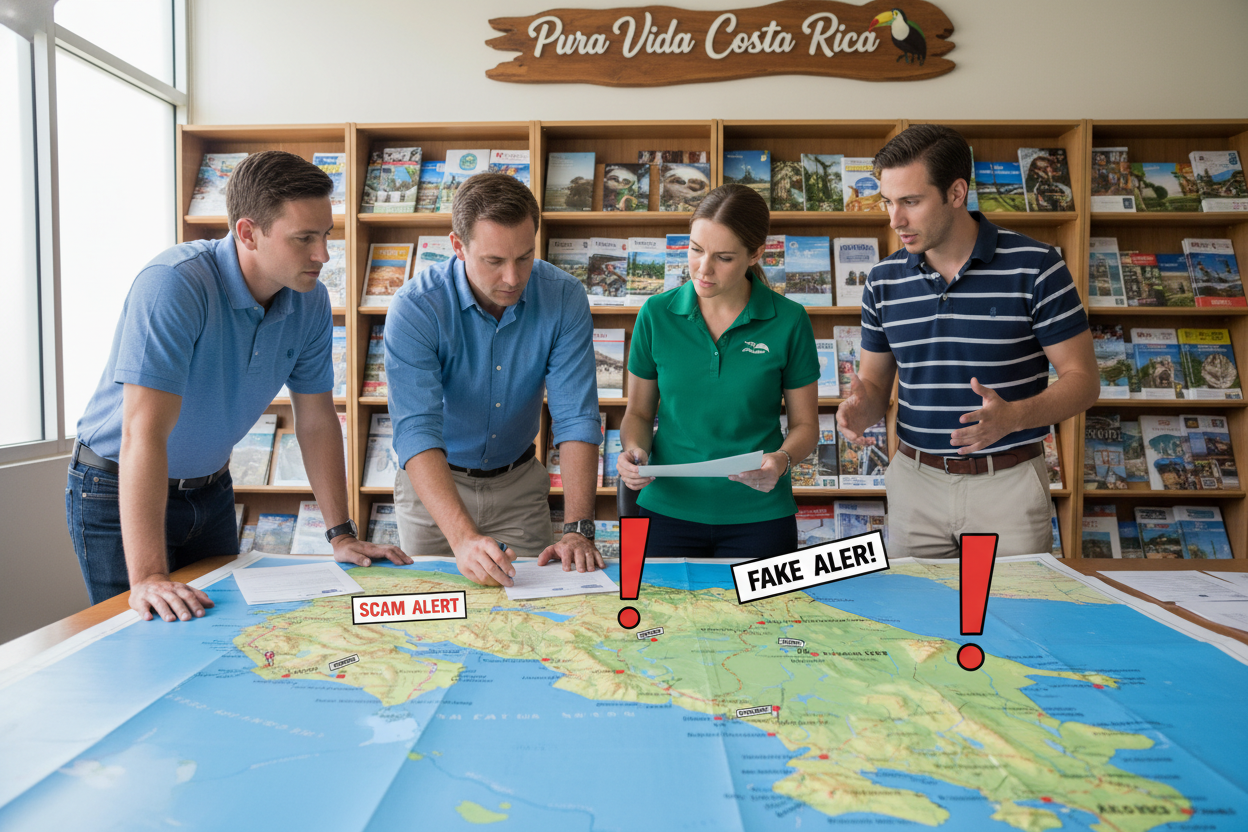
We understand why so many people consider making this beautiful country their home. Costa Rica offers stunning landscapes, political stability, and a welcoming culture. Our role is to provide honest guidance through the residency process.
Over two million visitors arrive here each year. Unfortunately, this popularity has led to increased fraudulent activity. More than 1,300 complaints were filed in a recent year, highlighting the need for careful information verification.
This guide focuses on legitimate residency pathways. We specialize in the Pensionado, Rentista, and Inversionista categories. Each has specific financial thresholds and document requirements established by Costa Rica’s immigration authority.
We emphasize preparation from your home country. Gathering apostilled documents and certified translations is crucial. For personalized guidance, consult with our experts directly.
Understanding Costa Rica Residency: Navigating Pensionado, Rentista, and Inversionista Options

Navigating the legal pathways to residency in Costa Rica begins with understanding the three primary categories. Each option serves a different applicant profile with specific financial requirements.
Eligibility and Income Thresholds
The Pensionado (Pensionado) category requires a guaranteed lifetime pension of at least US$1,000 monthly. The Rentista (Rentista) path demands proof of US$2,500 per month in passive income for two years.
For the Inversionista (Investor) route, a minimum US$150,000 investment in property or a business is needed. Crucially, any property must be titled in your personal name, not through a corporation.
Note that Digital Nomad status is not a residency category. Remote workers seeking actual residency should explore the Rentista option if they meet the income requirements.
Benefits and Lifestyle Perks in Costa Rica
Legal residency provides access to the national healthcare system (CAJA) and duty-free import of household goods. It also starts your clock toward permanent status.
The lifestyle advantages are significant. You gain stability for long-term planning, the ability to get a local driver’s license, and easier integration into the community.
Key Documents and Preparation Steps (Documentos Requeridos)
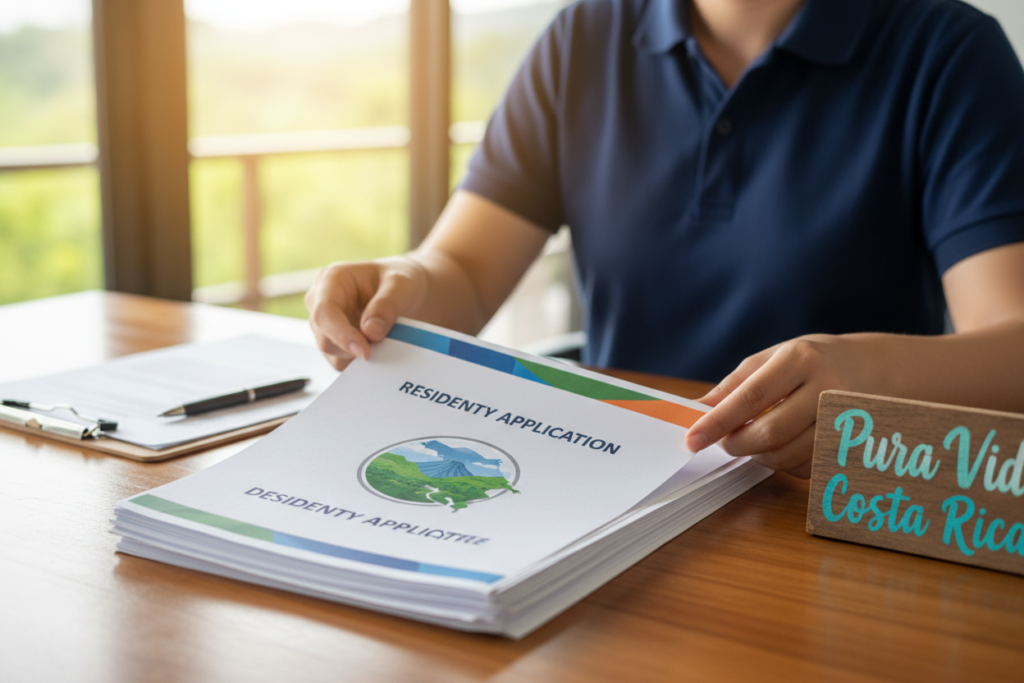
Before you set foot in Costa Rica, the most critical phase of your residency journey begins: gathering and authenticating your required documents. We cannot overstate the importance of starting your Documentos Requeridos preparation from your home country. This upfront research saves significant time and prevents costly mistakes later.
Essential Apostilles and Translations
Costa Rica requires apostilles on foreign-issued documents like birth certificates and police checks. This authentication under the Hague Convention is mandatory. The process varies by country and can take weeks.
Once apostilled, you need certified Spanish translations. These must be done by translators registered with Costa Rica’s Ministry of Foreign Affairs. Using a non-certified translator will get your application rejected.
Compiling Your Application Files from Home
Organize both physical and digital copies before arrival. Create a detailed checklist for your specific residency category. Remember, document validity periods vary—a police report may only be valid for six months.
Proper preparation is an investment. It leads to a smoother application process. Always verify the latest information and document lists at the official migracion.go.cr website, as regulations can change.
Step-by-Step Residency Guidance (Guía Paso a Paso)
Our step-by-step guide demystifies the residency application process in Costa Rica. We provide a clear roadmap from initial qualification to final approval. This knowledge helps you prepare for the journey ahead without unrealistic promises.
Who Qualifies and How to Demonstrate Eligibility
Qualifying for residency requires meeting specific financial thresholds. For Pensionado, you need a permanent pension of at least $1,000 monthly. Rentista applicants must show $2,500 per month for two years.
Demonstrating eligibility demands verifiable documentation. Official bank statements, pension award letters, and property appraisals are standard. All documents must meet Costa Rican legal standards for translation and authentication.
Timelines and Critical Milestones
Processing time varies based on application volume and completeness. It can range from several months to over a year. We emphasize planning for this variability.
Key milestones include submission, completeness review, and substantive assessment. Each stage may involve requests for additional information from immigration authorities.
Maintaining legal status during the process is crucial. This often involves tourist visa compliance. Knowledge of appeal procedures is also important if an application faces denial.
Our role is to guide you through each phase competently. We offer transparent support as you navigate this complex process. For personalized assistance, contact our team.
Common Scams in Costa Rica: Avoiding Fraud in Real Estate and Car Rentals
Awareness of prevalent fraud schemes is your first line of defense when navigating real estate and transportation in Costa Rica. We focus on these areas because they are where newcomers and residency applicants most often encounter deceptive practices.
Red Flags in Property Deals and Investment Offers
In real estate, common scams involve properties with unclear titles or sellers pressuring quick decisions. A major red flag is a price significantly below market value. This often signals title problems or fraud.
For the Inversionista residency route, remember the property must be in your personal name. Scammers may suggest using a corporation, which disqualifies your investment. Always verify ownership through the National Registry (Registro Nacional).
Car Rental and Taxi Meter Manipulation Scams
With car rentals, watch for low advertised rates. Scammers add mandatory insurance at pickup, costing $500-$1,000 extra. Legitimate companies disclose this upfront.
Taxi scams often involve a disabled meter, called a “Maria.” Drivers then charge inflated flat rates. Always use official red or orange taxis with a yellow triangle on the door. This prevents falling victim to “pirate” drivers.
Knowing these red flags protects your finances and your residency plans.
costa-rica-immigration-scams-to-avoid-tips-from-costa-rica-immigration-experts
One of the most damaging threats to your residency plans comes from fraudulent immigration consultants. Over 1,300 complaints in a recent year highlight this widespread issue. These deceptive services target hopeful applicants with convincing promises.
Common scams to avoid include companies guaranteeing approval. No legitimate service can promise this outcome. Final decisions rest solely with Costa Rican immigration authorities.
Fraudulent providers often demand large upfront payments. They may then submit incomplete applications or disappear entirely. Another red flag is offers of “expedited processing” through special connections.
Such shortcuts do not exist in the legal system. Attempting to use them can lead to denial and legal issues. We stress the importance of thorough verification.
Always verify the credentials of any immigration services company. Conduct independent research beyond their marketing materials. Check for reviews across multiple platforms and ask for client references.
Legitimate assistance, like that from CRIE, involves transparent guidance. We explain official processes without unrealistic promises. Our role is to ensure your documents are complete and submitted correctly.
For reliable information, we direct you to crie.cr and the official migracion.go.cr website. Protecting your application starts with choosing trustworthy partners.
Navigating Digital Nomad Myths Versus True Residency
A critical distinction often overlooked by newcomers is the legal difference between temporary visas and actual residency in Costa Rica. We frequently encounter confusion surrounding the Digital Nomad visa. This misunderstanding can derail long-term plans.
It is crucial to understand what this status does and does not provide.
Clarifying Why Digital Nomad Status Does Not Qualify
Costa Rica’s Digital Nomad visa allows remote workers to stay for up to two years. However, it is explicitly a temporary authorization. Holders do not receive a cédula (residency card) and cannot access the national healthcare system.
You remain a temporary visitor without the rights of a resident. Time spent in Costa Rica under this status does not count toward permanent status or citizenship. This is a common and costly misconception.
Exploring the Best Alternative Residency Options
For remote workers seeking actual legal status, the Rentista category is typically the best option. It requires demonstrating passive income of US$2,500 monthly for two years. This provides a legitimate pathway to permanency.
To truly enjoy Costa Rica with stability, formal residency is necessary. The challenge is that active employment income often does not qualify. Careful financial planning is essential.
Our services include evaluating your eligibility for these pathways.
Mistakes to Avoid When Applying for Residency
The path to residency is often lengthened and made more expensive by a handful of predictable pitfalls. We guide clients to learn from others’ errors rather than making them personally.
Common Documentation and Verification Errors
Submitting expired documents is a frequent error. Police background checks, for example, are typically valid for only six months. Using a non-certified translator or missing an apostille will cause immediate rejection.
These small oversights trigger requests for correction. This can delay your entire process by several months. You then face additional fees for new documents and resubmission.
Misunderstanding and Overlooking Income Requirements
Miscalculating income is a major financial pitfall. Rentista applicants often confuse gross and net income. Authorities usually require proof of net, after-tax income of US$2,500 monthly.
Another costly mistake involves the Inversionista category. Purchasing property through a corporation disqualifies the investment. This wastes both your investment money and your application fees.
Our experience shows these are the most common, preventable residency pitfalls. Careful preparation from the start protects your time and money.
Real Experiences and Verification: Learning from Others’ Stories
The collective knowledge of past applicants offers a crucial roadmap for avoiding common pitfalls in the immigration process. We encourage you to learn from others’ experiences, as this research provides practical insights that official guides often miss.
Firsthand Testimonials and Lessons Learned
Authentic stories from previous applicants are invaluable. They help you set realistic expectations and identify both reliable services and potential scams.
Be cautious of testimonials only found on a company’s own website. These can be fabricated or selectively edited. Genuine experiences include specific details about timelines and communication.
How to Verify Credentials and Reviews
Your verification process must be independent. Check reviews across multiple platforms like Google, Facebook, and expat forums.
Look for consistent patterns in feedback rather than isolated comments. A legitimate company will have a reputation across several independent sources.
Always verify a firm’s credentials directly. Confirm their legal registration and ask for references you can contact. This due diligence is a key part of your research.
Our experience shows that applicants who invest in this verification have smoother processes. The knowledge gained protects your investment and your future.
Preparing from Home for a Smooth Transition to Costa Rica
Effective preparation from your home country is the cornerstone of a seamless transition to life in Costa Rica. The difference between organized groundwork and scrambling after arrival can mean months of delays. It also often doubles your costs.
Organizing Your Application Before Arrival
Systematically gather every required document before you leave. This includes apostilled birth certificates and police checks. Arrange certified Spanish translations remotely with approved translators.
Financial preparation goes beyond proving income for your residency category. Budget for all application fees, legal costs, and translation services. Plan for temporary housing and daily living expenses during the process.
If you need a car, research rental fees and mandatory insurance requirements. These add significant daily costs. Understanding the colón to dollar exchange rate is crucial for managing your budget.
Checking Official Sources: crie.cr and migracion.go.cr
Rely exclusively on migracion.go.cr for official procedures and requirements. Use crie.cr for professional guidance and assistance. Third-party information is often outdated or inaccurate.
Regulations and required documents can change. Verify details directly at these sources before finalizing your plans. This simple step protects your application from avoidable errors.
The way you prepare from home sets the trajectory for your entire residency journey. Arriving with complete documents and a realistic budget leads to a smoother process.
Your Secure Future in Costa Rica Awaits
Your journey toward a stable future here culminates in applying the knowledge you’ve gained to avoid common traps. A secure life in Costa Rica is absolutely achievable through legitimate residency pathways and proper preparation.
This guide has shown you how to enjoy Costa Rica fully by steering clear of pitfalls. These scams often target tourists and new applicants. Protecting your money and time is essential for your residency goals.
Falling victim to a property scam or fraudulent service can derail your entire application. Always verify offers and research companies through independent reviews. For a deeper dive, consult our detailed guide.
The right way forward combines vigilance with professional support. We help you navigate car rental insurance, taxi meters, and real estate deals correctly. Your diligent effort leads to the best possible results.
Ready to begin? Contact us for transparent guidance. WhatsApp +506 8706 3888 | info@crie.cr.
FAQ
What are the most common residency scams we should watch for?
We advise vigilance against “guaranteed approval” offers from unverified consultants and fraudulent “investment opportunities” in real estate or businesses. Always verify a lawyer’s credentials with the Costa Rican Colegio de Abogados and never transfer large sums for “expedited” services that don’t exist.
How can we avoid scams when renting a car or using taxis?
For car rentals, only use reputable, well-reviewed companies and thoroughly document the vehicle’s condition before driving off. With taxis, insist the driver uses the meter (*maría*) or agree on a fare before the trip starts to avoid inflated rates.
Does the Digital Nomad Visa lead to permanent residency?
No, it does not. The Digital Nomad Visa is a temporary status with no path to permanent residency or citizenship. For long-term plans, you must apply for a traditional option like Pensionado, Rentista, or Inversionista when eligible.
What is the biggest mistake people make with their residency application?
A common error is submitting documents without the proper apostille and official Spanish translation. Every foreign-issued document, like birth certificates or police records, must have both to be accepted by immigration authorities.
How do we verify if a real estate agent or lawyer is legitimate?
A> Check their professional license number. For lawyers, verify their active status on the Costa Rican Bar Association (Colegio de Abogados) website. For agents, research their history with the National Registry and seek independent client reviews.
Can we start the residency process before moving to Costa Rica?
Absolutely. In fact, we recommend it. You can gather, apostille, and translate most required documents from your home country. This preparation saves significant time and stress after you arrive.
Where can we find the official requirements and forms?
Always refer to primary sources: the Dirección General de Migración y Extranjería website (migracion.go.cr) and the Costa Rican Immigration Experts (crie.cr) portal for official guides and updates.
Article by Glenn Tellier (Founder of CRIE and Grupo Gap)
Don't wait, contact us right now!
Call or WhatsApp Costa Rica +506 8373 2085 or +506 8706 3888
Call USA/Canada +1 305-906-6784