
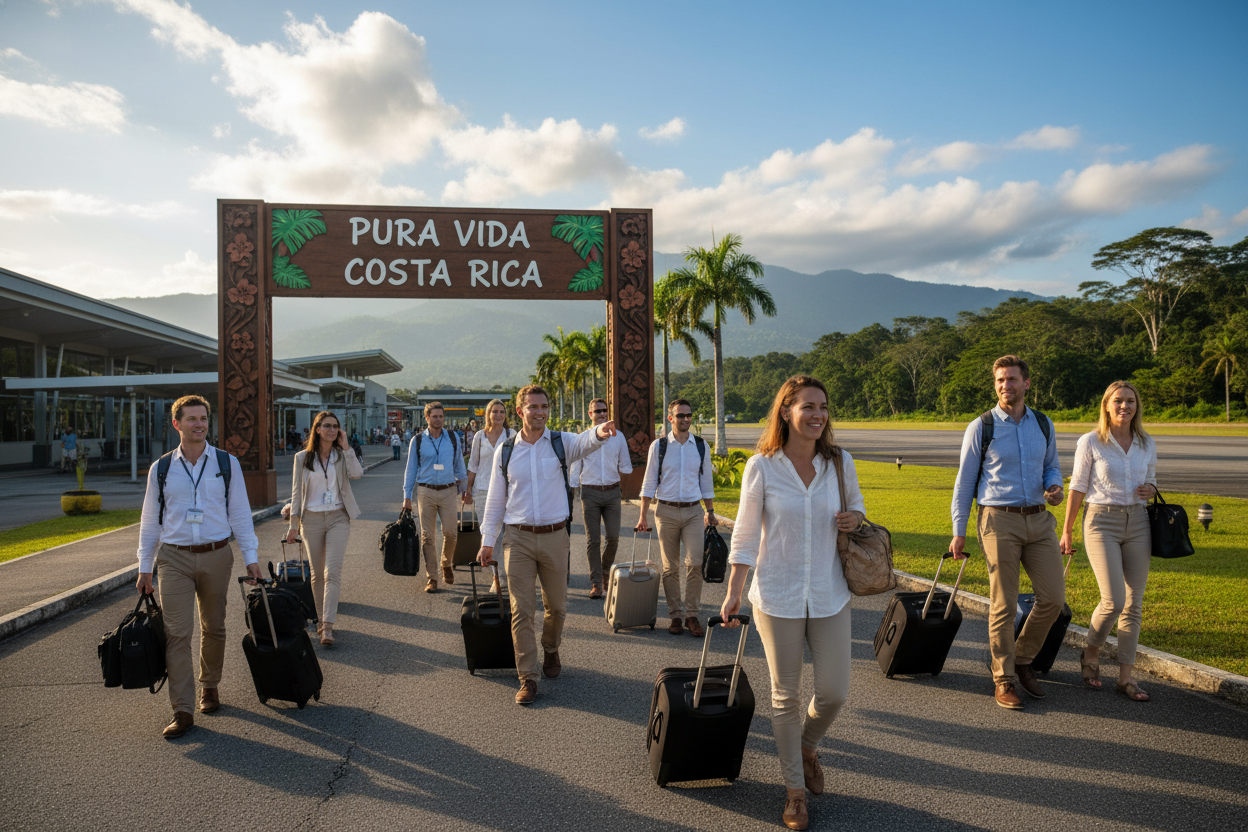
Costa Rica has long been sold as a tropical paradise. Its stunning natural beauty and famous “pura vida” lifestyle paint an irresistible picture for Americans seeking change.
Yet, a growing number of expats are now leaving Costa Rica or seriously reconsidering their plans. The dream of an affordable, relaxed life abroad is meeting a complex reality.
We’re here to provide a candid look at this trend. It’s not about dismissing the country’s charm, but about understanding the practical challenges driving departures.
Our goal is to equip you with transparent, realistic expectations. This helps you determine if this life aligns with your long-term goals before committing.
Factors like rising costs, bureaucratic hurdles, and cultural adjustments test even the most dedicated residents. For a detailed look at these pressures, explore the reasons Americans are packing up and.
We believe informed decisions are the best ones. Let’s explore the complete picture beyond the postcard.
Key Trends in Expats Exiting Costa Rica: Understanding Why
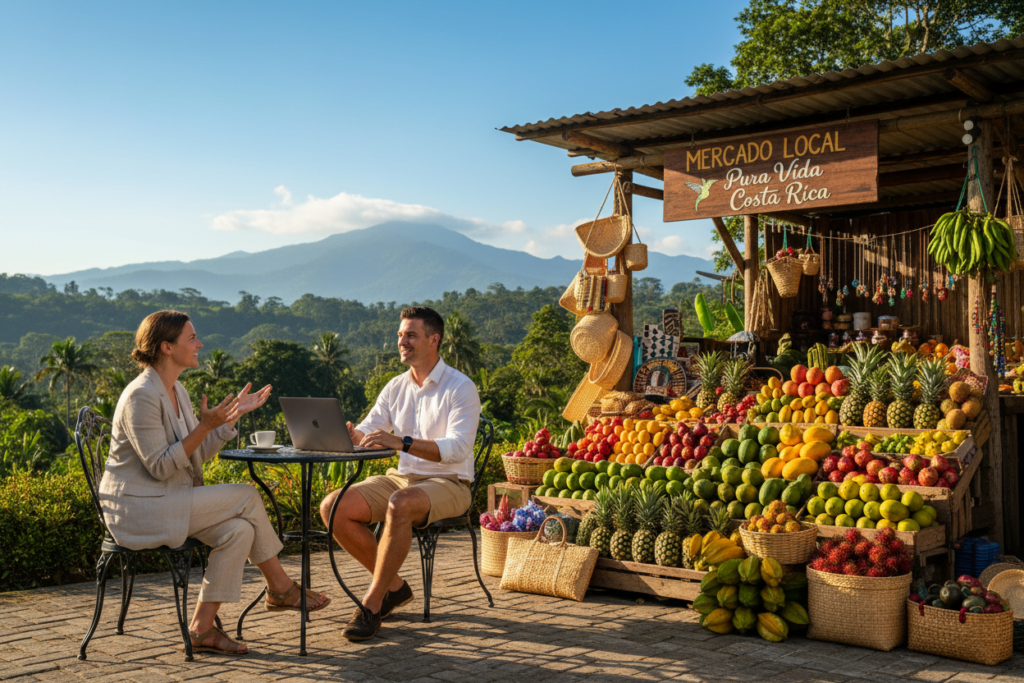
Economic realities and daily living conditions are testing the sustainability of the expatriate dream. Our analysis shows two primary categories driving this reassessment.
Economic Pressures and Lifestyle Adjustments
The cost of living in Costa Rica has shifted dramatically. Housing, groceries, and services now rival U.S. prices in many cities.
High import taxes inflate costs for cars and electronics. For retirees on fixed incomes, this new financial reality forces difficult budget decisions.
Shifts in Healthcare and Infrastructure Demands
Healthcare access creates a complex choice. Expats often pick between costly private insurance or lengthy waits in the public Caja system.
Infrastructure gaps add daily friction. Unreliable internet challenges remote workers. Rough roads and periodic power outages test patience outside urban centers.
Navigating Costa Rica’s Bureaucracy and Residency Challenges
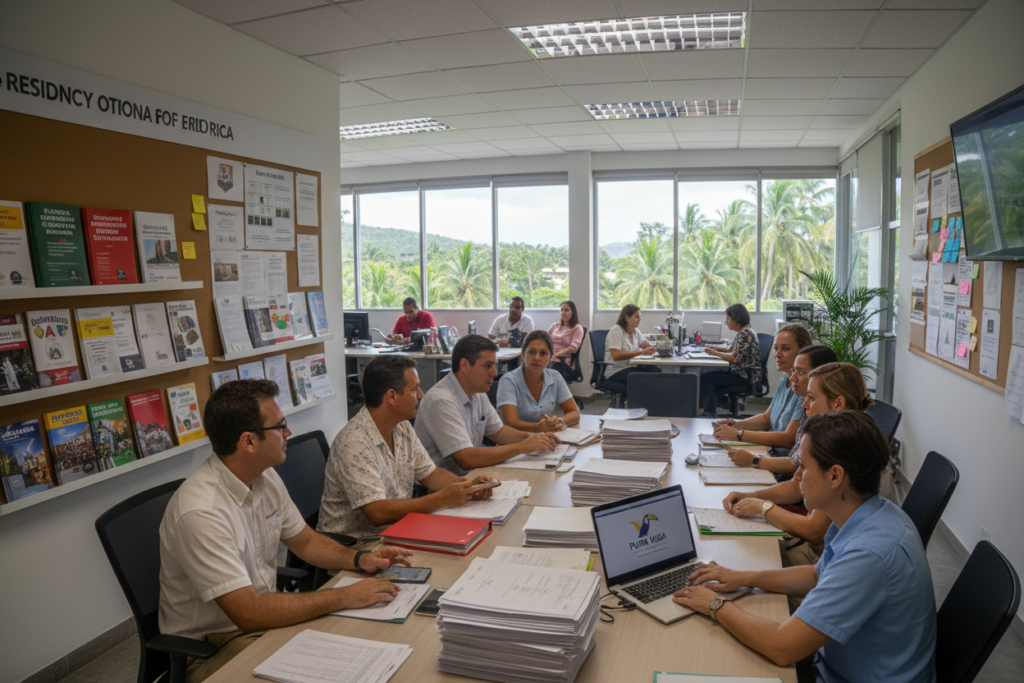
The dream of a simple move to Costa Rica often collides with a labyrinth of government procedures. The residency process involves layers of bureaucracy that test even the most patient applicants.
This isn’t a criticism of the country. It’s the reality of navigating a government system that operates differently. Many expats report long delays and unclear requirements.
Understanding CRIE’s Residency Services
CRIE (crie.cr) is a specialized service provider focused exclusively on Costa Rica residency and immigration. We don’t handle unrelated services.
Our expertise is getting your documentation right the first time. We act as experienced guides through this complex system. We understand where common delays occur.
Step-by-Step Document Preparation and Timelines
Success depends heavily on preparation from your home country. Documents often need apostilles and certified translations.
They must meet specific formatting from Dirección General de Migración y Extranjería. You can verify current requirements at the official site, migracion.go.cr.
Set realistic timeline expectations. Processes typically take months, not weeks. They can extend if documents are incomplete or policies change.
We ensure your paperwork meets requirements and guide each step. We cannot guarantee specific timelines or outcomes. Ultimate decisions rest with Costa Rican officials.
We’re here to help minimize back-and-forth. For personalized guidance on your situation, contact us via WhatsApp +506 8706 3888 or info@crie.cr.
Preparing for Costa Rica Residency: Who Qualifies and Requirements
The path to Costa Rica residency begins with identifying which of the three main categories fits your situation. Each has specific financial thresholds you must meet. Understanding these requirements upfront prevents costly delays.
Eligibility: Pensionado (Pensionado), Rentista (Rentista), Investor (Inversionista)
The Pensionado (Pensionado) category is popular with retirees. It requires proof of a stable lifetime pension of at least $1,000 USD per month. Sources include Social Security or a private retirement fund.
The Rentista (Rentista) status suits those with other stable income. You must demonstrate $2,500 USD per month guaranteed for two years. This can come from investments or rental properties.
The Inversionista (Inversionista) path requires a minimum $150,000 USD investment. A critical rule: the qualifying property must be in your personal name, not a corporation’s. This is a common oversight.
Common Application Mistakes to Avoid
A lack of proper document preparation causes most problems. Incomplete apostilles on birth certificates or background checks lead to rejections. Official translations must meet strict Costa Rican standards.
Start gathering documents from your home country. Processing times can stretch for many months. Expats often face delays when papers expire during the wait. We help you navigate these pitfalls to avoid starting over.
Digital Nomads vs. Long-Term Residency: Choosing the Right Path
The allure of working remotely from Costa Rica often overshadows a critical legal reality: the Digital Nomad visa is not a residency pathway. This distinction is vital for your long-term plans.
Why Digital Nomad Status Doesn’t Count Toward Residency
This visa is a temporary permit. It allows a legal stay for up to two years while you work for foreign clients.
It does not grant residency rights or count toward permanent status. Years spent on this visa do not accumulate toward citizenship eligibility.
Exploring Alternative Residency Options
For remote workers with stable income, the Rentista category is the logical step. It requires proving $2,500 monthly income for two years.
This grants you actual legal residency. Time under this status counts toward the required years for potential citizenship later.
Some expats compare requirements and explore other countries with clearer digital nomad tracks. You can research digital nomad havens offering a path to elsewhere.
Think about your five-year goal. If Costa Rica is your permanent home, start with proper residency from day one.
The Economic Trade-Offs: Living Costs and Investment Thresholds
The financial benchmarks for legal residency paint an incomplete picture of actual living expenses. We help you analyze if the numbers truly work for a sustainable lifestyle.
Key Income and Investment Requirements in Costa Rica
The Pensionado requirement of $1,000 monthly covers basics in today’s economy. In popular cities or near beaches, it leaves little for travel or dining.
The Rentista level of $2,500 provides more breathing room. It supports a modest, comfortable life with careful budgeting. You’ll make trade-offs on housing location and amenities.
The $150,000 Inversionista investment is a major commitment. This capital is tied up in local property or a business. It must remain in your personal name to qualify.
Balancing Cost of Living with Quality of Life
Tax considerations directly affect your spending power. Costa Rica taxes worldwide income for residents. Professional guidance is essential for accurate planning.
Many expats choose affordable inland cities over premium coastal towns. Shopping at local markets instead of imported supermarkets saves money.
Some find these trade-offs worthwhile for the country’s stability and beauty. Others see better opportunities in different Latin America nations. The right answer depends on your personal priorities and financial flexibility.
Preparing Your Move: Document Readiness and Local Integration
The foundation for a smooth transition to life in Costa Rica is built on getting your documents in perfect order. Success also depends on realistic expectations for cultural integration.
Tips to Get Your Documents Ready from Home
Start your paperwork months before you leave. You need birth certificates, marriage licenses, and police checks. Each requires an apostille for international use.
This special certification makes your documents legal here. Get apostilles and official Spanish translations while still in the U.S. It is much easier. Remember, background checks often expire in six months. Time your application carefully.
Avoiding Pitfalls with Real Expats’ Insights
Many expats report feeling isolated despite living here. Learning Spanish is not optional for true integration. Without it, you remain in an expat bubble.
Popular spots like Santa Teresa have changed. They are now crowded and expensive. The peaceful vibe that attracted people is often gone.
Spend several months here before committing. Visit during the rainy season. Connect with local expat clubs and communities for support. This helps you build a real life, not just a vacation.
Wrapping Up: Next Steps and Strategic Planning for Your Move
Choosing a new home abroad requires matching your personal priorities with a country’s actual offerings. Costa Rica continues to attract many with its natural beauty and stable environment. Yet, sustainable life here demands honest assessment of trade-offs like rising costs and bureaucratic processes.
The trend of people leaving does not mean this country is wrong for everyone. It highlights the need for alignment between your lifestyle needs and local realities. Factors like infrastructure gaps and cultural adjustment test long-term satisfaction.
We recommend strategic planning before any move. Spend extended months in your preferred area, beyond the tourist season. Create a detailed budget based on current local prices, not just minimum residency thresholds.
If Costa Rica residency aligns with your goals, begin document preparation from home. Verify all requirements at the official migration site, migracion.go.cr. For personalized guidance, contact our team specializing in Costa Rica immigration.
Reach us via WhatsApp +506 8706 3888 or email info@crie.cr. Visit www.crie.cr for comprehensive service details. We provide expert navigation through the system, though outcomes depend on official decisions.
If your analysis shows better alignment elsewhere, consider other Latin American or European destinations. Making an informed choice now leads to a successful expat experience wherever you land.
FAQ
What are the main economic factors causing expats to reconsider living in Costa Rica?
The rising cost of living is a primary concern. While the country offers immense natural beauty, prices for imported goods, utilities, and real estate in popular areas have increased significantly. Many retirees and expatriates find their fixed income or savings doesn’t stretch as far as it once did, prompting a reassessment of their long-term financial sustainability in the country.
How does Costa Rica’s residency process contribute to frustration for foreigners?
The process is often slow and bureaucratic. Navigating government agencies like the Dirección General de Migración y Extranjería requires patience and precise documentation. Delays are common, and the rules can seem opaque. This administrative complexity is a frequent reality-check for those accustomed to more streamlined systems, leading some to seek countries with simpler residency pathways.
What is the key difference between a Digital Nomad Visa and permanent residency?
A Digital Nomad Visa is a temporary permit that allows remote workers to live in the country for one or two years, but it does not count toward permanent residency or citizenship. It’s a great way to experience the lifestyle, but for those seeking to stay long-term, applying for a formal residency category like Pensionado, Rentista, or Inversionista is a necessary, separate step with its own set of financial requirements.
What are the most common residency options for retirees and investors?
The three main paths are the Pensionado (Pensioner) visa, requiring a guaranteed lifetime income of at least
FAQ
What are the main economic factors causing expats to reconsider living in Costa Rica?
The rising cost of living is a primary concern. While the country offers immense natural beauty, prices for imported goods, utilities, and real estate in popular areas have increased significantly. Many retirees and expatriates find their fixed income or savings doesn’t stretch as far as it once did, prompting a reassessment of their long-term financial sustainability in the country.
How does Costa Rica’s residency process contribute to frustration for foreigners?
The process is often slow and bureaucratic. Navigating government agencies like the Dirección General de Migración y Extranjería requires patience and precise documentation. Delays are common, and the rules can seem opaque. This administrative complexity is a frequent reality-check for those accustomed to more streamlined systems, leading some to seek countries with simpler residency pathways.
What is the key difference between a Digital Nomad Visa and permanent residency?
A Digital Nomad Visa is a temporary permit that allows remote workers to live in the country for one or two years, but it does not count toward permanent residency or citizenship. It’s a great way to experience the lifestyle, but for those seeking to stay long-term, applying for a formal residency category like Pensionado, Rentista, or Inversionista is a necessary, separate step with its own set of financial requirements.
What are the most common residency options for retirees and investors?
The three main paths are the Pensionado (Pensioner) visa, requiring a guaranteed lifetime income of at least $1,000 per month; the Rentista (Rentier) visa, requiring a guaranteed income of $2,500 per month for two years; and the Inversionista (Investor) visa, which requires a minimum investment of $150,000 in Costa Rican assets, such as property or a business. Each has specific document requirements managed by CRIE.
Why is healthcare often cited as a reason for leaving?
A> While the public healthcare system (CCSS) is affordable, wait times for specialists and elective procedures can be long. Many expats opt for private insurance, but premiums have risen. For those with chronic conditions or who prioritize immediate access to care, this aspect of the system can become a deciding factor in moving to a location with a different healthcare model.
How can I best prepare my documents before applying for residency?
A> Start early and get everything apostilled or authenticated in your home country. This includes birth certificates, marriage certificates, police clearance reports, and proof of income or investment funds. Using a reputable service like CRIE (crie.cr) can help navigate the specific legalizations and translations required by Costa Rican authorities, preventing costly delays after you arrive.
Is the "Pura Vida" lifestyle sustainable for everyone long-term?
A> The relaxed pace and focus on community are major draws. However, some expats experience cultural isolation or find the slower approach to business and infrastructure maintenance challenging. The initial paradise feel can give way to a more nuanced reality. Successful long-term integration often depends on one’s adaptability, language effort, and connection to local communities beyond the expat bubble.
,000 per month; the Rentista (Rentier) visa, requiring a guaranteed income of ,500 per month for two years; and the Inversionista (Investor) visa, which requires a minimum investment of 0,000 in Costa Rican assets, such as property or a business. Each has specific document requirements managed by CRIE.
Why is healthcare often cited as a reason for leaving?
A> While the public healthcare system (CCSS) is affordable, wait times for specialists and elective procedures can be long. Many expats opt for private insurance, but premiums have risen. For those with chronic conditions or who prioritize immediate access to care, this aspect of the system can become a deciding factor in moving to a location with a different healthcare model.
How can I best prepare my documents before applying for residency?
A> Start early and get everything apostilled or authenticated in your home country. This includes birth certificates, marriage certificates, police clearance reports, and proof of income or investment funds. Using a reputable service like CRIE (crie.cr) can help navigate the specific legalizations and translations required by Costa Rican authorities, preventing costly delays after you arrive.
Is the "Pura Vida" lifestyle sustainable for everyone long-term?
A> The relaxed pace and focus on community are major draws. However, some expats experience cultural isolation or find the slower approach to business and infrastructure maintenance challenging. The initial paradise feel can give way to a more nuanced reality. Successful long-term integration often depends on one’s adaptability, language effort, and connection to local communities beyond the expat bubble.
Article by Glenn Tellier (Founder of CRIE and Grupo Gap)
Don't wait, contact us right now!
Call or WhatsApp Costa Rica +506 8373 2085 or +506 8706 3888
Call USA/Canada +1 305-906-6784