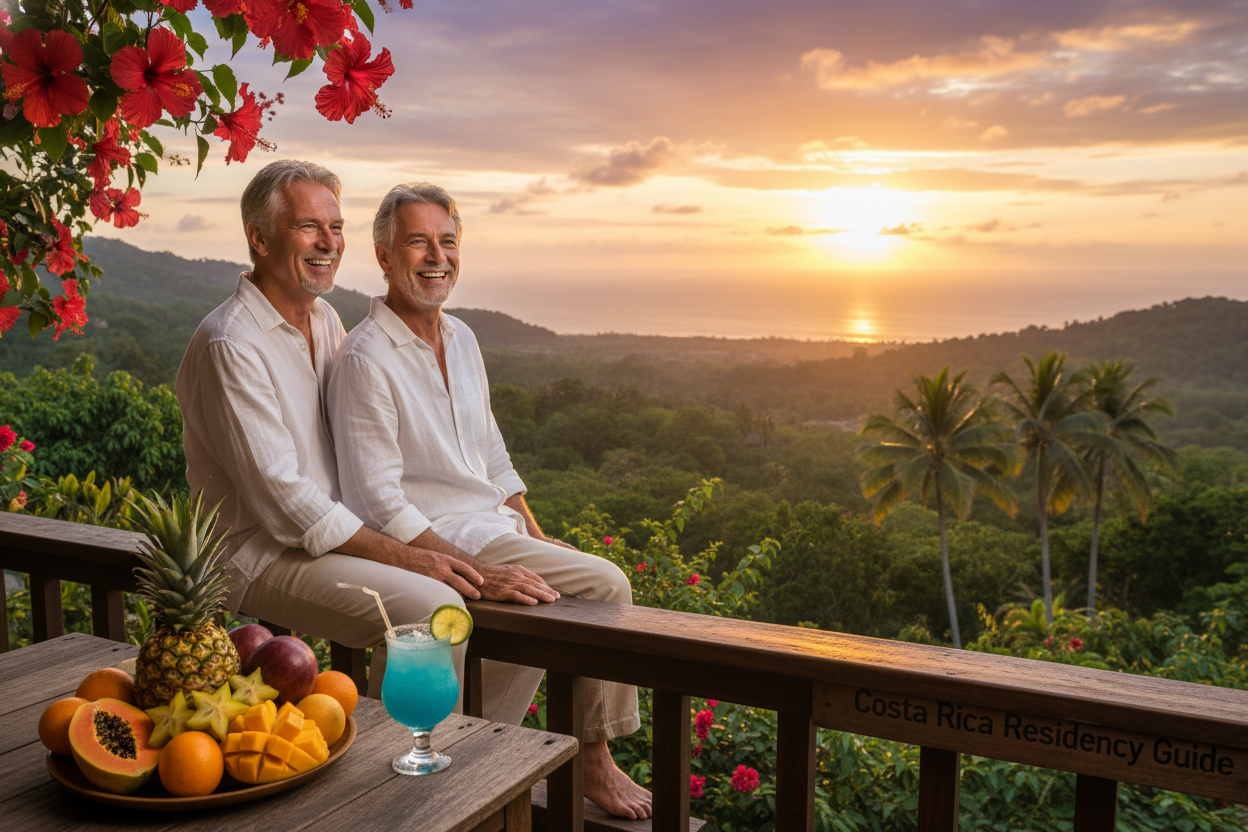
Dreaming of a tropical retirement with stability and beauty? You’re not alone. More than 120,000 U.S. citizens have already made this move.

Costa Rica offers a structured Pensionado Residency program for foreign nationals with lifetime pensions. It’s a clear pathway for retirees seeking a new home.

We are CRIE. We provide residency and immigration services exclusively. Our role is to offer clear, step-by-step guidance through the legal process—no financial advice, just expert support.

This country is renowned for its pura vida lifestyle. It means a slower pace, natural beauty, and welcoming communities. Costa Rica ranks 54th on the Global Peace Index, much higher than the U.S. Its universal healthcare system is ranked in the world’s top 25%.

This guide walks you through everything. We cover qualification criteria, required documents, application procedures, and practical tips for integration. Think of us as your knowledgeable partner, here to provide transparent guidance for your journey.

Introduction to Costa Rica Residency for Pensioners
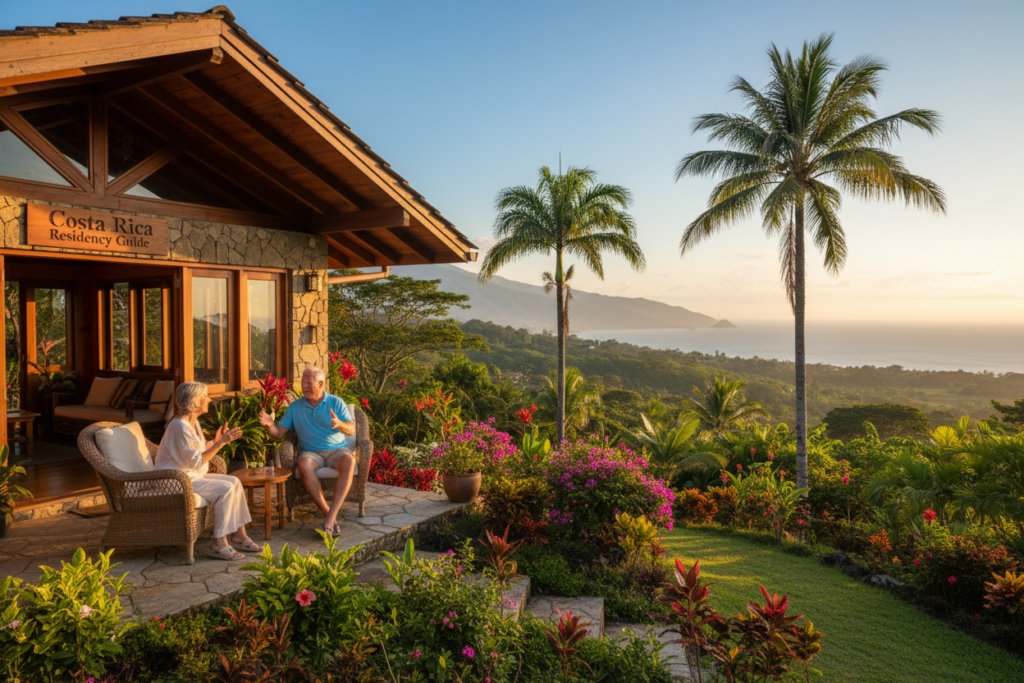
Costa Rica residency program

For those with a stable retirement pension, Costa Rica provides a dedicated residency visa category known as Pensionado (Pensionado). This program is established under Law No. 9996, with regulations finalized in 2022. It’s designed for foreign nationals who receive a guaranteed lifetime income of at least $1,000 USD per month.

The visa grants an initial two-year temporary residency, which is renewable. Holders gain legal residence, can import household goods duty-free, and access the public healthcare system. Importantly, this visa does not permit working as an employee for a local company. You may, however, own a business or earn income from abroad.

This temporary status is a direct pathway. After maintaining it for three years, you can apply for permanent residency. Citizenship eligibility follows after seven years of continuous residency.

We stress that your preparation can—and should—begin from your home country. Gathering documents, obtaining apostilles, and arranging official translations are critical first steps. This upfront work makes the transition to life in Costa Rica much smoother. The core qualification framework revolves around proving your pension income, submitting proper documentation, enrolling in the CAJA system after approval, and meeting minimum stay requirements.

Who Qualifies for the Pensionado (Pensionado) Visa?
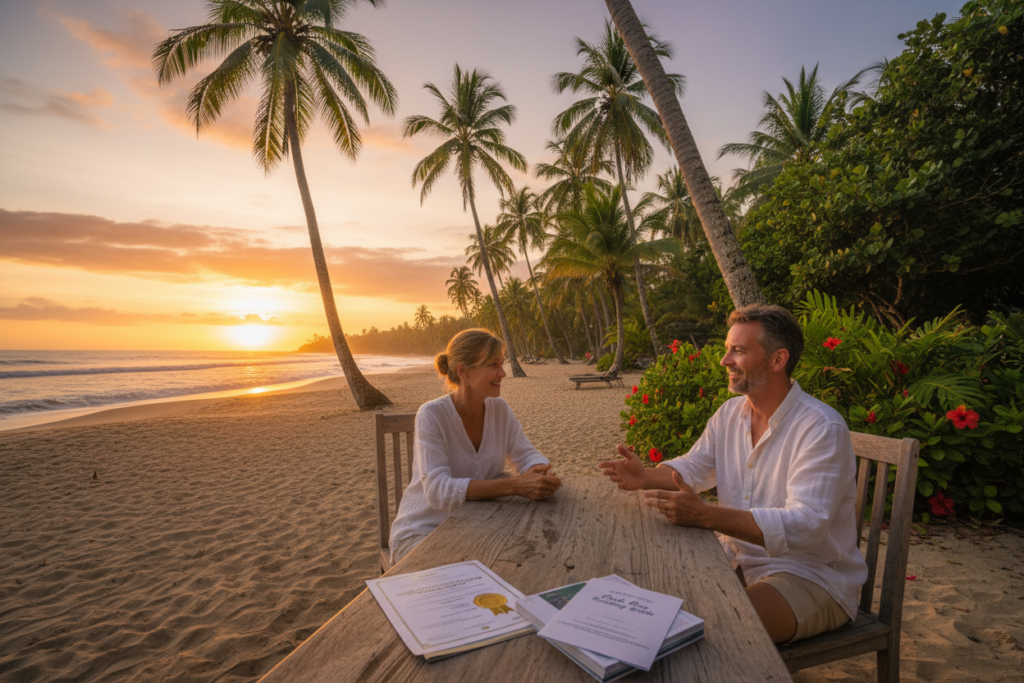
Pensionado visa qualifications

The Pensionado visa eligibility is straightforward but has specific, non-negotiable financial criteria. You must prove a guaranteed, lifetime pension of at least $1,000 USD per month. This income must come from a single, permanent source like a government Social Security benefit, a private pension fund, or a retirement annuity.

Acceptable sources are those that provide payments for life. A critical limitation exists: the primary applicant must individually receive the full qualifying amount. You cannot combine your pension with a spouse’s income to meet the $1,000 threshold.

This visa does allow you to include dependents. Your spouse, children under 25, and adult children with disabilities can be part of your application. Temporary income, investment dividends alone, or savings withdrawals do not qualify.

If your specific pension situation raises questions, we recommend verifying directly with Costa Rica’s immigration authority. Meeting the income requirement is the essential first step for residency. The next phase involves meticulous documentation, which we detail in our guide to the Costa Rica retirement visa process.

Essential Documents and Preparations Before Arrival

The foundation of a successful residency application lies in meticulous document preparation. This is a process you can and should begin from your home country. Starting early helps you avoid significant delays later.

Two critical steps often cause confusion: document authentication and translation. Understanding these requirements is your first practical step.

Obtaining Apostilles and Official Translations

Key documents must be authenticated for use in Costa Rica. Your birth certificate, marriage certificate, and police clearance need an Apostille Certificate. This official seal verifies the document’s legitimacy for the authorities here.

Every foreign document must also have an official Spanish translation. You must use an authorized translator recognized by the government. Simple online translations will not meet the legal standards for your application.

Gathering Your Identification and Supporting Papers

Your complete package includes several items. You will need a valid passport with certified copies, recent passport photos, and completed application forms. Also required is an apostilled birth certificate and a police clearance issued within the last six months.

Your pension proof is crucial. The benefits letter must be issued within six months. It must clearly state the monthly amount, payment frequency, and lifetime guarantee. This document also requires an apostille and official translation.

Our best advice is to account for processing time. Getting apostilles can take weeks. Since police clearances have a six-month validity, starting early keeps everything current. Remember the $250 USD government fee per applicant.

We can provide personalized guidance on your specific document checklist. Having everything ready before submission is the key to a smooth process.

Step-by-Step Application Process for Costa Rica Residency

Navigating the application process for Costa Rica residency involves clear, sequential steps. We’ll guide you through final preparation, submission, and what to expect during review. This phase turns your prepared documents into an official request for legal status.

Preparing Your Complete Application Package

A “complete package” means every item is present and correct. This includes forms filled in Spanish, all supporting papers apostilled and translated, and current pension verification. Certified passport copies and paid fees are also mandatory.

Accuracy here is crucial to avoid delays. Many applicants work with an immigration service to ensure everything meets the local standards.

Submission and Review Procedures

You have two submission options. You can file in person at the Dirección General de Migración y Extranjería in Costa Rica. Alternatively, an authorized legal representative can submit for you if you are abroad.

During the review period, you may stay in the country as a tourist. You can enter and exit freely, as long as you maintain valid tourist status. Your application continues processing during this time.

Processing time typically ranges from 3 to 6 months. Government backlogs can sometimes extend this period significantly. We emphasize patience, as timelines are not guaranteed.

Upon approval, you will receive your DIMEX card. This is your official residency ID. The next required step is enrolling in the CAJA healthcare system.

Monitor your status via the official immigration website. Stay in contact with your legal representative for any updates.

Ultimate Guide: retire-in-paradise-costa-rica-residency-for-pensioners Requirements and Income Thresholds

Costa Rica offers three distinct residency categories, each with specific financial thresholds. Understanding these pathways helps you choose the option that aligns with your financial profile.

Pensionado Income: $1,000+ US Dollars Per Month

The Pensionado visa requires a guaranteed lifetime pension of at least $1,000 USD monthly. This income must come from a single, permanent source like Social Security. It is the most straightforward option for traditional retirement.

Other Residency Options: Rentista and Inversionista

The Rentista category suits those without a formal pension. It requires proof of $2,500 USD in monthly income for two years. This can come from investments, rentals, or other passive sources.

The Inversionista pathway is for investors. It demands a minimum investment of $150,000 USD in qualifying Costa Rican assets. These include real estate, businesses, stocks, or approved funds.

A critical rule applies to real estate investments. The qualifying property must be registered in the applicant’s personal name, not through a corporation.

All three options grant temporary residency, renewable every two years. They provide a pathway to permanent status after three years. We can help assess which category fits your situation, though we cannot guarantee approval.

Avoiding Common Mistakes in Your Residency Application

Many applicants encounter avoidable delays by overlooking critical details in their Costa Rica residency paperwork. We provide practical advice to help you keep these common errors in mind.

A frequent issue involves expired documents. Police clearance certificates are only valid for six months. Your pension verification letter must also be recently issued.

Translation and apostille errors will halt your application. Every foreign document needs proper authentication and an official Spanish translation from an authorized professional.

For Inversionista applicants, a fundamental mistake is using corporate-held property. The law specifically requires personal ownership of the qualifying real estate asset.

Bank account timing is another practical concern. Opening a local account can take weeks, so start the process early. Also, maintain valid tourist status if you are in the country during processing.

After approval, you must register with the CAJA healthcare system. Failing to complete this step delays the finalization of your residency status.

Working with experienced guidance helps you navigate these requirements and fees correctly. We emphasize realistic expectations and proper preparation. For specific situations, verify directly with the official immigration website.

Understanding Timelines and Processing Durations

Setting realistic expectations for how long the residency process takes is crucial for a stress-free transition to life in Costa Rica. The journey involves distinct phases, each requiring a different amount of time.

Typical Processing Times and Expected Delays

Pre-application document preparation often requires 1 to 3 months. This includes obtaining apostilles, police clearances, and official translations.

Government processing in Costa Rica typically takes 3 to 6 months. However, backlogs can extend this period significantly—sometimes to 9 months or more. We cannot guarantee specific timelines, as they fluctuate based on application volume. For the most current information, verify directly with migracion.go.cr.

Tips to Expedite Your Application

Submit a complete and accurate application package. Ensure all documents are properly apostilled and translated to avoid delays.

Working with an experienced legal representative can help navigate the Costa Rica immigration system efficiently. Respond immediately to any requests for additional information.

Remember, while your application is processing, you may enter and exit the country as a tourist. Your initial visa is granted for two years and must be renewed. After three years of maintained residency, you can apply for permanent status.

Leveraging CRIE (crie.cr) to Start Your Process from Home

One of the smartest moves you can make is preparing your residency documents from home. This approach saves significant time and reduces stress when you eventually arrive in Costa Rica.

Contacting CRIE for Personalized Guidance

We provide residency and immigration services exclusively for Costa Rica. You can reach us via WhatsApp at +506 8706 3888, email info@crie.cr, or visit www.crie.cr.

Our team offers personalized assessments of your eligibility. We help determine which residency category fits your specific circumstances.

Preparing Your Documents in Advance

Starting from home means you can gather required documents months before traveling. We guide you through obtaining proper apostilles and coordinating with authorized translators.

Our focus is on preparing complete application packages that meet Costa Rica’s legal standards. We navigate the immigration procedures for Pensionado, Rentista, and Inversionista applications.

We provide expert guidance but cannot guarantee outcomes or timelines. Immigration decisions rest with government authorities. Taking this first step from home puts you on the right path.

Registering with Costa Rica’s Caja (Caja Costarricense de Seguro Social) After Approval

A critical step in finalizing your legal status is enrolling in Costa Rica’s public healthcare system. This requirement becomes mandatory only after your residency application receives official approval.

Steps to Enroll in the Public Healthcare System

You cannot receive your DIMEX residency card until you complete CAJA registration. This is a non-negotiable part of the process.

Monthly contributions are based on your declared income. Retirees typically pay 7-11% of their reported pension to gain access to this healthcare system.

CAJA covers 90-100% of medical costs. It provides comprehensive security for residents. The system ranks 47th globally, but public facilities can have longer wait times.

Many expats maintain dual coverage. They use CAJA for baseline care and add private insurance from Costa Rican providers for faster service.

The enrollment process requires an appointment at a local CAJA office. You must present your approval documents and DIMEX materials. This includes proof of your qualifying income, such as a Social Security pension.

We can guide you through these procedures. We make no guarantees about healthcare quality or service levels, as these are set by the public system.

Lifestyle and Practical Tips for Retirees in Costa Rica

Embracing the pura vida lifestyle is a central part of daily life for retirees in Costa Rica. This cultural philosophy emphasizes a slower pace, connection to nature, and simple pleasures. It fosters a genuine sense of well-being that attracts people worldwide.

The climate offers year-round tropical warmth, typically 70-90°F. Coastal areas are hotter and humid, while the central highlands provide cooler, temperate conditions. You gain immediate access to rainforests, over 30 national parks, and pristine beaches.

Costa Rican communities are known for being friendly and family-oriented. Ticos often welcome foreign retirees into their neighborhoods. Thriving expat groups also exist, offering social connections and English-language resources.

Practical considerations shape your living experience. Learning conversational Spanish is valuable for daily interactions beyond tourist zones. The country is very pet-friendly, with dogs in about 75% of households.

Overall costs run approximately 30% lower than in the United States. Your budget depends heavily on lifestyle choices like beachfront living or imported goods. We emphasize realistic expectations about infrastructure and cultural adjustments.

Comparing Residency Options: Pensionado, Rentista, and Inversionista

Your financial profile determines which of Costa Rica’s three main residency categories you qualify for. Each pathway has distinct requirements tailored to different types of retirement funding.

The Pensionado visa is for traditional retirees. It requires a guaranteed lifetime pension of at least $1,000 USD per month. This option is ideal for those receiving Social Security or a private retirement benefit.

The Rentista category suits individuals without a formal pension. It demands proof of $2,500 USD in monthly passive income for two years. This can come from rental properties, investments, or other reliable sources.

The Inversionista pathway is for investors. It requires a minimum $150,000 USD investment in qualifying assets like real estate or a local business. A key rule: property used for this visa must be in your personal name.

All three options grant renewable temporary residency. They provide the same pathway to permanent status after three years. We can help assess which category fits your specific financial situation.

Digital Nomad Clarification and Alternative Residency Pathways

A common point of confusion for those planning a move to Costa Rica is the distinction between its Digital Nomad visa and actual residency programs. We must clarify a critical fact: the Digital Nomad visa is not a residency category. Time spent under this status does not count toward permanent residency or citizenship requirements.

This visa offers a one-year temporary stay permit. It is designed for location-independent workers and their families who earn over $3,000 USD monthly from remote work. While the income threshold might seem appealing, it’s a visitor category for short-term stays.

For retirees seeking a long-term home, this is not a suitable pathway. True legal residency in Costa Rica comes from the Pensionado, Rentista, or Inversionista categories. These provide renewable status and a direct route to permanent residency after three years.

If your monthly income exceeds $3,000 from a pension, the Pensionado visa requires only $1,000. For passive investment income, the Rentista option requires proof of $2,500 per month. These are the appropriate long-term options.

Years on a Digital Nomad visa do not accumulate toward the seven-year citizenship timeline. Only official residency status starts that clock. We recommend contacting us to assess which residency pathway aligns with your goals in Costa Rica.

Tax Implications and Financial Benefits for U.S. Retirees

A major financial consideration for U.S. retirees in Costa Rica is navigating the tax systems of two countries. We provide general information to clarify this landscape.

Costa Rica operates a territorial tax system. This is a significant advantage. Only income earned within the country is subject to local taxation.

Understanding Costa Rica’s Territorial Tax System

Your foreign-source income is not taxed here. This includes U.S. Social Security benefits, pension payments, and IRA withdrawals. Investment dividends and capital gains from abroad are also exempt.

However, U.S. citizens must still file annual federal tax returns. You report worldwide income. Residency in Costa Rica does not eliminate this obligation.

Specific reporting rules apply for expats. You may need to file an FBAR for foreign bank accounts. Form 8938 is required for certain higher-value foreign assets.

Local benefits include low property tax, often just 0.25% annually. Law No. 9996 also offers a transfer tax reduction. Strategic retirement funds planning is essential.

We strongly advise consulting a qualified tax professional. They can ensure compliance with both U.S. and Costa Rican requirements.

Integrating into Costa Rican Communities and Daily Life

Your daily experience in Costa Rica will be shaped by where you choose to live and how you engage with local culture. We guide you through selecting an ideal location based on climate, healthcare access, and budget.

Choosing the Ideal Location: San José, Tamarindo, and Beyond

Many retirees start in the Central Valley. San José, the capital, offers a temperate climate and top-tier hospitals. It provides urban conveniences and active expat communities.

For a sunny coastal lifestyle, consider Guanacaste. Towns like Tamarindo feature golden beaches and a thriving social scene. This region is a hub for expat living.

Value alternatives exist. Puerto Viejo on the Caribbean coast offers a tropical atmosphere at a lower cost. Ojochal provides peaceful village life with a tight-knit community.

Realistic budgets for couples vary by area. Inland towns may require $2,500-$3,200 monthly. The Central Valley and San José often range from $3,000-$3,500.

Popular Pacific beach areas like Tamarindo can cost $3,200-$4,500+. Rent for a two-bedroom apartment in San José spans $800-$2,500 monthly.

Cultural Adjustments and Learning Basic Spanish

Conversational Spanish is essential for genuine integration. While English is common in expat areas, local shopping and government interactions require Spanish.

Understanding the slower pura vida pace is key. Respecting local customs helps you build meaningful connections within Costa Rican communities.

Your Next Steps Towards a New Chapter in Costa Rica

Your journey to a new life in Costa Rica begins with a single, informed decision. The path through Pensionado, Rentista, or Inversionista residency is structured and clear. Each leads to renewable legal status, with permanent residency after three years.

This country offers a compelling value for retirees. You gain a territorial tax system, quality healthcare access, and a lower cost of living. Welcoming expat and local communities enrich your daily experience in one of the world’s most peaceful nations.

Realistic preparation is key. We provide Costa Rica residency and immigration services exclusively. For personalized advice, reach out via WhatsApp at +506 8706 3888, email info@crie.cr, or visit www.crie.cr. Start planning your retirement transition today.

FAQ

What is the main residency visa for retirees in Costa Rica?

The primary option is the Pensionado visa. It’s designed for foreign nationals with a stable lifetime pension. To qualify, you must prove a minimum monthly income of What is the main residency visa for retirees in Costa Rica?The primary option is the Pensionado visa. It’s designed for foreign nationals with a stable lifetime pension. To qualify, you must prove a minimum monthly income of

FAQ

What is the main residency visa for retirees in Costa Rica?

The primary option is the Pensionado visa. It’s designed for foreign nationals with a stable lifetime pension. To qualify, you must prove a minimum monthly income of

FAQ

What is the main residency visa for retirees in Costa Rica?

The primary option is the Pensionado visa. It’s designed for foreign nationals with a stable lifetime pension. To qualify, you must prove a minimum monthly income of $1,000 USD from a qualified pension source. This program offers a straightforward path to legal residency.

How much monthly income do I need for the Pensionado visa?

You need a guaranteed lifetime pension of at least $1,000 USD per month. This income must be verifiable through official documents from your pension provider. Some applicants use Social Security, a private pension, or other government-backed retirement plans to meet this financial requirement.

What are the other main residency options besides Pensionado?

Costa Rica offers two other popular pathways. The Rentista visa requires proof of a $2,500 monthly income for two years, guaranteed by a bank. The Inversionista visa requires a minimum investment of $150,000 USD in approved Costa Rican assets, like real estate or a business.

How long does the residency application process typically take?

A> You should plan for a process that can take several months, often between 6 to 12 months from submission. Timelines vary based on government agency caseloads and the completeness of your file. Working with a reputable facilitator like CRIE can help manage expectations and avoid unnecessary delays.

Do I need to speak Spanish to apply for residency?

While not a formal requirement, learning basic Spanish is highly advisable for daily life. For the application process, all official documents not in Spanish must be translated by an accredited translator in Costa Rica. This step is mandatory for government review.

What is the first step I should take from my home country?

We recommend starting by contacting a specialized firm like CRIE (crie.cr) for a consultation. They can review your specific situation—pension type, family members—and provide a personalized checklist. Your first tasks usually involve gathering and apostilling documents like birth certificates and pension verification letters.

How does healthcare work for retirees with residency?

Once your residency is approved, you must enroll in the Caja Costarricense de Seguro Social (Caja). This public healthcare system provides comprehensive coverage for a small monthly fee based on your declared income. Many retirees also maintain private international insurance for added flexibility and access.

What are the tax implications for U.S. retirees living in Costa Rica?

Costa Rica uses a territorial tax system. This means you generally only pay local income tax on money earned within the country. Your U.S. pension and other foreign-sourced income are not taxed by Costa Rica. You remain responsible for any U.S. tax obligations on your worldwide income, as per IRS rules.

Can I work or run a business with a Pensionado visa?

No, the Pensionado visa is specifically for retirees and does not permit you to work for a Costa Rican company or earn local income. If you wish to start a business or work, you would need to explore a different residency category or obtain a separate work permit, which involves distinct requirements.

Where are the most popular areas for expat retirees to live?

Communities thrive in several regions. The Central Valley, including areas near San José, offers a spring-like climate and city amenities. Coastal towns like Tamarindo, Jacó, and Quepos attract those seeking a beach lifestyle. The Lake Arenal region is famous for its natural beauty and cooler mountain air.

,000 USD from a qualified pension source. This program offers a straightforward path to legal residency.

How much monthly income do I need for the Pensionado visa?

You need a guaranteed lifetime pension of at least

FAQ

What is the main residency visa for retirees in Costa Rica?

The primary option is the Pensionado visa. It’s designed for foreign nationals with a stable lifetime pension. To qualify, you must prove a minimum monthly income of $1,000 USD from a qualified pension source. This program offers a straightforward path to legal residency.

How much monthly income do I need for the Pensionado visa?

You need a guaranteed lifetime pension of at least $1,000 USD per month. This income must be verifiable through official documents from your pension provider. Some applicants use Social Security, a private pension, or other government-backed retirement plans to meet this financial requirement.

What are the other main residency options besides Pensionado?

Costa Rica offers two other popular pathways. The Rentista visa requires proof of a $2,500 monthly income for two years, guaranteed by a bank. The Inversionista visa requires a minimum investment of $150,000 USD in approved Costa Rican assets, like real estate or a business.

How long does the residency application process typically take?

A> You should plan for a process that can take several months, often between 6 to 12 months from submission. Timelines vary based on government agency caseloads and the completeness of your file. Working with a reputable facilitator like CRIE can help manage expectations and avoid unnecessary delays.

Do I need to speak Spanish to apply for residency?

While not a formal requirement, learning basic Spanish is highly advisable for daily life. For the application process, all official documents not in Spanish must be translated by an accredited translator in Costa Rica. This step is mandatory for government review.

What is the first step I should take from my home country?

We recommend starting by contacting a specialized firm like CRIE (crie.cr) for a consultation. They can review your specific situation—pension type, family members—and provide a personalized checklist. Your first tasks usually involve gathering and apostilling documents like birth certificates and pension verification letters.

How does healthcare work for retirees with residency?

Once your residency is approved, you must enroll in the Caja Costarricense de Seguro Social (Caja). This public healthcare system provides comprehensive coverage for a small monthly fee based on your declared income. Many retirees also maintain private international insurance for added flexibility and access.

What are the tax implications for U.S. retirees living in Costa Rica?

Costa Rica uses a territorial tax system. This means you generally only pay local income tax on money earned within the country. Your U.S. pension and other foreign-sourced income are not taxed by Costa Rica. You remain responsible for any U.S. tax obligations on your worldwide income, as per IRS rules.

Can I work or run a business with a Pensionado visa?

No, the Pensionado visa is specifically for retirees and does not permit you to work for a Costa Rican company or earn local income. If you wish to start a business or work, you would need to explore a different residency category or obtain a separate work permit, which involves distinct requirements.

Where are the most popular areas for expat retirees to live?

Communities thrive in several regions. The Central Valley, including areas near San José, offers a spring-like climate and city amenities. Coastal towns like Tamarindo, Jacó, and Quepos attract those seeking a beach lifestyle. The Lake Arenal region is famous for its natural beauty and cooler mountain air.

,000 USD per month. This income must be verifiable through official documents from your pension provider. Some applicants use Social Security, a private pension, or other government-backed retirement plans to meet this financial requirement.

What are the other main residency options besides Pensionado?

Costa Rica offers two other popular pathways. The Rentista visa requires proof of a ,500 monthly income for two years, guaranteed by a bank. The Inversionista visa requires a minimum investment of 0,000 USD in approved Costa Rican assets, like real estate or a business.

How long does the residency application process typically take?

A> You should plan for a process that can take several months, often between 6 to 12 months from submission. Timelines vary based on government agency caseloads and the completeness of your file. Working with a reputable facilitator like CRIE can help manage expectations and avoid unnecessary delays.

Do I need to speak Spanish to apply for residency?

While not a formal requirement, learning basic Spanish is highly advisable for daily life. For the application process, all official documents not in Spanish must be translated by an accredited translator in Costa Rica. This step is mandatory for government review.

What is the first step I should take from my home country?

We recommend starting by contacting a specialized firm like CRIE (crie.cr) for a consultation. They can review your specific situation—pension type, family members—and provide a personalized checklist. Your first tasks usually involve gathering and apostilling documents like birth certificates and pension verification letters.

How does healthcare work for retirees with residency?

Once your residency is approved, you must enroll in the Caja Costarricense de Seguro Social (Caja). This public healthcare system provides comprehensive coverage for a small monthly fee based on your declared income. Many retirees also maintain private international insurance for added flexibility and access.

What are the tax implications for U.S. retirees living in Costa Rica?

Costa Rica uses a territorial tax system. This means you generally only pay local income tax on money earned within the country. Your U.S. pension and other foreign-sourced income are not taxed by Costa Rica. You remain responsible for any U.S. tax obligations on your worldwide income, as per IRS rules.

Can I work or run a business with a Pensionado visa?

No, the Pensionado visa is specifically for retirees and does not permit you to work for a Costa Rican company or earn local income. If you wish to start a business or work, you would need to explore a different residency category or obtain a separate work permit, which involves distinct requirements.

Where are the most popular areas for expat retirees to live?

Communities thrive in several regions. The Central Valley, including areas near San José, offers a spring-like climate and city amenities. Coastal towns like Tamarindo, Jacó, and Quepos attract those seeking a beach lifestyle. The Lake Arenal region is famous for its natural beauty and cooler mountain air.

,000 USD from a qualified pension source. This program offers a straightforward path to legal residency.How much monthly income do I need for the Pensionado visa?You need a guaranteed lifetime pension of at least

FAQ

What is the main residency visa for retirees in Costa Rica?

The primary option is the Pensionado visa. It’s designed for foreign nationals with a stable lifetime pension. To qualify, you must prove a minimum monthly income of

FAQ

What is the main residency visa for retirees in Costa Rica?

The primary option is the Pensionado visa. It’s designed for foreign nationals with a stable lifetime pension. To qualify, you must prove a minimum monthly income of $1,000 USD from a qualified pension source. This program offers a straightforward path to legal residency.

How much monthly income do I need for the Pensionado visa?

You need a guaranteed lifetime pension of at least $1,000 USD per month. This income must be verifiable through official documents from your pension provider. Some applicants use Social Security, a private pension, or other government-backed retirement plans to meet this financial requirement.

What are the other main residency options besides Pensionado?

Costa Rica offers two other popular pathways. The Rentista visa requires proof of a $2,500 monthly income for two years, guaranteed by a bank. The Inversionista visa requires a minimum investment of $150,000 USD in approved Costa Rican assets, like real estate or a business.

How long does the residency application process typically take?

A> You should plan for a process that can take several months, often between 6 to 12 months from submission. Timelines vary based on government agency caseloads and the completeness of your file. Working with a reputable facilitator like CRIE can help manage expectations and avoid unnecessary delays.

Do I need to speak Spanish to apply for residency?

While not a formal requirement, learning basic Spanish is highly advisable for daily life. For the application process, all official documents not in Spanish must be translated by an accredited translator in Costa Rica. This step is mandatory for government review.

What is the first step I should take from my home country?

We recommend starting by contacting a specialized firm like CRIE (crie.cr) for a consultation. They can review your specific situation—pension type, family members—and provide a personalized checklist. Your first tasks usually involve gathering and apostilling documents like birth certificates and pension verification letters.

How does healthcare work for retirees with residency?

Once your residency is approved, you must enroll in the Caja Costarricense de Seguro Social (Caja). This public healthcare system provides comprehensive coverage for a small monthly fee based on your declared income. Many retirees also maintain private international insurance for added flexibility and access.

What are the tax implications for U.S. retirees living in Costa Rica?

Costa Rica uses a territorial tax system. This means you generally only pay local income tax on money earned within the country. Your U.S. pension and other foreign-sourced income are not taxed by Costa Rica. You remain responsible for any U.S. tax obligations on your worldwide income, as per IRS rules.

Can I work or run a business with a Pensionado visa?

No, the Pensionado visa is specifically for retirees and does not permit you to work for a Costa Rican company or earn local income. If you wish to start a business or work, you would need to explore a different residency category or obtain a separate work permit, which involves distinct requirements.

Where are the most popular areas for expat retirees to live?

Communities thrive in several regions. The Central Valley, including areas near San José, offers a spring-like climate and city amenities. Coastal towns like Tamarindo, Jacó, and Quepos attract those seeking a beach lifestyle. The Lake Arenal region is famous for its natural beauty and cooler mountain air.

,000 USD from a qualified pension source. This program offers a straightforward path to legal residency.

How much monthly income do I need for the Pensionado visa?

You need a guaranteed lifetime pension of at least

FAQ

What is the main residency visa for retirees in Costa Rica?

The primary option is the Pensionado visa. It’s designed for foreign nationals with a stable lifetime pension. To qualify, you must prove a minimum monthly income of $1,000 USD from a qualified pension source. This program offers a straightforward path to legal residency.

How much monthly income do I need for the Pensionado visa?

You need a guaranteed lifetime pension of at least $1,000 USD per month. This income must be verifiable through official documents from your pension provider. Some applicants use Social Security, a private pension, or other government-backed retirement plans to meet this financial requirement.

What are the other main residency options besides Pensionado?

Costa Rica offers two other popular pathways. The Rentista visa requires proof of a $2,500 monthly income for two years, guaranteed by a bank. The Inversionista visa requires a minimum investment of $150,000 USD in approved Costa Rican assets, like real estate or a business.

How long does the residency application process typically take?

A> You should plan for a process that can take several months, often between 6 to 12 months from submission. Timelines vary based on government agency caseloads and the completeness of your file. Working with a reputable facilitator like CRIE can help manage expectations and avoid unnecessary delays.

Do I need to speak Spanish to apply for residency?

While not a formal requirement, learning basic Spanish is highly advisable for daily life. For the application process, all official documents not in Spanish must be translated by an accredited translator in Costa Rica. This step is mandatory for government review.

What is the first step I should take from my home country?

We recommend starting by contacting a specialized firm like CRIE (crie.cr) for a consultation. They can review your specific situation—pension type, family members—and provide a personalized checklist. Your first tasks usually involve gathering and apostilling documents like birth certificates and pension verification letters.

How does healthcare work for retirees with residency?

Once your residency is approved, you must enroll in the Caja Costarricense de Seguro Social (Caja). This public healthcare system provides comprehensive coverage for a small monthly fee based on your declared income. Many retirees also maintain private international insurance for added flexibility and access.

What are the tax implications for U.S. retirees living in Costa Rica?

Costa Rica uses a territorial tax system. This means you generally only pay local income tax on money earned within the country. Your U.S. pension and other foreign-sourced income are not taxed by Costa Rica. You remain responsible for any U.S. tax obligations on your worldwide income, as per IRS rules.

Can I work or run a business with a Pensionado visa?

No, the Pensionado visa is specifically for retirees and does not permit you to work for a Costa Rican company or earn local income. If you wish to start a business or work, you would need to explore a different residency category or obtain a separate work permit, which involves distinct requirements.

Where are the most popular areas for expat retirees to live?

Communities thrive in several regions. The Central Valley, including areas near San José, offers a spring-like climate and city amenities. Coastal towns like Tamarindo, Jacó, and Quepos attract those seeking a beach lifestyle. The Lake Arenal region is famous for its natural beauty and cooler mountain air.

,000 USD per month. This income must be verifiable through official documents from your pension provider. Some applicants use Social Security, a private pension, or other government-backed retirement plans to meet this financial requirement.

What are the other main residency options besides Pensionado?

Costa Rica offers two other popular pathways. The Rentista visa requires proof of a ,500 monthly income for two years, guaranteed by a bank. The Inversionista visa requires a minimum investment of 0,000 USD in approved Costa Rican assets, like real estate or a business.

How long does the residency application process typically take?

A> You should plan for a process that can take several months, often between 6 to 12 months from submission. Timelines vary based on government agency caseloads and the completeness of your file. Working with a reputable facilitator like CRIE can help manage expectations and avoid unnecessary delays.

Do I need to speak Spanish to apply for residency?

While not a formal requirement, learning basic Spanish is highly advisable for daily life. For the application process, all official documents not in Spanish must be translated by an accredited translator in Costa Rica. This step is mandatory for government review.

What is the first step I should take from my home country?

We recommend starting by contacting a specialized firm like CRIE (crie.cr) for a consultation. They can review your specific situation—pension type, family members—and provide a personalized checklist. Your first tasks usually involve gathering and apostilling documents like birth certificates and pension verification letters.

How does healthcare work for retirees with residency?

Once your residency is approved, you must enroll in the Caja Costarricense de Seguro Social (Caja). This public healthcare system provides comprehensive coverage for a small monthly fee based on your declared income. Many retirees also maintain private international insurance for added flexibility and access.

What are the tax implications for U.S. retirees living in Costa Rica?

Costa Rica uses a territorial tax system. This means you generally only pay local income tax on money earned within the country. Your U.S. pension and other foreign-sourced income are not taxed by Costa Rica. You remain responsible for any U.S. tax obligations on your worldwide income, as per IRS rules.

Can I work or run a business with a Pensionado visa?

No, the Pensionado visa is specifically for retirees and does not permit you to work for a Costa Rican company or earn local income. If you wish to start a business or work, you would need to explore a different residency category or obtain a separate work permit, which involves distinct requirements.

Where are the most popular areas for expat retirees to live?

Communities thrive in several regions. The Central Valley, including areas near San José, offers a spring-like climate and city amenities. Coastal towns like Tamarindo, Jacó, and Quepos attract those seeking a beach lifestyle. The Lake Arenal region is famous for its natural beauty and cooler mountain air.

,000 USD per month. This income must be verifiable through official documents from your pension provider. Some applicants use Social Security, a private pension, or other government-backed retirement plans to meet this financial requirement.What are the other main residency options besides Pensionado?Costa Rica offers two other popular pathways. The Rentista visa requires proof of a ,500 monthly income for two years, guaranteed by a bank. The Inversionista visa requires a minimum investment of 0,000 USD in approved Costa Rican assets, like real estate or a business.How long does the residency application process typically take?A> You should plan for a process that can take several months, often between 6 to 12 months from submission. Timelines vary based on government agency caseloads and the completeness of your file. Working with a reputable facilitator like CRIE can help manage expectations and avoid unnecessary delays.Do I need to speak Spanish to apply for residency?While not a formal requirement, learning basic Spanish is highly advisable for daily life. For the application process, all official documents not in Spanish must be translated by an accredited translator in Costa Rica. This step is mandatory for government review.What is the first step I should take from my home country?We recommend starting by contacting a specialized firm like CRIE (crie.cr) for a consultation. They can review your specific situation—pension type, family members—and provide a personalized checklist. Your first tasks usually involve gathering and apostilling documents like birth certificates and pension verification letters.How does healthcare work for retirees with residency?Once your residency is approved, you must enroll in the Caja Costarricense de Seguro Social (Caja). This public healthcare system provides comprehensive coverage for a small monthly fee based on your declared income. Many retirees also maintain private international insurance for added flexibility and access.What are the tax implications for U.S. retirees living in Costa Rica?Costa Rica uses a territorial tax system. This means you generally only pay local income tax on money earned within the country. Your U.S. pension and other foreign-sourced income are not taxed by Costa Rica. You remain responsible for any U.S. tax obligations on your worldwide income, as per IRS rules.Can I work or run a business with a Pensionado visa?No, the Pensionado visa is specifically for retirees and does not permit you to work for a Costa Rican company or earn local income. If you wish to start a business or work, you would need to explore a different residency category or obtain a separate work permit, which involves distinct requirements.Where are the most popular areas for expat retirees to live?Communities thrive in several regions. The Central Valley, including areas near San José, offers a spring-like climate and city amenities. Coastal towns like Tamarindo, Jacó, and Quepos attract those seeking a beach lifestyle. The Lake Arenal region is famous for its natural beauty and cooler mountain air.,000 USD from a qualified pension source. This program offers a straightforward path to legal residency.

How much monthly income do I need for the Pensionado visa?

You need a guaranteed lifetime pension of at least What is the main residency visa for retirees in Costa Rica?The primary option is the Pensionado visa. It’s designed for foreign nationals with a stable lifetime pension. To qualify, you must prove a minimum monthly income of

FAQ

What is the main residency visa for retirees in Costa Rica?

The primary option is the Pensionado visa. It’s designed for foreign nationals with a stable lifetime pension. To qualify, you must prove a minimum monthly income of

FAQ

What is the main residency visa for retirees in Costa Rica?

The primary option is the Pensionado visa. It’s designed for foreign nationals with a stable lifetime pension. To qualify, you must prove a minimum monthly income of $1,000 USD from a qualified pension source. This program offers a straightforward path to legal residency.

How much monthly income do I need for the Pensionado visa?

You need a guaranteed lifetime pension of at least $1,000 USD per month. This income must be verifiable through official documents from your pension provider. Some applicants use Social Security, a private pension, or other government-backed retirement plans to meet this financial requirement.

What are the other main residency options besides Pensionado?

Costa Rica offers two other popular pathways. The Rentista visa requires proof of a $2,500 monthly income for two years, guaranteed by a bank. The Inversionista visa requires a minimum investment of $150,000 USD in approved Costa Rican assets, like real estate or a business.

How long does the residency application process typically take?

A> You should plan for a process that can take several months, often between 6 to 12 months from submission. Timelines vary based on government agency caseloads and the completeness of your file. Working with a reputable facilitator like CRIE can help manage expectations and avoid unnecessary delays.

Do I need to speak Spanish to apply for residency?

While not a formal requirement, learning basic Spanish is highly advisable for daily life. For the application process, all official documents not in Spanish must be translated by an accredited translator in Costa Rica. This step is mandatory for government review.

What is the first step I should take from my home country?

We recommend starting by contacting a specialized firm like CRIE (crie.cr) for a consultation. They can review your specific situation—pension type, family members—and provide a personalized checklist. Your first tasks usually involve gathering and apostilling documents like birth certificates and pension verification letters.

How does healthcare work for retirees with residency?

Once your residency is approved, you must enroll in the Caja Costarricense de Seguro Social (Caja). This public healthcare system provides comprehensive coverage for a small monthly fee based on your declared income. Many retirees also maintain private international insurance for added flexibility and access.

What are the tax implications for U.S. retirees living in Costa Rica?

Costa Rica uses a territorial tax system. This means you generally only pay local income tax on money earned within the country. Your U.S. pension and other foreign-sourced income are not taxed by Costa Rica. You remain responsible for any U.S. tax obligations on your worldwide income, as per IRS rules.

Can I work or run a business with a Pensionado visa?

No, the Pensionado visa is specifically for retirees and does not permit you to work for a Costa Rican company or earn local income. If you wish to start a business or work, you would need to explore a different residency category or obtain a separate work permit, which involves distinct requirements.

Where are the most popular areas for expat retirees to live?

Communities thrive in several regions. The Central Valley, including areas near San José, offers a spring-like climate and city amenities. Coastal towns like Tamarindo, Jacó, and Quepos attract those seeking a beach lifestyle. The Lake Arenal region is famous for its natural beauty and cooler mountain air.

,000 USD from a qualified pension source. This program offers a straightforward path to legal residency.

How much monthly income do I need for the Pensionado visa?

You need a guaranteed lifetime pension of at least

FAQ

What is the main residency visa for retirees in Costa Rica?

The primary option is the Pensionado visa. It’s designed for foreign nationals with a stable lifetime pension. To qualify, you must prove a minimum monthly income of $1,000 USD from a qualified pension source. This program offers a straightforward path to legal residency.

How much monthly income do I need for the Pensionado visa?

You need a guaranteed lifetime pension of at least $1,000 USD per month. This income must be verifiable through official documents from your pension provider. Some applicants use Social Security, a private pension, or other government-backed retirement plans to meet this financial requirement.

What are the other main residency options besides Pensionado?

Costa Rica offers two other popular pathways. The Rentista visa requires proof of a $2,500 monthly income for two years, guaranteed by a bank. The Inversionista visa requires a minimum investment of $150,000 USD in approved Costa Rican assets, like real estate or a business.

How long does the residency application process typically take?

A> You should plan for a process that can take several months, often between 6 to 12 months from submission. Timelines vary based on government agency caseloads and the completeness of your file. Working with a reputable facilitator like CRIE can help manage expectations and avoid unnecessary delays.

Do I need to speak Spanish to apply for residency?

While not a formal requirement, learning basic Spanish is highly advisable for daily life. For the application process, all official documents not in Spanish must be translated by an accredited translator in Costa Rica. This step is mandatory for government review.

What is the first step I should take from my home country?

We recommend starting by contacting a specialized firm like CRIE (crie.cr) for a consultation. They can review your specific situation—pension type, family members—and provide a personalized checklist. Your first tasks usually involve gathering and apostilling documents like birth certificates and pension verification letters.

How does healthcare work for retirees with residency?

Once your residency is approved, you must enroll in the Caja Costarricense de Seguro Social (Caja). This public healthcare system provides comprehensive coverage for a small monthly fee based on your declared income. Many retirees also maintain private international insurance for added flexibility and access.

What are the tax implications for U.S. retirees living in Costa Rica?

Costa Rica uses a territorial tax system. This means you generally only pay local income tax on money earned within the country. Your U.S. pension and other foreign-sourced income are not taxed by Costa Rica. You remain responsible for any U.S. tax obligations on your worldwide income, as per IRS rules.

Can I work or run a business with a Pensionado visa?

No, the Pensionado visa is specifically for retirees and does not permit you to work for a Costa Rican company or earn local income. If you wish to start a business or work, you would need to explore a different residency category or obtain a separate work permit, which involves distinct requirements.

Where are the most popular areas for expat retirees to live?

Communities thrive in several regions. The Central Valley, including areas near San José, offers a spring-like climate and city amenities. Coastal towns like Tamarindo, Jacó, and Quepos attract those seeking a beach lifestyle. The Lake Arenal region is famous for its natural beauty and cooler mountain air.

,000 USD per month. This income must be verifiable through official documents from your pension provider. Some applicants use Social Security, a private pension, or other government-backed retirement plans to meet this financial requirement.

What are the other main residency options besides Pensionado?

Costa Rica offers two other popular pathways. The Rentista visa requires proof of a ,500 monthly income for two years, guaranteed by a bank. The Inversionista visa requires a minimum investment of 0,000 USD in approved Costa Rican assets, like real estate or a business.

How long does the residency application process typically take?

A> You should plan for a process that can take several months, often between 6 to 12 months from submission. Timelines vary based on government agency caseloads and the completeness of your file. Working with a reputable facilitator like CRIE can help manage expectations and avoid unnecessary delays.

Do I need to speak Spanish to apply for residency?

While not a formal requirement, learning basic Spanish is highly advisable for daily life. For the application process, all official documents not in Spanish must be translated by an accredited translator in Costa Rica. This step is mandatory for government review.

What is the first step I should take from my home country?

We recommend starting by contacting a specialized firm like CRIE (crie.cr) for a consultation. They can review your specific situation—pension type, family members—and provide a personalized checklist. Your first tasks usually involve gathering and apostilling documents like birth certificates and pension verification letters.

How does healthcare work for retirees with residency?

Once your residency is approved, you must enroll in the Caja Costarricense de Seguro Social (Caja). This public healthcare system provides comprehensive coverage for a small monthly fee based on your declared income. Many retirees also maintain private international insurance for added flexibility and access.

What are the tax implications for U.S. retirees living in Costa Rica?

Costa Rica uses a territorial tax system. This means you generally only pay local income tax on money earned within the country. Your U.S. pension and other foreign-sourced income are not taxed by Costa Rica. You remain responsible for any U.S. tax obligations on your worldwide income, as per IRS rules.

Can I work or run a business with a Pensionado visa?

No, the Pensionado visa is specifically for retirees and does not permit you to work for a Costa Rican company or earn local income. If you wish to start a business or work, you would need to explore a different residency category or obtain a separate work permit, which involves distinct requirements.

Where are the most popular areas for expat retirees to live?

Communities thrive in several regions. The Central Valley, including areas near San José, offers a spring-like climate and city amenities. Coastal towns like Tamarindo, Jacó, and Quepos attract those seeking a beach lifestyle. The Lake Arenal region is famous for its natural beauty and cooler mountain air.

,000 USD from a qualified pension source. This program offers a straightforward path to legal residency.How much monthly income do I need for the Pensionado visa?You need a guaranteed lifetime pension of at least

FAQ

What is the main residency visa for retirees in Costa Rica?

The primary option is the Pensionado visa. It’s designed for foreign nationals with a stable lifetime pension. To qualify, you must prove a minimum monthly income of

FAQ

What is the main residency visa for retirees in Costa Rica?

The primary option is the Pensionado visa. It’s designed for foreign nationals with a stable lifetime pension. To qualify, you must prove a minimum monthly income of $1,000 USD from a qualified pension source. This program offers a straightforward path to legal residency.

How much monthly income do I need for the Pensionado visa?

You need a guaranteed lifetime pension of at least $1,000 USD per month. This income must be verifiable through official documents from your pension provider. Some applicants use Social Security, a private pension, or other government-backed retirement plans to meet this financial requirement.

What are the other main residency options besides Pensionado?

Costa Rica offers two other popular pathways. The Rentista visa requires proof of a $2,500 monthly income for two years, guaranteed by a bank. The Inversionista visa requires a minimum investment of $150,000 USD in approved Costa Rican assets, like real estate or a business.

How long does the residency application process typically take?

A> You should plan for a process that can take several months, often between 6 to 12 months from submission. Timelines vary based on government agency caseloads and the completeness of your file. Working with a reputable facilitator like CRIE can help manage expectations and avoid unnecessary delays.

Do I need to speak Spanish to apply for residency?

While not a formal requirement, learning basic Spanish is highly advisable for daily life. For the application process, all official documents not in Spanish must be translated by an accredited translator in Costa Rica. This step is mandatory for government review.

What is the first step I should take from my home country?

We recommend starting by contacting a specialized firm like CRIE (crie.cr) for a consultation. They can review your specific situation—pension type, family members—and provide a personalized checklist. Your first tasks usually involve gathering and apostilling documents like birth certificates and pension verification letters.

How does healthcare work for retirees with residency?

Once your residency is approved, you must enroll in the Caja Costarricense de Seguro Social (Caja). This public healthcare system provides comprehensive coverage for a small monthly fee based on your declared income. Many retirees also maintain private international insurance for added flexibility and access.

What are the tax implications for U.S. retirees living in Costa Rica?

Costa Rica uses a territorial tax system. This means you generally only pay local income tax on money earned within the country. Your U.S. pension and other foreign-sourced income are not taxed by Costa Rica. You remain responsible for any U.S. tax obligations on your worldwide income, as per IRS rules.

Can I work or run a business with a Pensionado visa?

No, the Pensionado visa is specifically for retirees and does not permit you to work for a Costa Rican company or earn local income. If you wish to start a business or work, you would need to explore a different residency category or obtain a separate work permit, which involves distinct requirements.

Where are the most popular areas for expat retirees to live?

Communities thrive in several regions. The Central Valley, including areas near San José, offers a spring-like climate and city amenities. Coastal towns like Tamarindo, Jacó, and Quepos attract those seeking a beach lifestyle. The Lake Arenal region is famous for its natural beauty and cooler mountain air.

,000 USD from a qualified pension source. This program offers a straightforward path to legal residency.

How much monthly income do I need for the Pensionado visa?

You need a guaranteed lifetime pension of at least

FAQ

What is the main residency visa for retirees in Costa Rica?

The primary option is the Pensionado visa. It’s designed for foreign nationals with a stable lifetime pension. To qualify, you must prove a minimum monthly income of $1,000 USD from a qualified pension source. This program offers a straightforward path to legal residency.

How much monthly income do I need for the Pensionado visa?

You need a guaranteed lifetime pension of at least $1,000 USD per month. This income must be verifiable through official documents from your pension provider. Some applicants use Social Security, a private pension, or other government-backed retirement plans to meet this financial requirement.

What are the other main residency options besides Pensionado?

Costa Rica offers two other popular pathways. The Rentista visa requires proof of a $2,500 monthly income for two years, guaranteed by a bank. The Inversionista visa requires a minimum investment of $150,000 USD in approved Costa Rican assets, like real estate or a business.

How long does the residency application process typically take?

A> You should plan for a process that can take several months, often between 6 to 12 months from submission. Timelines vary based on government agency caseloads and the completeness of your file. Working with a reputable facilitator like CRIE can help manage expectations and avoid unnecessary delays.

Do I need to speak Spanish to apply for residency?

While not a formal requirement, learning basic Spanish is highly advisable for daily life. For the application process, all official documents not in Spanish must be translated by an accredited translator in Costa Rica. This step is mandatory for government review.

What is the first step I should take from my home country?

We recommend starting by contacting a specialized firm like CRIE (crie.cr) for a consultation. They can review your specific situation—pension type, family members—and provide a personalized checklist. Your first tasks usually involve gathering and apostilling documents like birth certificates and pension verification letters.

How does healthcare work for retirees with residency?

Once your residency is approved, you must enroll in the Caja Costarricense de Seguro Social (Caja). This public healthcare system provides comprehensive coverage for a small monthly fee based on your declared income. Many retirees also maintain private international insurance for added flexibility and access.

What are the tax implications for U.S. retirees living in Costa Rica?

Costa Rica uses a territorial tax system. This means you generally only pay local income tax on money earned within the country. Your U.S. pension and other foreign-sourced income are not taxed by Costa Rica. You remain responsible for any U.S. tax obligations on your worldwide income, as per IRS rules.

Can I work or run a business with a Pensionado visa?

No, the Pensionado visa is specifically for retirees and does not permit you to work for a Costa Rican company or earn local income. If you wish to start a business or work, you would need to explore a different residency category or obtain a separate work permit, which involves distinct requirements.

Where are the most popular areas for expat retirees to live?

Communities thrive in several regions. The Central Valley, including areas near San José, offers a spring-like climate and city amenities. Coastal towns like Tamarindo, Jacó, and Quepos attract those seeking a beach lifestyle. The Lake Arenal region is famous for its natural beauty and cooler mountain air.

,000 USD per month. This income must be verifiable through official documents from your pension provider. Some applicants use Social Security, a private pension, or other government-backed retirement plans to meet this financial requirement.

What are the other main residency options besides Pensionado?

Costa Rica offers two other popular pathways. The Rentista visa requires proof of a ,500 monthly income for two years, guaranteed by a bank. The Inversionista visa requires a minimum investment of 0,000 USD in approved Costa Rican assets, like real estate or a business.

How long does the residency application process typically take?

A> You should plan for a process that can take several months, often between 6 to 12 months from submission. Timelines vary based on government agency caseloads and the completeness of your file. Working with a reputable facilitator like CRIE can help manage expectations and avoid unnecessary delays.

Do I need to speak Spanish to apply for residency?

While not a formal requirement, learning basic Spanish is highly advisable for daily life. For the application process, all official documents not in Spanish must be translated by an accredited translator in Costa Rica. This step is mandatory for government review.

What is the first step I should take from my home country?

We recommend starting by contacting a specialized firm like CRIE (crie.cr) for a consultation. They can review your specific situation—pension type, family members—and provide a personalized checklist. Your first tasks usually involve gathering and apostilling documents like birth certificates and pension verification letters.

How does healthcare work for retirees with residency?

Once your residency is approved, you must enroll in the Caja Costarricense de Seguro Social (Caja). This public healthcare system provides comprehensive coverage for a small monthly fee based on your declared income. Many retirees also maintain private international insurance for added flexibility and access.

What are the tax implications for U.S. retirees living in Costa Rica?

Costa Rica uses a territorial tax system. This means you generally only pay local income tax on money earned within the country. Your U.S. pension and other foreign-sourced income are not taxed by Costa Rica. You remain responsible for any U.S. tax obligations on your worldwide income, as per IRS rules.

Can I work or run a business with a Pensionado visa?

No, the Pensionado visa is specifically for retirees and does not permit you to work for a Costa Rican company or earn local income. If you wish to start a business or work, you would need to explore a different residency category or obtain a separate work permit, which involves distinct requirements.

Where are the most popular areas for expat retirees to live?

Communities thrive in several regions. The Central Valley, including areas near San José, offers a spring-like climate and city amenities. Coastal towns like Tamarindo, Jacó, and Quepos attract those seeking a beach lifestyle. The Lake Arenal region is famous for its natural beauty and cooler mountain air.

,000 USD per month. This income must be verifiable through official documents from your pension provider. Some applicants use Social Security, a private pension, or other government-backed retirement plans to meet this financial requirement.What are the other main residency options besides Pensionado?Costa Rica offers two other popular pathways. The Rentista visa requires proof of a ,500 monthly income for two years, guaranteed by a bank. The Inversionista visa requires a minimum investment of 0,000 USD in approved Costa Rican assets, like real estate or a business.How long does the residency application process typically take?A> You should plan for a process that can take several months, often between 6 to 12 months from submission. Timelines vary based on government agency caseloads and the completeness of your file. Working with a reputable facilitator like CRIE can help manage expectations and avoid unnecessary delays.Do I need to speak Spanish to apply for residency?While not a formal requirement, learning basic Spanish is highly advisable for daily life. For the application process, all official documents not in Spanish must be translated by an accredited translator in Costa Rica. This step is mandatory for government review.What is the first step I should take from my home country?We recommend starting by contacting a specialized firm like CRIE (crie.cr) for a consultation. They can review your specific situation—pension type, family members—and provide a personalized checklist. Your first tasks usually involve gathering and apostilling documents like birth certificates and pension verification letters.How does healthcare work for retirees with residency?Once your residency is approved, you must enroll in the Caja Costarricense de Seguro Social (Caja). This public healthcare system provides comprehensive coverage for a small monthly fee based on your declared income. Many retirees also maintain private international insurance for added flexibility and access.What are the tax implications for U.S. retirees living in Costa Rica?Costa Rica uses a territorial tax system. This means you generally only pay local income tax on money earned within the country. Your U.S. pension and other foreign-sourced income are not taxed by Costa Rica. You remain responsible for any U.S. tax obligations on your worldwide income, as per IRS rules.Can I work or run a business with a Pensionado visa?No, the Pensionado visa is specifically for retirees and does not permit you to work for a Costa Rican company or earn local income. If you wish to start a business or work, you would need to explore a different residency category or obtain a separate work permit, which involves distinct requirements.Where are the most popular areas for expat retirees to live?Communities thrive in several regions. The Central Valley, including areas near San José, offers a spring-like climate and city amenities. Coastal towns like Tamarindo, Jacó, and Quepos attract those seeking a beach lifestyle. The Lake Arenal region is famous for its natural beauty and cooler mountain air.,000 USD per month. This income must be verifiable through official documents from your pension provider. Some applicants use Social Security, a private pension, or other government-backed retirement plans to meet this financial requirement.

What are the other main residency options besides Pensionado?

Costa Rica offers two other popular pathways. The Rentista visa requires proof of a ,500 monthly income for two years, guaranteed by a bank. The Inversionista visa requires a minimum investment of 0,000 USD in approved Costa Rican assets, like real estate or a business.

How long does the residency application process typically take?

A> You should plan for a process that can take several months, often between 6 to 12 months from submission. Timelines vary based on government agency caseloads and the completeness of your file. Working with a reputable facilitator like CRIE can help manage expectations and avoid unnecessary delays.

Do I need to speak Spanish to apply for residency?

While not a formal requirement, learning basic Spanish is highly advisable for daily life. For the application process, all official documents not in Spanish must be translated by an accredited translator in Costa Rica. This step is mandatory for government review.

What is the first step I should take from my home country?

We recommend starting by contacting a specialized firm like CRIE (crie.cr) for a consultation. They can review your specific situation—pension type, family members—and provide a personalized checklist. Your first tasks usually involve gathering and apostilling documents like birth certificates and pension verification letters.

How does healthcare work for retirees with residency?

Once your residency is approved, you must enroll in the Caja Costarricense de Seguro Social (Caja). This public healthcare system provides comprehensive coverage for a small monthly fee based on your declared income. Many retirees also maintain private international insurance for added flexibility and access.

What are the tax implications for U.S. retirees living in Costa Rica?

Costa Rica uses a territorial tax system. This means you generally only pay local income tax on money earned within the country. Your U.S. pension and other foreign-sourced income are not taxed by Costa Rica. You remain responsible for any U.S. tax obligations on your worldwide income, as per IRS rules.

Can I work or run a business with a Pensionado visa?

No, the Pensionado visa is specifically for retirees and does not permit you to work for a Costa Rican company or earn local income. If you wish to start a business or work, you would need to explore a different residency category or obtain a separate work permit, which involves distinct requirements.

Where are the most popular areas for expat retirees to live?

Communities thrive in several regions. The Central Valley, including areas near San José, offers a spring-like climate and city amenities. Coastal towns like Tamarindo, Jacó, and Quepos attract those seeking a beach lifestyle. The Lake Arenal region is famous for its natural beauty and cooler mountain air.

Article by Glenn Tellier (Founder of CRIE and Grupo Gap)

Don't wait, contact us right now!
Call or WhatsApp Costa Rica +506 8373 2085 or +506 8706 3888
Call USA/Canada +1 305-906-6784

See If You Qualify For Residency Today!