
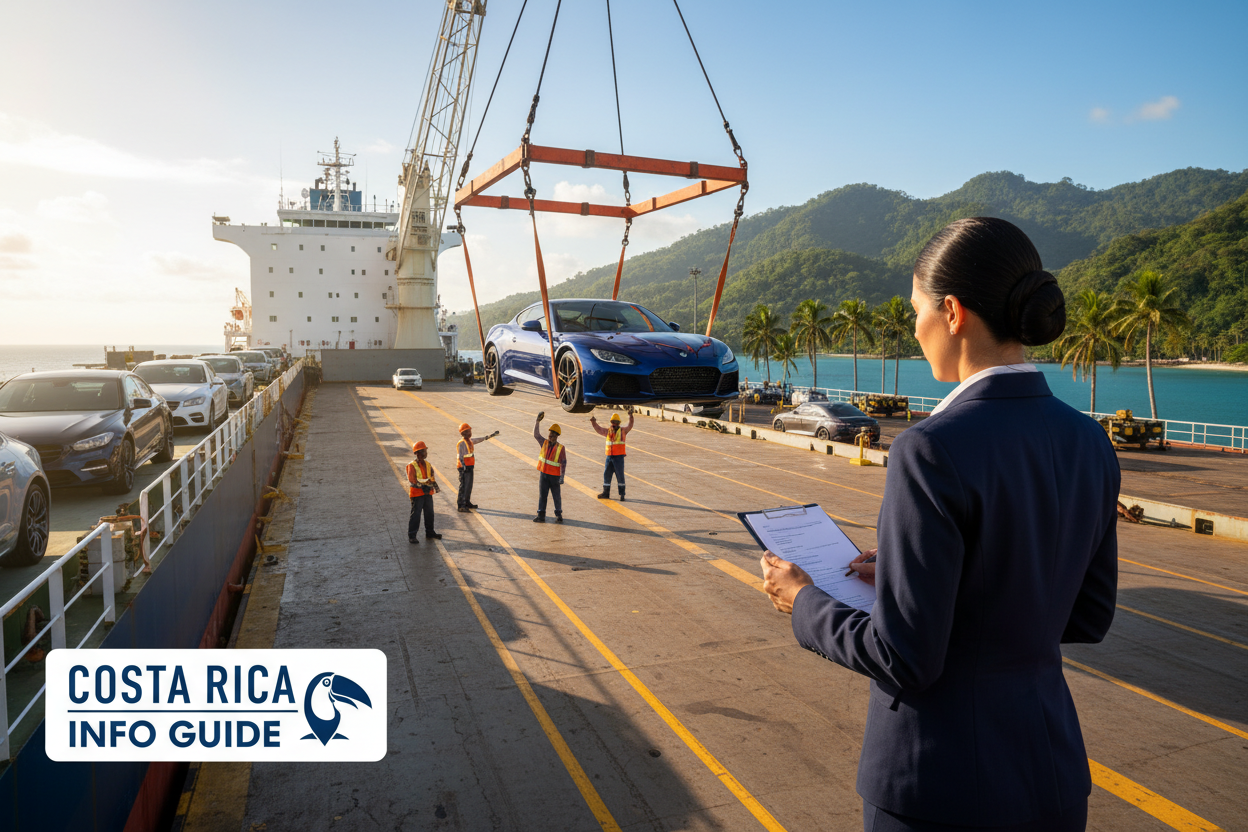
Relocating to a new country or bringing a personal vehicle for an extended stay brings up important questions. For many North Americans moving to Costa Rica, transporting an automobile is a common consideration.
This guide provides a clear, step-by-step overview of the entire process. It covers everything from selecting a transport method to successfully clearing customs.
Moving a vehicle involves several key stages. You must choose a shipping option, gather the correct paperwork, and understand import rules. Knowing what to expect helps avoid delays and unexpected costs.
Readers will find practical details on transport choices, how to prepare their auto, and navigating customs procedures. Real-world examples and safety tips are included. A final checklist summarizes the key actions.
While the task may seem daunting, a structured approach makes it manageable. This resource offers actionable information for a smooth transition.
Overview of Vehicle Shipping to Costa Rica
Moving a car to Costa Rica involves more than just booking a shipping service. It requires careful planning and an understanding of several key factors. These elements affect the total cost, timeline, and overall success of the process.
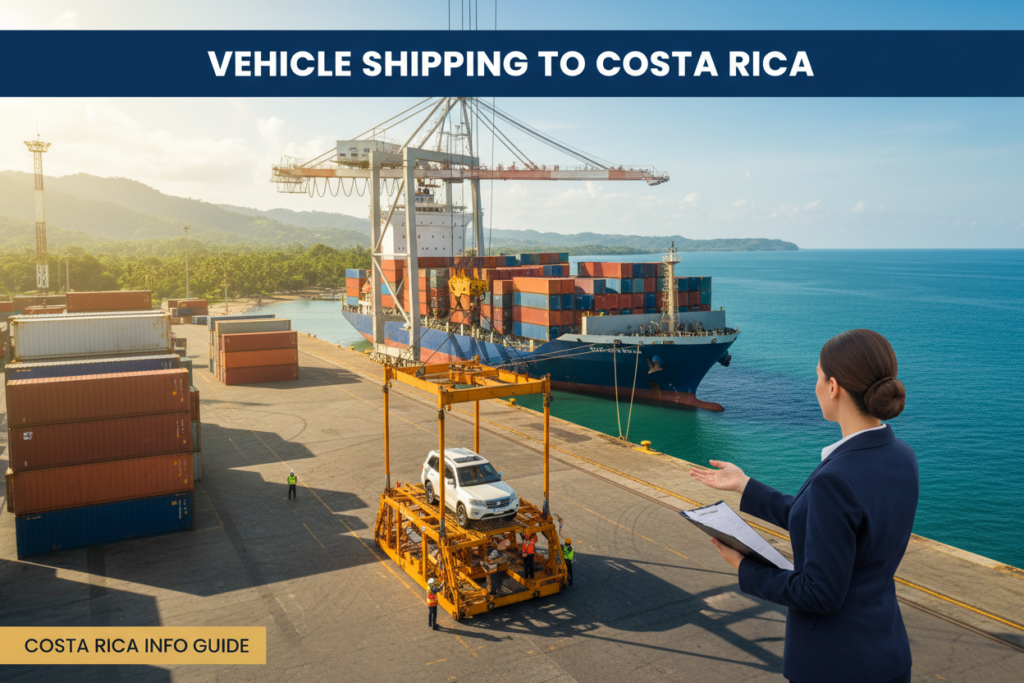
Key Considerations Before You Ship
The Costa Rican government calculates vehicle values differently than standard Blue Book prices. Officials typically assign a higher market value based on the auto’s age. This assessed value directly impacts the import duties you will pay.
Duty rates are a significant part of the total expense. For a newer car under three years old, the rate is about 52%. Older vehicles, those six years and above, can face duties nearing 80%.
Freight charges and mandatory insurance add to the final cost. The entire shipping timeline is often lengthy. Many people find that purchasing a used vehicle locally in Costa Rica is a more efficient option.
How-to-ship-a-car-to-costa-rica: Transport Method Options
Understanding the differences between RORO, LOLO, container, and flat rack shipping can save time and money. Four primary methods exist for moving an automobile.
Your choice depends on the car’s condition, size, value, and if you are shipping other items.
Roll-on Roll-off (RORO) and LOLO Transport
RORO is the most economical and straightforward option. Operational vehicles drive onto specialized vessels.
This method works for everything from compact cars to large trucks. It involves minimal handling at the port.
LOLO transport uses cranes to load inoperable vehicles or oversized equipment. It is a cost-efficient alternative with wide port availability.
Container Shipping and Flat Rack Solutions
Container shipping offers maximum protection. The vehicle stays fully enclosed during the journey.
It is ideal for luxury cars. A standard container is 8 feet wide and 8 feet high.
You can also pack household goods in the same container. This is a key advantage for families relocating.
Flat racks are open platforms for oversized or unusually shaped vehicles. They handle construction equipment, boats, and tracked machinery.
For example, a family might choose a container to combine their car and belongings. Someone shipping a standard sedan often selects RORO for cost-effectiveness.
For more detailed steps, consult this complete guide to shipping a car to Costa.
Preparing Your Vehicle for International Transport
To ensure a smooth arrival in Costa Rica, your automobile needs thorough pre-shipment readiness. This process involves two key areas: paperwork and physical preparation. Starting weeks before the shipping date prevents delays.
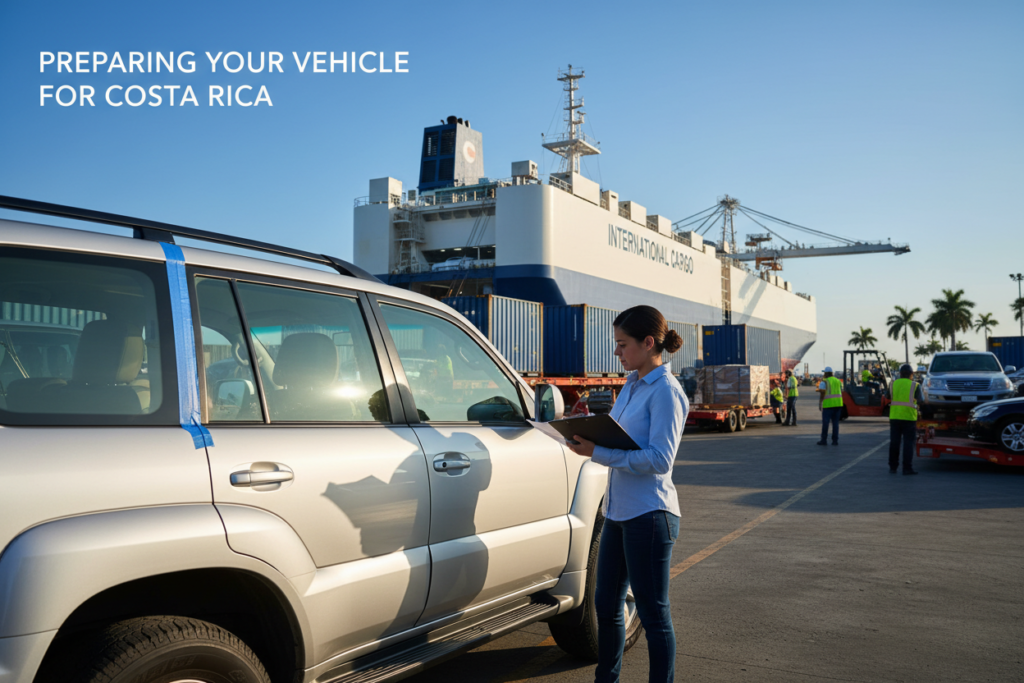
Document Checklist and Vehicle Preparation
Costa Rican customs requires original documents. You must have a clear vehicle title with no liens. Photocopies are not accepted.
The bill of lading from the shipping company is also essential. For example, someone shipping a 2018 sedan should gather the clean title and this bill. Vehicles with salvage titles face rejection.
Physically, clean the car inside and out. Take photos from all angles to document its condition. Remove all personal items if using RORO shipping.
Make sure the battery works and fluid levels are correct. Disable any alarm systems. Leave only a quarter tank of fuel for safety.
Inspection and Condition Guidelines
After customs release, you have 48 hours for a mandatory DEKRA inspection. This official check tests emissions, brakes, lights, and tires.
It ensures the vehicle meets basic safety standards. Preparing your car for this check is part of the overall process.
Key Do’s and Don’ts:
- Do verify the title is clear of any legal issues.
- Do take comprehensive photos of the car’s value and condition.
- Do confirm your shipping company’s specific requirements.
- Don’t ship a vehicle that has a lien or major damage history.
- Don’t assume photocopies of documents will work.
- Don’t fill the gas tank completely before transport.
Proper preparation saves time and avoids complications when your vehicle arrives in Costa Rica.
Navigating Customs and Import Process in Costa Rica
Clearing customs is often the most challenging phase when bringing a vehicle into Costa Rica. The customs office, known as Aduana, takes control of the imported vehicle upon arrival. Working with a certified customs broker is highly recommended to manage the required documentation and translations.
Understanding Required Documentation
For standard imports, taxes are calculated based on the car’s age and declared value. The vehicle remains in custody until all duties are paid. This process can involve significant costs.
A 2021 law offers a major benefit. New residents under investor, renter, or retiree categories can import two vehicles tax-free. To apply, you must submit through the EXONET website.
- Present a valid DIMEX residency card.
- Have a digital signature for online filings.
- Provide proof of Caja payments and tax clearance.
- Submit a notarized family declaration and the bill of lading.
The Treasury Department reviews applications within 60 days. Approval comes with a 10-year commitment to maintain residency. Only the resident, spouse, or dependent children may drive the car.
Selling the vehicle early triggers full duty payment. Understanding these key steps for importing a car is vital. The financial difference between standard and exempt imports is substantial.
Residency categories can be complex. For help determining your eligibility, CRIE offers guidance. Contact them via WhatsApp +506 8706 3888 or email info@crie.cr.
Real Life Examples and Practical Do’s & Don’ts
Learning from others’ experiences can prevent costly mistakes when transporting an automobile to Costa Rica. This practical guide draws from real-world stories of success and common problems.
Do’s: Choosing Reliable Shipping Companies
Select a shipping company with specific experience in Costa Rica. Verify they have trusted agents at the port of entry.
A couple from Florida had a smooth process. Their company specialized in Central America and coordinated with a local customs broker.
Always document your vehicle’s condition before it ships. Keep copies of all paperwork and communicate regularly for updates.
Don’ts: Common Pitfalls to Avoid
Do not choose a company based only on the lowest price. Lack of Costa Rica experience can cause major delays.
One individual shipped a 12-year-old car without checking age rules. The high import duty made the process financially unwise.
Avoid leaving personal items in a vehicle shipped via RORO. Never miss the 48-hour window for the mandatory DEKRA inspection after you get your vehicle.
Plan for extra time. The complete process from booking to driving your car in Costa Rica often takes months.
Essential Safety Tips and Best Practices for Shipping
Safety is a paramount concern when moving a vehicle across international borders. Proper planning protects your investment and prevents stressful delays.
Ensuring Vehicle Safety During Transit
Adequate insurance is your first line of defense. It typically costs 1.5% of the vehicle’s declared value.
For maximum physical protection, choose container shipping. The enclosed space shields the car from weather and contact.
Even with RORO transport, risks are minimized by experienced carriers. Always document the auto’s condition with photos from all angles before it ships.
What to Do in Unexpected Situations
If damage is found upon delivery, photograph it immediately. Contact the shipping company and your insurance provider right away.
Should customs hold your vehicle, maintain communication with your broker. For a failed DEKRA inspection, find a local mechanic familiar with Costa Rican standards to make repairs.
Practical Advice from Real Cases
One individual successfully filed an insurance claim for minor damage. They had thorough pre-shipping photos as proof.
Another person failed an emissions test. After a mechanic adjusted the system, the vehicle passed on the second try.
Stay calm and methodical if problems arise. Working with knowledgeable professionals makes the process safe and manageable.
Quick Checklist for a Smooth Shipping Experience
A concise checklist can transform a complex shipping process into a series of manageable tasks. Use this guide to stay organized from start to finish.
Pre-Shipment: Verify your vehicle title has no liens. Select an experienced shipping company. Choose between RORO or container methods. Photograph your car’s condition and clean it thoroughly.
Documentation: Gather all original ownership papers. This includes the title and bill of lading. Keep copies of your shipping contract and insurance.
Customs & Arrival: Prepare for duty payments based on your car’s age. Have original documents ready for inspection. Budget for all port fees and taxes.
Post-Arrival: Complete the mandatory DEKRA inspection within 48 hours. Register the vehicle with the National Registry. Pay the annual Marchamo tax and schedule Riteve inspections.
Frequently Asked Questions
Q: How long does the entire process take?
A: Plan for several weeks to a few months from booking to driving.
Q: Do I need a customs broker?
A: It is highly recommended for navigating Costa Rican procedures smoothly.
Q: What if my car fails the DEKRA test?
A: Repairs can be made by a local mechanic, followed by a re-inspection.
Following this structured approach makes importing a vehicle a clear and achievable project. With proper planning, you’ll be on the road in Costa Rica confidently.
FAQ
What is the most common way to transport a vehicle to Costa Rica?
How long does the entire shipping and import process take?
What documents are absolutely required for customs clearance?
How are import taxes and duties calculated for my car?
Can I import any car, or are there age restrictions?
Do I need special insurance during the ocean transit?
What is the most common mistake people make when shipping a car?
Article by Glenn Tellier (Founder of CRIE and Grupo Gap)
Don't wait, contact us right now!
Call or WhatsApp Costa Rica +506 8373 2085 or +506 8706 3888
Call USA/Canada +1 305-906-6784