
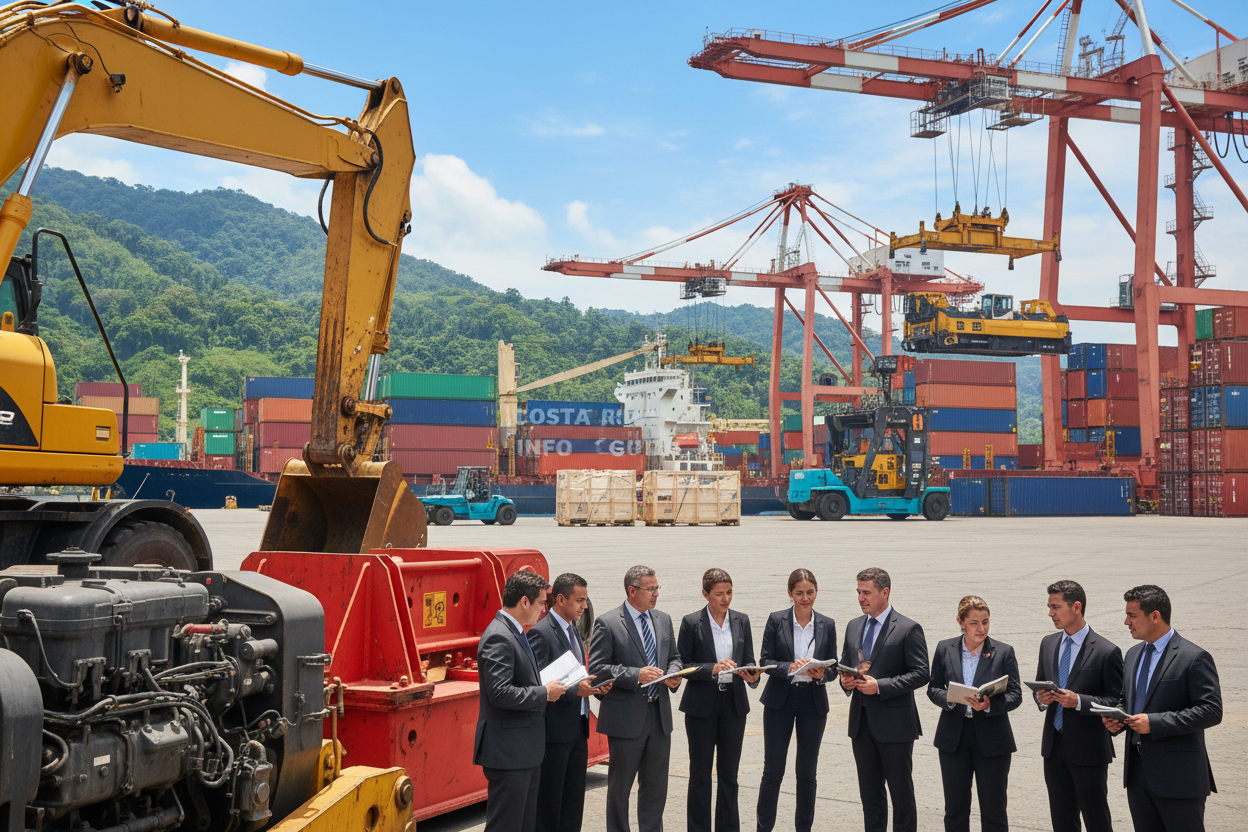
Costa Rica is a small nation with a big role in Central American commerce. Its unique location offers ports on both the Pacific and Atlantic coasts. This makes it a natural hub for international trade.
The country is known for its political and economic stability. Its GDP has tripled since 1960. A strong commitment to global trade creates favorable conditions for businesses.
Industrial and specialized equipment are top imports. Construction and infrastructure machinery represent a significant opportunity. Annual imports in this sector reach $1.38 billion.
The United States is Costa Rica’s largest trading partner. This guide will cover essential regulations, customs requirements, and shipping tips. It provides a clear, step-by-step process for a successful import experience.
This practical information is written in simple English for North Americans. It avoids complex legal jargon. For related topics, like importing appliances to Costa Rica, additional resources are available.
Understanding Costa Rica’s Trade Environment
For North American companies, Costa Rica presents a dynamic and accessible market with clear advantages. Its economy has grown steadily for decades.
This growth fuels demand across several key industries. Construction, manufacturing, and tourism all need modern equipment.
Economic Growth and Opportunities
The nation’s GDP has tripled since 1960. This long-term stability is ideal for business planning.
A growing middle class and large expat community create strong demand. They seek quality machinery from developed nations.
Free Trade Agreements and Incentives
Costa Rica is a WTO member, ensuring transparent rules. Its many free trade agreements are a major benefit.
The CAFTA-DR pact with the United States is crucial. It slashes or eliminates tariffs on industrial equipment.
A US firm importing construction gear saves significantly under this deal. The country also has pacts with Mexico, Chile, and the EU.
Free Trade Zones offer powerful tax incentives. Qualifying firms get 100% exemption on import duties.
Manufacturers investing over $6.5 million can get an eight-year tax holiday. Recent fiscal reforms show continued government support for international trade.
Key Regulations for Importing Machinery
Before any machinery arrives at port, importers must understand and comply with specific national rules. These regulations ensure safety and proper documentation. Non-compliance leads to costly delays and fines.
Import Licenses and Certification Requirements
Your first official step is registering as an importer with PROCOMER. This government office manages foreign trade. You must also hire a licensed Costa Rican Customs Agent.
This professional handles all customs procedures for you. They help nationalize your products legally. You must file a Declaration of Merchandise for your specific equipment.
Certain machinery needs extra permits. Agricultural gear may require Ministry of Agriculture approval. Industrial equipment often needs safety or environmental certifications.
An Origin Certificate is vital for tariff benefits. For example, a used US excavator needs this certificate. It proves manufacture in the United States for CAFTA-DR advantages.
Customs Documentation Essentials
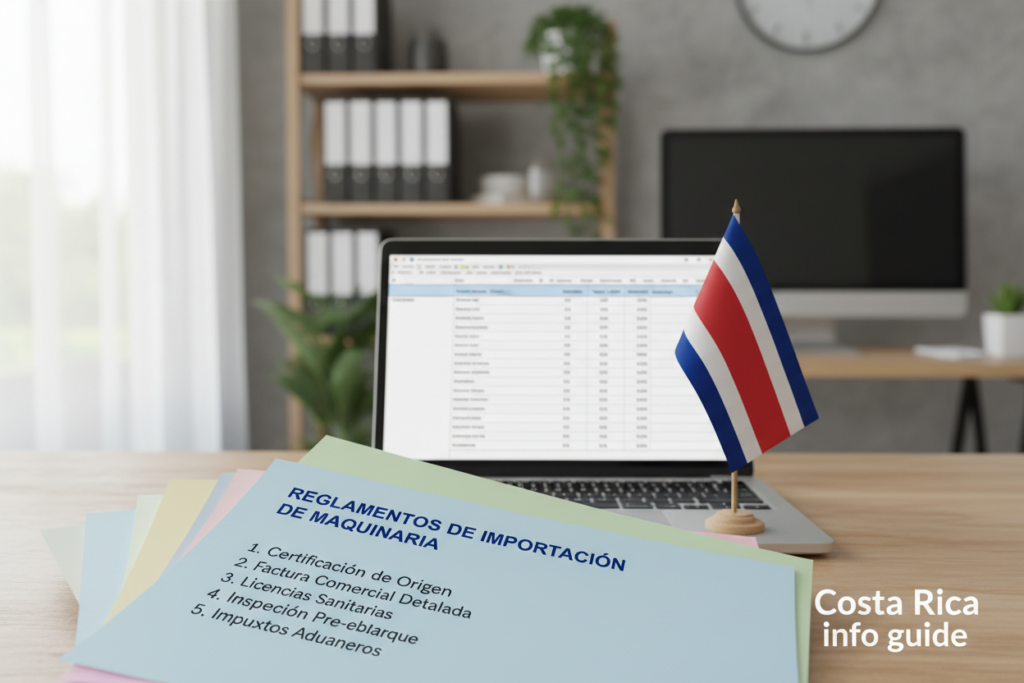
Standard paperwork includes the commercial invoice and bill of lading. The Origin Certificate is also mandatory for entry of goods. Keep these documents accurate and complete.
Note that some used products face extra scrutiny. Machinery for food processing may need a Ministry of Health permit. This verifies acceptable manufacturing practices.
Never attempt an import without proper registration. Your goods could be held at customs. Storage fees will accumulate rapidly at the port.
Bureaucracy can be slow. Start the registration process months in advance. This planning avoids frustration and unexpected costs.
importing-machinery-to-costa-rica: Essential Steps
A smooth importation of machinery hinges on a clear, step-by-step approach. Following this process helps you avoid delays and extra costs.
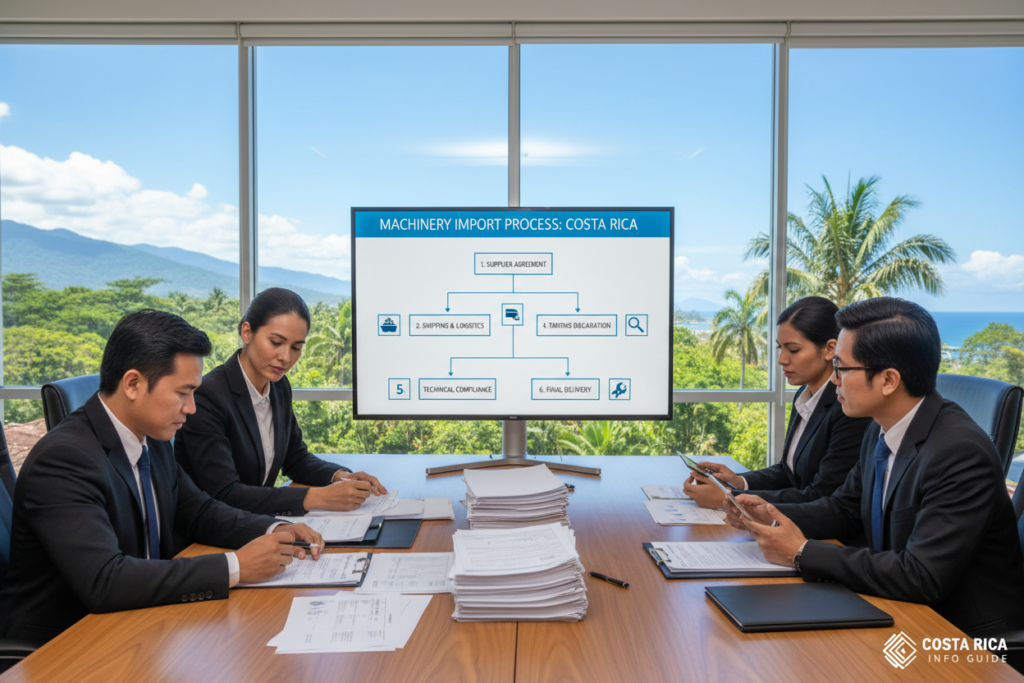
Step-by-Step Import Process
- Register your company as an importer with PROCOMER. You can do this online or through your customs agent.
- Hire a qualified Customs Agent with specific experience in machinery imports. They understand requirements for heavy or specialized equipment.
- Gather all documentation before shipping. This includes commercial invoices, bills of lading, and your Origin Certificate.
- Submit your Declaration of Merchandise to the Customs General Office. Your agent typically handles this, providing detailed product information.
- Obtain any special permits from the relevant government ministry before your goods arrive at port.
- Arrange for customs clearance. The new Single Windows electronic system has made this step faster.
- Understand the TICA system. Customs may install a monitoring seal to track delivery from the port to your final destination.
Do’s and Don’ts for a Smooth Import
Follow these practical tips to manage your import successfully.
- Do work with an experienced customs agent from the start.
- Do have all paperwork ready before your equipment ships.
- Do factor in 7-14 days for customs clearance in your timeline.
- Do verify your machinery meets local safety standards.
- Don’t ship before registering with PROCOMER.
- Don’t undervalue your equipment on invoices. Customs will assess fair market value.
- Don’t assume used equipment follows the same process as new. It may face extra inspection.
- Don’t forget to check for required environmental certifications.
A common pitfall is incomplete documentation. For example, a construction firm importing an excavator must have its US Origin Certificate ready. Missing this single document can halt the entire process.
Navigating Customs Duties and Tariffs
Calculating the total landed cost requires a clear grasp of applicable tariffs and taxes. These government charges are a standard part of bringing goods into the country.
Understanding them early prevents budget surprises. Proper planning ensures a smooth release of your equipment from customs.
Understanding Tariff Structures
Costa Rica applies several layers of taxes on imports. The Import Tariff (DAI) ranges from 1% to 15% based on the machinery type.
A 13% general sales tax is added to most goods. There is also a 1% surcharge on the CIF value for many imports.
CIF stands for Cost, Insurance, and Freight. It is the total value used to calculate all duties and taxes.
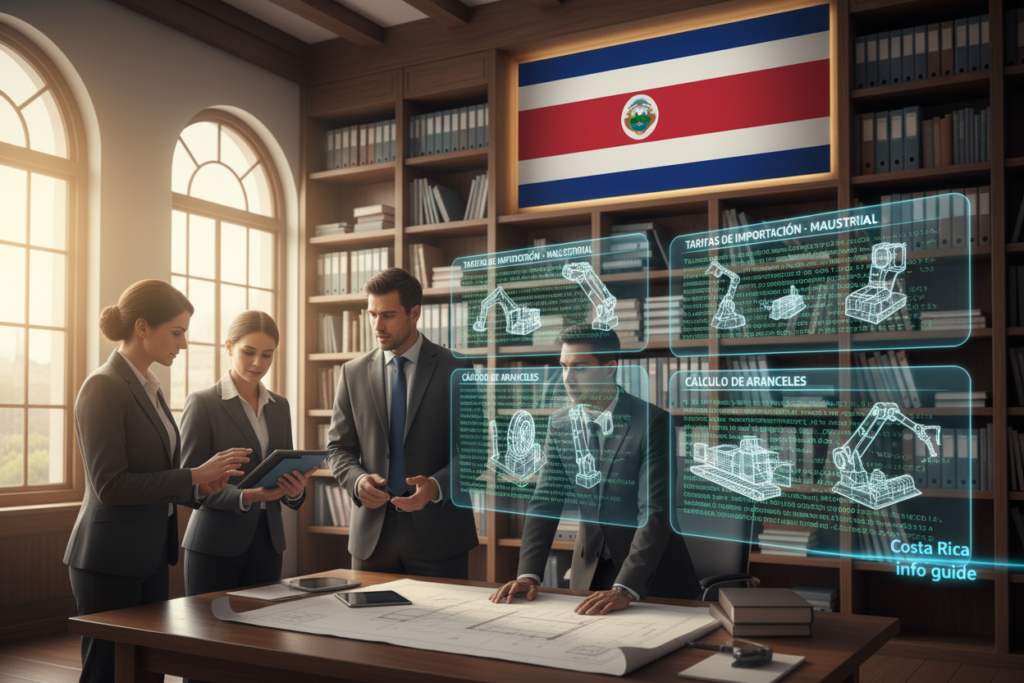
The CAFTA-DR agreement offers major benefits for US-origin equipment. It often reduces the DAI rate and exempts the 1% surcharge entirely.
Companies in Free Trade Zones can get a 100% exemption on customs duties. This requires meeting specific investment criteria.
| Cost Component | Description | US Origin (CAFTA-DR) | Non-CAFTA Origin |
|---|---|---|---|
| Machinery Value | Purchase price of the equipment | $100,000 | $100,000 |
| Shipping & Insurance | Cost to transport and insure | $10,000 | $10,000 |
| CIF Value | Total value for tax calculation | $110,000 | $110,000 |
| DAI (Example 10%) | Basic import tariff | $0 (Exempt) | $11,000 |
| Sales Tax (13%) | General tax on the CIF value | $14,300 | $14,300 |
| Surcharge (1%) | Additional tariff | $0 (Exempt) | $1,100 |
| Total Estimated Taxes | Sum of duties and taxes due | $14,300 | $26,400 |
Tips on Managing Import Taxes
Work closely with your customs agent. They ensure your machinery is classified in the most accurate tariff category.
Keep thorough documentation of your equipment’s origin and value. This supports any CAFTA-DR claims for lower duties.
Have funds ready to pay all taxes before arrival. Delays in payment cause costly storage fees at the port.
Avoid declaring an incorrect value on invoices. Customs authorities assess fair market value, and discrepancies lead to penalties.
These costs are predictable. Factor them into your initial budget for a successful import.
Preparing Your Machinery for a Safe Import
Proper preparation of machinery for ocean freight prevents costly damage and delays. The physical journey requires as much planning as the paperwork.
Packaging, Shipping, and Insurance Tips
Ocean shipping is the main method for moving heavy equipment. Most goods arrive via Puerto Caldera on the Pacific or Puerto Limón on the Caribbean.
Choose your port based on the final destination. This table helps with the decision.
| Port | Best For Destinations In | Key Consideration |
|---|---|---|
| Puerto Caldera | Central Valley, San José, Pacific coast | Shorter inland transport for western regions. |
| Puerto Limón | Caribbean side, certain US East Coast routes | Can offer faster transit times from some origins. |
Packaging must be robust. Use heavy-duty crating and seal all openings against salt air. Drain fluids if required.
Never leave loose parts unsecured. Photograph your product from all angles before it ships.
Insurance is critical. Get coverage for the full replacement value from origin to final site. It should protect against damage, theft, and total loss.
For example, a CNC machine shipped from Florida needs a sealed container. Mount it on a reinforced pallet and secure it with heavy straps.
Common problems include rust from moisture and missing items. The bill of lading is your receipt. You need it to claim your goods at the port.
Roads from the ports can be rough. Plan extra time for inland transport. For urgent items, air freight is an expensive option. Similar logistics apply when you need to ship a car to Costa Rica.
Handling Documentation and Clearance Process
Accurate paperwork and a skilled customs agent form the backbone of a smooth clearance experience. This phase determines when you can take possession of your equipment.
Proper documentation is mandatory for the entry of goods. Incomplete information leads to costly storage fees at the port.
Role of Customs Agents
A licensed Customs Agent (Agente Aduanero) is your legal representative. They navigate the complex process of nationalizing your imported machinery.
These professionals prepare and submit all required documentation. They communicate with officials and calculate duties. Their established relationships help avoid bureaucratic delays.
Select an agent with specific experience in machinery imports. Verify their license and ask for references from other importers.
Required Permits and Certificates
Essential documents include the commercial invoice and bill of lading. The Origin Certificate is vital for claiming tariff benefits under trade agreements.
Additional permits may be needed from Costa Rican ministries. For example, the Ministry of Health requires permits for certain products.
Environmental or safety certificates are also common for industrial equipment. The Single Windows electronic system has sped up submission.
However, some permits can still take months. Incomplete paperwork causes significant delays for your goods.
Learning from Trade Experiences in Costa Rica
Case studies from various industries highlight the do’s and don’ts of navigating Costa Rica’s import landscape. Learning from others can save significant time and money.
Real stories provide a practical roadmap for your own project.
Real Business Examples and Case Studies
A US construction firm imported excavators for a major road project. They worked with a customs agent six weeks before shipping.
This early planning secured CAFTA-DR benefits and cleared customs in ten days. A North American food company had similar success.
They established a processing plant in a Free Trade Zone. This move granted a 100% tax exemption on their imported packaging equipment.
Not all stories are smooth. One company faced a three-week delay importing used agricultural vehicles.
Customs demanded extra environmental inspections. This added storage fees and project costs.
Common Pitfalls and Safety Recommendations
Several common mistakes can disrupt an import. Awareness and planning are the best defenses.
| Common Pitfall | Potential Consequence | Recommended Action |
|---|---|---|
| Underestimating bureaucratic time | Weeks of delay, missed deadlines | Start permit processes 2-3 months early |
| Importing used equipment without research | Customs holds, extra inspections, fees | Verify all restrictions for used vehicles |
| Incomplete value documentation | Customs reassessment, higher taxes | Provide detailed invoices and specs |
| Ignoring ground transport challenges | Equipment damage, delivery delays | Plan route with experienced local haulers |
Always prioritize safety. Use licensed transport services from the port.
Verify electrical compatibility with local power standards. Ensure operators receive proper training.
Maintain full insurance coverage throughout the entire process. These steps protect your investment.
Your Quick Checklist and Next Steps
Successfully bringing industrial equipment into Costa Rica requires a final checklist and clear steps.
Quick Checklist:
- Before Buying: Verify eligibility, check permits, calculate costs.
- Documentation: Register with PROCOMER, hire agent, get Origin Certificate.
- Shipping: Choose port, pack securely, arrange freight.
- Customs: Provide docs, pay duties, allow 7-14 days.
- Delivery: Arrange transport, verify condition.
FAQ:
Need residency? No, but register with PROCOMER. CRIE helps with residency.
Timeframe? 6-12 weeks minimum.
Used equipment? Yes, but extra inspections apply.
Costs? Include shipping, insurance, tariffs, tax.
Next Steps: Find a Customs Agent, start PROCOMER registration, research permits.
For residency questions, contact CRIE: WhatsApp +506 8706 3888 | info@crie.cr | www.crie.cr
With preparation, your import can succeed in Costa Rica’s market.
FAQ
What are the main benefits of Costa Rica’s free trade agreements for machinery importers?
Is an import license always required for bringing machinery into the country?
What is the most critical document for customs clearance?
How are customs duties and value-added tax calculated on equipment?
Why is shipping insurance strongly recommended?
What is the role of a customs agent (agente de aduanas) in this process?
What is a common pitfall businesses should avoid when importing?
Article by Glenn Tellier (Founder of CRIE and Grupo Gap)
Don't wait, contact us right now!
Call or WhatsApp Costa Rica +506 8373 2085 or +506 8706 3888
Call USA/Canada +1 305-906-6784