
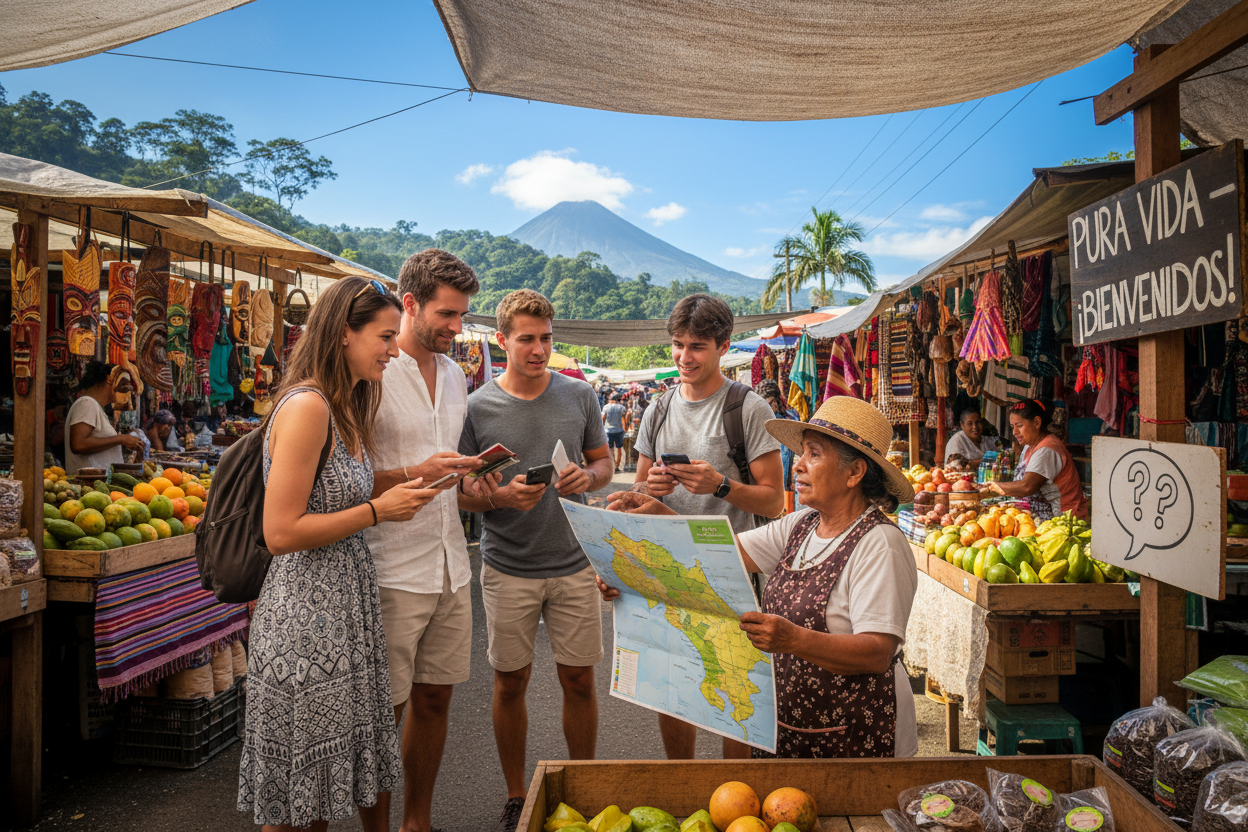
Planning a trip or move to Central America often brings up questions about communication. Many North Americans wonder how they will manage daily life without fluent Spanish.
This country has become a top choice for those seeking a new lifestyle. Spanish is the official language here. Yet, it ranks second in Latin America for English proficiency.
English skills vary greatly by region. Tourist areas and cities usually have more English speakers. Rural spots may present more communication challenges.
Understanding this landscape helps you prepare. It reduces anxiety about simple tasks like shopping or asking for directions. Thousands of expats navigate life here successfully every year.
This guide will explore regional differences and practical learning tips. Your journey to Costa Rica is an adventure. The language aspect is a manageable part of that experience.
Understanding Costa Rica’s Language Landscape
Language use across Costa Rica isn’t uniform. It shifts dramatically from city centers to remote villages.
Spanish is the official language of this country. It remains the primary means of communication everywhere. Yet, Costa Rica ranks second in Latin America for English proficiency. This makes it relatively easier for English speakers.
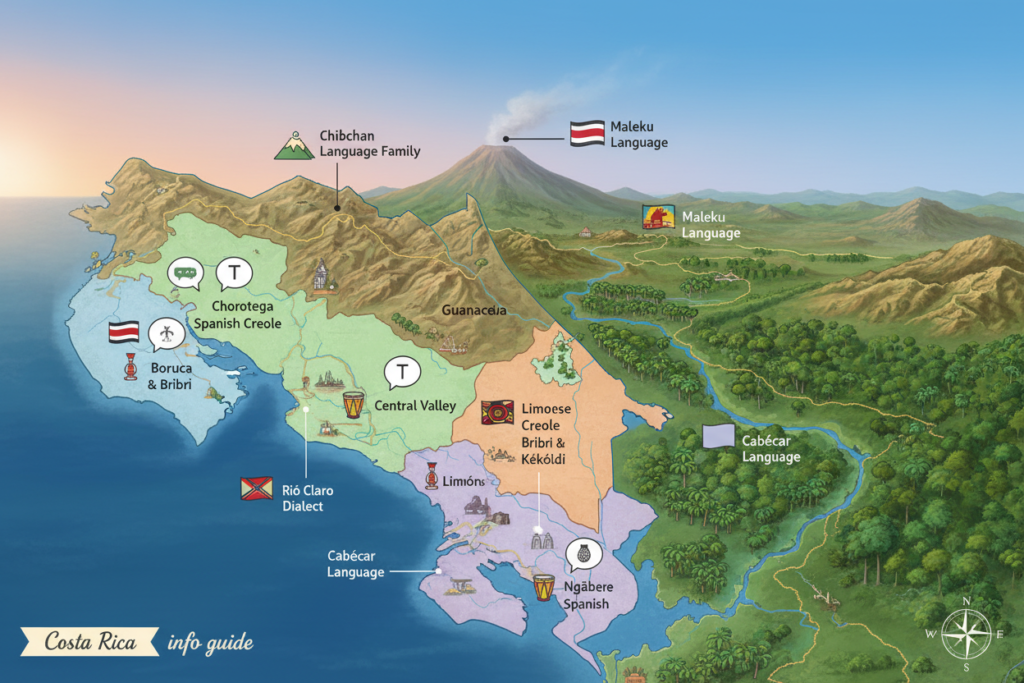
Knowing where English is common and where Spanish dominates is key. Your experience will vary greatly by location.
Overview of Spanish and English Usage Across Regions
In urban centers like San José, Heredia, and Alajuela, you’ll find more English speakers. Cosmopolitan populations and business drive this.
Tourist-heavy coastal regions are different. Areas in Guanacaste and Puntarenas have strong English capabilities. Hotel and restaurant staff often speak it well.
The Caribbean Coast, especially Limón Province, has a unique linguistic situation. Caribbean English and Creole languages are more common than standard Spanish there.
Regional Differences: Urban vs. Rural and Indigenous Areas
Contrast the cities with rural and isolated communities. In these places, Spanish dominates and English is rare.
Indigenous communities add another layer. They often speak native languages alongside Spanish.
Here is a quick guide to the language landscape:
- Urban & Tourist Hubs: Functional to excellent English is common.
- Rural & Inland Areas: Spanish is essential; English proficiency drops.
- Caribbean Coast: English-based Creole languages prevail.
- Indigenous Zones: Spanish and native languages are spoken.
Understanding these differences helps you plan. You’ll know what language skills you need for where you want to go.
Exploring language-barrier-in-costa-rica in Various Regions
Your ability to get by with English depends heavily on which part of the country you are in. Costa Rica presents a clear split between tourist-friendly zones and authentic local areas.
English Proficiency in Tourist Hubs and Coastal Areas
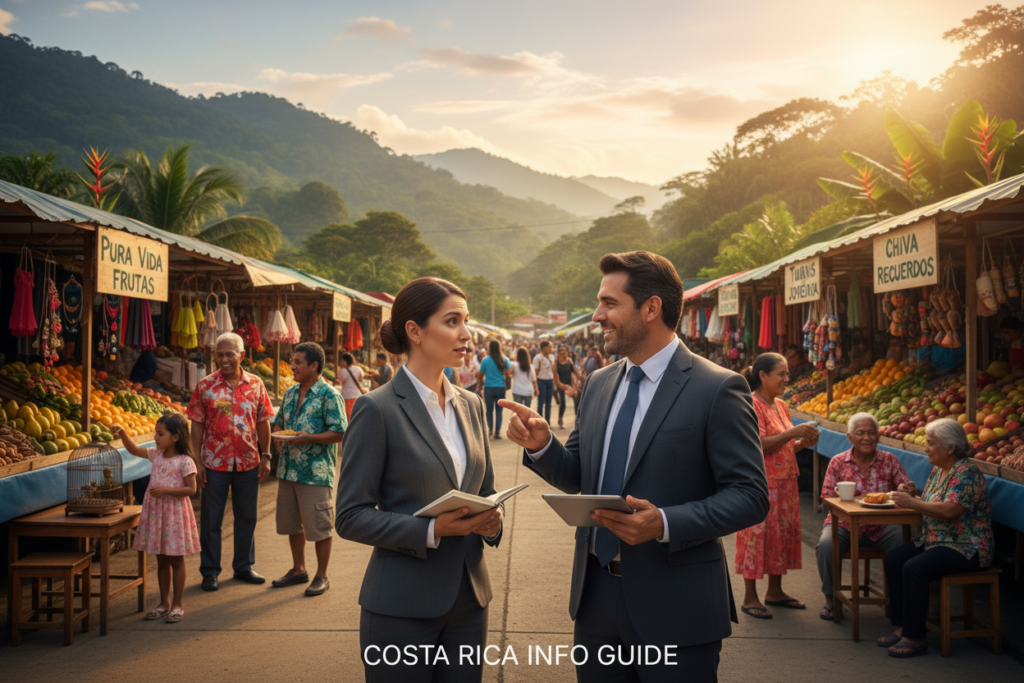
Popular destinations like Tamarindo, Manuel Antonio, and La Fortuna are highly accessible. People working in hotels, restaurants, and tour companies typically speak excellent English.
This is a direct result of the thriving tourism industry. Pacific coast beach towns are especially geared towards English-speaking visitors. You can often handle all basic transactions without using Spanish.
Challenges in Isolated Locations and Inland Communities
Venture into rural farming towns or smaller inland communities, and the scene changes. Local people may speak little to no English. Simple tasks like shopping or visiting a clinic require Costa Rican Spanish.
Even near tourist spots, stepping a few blocks off the main street leads to Spanish-speaking environments. Understanding these regional contrasts shapes your travel or living experiences.
Impact of Language on Daily Life and Social Integration
For expats and long-term visitors, language skills directly influence comfort and connection. Daily routines from shopping to socializing become smoother with Spanish.
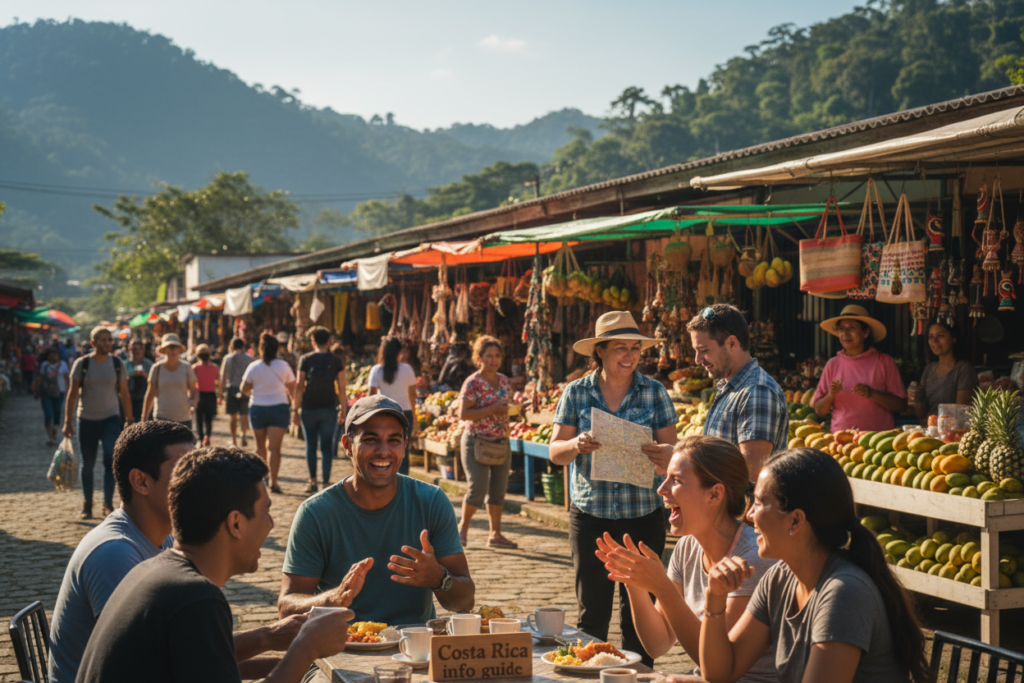
Simple tasks like buying food at a local market or setting up a bank account require clear communication. Without it, you may pay more or miss details.
How Language Affects Work, Relationships, and Community Life
Socially, not speaking Spanish can be isolating. Forming friendships with neighbors or joining local events becomes difficult.
In the professional world, job opportunities shrink outside the tourism sector. Spanish fluency opens doors in education, healthcare, and local business.
Handling official paperwork for residency or utilities is stressful without language skills. Medical visits also pose risks if symptoms cannot be described.
| Common Scenario | With Spanish Skills | Without Spanish Skills |
|---|---|---|
| Grocery Shopping at a Feria | Ask for ripe produce, negotiate prices. | Rely on pointing, may overpay. |
| Visiting a Local Clinic | Describe pain accurately, understand dosage. | Need a translator, risk miscommunication. |
| Seeking Employment | Apply for jobs in various industries. | Limited to English-only tourist roles. |
| Attending a Town Festival | Chat with locals, learn traditions. | Feel like an outsider, observe silently. |
Investing time to learn the language dramatically improves your quality of life in this country. It leads to deeper relationships and authentic experiences.
Practical Methods to Learn Costa Rican Spanish
Effective language acquisition combines structured lessons with real-world immersion. This dual approach builds confidence fast.
You can find many paths to learn Costa Rican Spanish. The best way depends on your learning style and available time.
Taking Spanish Classes and Using Language Apps
Formal instruction provides a solid foundation. Language schools in expat towns offer group or private classes.
For intensive learning, consider immersion programs. They often include four hours of daily instruction plus cultural activities.
Language apps like Duolingo or Babbel offer flexible practice. They fit into your daily routine anywhere.

Immersive Experiences and Real-Life Practice
Practice with locals every day. Shop at markets and chat with neighbors. Most people are patient and encouraging.
Join a language exchange group. You practice Spanish and help others learn English. It’s a fantastic way to learn.
Immerse yourself in Spanish media. Watch local shows or listen to podcasts. This improves listening skills naturally.
| Learning Method | Best For | Key Benefit |
|---|---|---|
| Formal Language Classes | Building grammar foundations | Structured curriculum & teacher feedback |
| Immersion Programs | Rapid skill acquisition | Intensive daily practice & cultural context |
| Language Apps | Flexible, daily vocabulary | Learn on your own schedule anywhere |
| Real-World Practice | Building fluency & confidence | Authentic conversations and cultural understanding |
Consistency is key. Even 15 minutes a day helps. Book tours with local operators for more authentic experiences.
Visit a local soda for a meal. The menu and chatter will be in Spanish. Making mistakes is part of the journey.
Local Slang and Cultural Expressions You Should Know
Beyond formal Spanish, understanding Costa Rican expressions unlocks the culture. Learning local slang shows respect and helps you connect with people.
It turns simple chats into meaningful exchanges. This knowledge is key for true cultural integration.
The Meaning and Use of “Pura Vida”
The most essential phrase is “Pura Vida.” It means “pure life” but represents a whole way of life.
It’s like “Hakuna Matata.” Ticos use it as a greeting, farewell, and to say everything’s good.
You might hear, “How are you?” answered with a cheerful “Pura Vida!” It describes a positive person or situation.
Common Slang Terms and Their Contexts
Everyday conversation is full of unique words. Here are some key terms you will hear often.
| Category | Term | Meaning | Example/Note |
|---|---|---|---|
| Greetings & Social | Mae | Dude, friend | “¡Hola, mae!” (Hey, dude!) |
| Daily Life | Brete | Work | “Voy al brete.” (I’m going to work.) |
| Money | Harina / Plata | Money | “Necesito más harina.” (I need more money.) |
| Polite Phrases | Con mucho gusto | With pleasure | Common reply to “gracias.” |
| Warning | Toalla | Tampon (not towel) | Use “paño” for a towel. |
Other useful words include “birra” for beer and “soda” for a small restaurant. Saying “hace calor” for “it’s hot” avoids confusion.
Using these terms makes daily life smoother. Pair them with basic Spanish skills for the best experience.
Real-Life Experiences: Successes and Common Pitfalls
Real stories from travelers and expats highlight both the triumphs and occasional stumbles in cross-cultural communication. Learning from these experiences offers valuable tips for smoother interactions.
Many successful interactions start with simple efforts. A friendly “Buenos días” or “Gracias” can instantly warm a conversation. Locals appreciate the attempt, even if your language skills are basic.
Examples of Miscommunications and How to Avoid Them
Common mix-ups often involve local slang. For example, asking for a “toalla” at the beach requests a tampon, not a towel. The correct word is “paño”.
Another classic error is describing the heat. Saying “estoy caliente” suggests sexual arousal. Instead, say “hace calor” for the weather.
Polite phrases also matter. People often use “con mucho gusto” instead of “de nada”. It shows cultural awareness.
| Common Mistake | Actual Meaning | Correct Alternative | Practical Tip |
|---|---|---|---|
| Asking for a “toalla” | Requesting a tampon | Ask for a “paño” (towel) | Learn local terms for everyday things. |
| Saying “Estoy caliente.” | I am sexually aroused. | Say “Hace calor.” (It is hot) | Describe the environment, not yourself. |
| Using only “de nada” | You’re welcome (less common) | Use “Con mucho gusto.” | Adopt local polite phrases. |
| Misunderstanding “¿Cómo amaneció?” | How did you wake up? | Reply “Bien, gracias.” | Recognize it as a morning greeting. |
When you don’t understand, politely ask “¿Más despacio, por favor?” (slower, please). Most miscommunications in Costa Rica end in laughter, not trouble. People are generally patient and helpful.
Essential Tips, Do’s and Don’ts, and Safety Considerations
To truly thrive in Costa Rica, understanding the “do’s and don’ts” of communication is as crucial as learning vocabulary. These practical guidelines help build positive relationships and ensure your safety.
Practical Do’s and Don’ts When Engaging with Locals
Costa Ricans are famously friendly. They appreciate any effort to speak Spanish and will often help you learn. Keep a positive attitude and be patient.
- Do always greet people in Spanish first. Use “Buenos días” or “Pura Vida.” This shows respect for the local culture.
- Do speak slowly and ask others to do the same. Carry a translation app for important things.
- Don’t assume everyone speaks English outside tourist areas. Always try Spanish as a sign of respect.
- Don’t get frustrated if communication fails. Stay calm and patient. Don’t overuse the formal “usted” with younger people.
- Don’t rely only on English for legal or medical matters. Bring a translator for contracts or residency paperwork.
For safety, know key phrases like “Necesito ayuda” (I need help) and “Emergencia.” Keep important addresses written in Spanish.
Building a support network is the best way to integrate. Connect with both Spanish-speaking locals and expats. This creates great opportunities for practice at home.
For those considering making Costa Rica a permanent home, navigating residency requires good language skills. CRIE can help answer questions about the correct residency category.
Wrapping Up Your Journey to Language Confidence in Costa Rica
Building language confidence is the final, rewarding step in preparing for your Costa Rican adventure. The communication challenge here is manageable. It varies by region but is never a barrier to enjoying this beautiful country.
Learning even basic Spanish dramatically improves your daily life and social connections. Costa Ricans are famously patient and appreciate your efforts. View this learning as an exciting part of your journey, not an obstacle.
Your Quick Action Checklist:
- Download a reliable translation app.
- Master greetings and “Pura Vida.”
- Practice a little bit every day.
- Join a local language exchange group.
- Watch Spanish media or take local tours.
- Be patient and celebrate small wins.
Brief Language FAQ:
Do I need Spanish to visit? Not in tourist areas, but it helps immensely.
What’s the best way to learn? Combine classes with real-life practice for the fastest results.
How long does it take? With consistent effort, basic conversational skills can develop in a few months.
Embracing the language opens doors to deeper cultural understanding and meaningful friendships. If you’re considering making Costa Rica your home, understanding the local language landscape is key. For questions about residency, CRIE can guide you: WhatsApp +506 8706 3888, Email: info@crie.cr.
FAQ
Is English widely spoken throughout Costa Rica?
What is the best way to learn Costa Rican Spanish quickly?
What does "Pura Vida" really mean?
Can I get by with just English for a long-term stay?
Are there common slang words I should know?
What is a common language mistake visitors make?
How can I be polite when my Spanish skills are limited?
Article by Glenn Tellier (Founder of CRIE and Grupo Gap)
Don't wait, contact us right now!
Call or WhatsApp Costa Rica +506 8373 2085 or +506 8706 3888
Call USA/Canada +1 305-906-6784