

The introduction explains what “expat clubs” mean in practical terms. These range from organized networks like InterNations to Facebook meetups, volunteer groups, and hobby circles. Readers will learn how to pick a group that fits their schedule and personality.
Expect social nights, practical help, and cultural introductions in San José, the Central Valley, and popular beach towns. Typical weekly events include brunches, happy hours, hikes, Spanish practice, and family playdates. InterNations-style chapters mix online chat with in-person meetups; members like Emanuele Casabona and Victoria Arrington reported finding local connections and the activities they sought.
This guide maps where communities cluster, the kinds of clubs available, and a sample week of meetups. It also covers etiquette and safety tips for meeting new people. If residency questions arise while networking, readers are advised to seek professional guidance and will find CRIE contact info later in the article.
Quick checklist: try one organized group, join a casual meetup, exchange contacts, and follow up. A short FAQ follows in the next section for common questions and a light CTA points to CRIE for residency categories.
Why expat clubs matter in Costa Rica when it’s your new home base
Joining local groups speeds up how quickly a new place starts to feel like home.
For many newcomers, a community means a handful of familiar faces and a few reliable routines. Think weekly coffee, monthly mixers, and Saturday hikes that give you structure and friendly support.
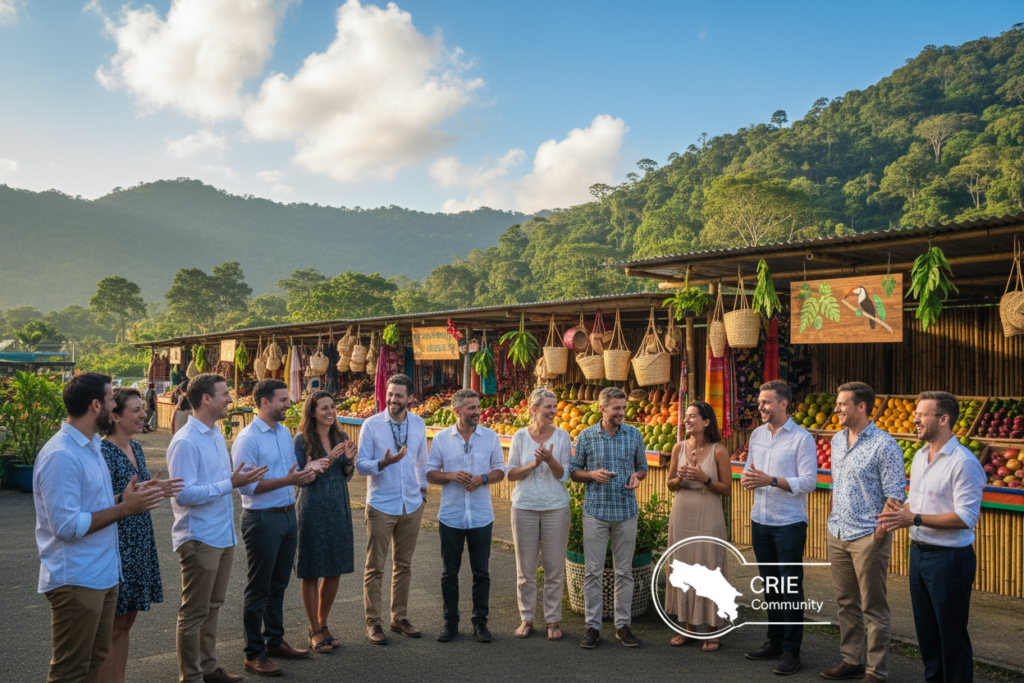
What “community” looks like for expats
Clubs blend social life and practical help. You trade restaurant tips and language practice.
You also get referrals for mechanics, tutors, schools, and neighborhood know-how you won’t find in a blog post.
Common nationalities you’ll meet
Expect to meet Americans, Canadians, Venezuelans, and Germans. Many groups mix locals and newcomers, so cultural exchange happens naturally.
Fast ways clubs help day-to-day
- Learn where to buy household basics from people who recently moved.
- Get quick advice on transport, banking steps, and avoiding rookie mistakes.
- Fast-track solutions by asking those who faced the same first-month questions.
Do listen more than you speak and stay curious; respect helps build trust faster. For meetup listings and practical event tips, check expat meetups at expat meetups.
Where expat communities cluster across Costa Rica
Where you choose to live shapes daily rhythms and how quickly you plug into local communities.
San José and nearby suburbs for city life and networking
San José and suburbs like Escazú and Santa Ana have high social density. You gain faster access to professional circles and international events.
Meetups here run on a weekday-evening cycle that suits people balancing work and social life.
Alajuela, Grecia, and Atenas for a Central Valley lifestyle
The Central Valley towns offer cooler evenings and easy day trips. You’ll find recurring brunches, book clubs, and newcomer-friendly friend groups.
This option suits those who want routine meetups without big-city commute stress.

Beach towns like Tamarindo for social nights and sunset meetups
Tamarindo and similar beach places favor casual happy hours, live music nights, surf-and-coffee mornings, and spontaneous invites.
If you prefer loose schedules and outdoor social life, this beach rhythm fits well.
Other places expats mention when looking beyond the capital
Quesada and a handful of smaller towns attract sizeable expat communities for those who want a different pace.
Choose by how often you want to socialize, whether you prefer planned events or spontaneous hangs, and how much night driving you’ll accept.
- City networking: frequent events, shorter commutes to cultural hubs.
- Central Valley: steady routines, cooler climate, family-friendly groups.
- Beach towns: social weekends, outdoor activities, informal invitations.
| Area | Social Rhythm | Typical Meetups |
|---|---|---|
| San José | Fast, planned | Networking, international events |
| Central Valley | Steady, routine | Brunches, book clubs |
| Tamarindo & beaches | Laid-back, spontaneous | Happy hours, surf mornings |
Remember: Costa Rica is not one uniform experience. Each area mixes locals and expats, and the best place is where you actually leave the house and join in.
expat-clubs-costa-rica: the main types of clubs and groups to join
Start by choosing the style of group you want: structured events, casual online meetups, or service-minded teams. That choice guides where to look and how often to show up.

Global networks with local events and hobby meetups
Global networks run planned mixers and hobby meetups. You can find dance nights, entrepreneur panels, and dining groups. These are predictable and great if you want a steady calendar.
Facebook and online groups that lead to real friends
Look for active moderation, regular meetups, and recap posts with photos. Those signs mean members follow through. A Central Valley family group, for example, turned fast online contacts into real friends.
Volunteer and service-focused communities
Volunteering builds deeper bonds fast. You meet people who show up consistently and share purpose. This path often leads to meaningful local connections and better cultural insight.
Sports and outdoors groups
Find hiking crews, cycling teams, birding clubs, and surfing meetups on beaches. These groups suit many fitness levels and make it easy to meet people while enjoying nature.
Indoor clubs for language, writing, food, and film
Join Spanish conversation circles, writers groups, cooking sessions, or film nights. Regular small gatherings help you practice language and build routines that anchor daily life.
- Do: try one social group + one practical group (language or volunteering).
- Don’t: join too many at once—focus on consistent attendance.
- Do: check event recaps and member activity before showing up.
| Type | What to Expect | How to Join |
|---|---|---|
| Global networks | Planned mixers, hobby meetups | Sign up on the network site; RSVP to events |
| Online groups | Casual posts, photo recaps, local meetups | Look for active threads; attend a small meetup first |
| Volunteer groups | Regular service, deeper ties | Contact org coordinators; attend orientation |
| Outdoor clubs | Hiking, surfing, cycling, birding | Join local event pages; start at beginner-friendly outings |
| Indoor interest clubs | Language, cooking, writers, film | Find scheduled meetups at cafes or community centers |
Real examples of expat life: what meetups can look like week to week
Real weekly routines show how newcomer meetups turn strangers into practical allies. These snapshots use real places and clear steps so readers can copy them the first week they arrive in costa rica.
Brunch in Atenas that becomes a crash course
At Kay’s Gringo Postres a Saturday brunch often doubles as a crash course in living. Show up, order coffee, introduce yourself, and ask, “What did you wish you knew in your first month?”
People share trusted referrals—mechanics, plumbers, car rental tips—and newcomers leave with two contacts to text that same afternoon.
Happy-hour hangouts in Tamarindo
Tamarindo meetups favor sunset, live acoustic guitar, and easy small talk. Join by complimenting the view or asking about the best beach for a swim.
Conversations here often cover weekend plans and simple local tips that make beach life easier.
Family-focused groups in the Central Valley
An Escazú Facebook group helped families find schools, plan playdates, and swap childcare referrals. Parents trade day-to-day tips and emotional support as they settle into life costa rica.
Weekend fairs, festivals, and parades
Year-round events act as built-in mixers. Arrive early, try local food, and ask before photographing performers to join respectfully.
Pet-friendly events
Pet Fest in La Garita de Alajuela shows what to expect: contests, booths, talks, and food trucks. Bring water, keep pets leashed, watch for heat, and step away if a pet is stressed.
If you see an injured animal, alert event staff—don’t try to handle it alone.
Week-to-week plan: one recurring meetup (brunch or book club) plus one spontaneous event (festival or happy hour). That mix builds friends fast and keeps life moving forward.
Popular club formats and activities (so they can pick the right fit)
Choosing the right club starts with matching your weekly rhythm to the group’s pace. That helps newcomers pick a path that fits their time, personality, and goals.
Networking and professional circles in and around San José
City networking groups in san josé host mixers, short talks, and entrepreneur meetups. They are useful for professional contacts and local opportunities.
Expect topic panels, speed-intros, and small breakout conversations that plug an expat into the business world quickly.
Book clubs, birding clubs, and writers groups for consistent routines
Routine-based groups meet weekly or monthly. Book clubs, birding clubs, and writers groups offer steady schedules and repeated faces.
Writers groups often run Zoom sessions, which works well for those living outside the city or testing a group before attending in person.
Dance, fitness, cycling, and group excursions for staying active
Active meetups include Latin dance nights, Zumba, cycling rides, and guided excursions. Bring water, sun protection, and minimal cashless valuables.
Choose the difficulty level clearly listed in event notes so the first time is fun and you’ll want to return.
Pick your fit:
- Fast social energy: dance or group outings.
- Steady belonging: book, writers, or birding clubs.
- Career connections: join san josé networking circles.
| Format | Typical Activities | Best For |
|---|---|---|
| Professional networking | Mixers, talks, entrepreneur panels | Career contacts, city integration |
| Routine discussion groups | Book meetings, bird walks, writers critiques | Quiet connectors, steady friendships |
| Active meetups | Dance classes, cycling rides, hikes | Fitness-focused socializing |
| Hybrid/online | Zoom workshops, hybrid meetups | Those outside city centers or preferring virtual first meetups |
Simple consistency rule: commit to one format for a month. Regular attendance turns “I went once” into “I have friends here.” That small habit makes living costa rica feel like a real, social life.
Do’s, don’ts, and etiquette for joining clubs in Costa Rica
Small gestures shape how quickly strangers become regulars in a new social circle.
Do: show up consistently. Familiar faces build trust and invite you into more events. If you can, attend the same meetup for a month before deciding it’s not for you.
Do: follow through on invites. Confirm a coffee, a hike, or a family gathering. If plans change, message quickly—reliability stands out.
Do: learn simple Spanish phrases. Greetings, thank you, and polite questions help with mixed groups and show respect for local culture.
What to avoid and how to be respectful
- Don’t treat groups like a service directory. Ask for referrals, but give back—share tips, a ride, or a helpful contact.
- Don’t assume every expat group has the same vibe. Try two or three types—retiree brunches differ from entrepreneur meetups or surf scenes.
- Respect mixed gatherings. Ask about local customs, avoid stereotypes, and don’t dominate conversations about how things “should” be.
Online tone and quick etiquette tips
When posting in community threads, be specific with requests and say thank you. Follow up later with what worked so others benefit.
| Action | Why it matters | Quick tip |
|---|---|---|
| Consistent attendance | Builds familiarity and trust | Attend one recurring event for at least a month |
| Basic Spanish | Improves local interactions | Learn greetings and polite phrases before attending |
| Contribute, don’t just ask | Creates reciprocity in the community | Share a referral or bring a small snack |
Safety and comfort while socializing, traveling to events, and meeting new people
Feeling safe while you explore new groups comes down to a few simple, repeatable routines. This helps expats enjoy community life in costa rica without undue worry.
What expats report about everyday crime
Most newcomers say petty theft is the main concern; violent crime is reported less often. Confidence in local police varies, so personal habits matter more than panic.
Smart meetup habits
Choose well-lit public places for first meetings and tell a friend where they are going. Keep valuables minimal—phone, small wallet, and avoid flashy jewelry.
Transport and timing tips
If driving at night, plan the route and park where there is light and foot traffic. Consider daytime or early-evening events until they learn roads and parking in a new place.
Women’s practical precautions
Meet in public, keep first meetups short, trust instincts, and arrange a personal ride so leaving is easy if the vibe feels off.
Vetting online groups and a first-meet checklist
Look for active admins, clear rules, real member profiles, and event photos. Be wary of urgent requests or overly personal questions before trust is built.
- Public, daylight spot when possible
- Tell a contact the event time and place
- Use separate tabs for payments; don’t share home address early
- Have a quick exit plan and your own ride
| Risk | Typical advice | Quick action |
|---|---|---|
| Petty theft | Minimize visible items | Use small crossbody bag |
| Transport | Plan route & parking | Arrive earlier in daylight |
| Online vetting | Check admin activity | Ask for event recaps/photos |
Balance caution with curiosity: costa rica can feel welcoming, and smart routines let people focus on social events and building enjoyable experiences in the country.
Make their first month social: quick checklist and next steps for settling in
Make the first 30 days a purposeful mix of routine meetups and new experiences. Pick one neighborhood as an anchor, join two active groups, and attend at least one in-person event each week.
Balance one fun social club (happy hour, hike, dance) with one practical community (Spanish circle, family group, volunteer team). Expect to recognize faces after 2–3 meetups and receive invites after 3–5. With steady attendance, a month often produces real friends and a sense of home.
If residency topics come up, treat them as a separate task and seek qualified help. CRIE offers guidance: WhatsApp +506 8706 3888 | info@crie.cr | www.crie.cr.
Quick checklist (screenshot-ready):
– Choose one anchor neighborhood. – Join two active groups. – Attend one event per week. – Mix social + practical meetups. – Be consistent, be respectful.
FAQ
Q: How safe are first meetups? A: Meet in public, tell a contact, and keep valuables low.
Q: How fast do friendships form? A: Regular attendance turns faces into friends within a few weeks.
FAQ
What types of expat clubs and groups exist in Costa Rica?
Where do expat communities cluster in Costa Rica?
Which nationalities are most common in expat circles?
How do expat clubs help with daily life after moving here?
How can newcomers find reliable online groups that lead to real meetups?
Are there family-friendly and school-focused expat groups?
What are typical weekly meetup examples newcomers can expect?
What safety precautions should expats follow when attending meetups?
How important is learning Spanish before joining groups?
What etiquette should members follow in mixed groups with locals and expats?
How can expats vet a club’s quality and vibe before committing?
Are there volunteer opportunities that help expats connect more deeply?
What active and outdoor options do expat clubs offer?
How do expat groups support newcomers during the first month?
What common mistakes should newcomers avoid when joining clubs?
How can women feel safe and comfortable joining groups and events?
Which towns are best for networking and professional circles?
How do expat clubs handle language diversity and cultural exchange?
Article by Glenn Tellier (Founder of CRIE and Grupo Gap)
Don't wait, contact us right now!
Call or WhatsApp Costa Rica +506 8373 2085 or +506 8706 3888
Call USA/Canada +1 305-906-6784