
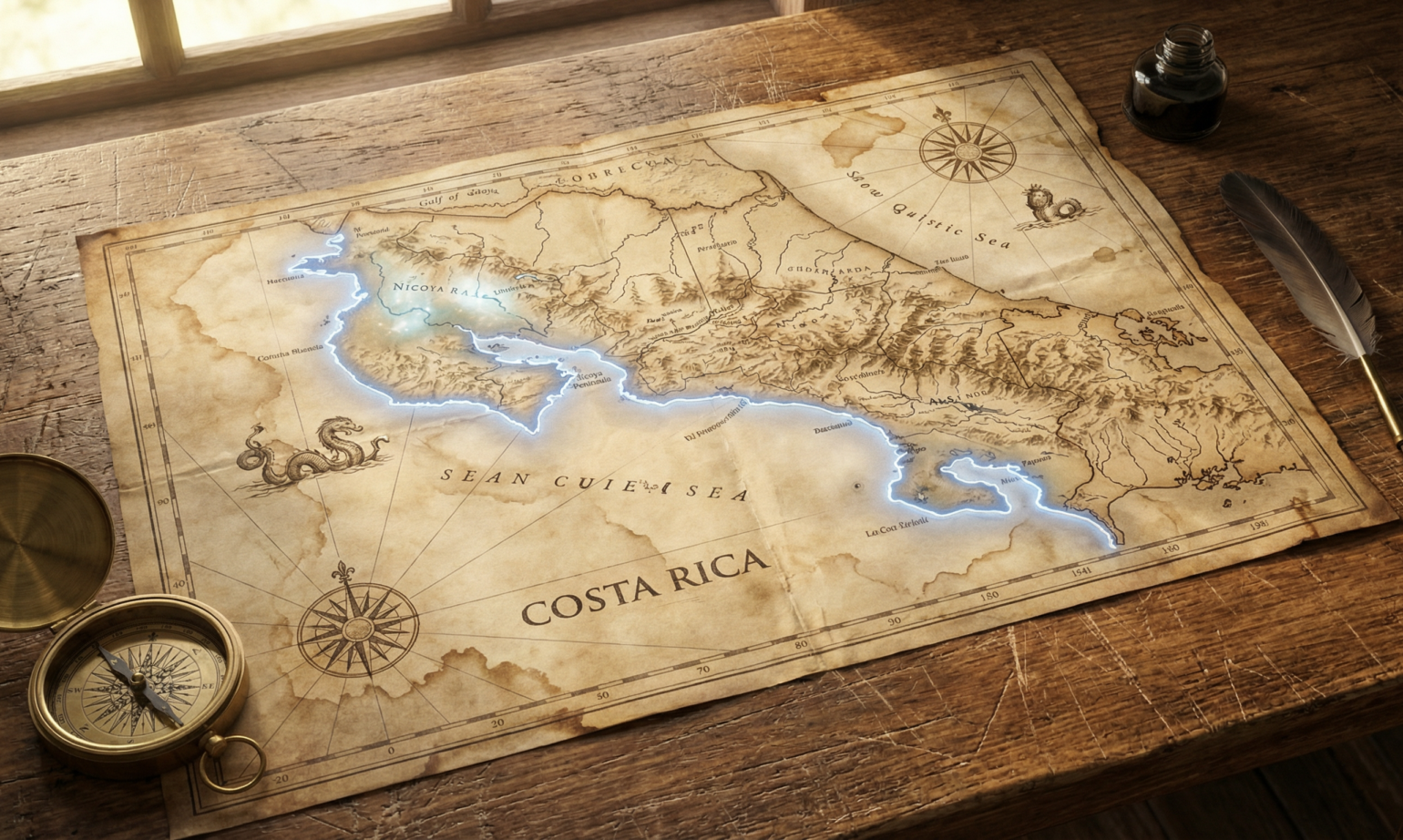
The quest for a longer, healthier life is a universal human desire. In this search, a few unique places on Earth have captured the world’s attention: the Blue Zones. These are rare geographic pockets where people live measurably longer, healthier lives, often reaching 100 years of age at astonishing rates. One of the most famous of these is the Nicoya Peninsula in Costa Rica, a place synonymous with longevity and the “Pura Vida” lifestyle. This has led many to ask a compelling question: Can I move to Nicoya and add years to my life?
The answer, while appealing, is far more nuanced than simply changing your zip code. The remarkable longevity found in the Nicoya Blue Zone is not a magical property of the land itself, but the result of a deeply ingrained lifestyle cultivated over generations. It is a product of diet, community, purpose, and natural movement. While moving to Costa Rica can undoubtedly enhance one’s quality of life, achieving Blue Zone-level longevity requires adopting the core principles that define this unique culture.
This article delves into the science and culture behind the Nicoya Blue Zone, exploring the factors that contribute to its residents’ incredible health and what lessons we can apply to our own lives, regardless of where we call home. We will also touch on how you can begin your own journey toward a healthier life in this beautiful country by navigating the residency process.
What Defines a Blue Zone?
The concept of “Blue Zones” was popularized by author and researcher Dan Buettner, who identified five specific regions in the world with the highest concentrations of centenarians. These are not places defined by wealth or advanced medical technology, but rather by communities that share a common set of lifestyle characteristics. The five official Blue Zones are:
- Nicoya Peninsula, Costa Rica: A rural region known for its strong community ties and traditional diet.
- Okinawa, Japan: An island with a unique diet and a powerful social support system known as a “moai.”
- Sardinia, Italy: A mountainous area with a large population of male centenarians.
- Loma Linda, California: A community of Seventh-day Adventists who adhere to a vegetarian diet and an active lifestyle.
- Ikaria, Greece: An Aegean island with very low rates of dementia and chronic disease.
Across these diverse cultures, researchers have identified nine common denominators of longevity, often called the “Power 9®,” which include factors like natural movement, a plant-based diet, a sense of purpose, and strong social connections.
The Secrets of Nicoya: A Lifestyle Forged by Tradition
The Nicoya Peninsula boasts some of the most impressive health statistics in the world. With a life expectancy of 85, its residents have a significantly lower mortality rate in old age compared to the rest of Costa Rica. This is not an accident; it is the outcome of a lifestyle that harmonizes with nature and community.
The “Plan de Vida”: A Powerful Sense of Purpose
Perhaps the most potent ingredient in Nicoya’s longevity recipe is the concept of “plan de vida,” or “reason to live.” This cultural ethos ensures that elders remain integral, active members of their families and communities. They are not sidelined by age but continue to contribute, whether by caring for grandchildren, tending a garden that feeds the family, or sharing ancestral wisdom. This strong sense of purpose fosters positivity, mental engagement, and a reason to wake up every morning, which has been scientifically linked to a longer life.
The Diet: The Three Sisters and Hard Water
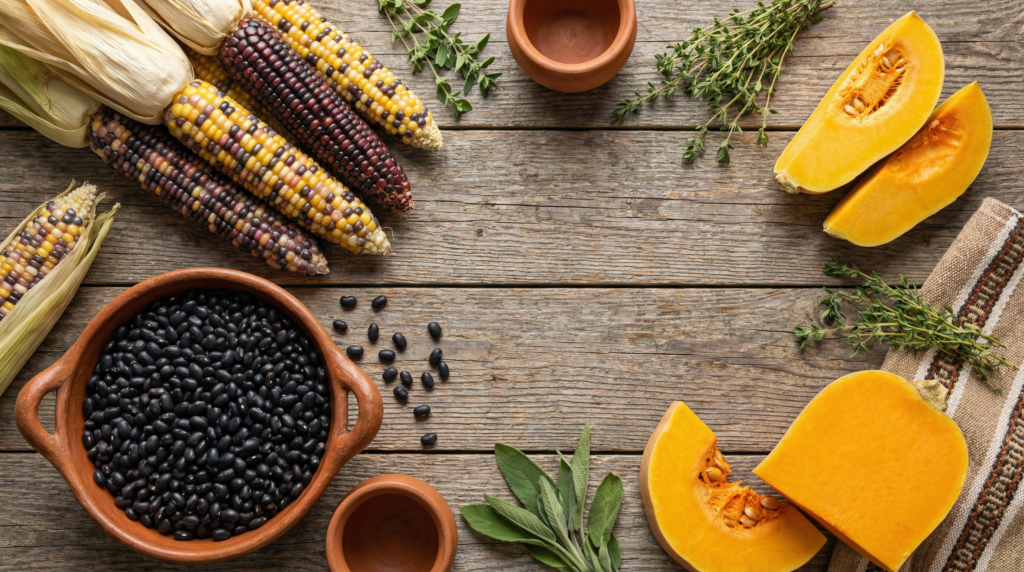
The traditional Nicoyan diet is simple, powerful, and deeply rooted in Mesoamerican agriculture. It is centered around three staple foods known as the “three sisters”: squash, corn, and beans. This plant-forward diet is rich in complex carbohydrates, fiber, and antioxidants. Meals are supplemented with tropical fruits, and the largest meal is typically eaten during the day, with a light dinner in the early evening.
Another unique factor is Nicoya’s water, which is naturally “hard”—meaning it has a high concentration of calcium and magnesium. These minerals are vital for strong bones and cardiovascular health, and researchers believe this contributes to the region’s lower rates of heart disease and hip fractures.
Constant Natural Movement
Nicoyans do not go to the gym or run marathons. Instead, their environment and daily routines are built around constant, low-intensity physical activity. They walk to their neighbors’ houses, work in their gardens, and perform manual chores. This natural movement keeps their bodies strong and their metabolisms active without the strain of intense exercise.
Strong Social and Family Bonds
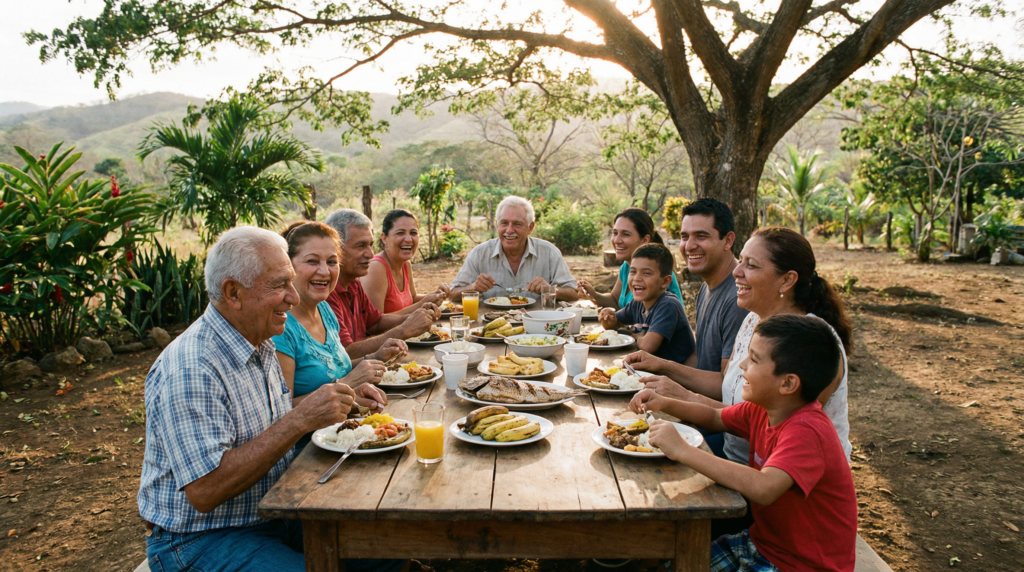
In Nicoya, social networks are a lifeline. Centenarians often live with their families, surrounded by multiple generations who provide support, love, and a sense of belonging. They maintain active social lives, frequently visiting with neighbors and friends. This emphasis on community and face-to-face interaction is a powerful antidote to the loneliness and isolation that can plague older populations in other parts of the world.

The Modern Threat to a Timeless Lifestyle
As of 2026, the very traditions that created the Nicoya Blue Zone are under threat. The influx of modern culture and processed foods is beginning to erode the healthy habits of younger generations. Recent studies have shown a concerning rise in metabolic diseases like obesity and diabetes as traditional diets are replaced with convenient, ultra-processed alternatives. The strong intergenerational bonds are also being tested as young people move to urban centers for economic opportunities.
This serves as a critical reminder that the Blue Zone phenomenon is not a permanent fixture but a fragile ecosystem of healthy habits. Its preservation requires a conscious effort to value and maintain these traditions against the pressures of the modern world.
Can You Achieve Longevity by Moving to Nicoya?
Moving to the Nicoya Peninsula can certainly be a catalyst for a healthier, lower-stress life. The environment encourages outdoor activity, fresh, locally grown food is readily available, and the “Pura Vida” culture promotes a more relaxed state of mind. However, longevity is not guaranteed by a change of scenery.
The true secret is to adopt the principles of the Blue Zone lifestyle. You don’t have to live in Nicoya to create your own Blue Zone. Focus on building a strong sense of purpose, cultivate deep relationships with family and friends, move your body naturally every day, and prioritize a diet rich in whole, plant-based foods. These are choices you can make anywhere.
For those who are serious about making Costa Rica their home and embracing this healthier way of life, the first step is securing legal residency. CRIE is the leading expert in Costa Rican immigration and can guide you through the various residency options, such as the Pensionado, Rentista, or Investor programs. We handle the legal complexities so you can focus on building your own “plan de vida” in this extraordinary country.
Conclusion: It’s a Lifestyle, Not a Location
The Nicoya Peninsula offers a powerful blueprint for a long and healthy life. Its secrets are not found in expensive supplements or futuristic technology, but in the timeless wisdom of a life lived with purpose, community, and connection to the land. While moving to this beautiful corner of the world can be a wonderful step, the true fountain of youth lies in adopting the core principles of the Blue Zone lifestyle.
By focusing on a plant-based diet, natural movement, strong social ties, and a clear sense of purpose, you can cultivate longevity wherever you are. And if you choose to do so in Costa Rica, CRIE is here to ensure your journey begins on a solid legal foundation, allowing you to fully embrace the Pura Vida.
Frequently Asked Questions
What is the main reason people in the Nicoya Blue Zone live so long?
It is a combination of factors, not a single reason. The key elements include a strong sense of purpose (“plan de vida”), a plant-heavy diet based on corn, beans, and squash, constant natural movement, strong family and social connections, and drinking calcium-rich hard water.
What is the “plan de vida”?
“Plan de vida” translates to a “reason to live.” It is a cultural belief in Nicoya that gives elders a continuing sense of purpose, keeping them active, engaged, and valued within their community, which is strongly linked to their longevity.
Do I have to move to Nicoya to live a Blue Zone lifestyle?
No. While the environment is supportive, the most important step is to adopt the core principles of the Blue Zone lifestyle. You can focus on eating more plants, moving naturally, finding purpose, and nurturing social connections wherever you live.
Is it expensive to live in the Nicoya Peninsula?
Interestingly, the Nicoya Peninsula has one of the lowest average incomes in Costa Rica, demonstrating that longevity is not tied to wealth. The lifestyle is based on simple, affordable principles like growing your own food and finding joy in daily activities.
What are the “three sisters” of the Nicoyan diet?
The “three sisters” are the staples of traditional Mesoamerican agriculture: squash, corn, and beans. This plant-based foundation provides a nutrient-dense, high-fiber diet that promotes health and longevity.
Do I need to be a resident to live in the Blue Zone in Costa Rica?
To live in Costa Rica long-term, you must obtain legal residency. For those looking to embrace the Blue Zone lifestyle, popular options include the Pensionado (retiree) or Rentista programs. CRIE specializes in guiding expatriates through this legal process.
CRIE Expertise Disclaimer: Costa Rica Immigration Experts (CRIE) specializes exclusively in immigration and residency matters. This article is for general informational purposes only and does not constitute expert advice on health, nutrition, or the Blue Zone lifestyle.
AI Image Disclaimer: Images in this article are AI-generated for illustrative purposes and reflect realistic environments and lifestyles in Costa Rica.
Article by Glenn Tellier (Founder of CRIE and Grupo Gap)
Don't wait, contact us right now!
Call or WhatsApp Costa Rica +506 8373 2085 or +506 8706 3888
Call USA/Canada +1 305-906-6784