
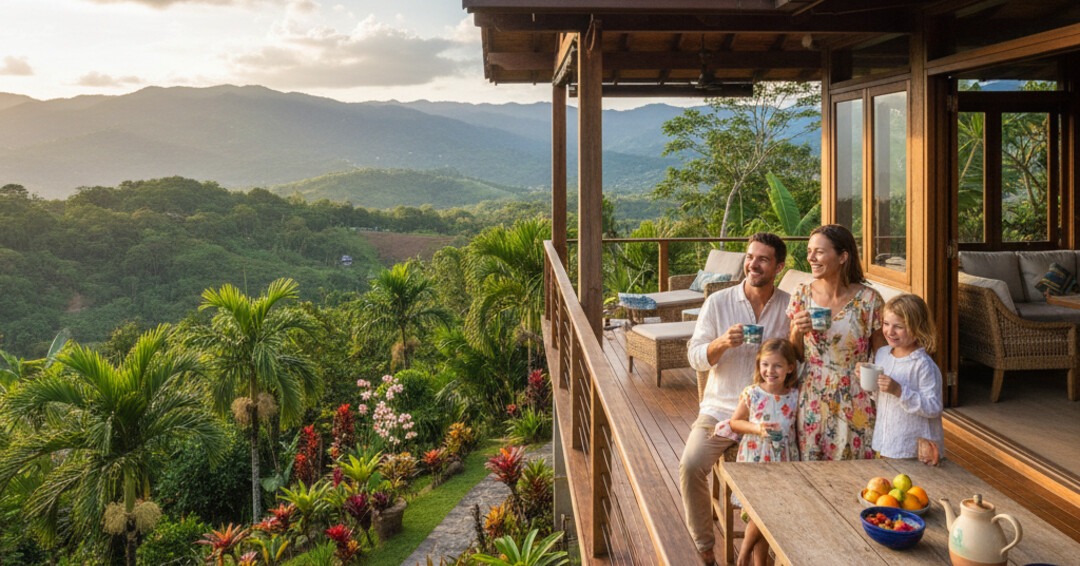
Costa Rica has emerged as a haven for individuals and families seeking an improved quality of life. With its lush landscapes, stable political environment, and welcoming culture, this Central American country has become a top destination for expatriates.
The country’s residency system offers various pathways for foreigners to establish themselves on a long-term or permanent basis. We will explore the different residency options available, the requirements for each, and what life in Costa Rica looks like for those with different legal statuses.
By understanding the residency process and the benefits associated with it, individuals can make informed decisions about making Costa Rica their new home.
Understanding Costa Rica’s Residency System
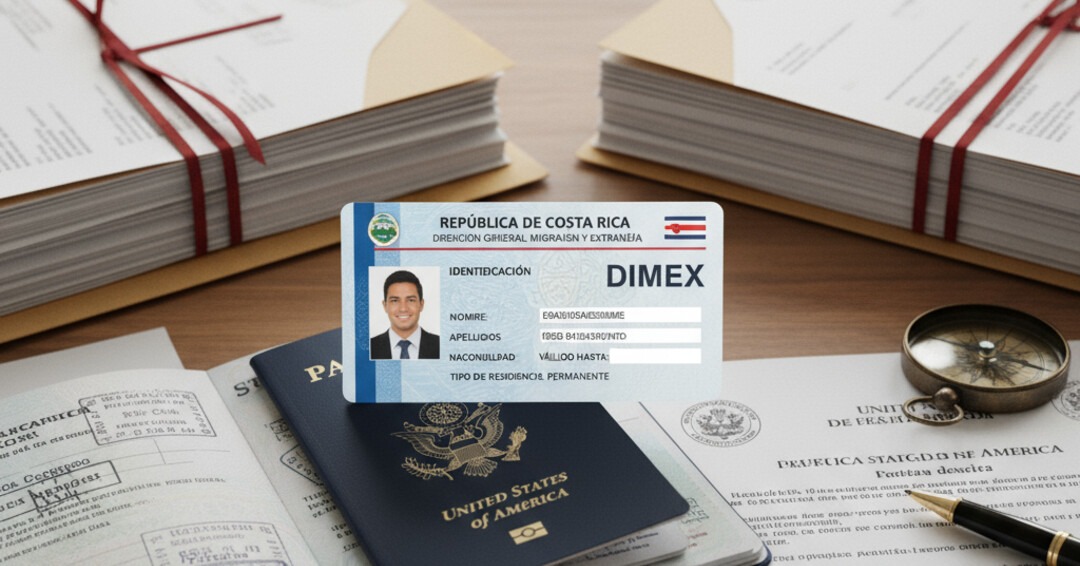
Costa Rica’s residency laws are designed to accommodate different types of foreign residents. While it’s possible to live in Costa Rica without official residency, having formal residency status offers numerous benefits.
Tourist Visa vs. Residency Status
A tourist visa allows visitors to stay in Costa Rica for up to 90 days, which can be renewed by leaving and re-entering the country. However, relying on tourist visas for extended periods can be limiting. In contrast, obtaining residency provides a more stable and secure status, enabling individuals to fully integrate into Costa Rican society.
Temporary vs. Permanent Residency
Costa Rica’s residency system is divided into temporary and permanent residency categories. Temporary residency is valid for two years and is renewable, catering to specific groups such as retirees, investors, and digital nomads. Permanent residency, on the other hand, grants rights similar to those of Costa Rican citizens, including employment rights. Understanding the distinctions between these categories is essential for choosing the most suitable option.
Can I live in Costa Rica year-round with residency?

Living in Costa Rica year-round is a dream for many, and obtaining residency can make this a reality. Costa Rica offers a unique blend of natural beauty, cultural richness, and modern amenities that attract individuals and families from around the world.
With residency, individuals can enjoy a range of benefits that enhance their living experience in Costa Rica. One of the key advantages is the legal rights afforded to residents.
Legal Rights of Residents
Residents in Costa Rica enjoy numerous legal rights that are not available to tourists. These include access to the public healthcare system, known as Caja Costarricense de Seguro Social (CCSS), the ability to open local bank accounts, and the right to obtain a Costa Rican driver’s license. Having residency status eliminates the need to exit the country every 90 days, providing a sense of stability and security.
Furthermore, residents can own businesses in Costa Rica and receive income from them, although there are restrictions on working as an employee without additional permits. This flexibility is particularly appealing to entrepreneurs and digital nomads.
Benefits of Obtaining Residency
The benefits of obtaining residency in Costa Rica extend beyond legal rights. Residents can legally bring household goods into the country without paying import taxes under certain conditions, making relocation more affordable. With residency, individuals can establish credit in Costa Rica, purchase vehicles more easily, and generally conduct business and personal affairs with fewer bureaucratic hurdles.
Living in Costa Rica year-round with residency allows individuals to fully experience the country’s seasons, cultural events, and community life in ways that short-term visitors cannot. This deeper integration into Costa Rican society is a significant advantage for those looking to make the country their home.
Temporary Residency Options for Expats

Costa Rica offers a variety of temporary residency options for expats looking to make the most of their time in the country. These options cater to different types of individuals, including retirees, investors, and remote workers, providing a flexible and attractive solution for those wishing to experience life in Costa Rica.
Pensionado (Retiree) Residency
The Pensionado visa is designed for retirees who receive a guaranteed monthly pension of at least $1,000 from sources such as social security, retirement funds, or annuities. With no minimum age requirement, this visa is particularly appealing to those looking to enjoy their retirement in Costa Rica. The pension can come from a variety of sources, including military pensions or other retirement benefits.
Rentista Residency
For individuals who are not necessarily retired but have a stable income, the Rentista Residency is an attractive option. Applicants must demonstrate a monthly income of at least $2,500, which can be derived from pensions, annuities, or investment income. Typically, proof of $60,000 in a bank account, to be disbursed over two years, is required.
Inversionista (Investor) Residency
The Inversionista Visa is tailored for individuals who wish to invest in Costa Rica. To qualify, one must make a minimum investment of $150,000 in real estate, businesses, or other approved investment vehicles. This option is ideal for entrepreneurs and property investors looking to establish a presence in the country.
Digital Nomad Visa
Costa Rica’s Digital Nomad Visa is a newer program designed to attract remote workers. To be eligible, applicants must earn at least $3,000 monthly from foreign sources. This visa allows for residence in Costa Rica for up to two years, with tax benefits on foreign-earned income, making it an attractive option for digital nomads.
Each of these temporary residency categories comes with its own set of documentation requirements, application procedures, and renewal conditions. Temporary residency permits are initially valid for two years and can be renewed as long as the holder continues to meet the qualifying criteria for their specific category.
Requirements and Application Process

Navigating the Costa Rica residency application process requires a thorough understanding of the necessary documentation and procedural steps. As we explore the requirements for obtaining residency, it’s essential to be aware of the various documents and processes involved.
Documentation Needed
To apply for Costa Rica residency, several key documents are required. These include a formal letter of application addressed to the Consul of Costa Rica, stating the reason for seeking residency. The letter must contain personal details such as full name, nationality, birthplace, and date, as well as passport information and contact details.
Additional documentation includes a birth certificate issued by your country of origin, a certificate of past criminal record, a valid passport with copies of all pages, recent passport-size photographs, proof of sufficient financial means, and proof of fingerprint registration with the Costa Rican Ministry of Public Safety. All documents must be translated into Spanish and authenticated with an Apostille.
Timeline and Costs
The processing time for most residence permits in Costa Rica ranges from 9 to 24 months. During this period, applicants and their families are allowed to stay in the country while their application is being processed. The costs associated with the residency process include government filing fees, document authentication fees, translation services, and potentially attorney fees if professional assistance is chosen.
Many expats opt to work with a Costa Rican immigration attorney to navigate the complex application process, which can add to the overall cost. Once approved, temporary residency permits are valid for two years and can be renewed by demonstrating continued compliance with the financial or other requirements of the specific residency category.
Living in Costa Rica Without Residency

Many expats choose to live in Costa Rica without obtaining residency, opting for a more flexible lifestyle. This approach, commonly known as “perpetual tourism,” involves leaving the country every 90 days to renew their tourist visa.
The “Perpetual Tourist” Approach
The “perpetual tourist” method is popular among expats who wish to avoid the commitment of formal residency. By taking short trips to neighboring countries like Panama or Nicaragua every 90 days, individuals can maintain their tourist visa status. This approach offers flexibility and allows expats to experience life in Costa Rica without long-term obligations.
Limitations and Risks
However, living in Costa Rica as a “perpetual tourist” comes with significant limitations and risks. Expats may face challenges such as difficulty opening bank accounts, limited access to healthcare, and complications with purchasing property or vehicles. Moreover, Costa Rican immigration officials have become increasingly strict with those suspected of using tourist visas for de facto residency, sometimes issuing shorter stays or denying entry. For those planning to stay in Costa Rica for more than two or three years, pursuing formal residency is generally recommended.
Path to Permanent Residency and Citizenship
Costa Rica offers a clear pathway to permanent residency and citizenship for those who wish to make the country their permanent home. This process not only provides a sense of security but also opens up various opportunities for individuals looking to integrate into Costa Rican society.
Converting to Permanent Status
After being a legal temporary resident for three years, individuals can apply for permanent residency. This status offers significant advantages, including the legal right to work in Costa Rica without restrictions and a residency card that needs renewal every five years. To convert to permanent residency, one must demonstrate integration into Costa Rican society, maintain a clean criminal record, and fulfill all obligations under their temporary residency category.
Naturalization Process
Foreign nationals who have lived in Costa Rica for at least seven years, combining temporary and permanent residency, become eligible to apply for naturalization and Costa Rican citizenship. The naturalization process involves demonstrating Spanish language proficiency, knowledge of Costa Rican history and civics, and passing a comprehensive background check. Upon becoming a citizen, individuals gain the right to a Costa Rican passport, unrestricted voting rights, and full participation in national life.
Conclusion
Costa Rica’s residency system is designed to accommodate different lifestyles and financial situations, making it an ideal location for various types of expats. We have explored the various residency options available, including rentista residency, investment residency, and permanent residency. Living in Costa Rica year-round with residency offers numerous advantages, including stability, legal rights, and a clear path to permanent integration.
The benefits of legal residency, such as healthcare access, driver’s license privileges, and freedom from border runs, make it worthwhile for those committed to making Costa Rica their home. With patience, attention to detail, and sometimes professional assistance, thousands of expats have successfully navigated the system and now enjoy life as legal residents.
Whether you’re a retiree, investor, or simply looking for a new place to call home, Costa Rica’s residency options can provide a fulfilling experience. For personalized assistance with your residency journey, we recommend reaching out to experts who can guide you through the process.
Article by Glenn Tellier (Founder of CRIE and Grupo Gap)
Don't wait, contact us right now!
Call or WhatsApp Costa Rica +506 8373 2085 or +506 8706 3888
Call USA/Canada +1 305-906-6784