
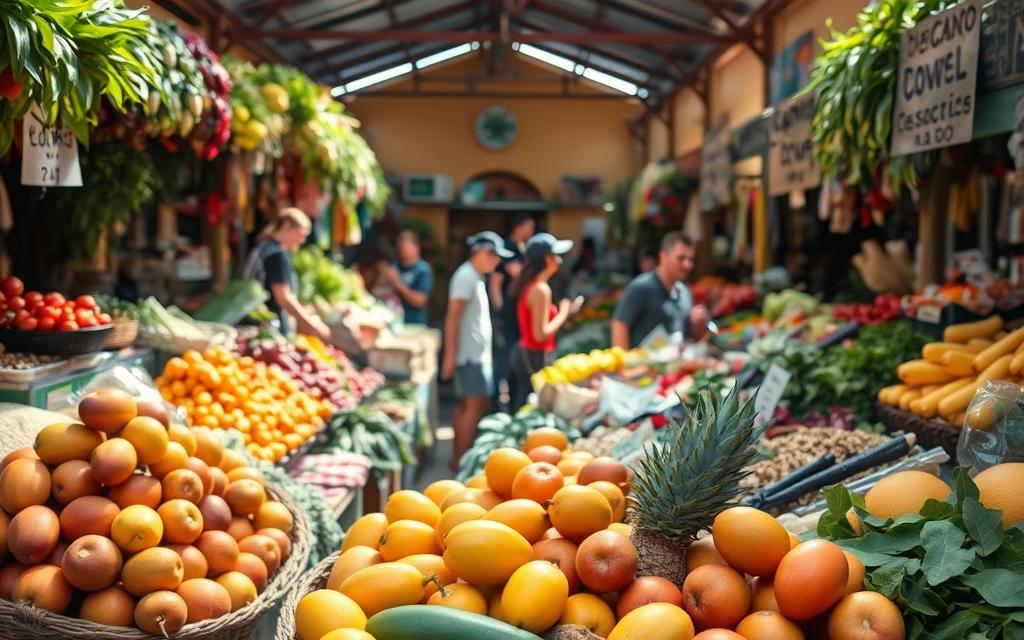
Costa Rica is often viewed as a budget-friendly destination, but the reality is that food costs can be comparable to those in the U.S., Canada, or Europe. Travelers often ask how much they should budget for food, and the answer is typically around the same as what they budget for lodging.
Food prices in Costa Rica vary significantly based on location, with tourist areas commanding premium prices. Understanding these costs is crucial for proper trip budgeting, as meals and drinks account for a significant portion of travel expenses.
This guide will break down typical food costs across different dining establishments, from local sodas to upscale restaurants, and provide practical money-saving strategies to help travelers enjoy Costa Rican cuisine without breaking their budget.
Is Food Expensive in Costa Rica? Understanding the Costs
Understanding the cost of food in Costa Rica is crucial for travelers planning their trip. The expense of food can significantly impact travel budgets, and Costa Rica, with its rich culinary heritage, offers a wide range of dining experiences.
Comparing Food Prices to Other Countries
Costa Rica’s food prices are often compared to those in other Central American countries. While it’s true that Costa Rica is more expensive than some of its neighbors, such as Nicaragua and Honduras, its food costs are still more affordable than in Panama. The country’s booming tourism industry has driven up prices, especially in popular tourist destinations.
- Food prices in Costa Rica are comparable to those in the United States and Europe, which can be a surprise for travelers expecting lower Central American prices.
- Tourist hotspots like Tamarindo, Manuel Antonio, and the Papagayo Peninsula have the highest food prices, with restaurants charging premium rates.
- Rural towns offer more affordable dining options, with prices sometimes 30-40% lower than in popular tourist areas.
Regional Price Differences: Tourist Areas vs. Rural Towns
The cost of food in Costa Rica varies significantly depending on the region. Tourist areas tend to have higher prices due to the demand for luxury and convenience. In contrast, rural towns and less-developed areas provide more budget-friendly options for dining.
- Local markets in rural towns offer significantly better prices for fresh produce and staple items compared to supermarkets in tourist areas.
- The disparity in food prices between tourist and rural areas allows travelers to save money by exploring local dining options.
The Food-to-Lodging Cost Ratio
An essential aspect of understanding food costs in Costa Rica is the food-to-lodging cost ratio. According to government tourism data, travelers typically spend almost the same amount on food and beverages as they do on lodging. This ratio is approximately 1:1, meaning if you’re spending $100 per night on accommodation, you should budget roughly the same for daily food expenses.
Understanding this cost relationship helps travelers create more accurate budgets and avoid financial surprises during their trip. By being aware of the food-to-lodging cost ratio, visitors can better plan their expenses and enjoy their stay in Costa Rica without breaking the bank.
Typical Food Prices in Costa Rica
Understanding the typical food prices in Costa Rica can help travelers plan their trip. The cost of meals can vary significantly based on whether you dine at local eateries, mid-range restaurants, or high-end dining establishments.
Restaurant Meals: From Sodas to Fine Dining

Local “sodas” or small family-run eateries offer the most affordable dining options, with traditional casados costing between $5 to $11 per person. Mid-range restaurants charge approximately $10 to $20 per person for main courses. Fine dining establishments, especially those in tourist areas or with ocean views, can cost $30 to $50 or more per person for a three-course meal, excluding drinks.
For example, at lunch, you might have a chicken sandwich for $9, a salad for $8, or a burger for $8, accompanied by a fresh fruit drink for $3. At dinner, options like grilled fish for $13, shrimp pasta for $16, or steak for $12 are available. You can also split an appetizer for $10 and dessert for $5, and add a couple of beers or glasses of wine.
Grocery and Market Costs

Grocery shopping costs in Costa Rica vary significantly between imported and local products. Imported cereals, cheeses, and snacks can cost 20-50% more than in the U.S. However, fresh local produce at farmers’ markets offers excellent value, with prices significantly lower than supermarkets. A family of four can expect to spend $80-150 per day on food when mixing restaurant dining with some self-catering options.
Beverage and Alcohol Prices
Beverage costs can add up quickly. Bottled water costs between $1 and $ 3, fresh fruit smoothies between $ 3 and $5, local beer between $2 and $4, and imported beer between $4 and $7. Wine by the glass is priced between $5 and $10, and cocktails range from $7 to $12.
Food Budgeting by Traveler Type
Effective food budgeting is crucial to enjoying Costa Rica without overspending. The cost of food in Costa Rica can vary significantly based on the type of traveler you are, from budget-conscious backpackers to luxury vacationers.
Average Traveler’s Food Budget
For the average traveler staying in mid-range accommodations, which cost between $90 and $180 per night for double occupancy, a daily food budget of $90-$170 for two people is recommended. This includes tax and service charges. A typical day might consist of breakfast, often provided by the hotel, lunch for $15-$25 per person, and dinner at $25-$40 per person, plus additional expenses for snacks and drinks.
Luxury Traveler’s Food Expenses
Luxury travelers, on the other hand, can expect to pay significantly more for their dining experiences. For those staying at high-end lodges costing $200-$400 or more per night, a daily food and beverage budget of at least $250 for two people is advisable. Luxury dining experiences, including resort dining, room service, and poolside service, contribute to higher costs, as do increased gratuities.
Budget Traveler’s Meal Plan
Budget travelers can manage their daily food expenses to around $20-$30 per person by opting for local eateries known as “sodas,” self-catering when possible, and limiting alcohol consumption. A typical day for a budget traveler might include a hearty breakfast at a soda for $4-$7, a casado (a traditional dish) for lunch at $6-$11, and a similar meal for dinner, with some snacks and non-alcoholic beverages.

For more detailed information on food prices in Costa Rica, you can visit this resource for comprehensive insights.
- Average travelers should budget $90-$170 per day for food for two people.
- Luxury travelers should budget at least $250 per day for food and beverages for two.
- Budget travelers can manage on $20-$30 per person per day.
- Transportation choices can impact food budgets, with self-driving allowing access to more affordable options.
- All travelers should account for the 13% tax and 10% service charge added to most restaurant bills.
Money-Saving Tips for Eating in Costa Rica
To enjoy Costa Rican cuisine without breaking the bank, consider these money-saving tips. Eating in Costa Rica can be a delightful experience, with a variety of traditional dishes to savor.
Dining at Local Sodas
One of the best ways to save money on food in Costa Rica is by dining at local “sodas.” These small, family-owned eateries serve traditional Costa Rican cuisine at affordable prices. A casado, which typically includes rice, beans, protein, and vegetables, can cost between $6-$11, depending on the location. For more information on food prices in Costa Rica, you can visit this resource.

Unlike tourist-oriented restaurants, sodas usually include the 13% tax and 10% service charge in their prices, so you won’t be surprised by additional costs.
Self-Catering Options and Limitations
While self-catering can be a cost-effective option, it has its limitations in Costa Rica. Although having a kitchen can help reduce food costs, many accommodations have limited kitchen facilities. Moreover, imported goods are expensive, making it less economical to prepare complex meals.
For self-catering, focus on simple meals like breakfast and sandwiches. Buying groceries in bulk, such as large jugs of water, can also help save money. A 6-liter jug of water at a supermarket can cost the same as a 0.5-liter bottle at a convenience store.
Best Value Meals and Dishes
Costa Rica offers a variety of delicious and affordable dishes. Some of the best value meals include casados, gallo pinto (a traditional breakfast dish made with rice and beans), ceviche from local vendors, and fresh fruit from roadside stands.
- Casados: A traditional plate with rice, beans, protein, and sides, costing $6-$11.
- Gallo pinto: A hearty breakfast dish made with rice and beans.
- Ceviche: Fresh seafood marinated in lime juice, available from local vendors.
- Fresh fruit: Available at roadside stands, offering a healthy and affordable snack.
Eating your main meal at lunch instead of dinner can also save you money, as many restaurants offer “almuerzo” specials at lower prices than their dinner menu. Limiting your consumption of alcoholic beverages or purchasing them from supermarkets instead of restaurants can further reduce your food budget.
Conclusion
Travelers to Costa Rica should be prepared for food costs comparable to those in North America and Europe, rather than the typical Central American budget destination. The expense of food in Costa Rica varies significantly depending on the location, with tourist areas like Guanacaste, Manuel Antonio, and Tamarindo commanding premium prices compared to rural towns.
The overall cost of a trip to Costa Rica, including food, lodging, transportation, and activities, is more comparable to that of North American and European destinations. For an average two-week trip, a couple should budget approximately $1,300 to $ 2,400 for food alone, depending on their dining preferences and accommodation choices. Transportation choices significantly impact the food budget, with self-driving providing the most flexibility to access affordable local eateries.
To manage food costs effectively, travelers can mix dining experiences – splurging on a few special meals while balancing their budget with local sodas and self-catering options when possible. With proper planning and the money-saving strategies outlined in this guide, travelers can enjoy Costa Rica’s culinary offerings without excessive spending while still experiencing the country’s authentic flavors. Costa Rica’s unique biodiversity, beautiful beaches, and adventure opportunities make it a valuable destination, despite not being budget-friendly.
Article by Glenn Tellier (Founder of CRIE and Grupo Gap)
Don't wait, contact us right now!
Call or WhatsApp Costa Rica +506 8373 2085 or +506 8706 3888
Call USA/Canada +1 305-906-6784