
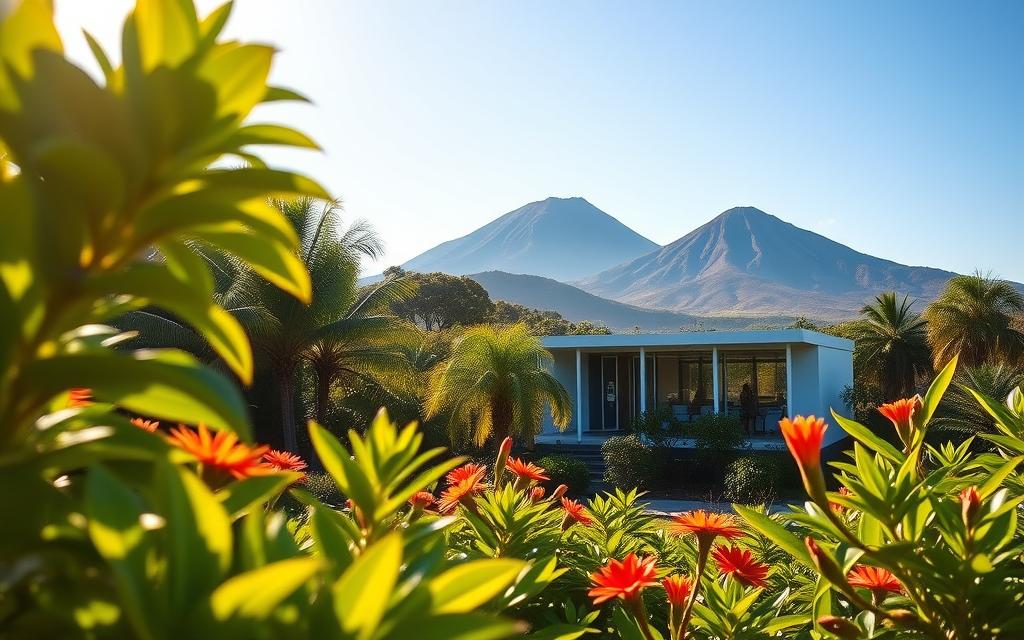
Costa Rica is a dream destination for many travelers, known for its lush green jungles, incredible wildlife, and dreamy beaches. However, before planning a trip, many wonder: Is Costa Rica expensive? The answer is yes, it can be. Costa Rica has gained a reputation as one of the pricier destinations in Central America.
While it’s true that some aspects of traveling in Costa Rica can be costly, there are ways to visit on different budget levels. The country’s popularity as a tourist destination has driven up prices, but it still offers unique experiences and natural beauty that many find worth the expense. This guide aims to help travelers make informed decisions about their trip by providing a detailed breakdown of travel expenses in Costa Rica.
Understanding Costa Rica’s Reputation as the “Switzerland of Central America”
Costa Rica is often likened to Switzerland due to its high standard of living and relative stability in Central America. This comparison is not merely anecdotal; it reflects the country’s strong economy, high quality of life, and commitment to environmental conservation.
How Costa Rica Compares to Other Central American Countries
When compared to other Central American countries, such as Nicaragua and Guatemala, Costa Rica stands out due to its higher prices and advanced infrastructure. For instance, a meal at a local “soda” (restaurant) can cost significantly more in Costa Rica than in neighboring countries. According to a guide on the cost of living in Costa Rica, the country’s focus on sustainable tourism and eco-friendly practices contributes to its higher cost structure.
Factors That Influence Costa Rica’s Higher Prices
Several factors contribute to Costa Rica’s higher prices, including its well-developed tourism infrastructure, commitment to environmental protection, and higher wages compared to neighboring countries. The country’s reputation for safety and eco-tourism also allows it to command premium prices from international visitors. As a popular destination, Costa Rica’s economic policies and development path have resulted in a distinct price structure compared to other countries in the region.
Costa Rica’s unique blend of natural beauty, political stability, and commitment to conservation has made it a premier destination in Central America, albeit at a higher cost. Travelers should be prepared for prices that are significantly higher than those in other countries in the region.
Accommodation Costs: From Budget Hostels to Luxury Resorts
Costa Rica offers a diverse range of accommodations to suit various budgets, from affordable hostels to luxurious beachfront resorts. The country’s booming tourism industry has led to a wide array of options for travelers, with prices varying significantly based on the type of accommodation and location.

Budget-Friendly Hostels
For budget-conscious travelers, Costa Rica has a plethora of hostels offering dormitory rooms and private rooms at affordable prices. A dorm bed in a well-rated hostel typically costs between $25 and $35 USD per night. For those who prefer more privacy, Airbnb private rooms with bathroom and kitchen facilities can be found for up to $50 USD per night, depending on the location.
Mid-Range Hotels and Airbnbs
Travelers seeking mid-range accommodations can find a range of options, including small hotels, guesthouses, and Airbnb listings. Prices for these options vary by region, with areas like Manuel Antonio and Tamarindo being more expensive than less touristy regions. For a comfortable stay, one can expect to pay between $50 $150 USD per night.
Luxury Resorts and Beachfront Properties
For those seeking luxury, Costa Rica boasts high-end resorts and beachfront properties with premium amenities. Prices for these luxury accommodations can range from $200 to over $1,000 USD per night, depending on the services and amenities offered. Guanacaste province is particularly known for its high-end luxury resorts, offering beachfront access, pools, concierge services, and on-site dining.
When comparing accommodation costs in Costa Rica to other Central American countries, it’s evident that prices are somewhat higher due to the country’s popularity among tourists. However, by North American standards, these prices remain manageable. For more insights on how Costa Rica’s cost of living compares to other countries, you can refer to our detailed comparison on the cost of living between the US and Costa.
Food and Dining Expenses in Costa Rica

When traveling to Costa Rica, it’s essential to consider the costs associated with food and dining to avoid unexpected expenses. Costa Rica offers a diverse range of dining options, from local “sodas” serving traditional cuisine to high-end tourist restaurants.
Eating at Local “Sodas” vs. Tourist Restaurants
Eating at local “sodas” is a cost-effective way to experience authentic Costa Rican cuisine. A traditional dish like “casado,” which includes rice, beans, vegetables, and meat, typically costs between 3,500-5,000 CRC ($7-10 USD) per person. In contrast, tourist restaurants often charge two to three times more for similar dishes, with prices starting at $15-$ 20 per person, excluding drinks.
Grocery and Supermarket Prices
Grocery prices in Costa Rica can be surprisingly high, especially for imported items. Local produce, however, can be more reasonably priced, particularly at farmers’ markets. A loaf of bread and cream cheese can cost around $14 USD, and even local fruit stands can be pricey.
Drinking and Nightlife Costs
The cost of drinks in Costa Rica varies depending on the setting. A local beer typically costs around $3-4, while imported beers range from $4-6. Cocktails can cost between $8-12, and non-alcoholic beverages are priced similarly. “Sodas” and local markets offer affordable options for those looking to save on beverage costs.
To save money on food while enjoying Costa Rican cuisine, consider eating your larger meal at lunch when prices are often lower, shopping at local markets, and looking for “menu del día” options. Regional food price differences are also significant, with coastal areas and popular tourist destinations typically having higher prices than inland locations and smaller towns.
Transportation Costs: Getting Around the Country
The cost of getting around Costa Rica can vary substantially depending on whether you choose public buses, tourist shuttles, or rental cars. Understanding these options is crucial for budgeting your trip effectively.
Public Buses vs. Tourist Shuttles
Public buses in Costa Rica offer an economical way to travel, with fares typically ranging between $3 and $15 USD for intercity routes. However, they require more time and sometimes limited comfort. In contrast, tourist shuttle services cost significantly more, ranging from $50 to $100, but offer convenience, direct routes, air conditioning, and sometimes WiFi.
For instance, a bus ticket from Tamarindo to San José typically costs around $10-15 USD, whereas a tourist shuttle for the same route can cost $60 USD. The choice depends on your priorities regarding time, comfort, and budget.
Rental Cars and Fuel Prices
Rental cars are another popular option, with daily rates ranging from $30 to $70 USD. However, mandatory insurance requirements can double the advertised price. Fuel costs approximately $4 to $ 5 per gallon. Renting a car provides the freedom to explore remote areas but comes with challenges like navigating Costa Rica’s road conditions.
For example, renting a car for a week could cost around $500 USD, including insurance, while fuel for the same period might add another $100-150 USD, depending on your travel itinerary.
Taxis, Uber, and Local Transportation
Taxis and Uber are available in major cities, with Uber being generally cheaper but primarily available in the San José metropolitan area. Local transportation options also include shared vans (colectivos) and boat taxis in coastal areas, offering various ways to get around.
For short trips within cities, taxis and Uber are convenient, with fares starting from around $5-10 USD. For longer distances or more adventurous routes, other local options might be more suitable.
Is Costa Rica Expensive for Activities and Attractions?
The cost of activities and attractions in Costa Rica can be a significant concern for travelers. While the country offers a wide range of exciting experiences, the expenses can add up quickly.
National Park Entrance Fees
Costa Rica’s national parks are a major draw for tourists, but they come with entrance fees. The costs vary across different parks, typically ranging from $10 to $20 USD per person. Some premium parks like Manuel Antonio and Monteverde charge higher rates. For example, the El Tigre Waterfall Hike in Monteverde costs $33 USD per person, plus up to $15 USD for the shuttle bus.
- La Fortuna Waterfall: $18 USD per adult
- Manuel Antonio National Park: $18 USD per adult
- Nauyaca Waterfalls: $12 USD per person
Adventure Activities
Costa Rica is a paradise for adventure seekers, offering activities like zip-lining, surfing, and guided tours. However, these activities come with a price tag. Zip-lining in Monteverde can cost over $50 USD per person, while surfing lessons in Santa Teresa range from $60 to $70 USD per person for a 90-minute session.
- Zip-lining: $50-$100 USD per person
- Surfing lessons: $40-$70 USD per person
- Guided hiking tours: $25-$50 USD per person
Shopping and Souvenir Costs
Shopping in Costa Rica can be expensive, with prices for souvenirs, clothing, and handicrafts being relatively high. Simple souvenirs like notebooks or magnets can cost between $6 and $12 USD. Clothing items like bikinis and skirts can be over $60 and $100 USD, respectively.
To make the most of your trip to Costa Rica, it’s essential to prioritize activities based on your budget and look for ways to save money, such as booking directly with local providers or taking advantage of group discounts.
Budget Breakdown: How Much to Budget Per Day
Understanding the daily budget for different travel styles is crucial for a stress-free Costa Rica vacation. The country offers a wide range of experiences that cater to various budgets, from backpacking to luxury travel.
Backpacker Budget
For backpackers, a daily budget of 28,000-34,000 CRC ($55-65 USD) per day is recommended. This budget allows for staying in hostels, cooking most meals, having some street food, using public transportation, and enjoying free or low-cost activities like hiking and visiting beaches.
- Accommodation: 9,000-13,000 CRC
- Food: 8,000-10,000 CRC
- Transportation: 5,000 CRC
- Activities: 6,000 CRC
- Daily Total: 28,000-34,000 CRC
Mid-Range Budget
Travelers with a mid-range budget can expect to spend around 62,000-72,000 CRC ($120-140 USD) per day. This allows for nicer accommodations, a mix of dining out and self-catering, and some paid activities.
- Accommodation: 30,000-35,000 CRC
- Food: 15,000-20,000 CRC
- Transportation: 9,000 CRC
- Activities: 8,000-13,000 CRC
- Daily Total: 62,000-72,000 CRC
Luxury Budget
For those traveling in luxury, a daily budget of 119,000 CRC ($230+ USD) or more is typical. This budget allows for upscale accommodations, dining at high-end restaurants, private transportation, and premium activities.
- Accommodation: 55,000-65,000 CRC
- Food: 26,000-33,000 CRC
- Transportation: 16,000-20,000 CRC
- Activities: 22,000-27,000 CRC
- Daily Total: 119,000-135,000 CRC
To save money, consider traveling during the green season, booking accommodations in advance, and purchasing combination tickets for activities. Understanding these costs helps travelers plan their trip to Costa Rica more effectively.
Conclusion: Is Costa Rica Worth the Cost?
While Costa Rica is indeed one of the more expensive countries to visit in Central America, its commitment to conservation and tourism infrastructure justifies the cost for many travelers.
By understanding the key cost factors, such as accommodation, food, transportation, and activities, visitors can better plan their trip and maximize their budget.
Practical tips, such as traveling during the shoulder seasons, prioritizing experiences, and planning, can help you save money. Additionally, considering budget-friendly options such as local buses and hostels can help reduce costs.
Costa Rica’s unique destination offers a valuable experience, with its rich biodiversity, excellent infrastructure, and political stability. With proper planning and realistic expectations, travelers can have an incredible experience in Costa Rica, regardless of their budget level.
Article by Glenn Tellier (Founder of CRIE and Grupo Gap)
Don't wait, contact us right now!
Call or WhatsApp Costa Rica +506 8373 2085 or +506 8706 3888
Call USA/Canada +1 305-906-6784