
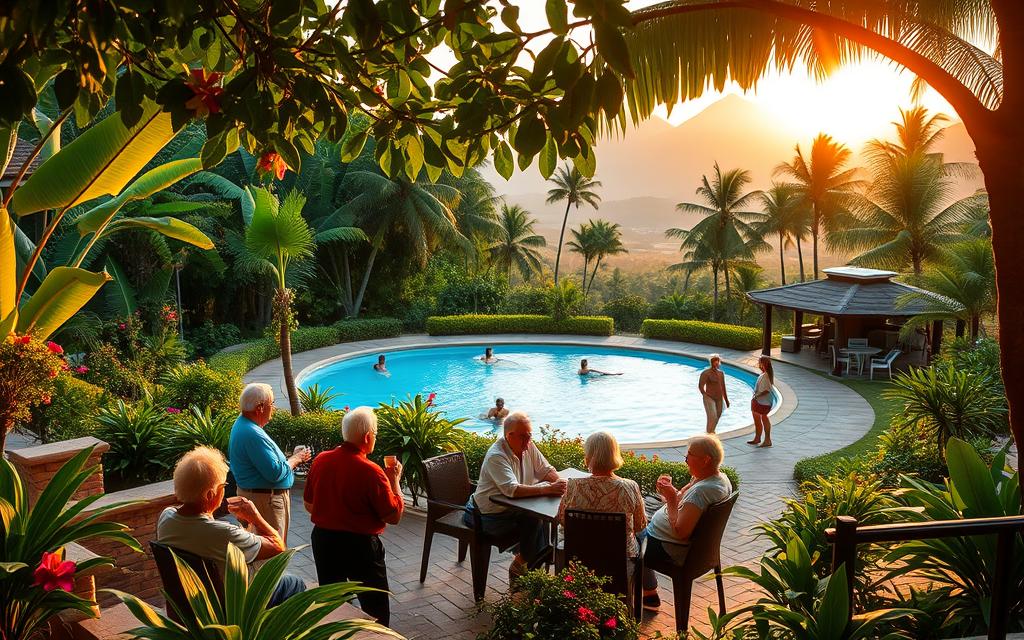
Costa Rica has emerged as a top destination for American retirees, with over 120,000 expats calling it home. The country’s unique blend of natural beauty and vibrant culture, coupled with its “Pura Vida” mentality, makes it an ideal location for those seeking a relaxed and fulfilling retirement lifestyle.
The appeal of Costa Rica for retirees lies in its political stability, excellent healthcare system, and lower cost of living compared to the United States. This combination offers retirees a high quality of life without the financial strain, making it an attractive option for those looking to make the most of their retirement years.
Why Costa Rica Is a Top Retirement Destination
The allure of Costa Rica as a top retirement destination lies in its exceptional quality of life and safety. This Central American country has garnered attention from retirees worldwide due to its unique attributes that make it an ideal place to spend one’s golden years.
The Pura Vida Lifestyle
Costa Rica is renowned for its “Pura Vida” lifestyle, a philosophy that emphasizes living life to the fullest and appreciating the simple things. This laid-back approach to life is particularly appealing to retirees looking to escape the stresses of their previous lives. The country’s rich biodiversity, beautiful landscapes, and pleasant climate all contribute to a lifestyle that is both relaxed and fulfilling.
Political Stability and Safety
Costa Rica stands out in Latin America for its political stability and safety. The country abolished its military in 1949, redirecting resources towards education, healthcare, and environmental conservation. This decision has contributed to decades of peace and stability, making it an attractive destination for retirees. Additionally, Costa Rica maintains a democratic tradition with peaceful transfers of power, further enhancing its stability.
- The country’s low crime rate, especially when compared to other parts of North America, provides retirees with a sense of security.
- Costa Rica’s positive international relations and lack of political turbulence add to its appeal.
- Local police forces are responsive, particularly in expatriate communities, and many retirement developments offer additional security measures.
Overall, Costa Rica’s unique blend of lifestyle, stability, and safety makes it a highly desirable destination for retirees. Its commitment to the well-being of its citizens and residents is evident in its policies and practices, providing a secure and enjoyable environment for those looking to retire in a beautiful and tranquil setting.
A Comprehensive Guide to Senior Living in Costa Rica: What You Need to Know
Costa Rica has become a hotspot for retirees due to its welcoming environment and comprehensive support systems. The country’s appeal lies in its ability to offer a high quality of life, rich cultural experiences, and a relaxed lifestyle.
Who Should Consider Retiring to Costa Rica
Retiring to Costa Rica is an attractive option for those seeking a warm and welcoming environment. Individuals who value outdoor activities, cultural immersion, and a relaxed pace of life will find Costa Rica particularly appealing. Costa Rica retirement tours can provide valuable insights into the lifestyle and opportunities available.
Retirees from colder climates often find the year-round spring-like weather in Costa Rica to be a significant draw. Additionally, the cost of living, while varying depending on location and lifestyle, is generally considered affordable compared to many parts of North America.
Expat Communities and Support Networks
Expat communities in Costa Rica are known for their warmth and inclusivity. Social clubs and events help newcomers connect with others, fostering a sense of belonging and support. Activities such as cultural workshops, volunteer opportunities, and group outings are common, providing retirees with ways to stay engaged and active.

- Established expatriate communities exist throughout Costa Rica, particularly in areas like the Central Valley and coastal Guanacaste.
- These communities organize regular events, creating opportunities for social engagement and integration into local life.
- Online forums and social media groups dedicated to expatriates offer valuable resources for navigating life in Costa Rica.
The vibrant social fabric of these communities is a key reason many choose to call Costa Rica home. With a range of support networks available, retirees can easily integrate into their new surroundings.
Visa Requirements and Immigration Process
For those considering senior living in Costa Rica, navigating the country’s immigration process is a critical step. Costa Rica offers several visa options tailored to different needs and preferences, making it relatively straightforward for retirees to find a suitable category.
Pensionado Program
The Pensionado program is designed for retirees who receive a pension from a qualified source. This program offers various incentives, including discounts on services and goods, making it an attractive option for senior living in Costa Rica. To qualify, applicants must demonstrate a minimum monthly income of $1,000 from a pension or other qualifying income source.
Rentista Visa Option
The Rentista visa is ideal for individuals who have a guaranteed income from sources outside Costa Rica, such as rental properties or investments. Applicants must show a minimum annual income of $2,500 to qualify. This visa category is beneficial for those who wish to maintain their financial independence while enjoying the Pura Vida lifestyle.
Inversionista Program
The Inversionista program is geared towards investors who wish to contribute to Costa Rica’s economy. To qualify, one must invest at least $200,000 in an approved business or property. This program not only offers residency but also the potential for returns on investment. Key benefits include the ability to invest in various sectors, such as real estate, agriculture, or tourism-related ventures. For more detailed information on the immigration and residency categories, including the Inversionista program, visit Costa Rica Immigration Guide.
The investment must be maintained throughout the residency period, and verification is required during visa renewals. This option appeals to retirees looking to invest in property or start a business, thereby integrating into the local economy.
Cost of Living for Retirees
One of the primary advantages of retiring in Costa Rica is the low cost of living. The country offers an attractive combination of affordability and quality of life, making it an ideal destination for retirees.
Housing Expenses
Housing costs in Costa Rica are significantly lower than in many North American countries. For example, a furnished apartment in San Jose can cost around $1,200 per month, while properties further from the city center can be rented for as low as $600. This affordability extends to various regions, including beach areas and urban centers.

Daily Living Costs
Daily expenses such as groceries, dining out, and transportation are also more affordable in Costa Rica. Adopting local consumption patterns can lead to significant savings, with everyday expenses being 30-50% lower than what one would pay in the United States or Canada.
Comparative Analysis with North American Costs
When compared to the U.S. and Canada, Costa Rica’s cost of living is a major advantage. Healthcare costs, in particular, represent one of the most significant savings, with quality medical care available at approximately 30-70% lower costs. Housing expenses are also 40-60% less than equivalent properties in desirable North American locations. Overall, retirees in Costa Rica can maintain a higher quality of life with more discretionary spending on experiences and travel.
Retirees can enjoy a range of benefits, including affordable healthcare, housing, and daily living expenses, making Costa Rica an attractive retirement destination.
Healthcare System and Services

Costa Rica offers a unique blend of public and private healthcare services, providing expats with a range of options for medical care. The country’s healthcare system is designed to ensure that both locals and expatriates receive high-quality treatment.
Public Healthcare (CAJA)
The public healthcare system in Costa Rica, known as CAJA, provides comprehensive coverage to residents, including expats who are enrolled in the system. In some emergencies, the CCSS can cover the cost of care completely, ensuring that individuals receive necessary medical attention without financial burden.
Private Healthcare Options
Private healthcare facilities in Costa Rica offer high-quality services, often with shorter wait times compared to public institutions. Many specialists practicing in these facilities have received training in the United States, Europe, or other internationally recognized medical institutions, ensuring high standards of care.
Medical Tourism and Specialized Care
Costa Rica has become a leading destination for medical tourism, attracting patients from North America seeking high-quality care at significantly lower prices. Common procedures sought by medical tourists include dental work, cosmetic surgery, orthopedic procedures, and cardiovascular treatments. The combination of quality care, affordable prices, and the opportunity to recover in a beautiful setting makes Costa Rica’s specialized medical services attractive to both visitors and residents.
Some key benefits of Costa Rica’s healthcare system include:
– High-quality medical care at competitive prices
– Specialists with international training and credentials
– A range of medical procedures available, from routine check-ups to complex surgeries
– Opportunities for medical tourism, combining treatment with vacation
Housing Options and Retirement Communities
Retirees in Costa Rica can choose from a variety of housing options that cater to different lifestyles and preferences. Whether it’s the tranquility of a mountain retreat, the vibrancy of urban living, or the serenity of a beachfront property, Costa Rica has something to offer for every retiree.

Beachfront Properties
Beachfront properties in Costa Rica offer a tranquil and picturesque lifestyle. Many retirement communities along the coast, such as those in the Caribbean, provide a relaxed atmosphere and stunning ocean views. For those interested in the Caribbean coast, exploring the options can reveal a range of choices from modern condos to standalone homes.
Mountain and Valley Retreats
For those who prefer cooler climates and scenic landscapes, the mountain and valley areas of Costa Rica are ideal. Regions like the Central Valley offer a mix of urban amenities and natural beauty, with towns like Escazú providing modern living options with access to excellent healthcare and other facilities.
Urban Living Options
Urban areas, particularly in the Central Valley, offer sophisticated living options. Cities like San José and its suburbs, such as Escazú and Santa Ana, feature international restaurants, shopping centers, and cultural activities. These areas are also known for having the highest concentration of medical facilities, making them suitable for retirees with ongoing healthcare needs.
Best Locations for Senior Living
With its diverse geography, Costa Rica provides a range of environments that can cater to the different tastes and needs of retirees. From the serene mountain valleys to the vibrant coastal towns, each region has its unique charm and advantages.
Central Valley Region
The Central Valley region is a popular choice among retirees due to its mild climate, known as the “Eternal Spring” for its year-round spring-like weather. This region is home to many expat communities, offering a comfortable and familiar lifestyle. Cities like San José, Escazú, and Atenas provide access to modern amenities, healthcare facilities, and cultural activities.
Coastal Areas
Coastal areas in Costa Rica, such as Tamarindo, Puerto Viejo, and Playa Hermosa, offer a relaxed lifestyle with beautiful beaches and a vibrant expat community. These areas are ideal for those who enjoy water sports, fishing, or simply soaking up the sun. However, it’s essential to consider the higher humidity and potential for more significant weather events.
Factors to Consider When Choosing a Location
When selecting a place to live in Costa Rica, several factors should be considered. These include climate preferences, access to healthcare facilities, transportation infrastructure, social factors like proximity to expat communities, and budget considerations, including property prices and ongoing regional costs.
- Climate and elevation can significantly impact daily life, with cooler temperatures in the mountains and hotter, more humid conditions in coastal areas.
- Proximity to healthcare services is crucial, with both routine care and emergency services being a consideration.
- Transportation options vary widely, affecting travel within Costa Rica and international connections.
Natural Beauty and Climate Advantages
With its diverse landscapes and ecosystems, Costa Rica offers retirees an unparalleled opportunity to connect with nature. The country’s natural beauty is one of its most significant draws, providing a serene and inspiring environment for seniors.
Year-Round Pleasant Weather
Costa Rica’s climate is characterized by its year-round spring-like weather, often referred to as “Pura Vida.” This pleasant weather allows retirees to enjoy outdoor activities without the extremes of hot or cold temperatures. The average temperature ranges from 70°F to 85°F (21°C to 30°C), making it ideal for outdoor pursuits.

Biodiversity and Outdoor Activities
Costa Rica is renowned for its biodiversity, hosting over 500,000 species across various ecosystems, including rainforests, cloud forests, and coral reefs. Retirees can engage in a variety of activities such as hiking in national parks like Manuel Antonio or Corcovado, surfing at beaches like Tamarindo or Jaco, and birdwatching to discover the rich avifauna. These activities promote physical health and provide opportunities to connect with nature.
- The country’s diverse ecosystems offer numerous opportunities for outdoor adventures.
- Retirees can enjoy gentle nature walks or more adventurous activities like zip-lining and whitewater rafting.
Cultural Adaptation and Lifestyle
Adapting to the Costa Rican lifestyle is a crucial aspect of a fulfilling retirement experience. The sense of community in Costa Rica is unparalleled, with expats often forming close-knit groups that foster a supportive environment. This social aspect is a key reason why many retirees thrive in this tropical haven.

Language Considerations
While many Costa Ricans speak some English, especially in tourist areas, learning Spanish can significantly enhance the retirement experience. It allows retirees to fully integrate into the local culture, understand the nuances of Costa Rican life, and build meaningful relationships with the locals. Language classes are readily available, and many expats find that immersing themselves in the language improves their overall quality of life.
Integrating with Local Communities
Successful integration into Costa Rican communities involves balancing time between expatriate circles and local community engagement. Volunteering with local organizations, participating in community events, and showing respect for local customs are effective ways to build connections and contribute positively to the community. By doing so, retirees can avoid living in an “expatriate bubble” and develop mutually beneficial relationships with Costa Ricans.
Conclusion: Is Costa Rica Right for Your Retirement?
With its ‘Pura Vida’ philosophy, Costa Rica offers more than just a place to live; it provides a fulfilling way of life for retirees. The country combines affordability, wellness, and natural beauty, making it a dream destination. Retirees can enjoy a relaxed lifestyle, rich cultural experiences, and stunning landscapes.
Costa Rica is ideal for those seeking balance in their retirement, with quality healthcare and vibrant community life. Careful consideration of personal preferences, financial circumstances, and healthcare needs is essential. Extended visits or trial periods can help assess day-to-day life beyond vacation experiences.
Article by Glenn Tellier (Founder of CRIE and Grupo Gap)
Don't wait, contact us right now!
Call or WhatsApp Costa Rica +506 8373 2085 or +506 8706 3888
Call USA/Canada +1 305-906-6784