
Costa Rica’s Biodiversity: Beauty and Danger
Costa Rica occupies just 0.03% of the Earth’s surface yet houses nearly 6% of the world’s biodiversity. This remarkable concentration of life includes over 500,000 species, creating ecosystems where beauty and danger often coexist. The country’s varied landscapes—from misty cloud forests to mangrove swamps—provide perfect habitats for wildlife that has evolved remarkable defense mechanisms.
While most animals pose no threat to humans, several species have developed potent venoms, powerful jaws, or aggressive defensive behaviors. Understanding these creatures isn’t just about avoiding danger—it’s about respecting the delicate balance of these ecosystems and appreciating the evolutionary marvels they represent.
Experience Wildlife Safely with Expert Guides
Discover Costa Rica’s amazing biodiversity with professional naturalists who know how to spot wildlife while keeping you safe.
Venomous Snakes: Costa Rica’s Silent Threats
Of the 140 snake species in Costa Rica, 23 are venomous and potentially dangerous to humans. These reptiles are responsible for most wildlife-related medical emergencies in the country, with approximately 500 bites reported annually.
1. Fer-de-Lance (Terciopelo)
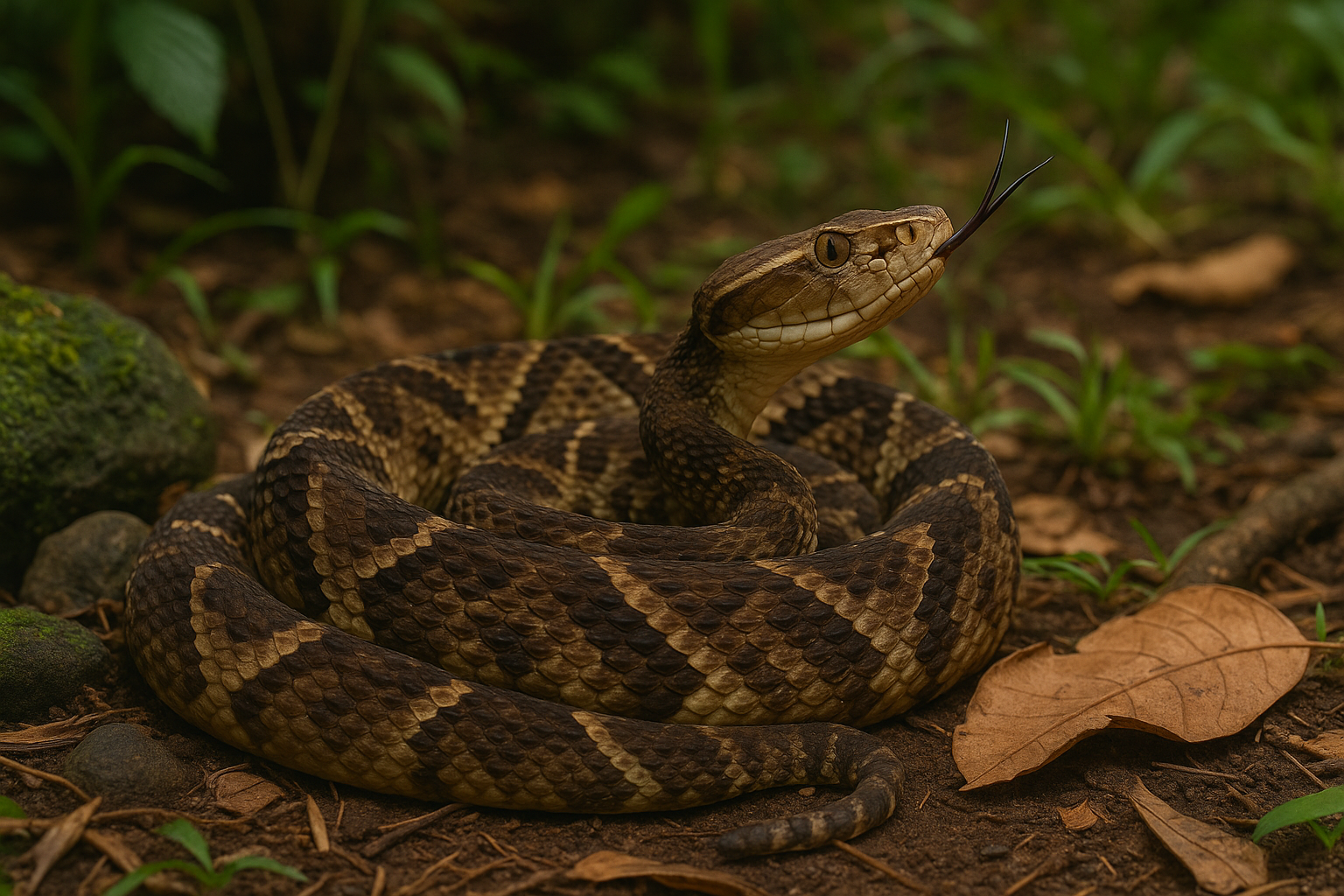
Scientific name: Bothrops asper
Habitat: Lowland rainforests, plantations, and agricultural areas throughout Costa Rica, particularly common on the Pacific slope and Caribbean lowlands.
Danger level: Extremely high. Responsible for more snakebites and fatalities than any other species in Costa Rica. Its hemotoxic venom causes severe tissue damage, internal bleeding, and can be fatal without prompt treatment.
Identification: Grows up to 2 meters long with a broad, triangular head and a brown to gray body with dark diamond patterns. Young snakes often have a yellow-tipped tail.
2. Bushmaster (Matabuey)
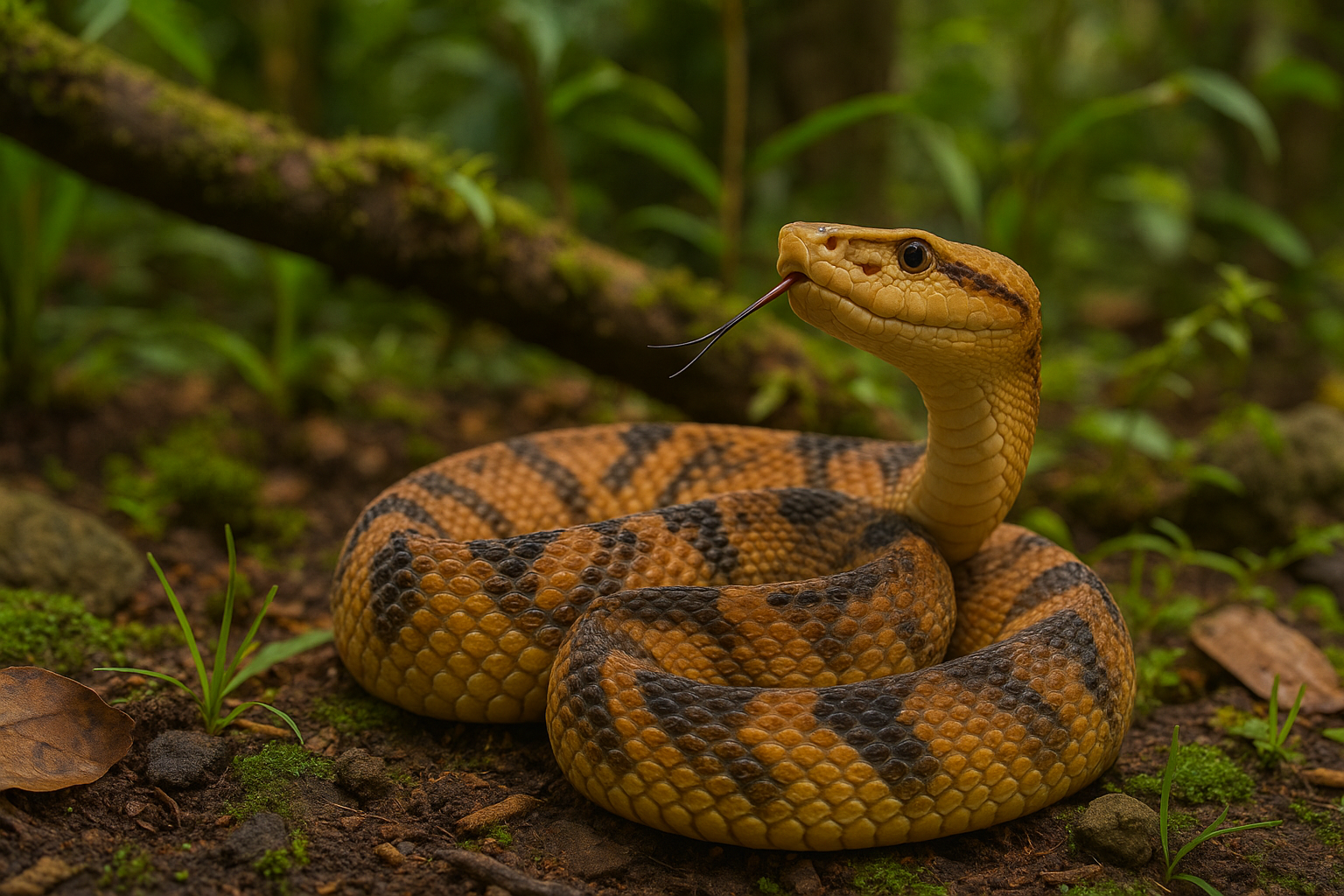
Scientific name: Lachesis spp.
Habitat: Primary rainforests in remote areas, particularly in the Caribbean lowlands and Osa Peninsula.
Danger level: Very high. The largest venomous snake in the Americas (up to 3.5 meters), with potent hemotoxic venom. Though encounters are rare due to its remote habitat, bites can be fatal.
Identification: Massive size, light brown or tan coloration with dark diamond patterns, and distinctive rough, raised scales giving a “pineapple” texture.
3. Eyelash Viper (Bocaracá)

Scientific name: Bothriechis schlegelii
Habitat: Arboreal (tree-dwelling) in rainforests and cloud forests throughout Costa Rica.
Danger level: High. Though smaller than other venomous snakes, its arboreal habits mean it can strike at head and upper body level. Venom causes severe pain, swelling, and tissue damage.
Identification: Small (rarely exceeding 75 cm), with distinctive raised scales above the eyes resembling eyelashes. Occurs in various colors, including yellow, green, brown, and red.
4. Coral Snake
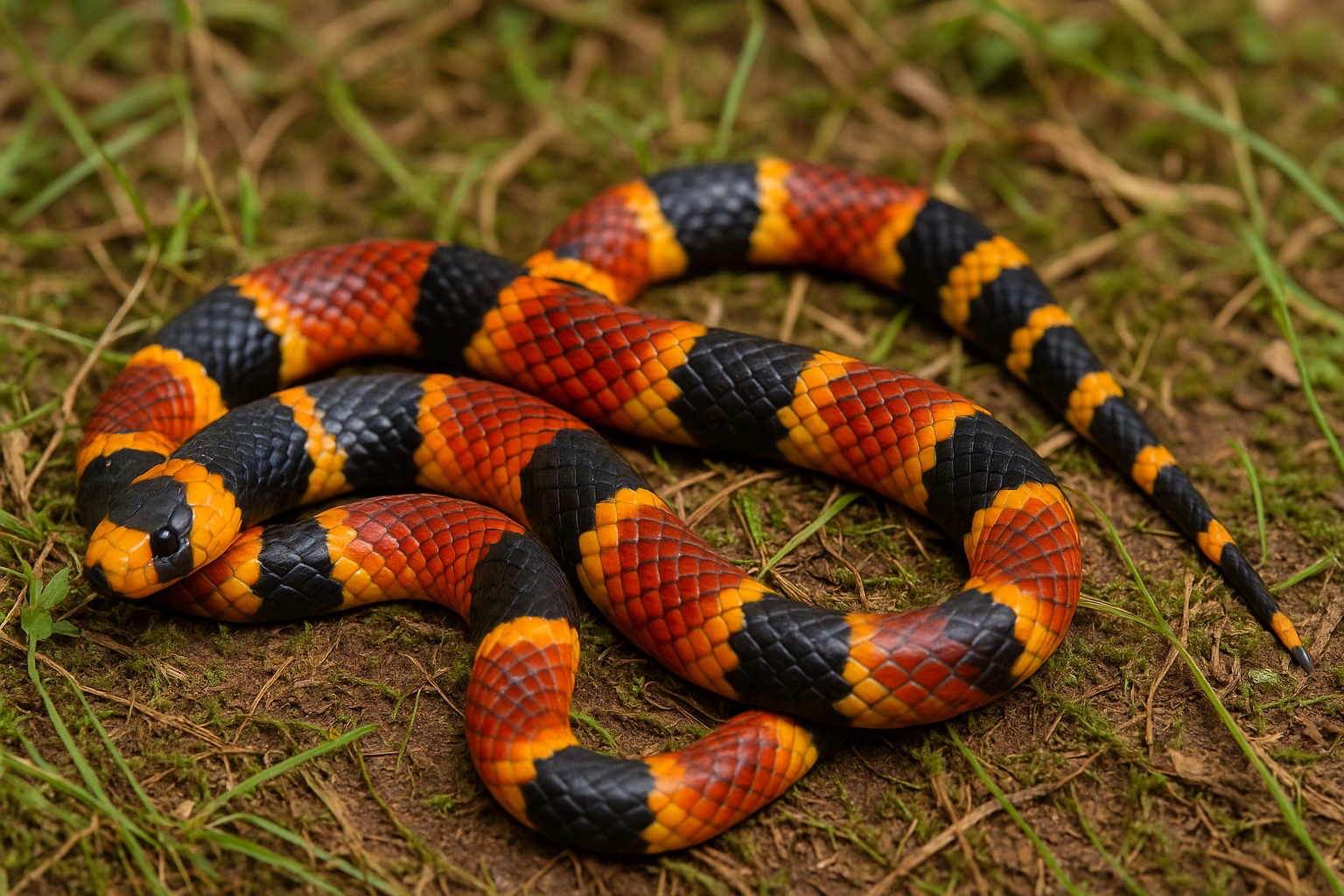
Scientific name: Micrurus nigrocinctus (Central American Coral Snake)
Habitat: Found throughout Costa Rica in various habitats from forests to gardens.
Danger level: High. Contains potent neurotoxic venom that can cause respiratory failure. However, its small fangs and reluctance to bite reduce encounter risks.
Identification: Distinctive pattern of red, yellow/white, and black bands. Remember “red touch yellow, kill a fellow” to distinguish from non-venomous mimics.
5. Central American Rattlesnake
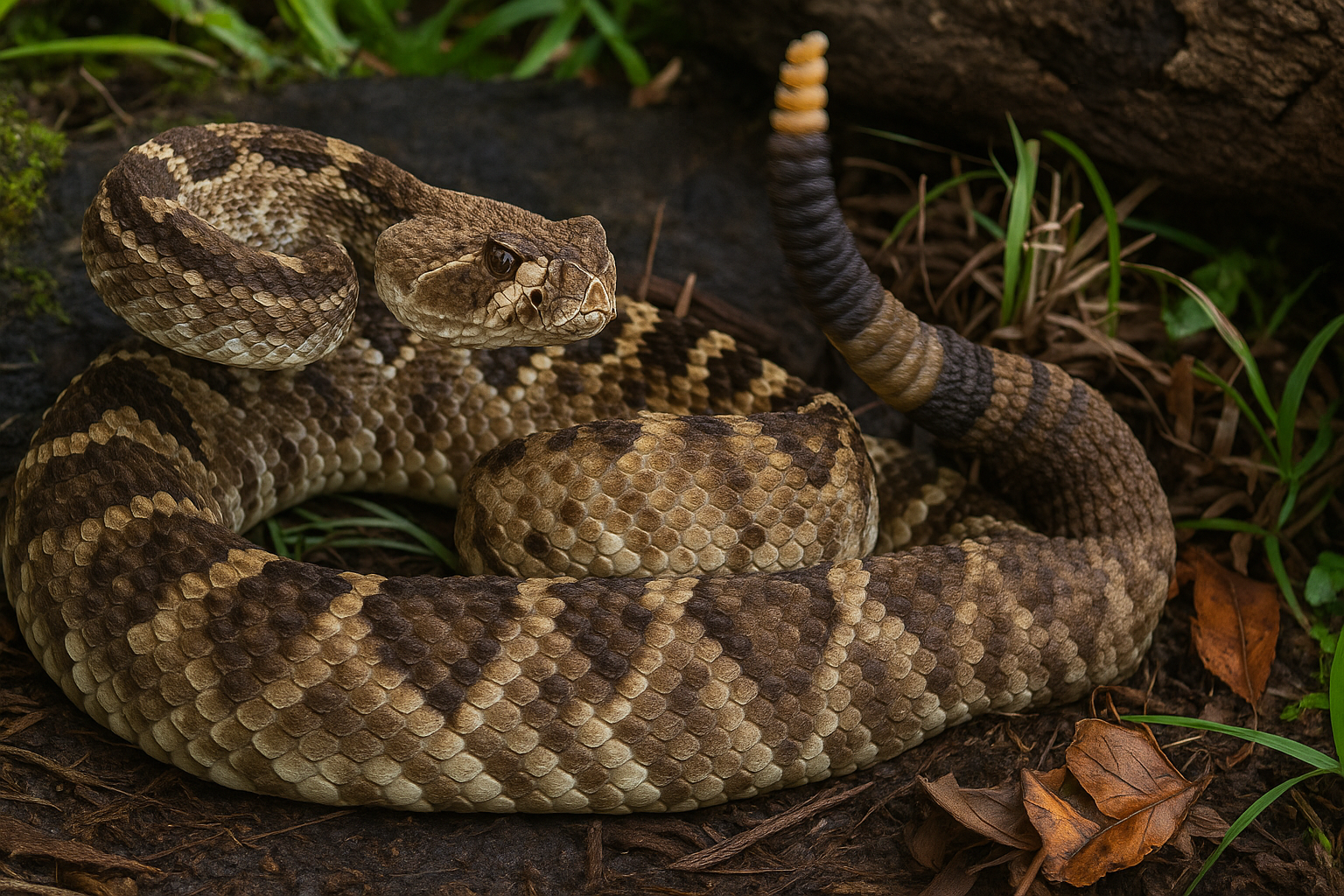
Scientific name: Crotalus simus
Habitat: Dry forests and rocky areas, primarily in Guanacaste and northern regions.
Danger level: High. Potent hemotoxic venom that can cause severe tissue damage and internal bleeding.
Identification: Distinctive rattle on tail, heavy-bodied with diamond patterns. Usually 1-1.5 meters in length.
Snake Bite Prevention: Always wear closed shoes and long pants when hiking. Watch where you step and place your hands. Use a walking stick to probe vegetation ahead of you. Most snakebites occur when snakes are accidentally stepped on or cornered.
Marine Predators: Dangers in Costa Rican Waters
6. American Crocodile
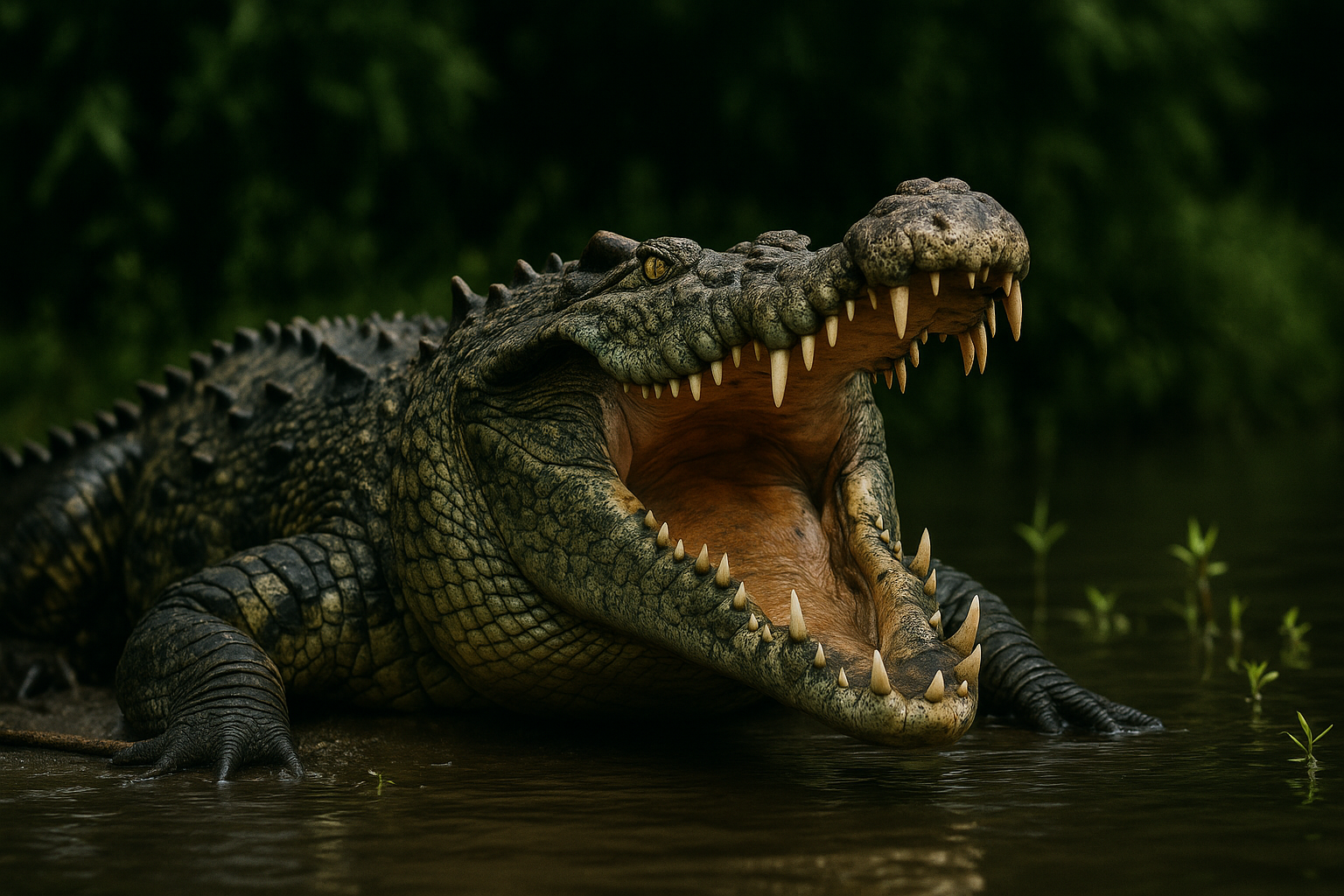
Scientific name: Crocodylus acutus
Habitat: Rivers, estuaries, and coastal areas throughout Costa Rica. Particularly common in the Tarcoles River and Palo Verde National Park.
Danger level: Very high. Capable of growing over 4 meters long, with powerful jaws that can inflict fatal injuries. Responsible for several attacks and fatalities in recent years.
Prevention: Never swim in rivers or estuaries known to have crocodiles. Keep a safe distance when viewing from boats or bridges. Be especially cautious near water at dawn and dusk.
7. Bull Shark
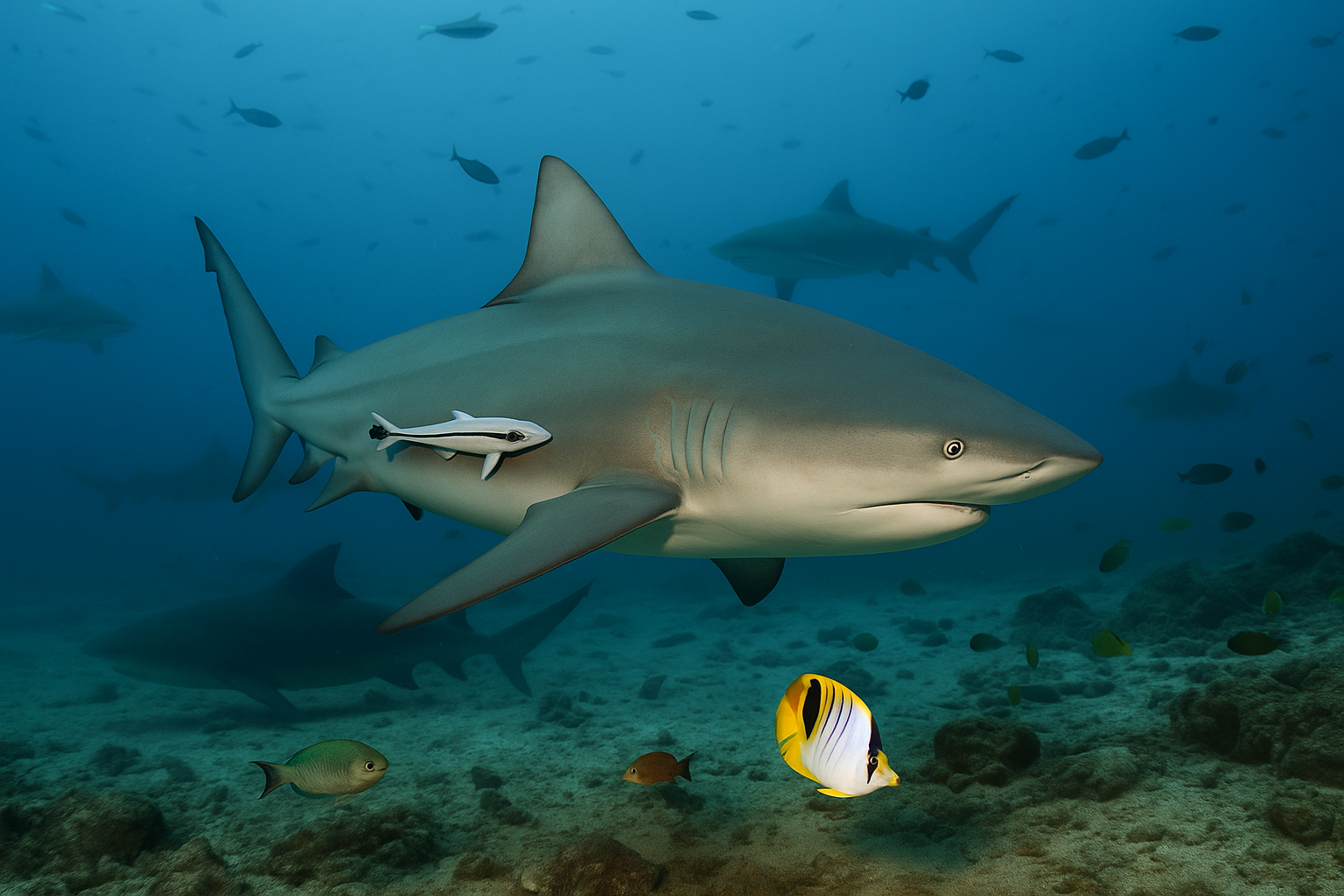
Scientific name: Carcharhinus leucas
Habitat: Coastal waters on both Pacific and Caribbean sides. Uniquely able to tolerate freshwater and may venture into rivers.
Danger level: High. Considered one of the most aggressive shark species worldwide. Their ability to enter freshwater environments makes them particularly unpredictable.
Prevention: Avoid swimming at dawn, dusk, or night when sharks are most active. Don’t swim near fishing activities or river mouths. Follow local advisories about shark sightings.
Water Safety Alert: Never swim in the Tarcoles River or areas marked with crocodile warning signs. At beaches, always check with locals about recent shark activity and follow all posted warnings.
Venomous Arthropods: Small but Deadly
8. Brazilian Wandering Spider

Scientific name: Phoneutria spp.
Habitat: Rainforests, plantations, and occasionally human dwellings throughout Costa Rica.
Danger level: Extremely high. Considered one of the most venomous spiders in the world. Venom contains neurotoxins that can cause severe pain, breathing problems, and potentially death if untreated.
Identification: Large brown spider (leg span up to 15 cm) with distinctive red jaws visible when threatened. Often raises front legs in a defensive posture.
Prevention: Shake out shoes, clothing, and bedding before use. Use caution when reaching into dark spaces or handling fruit/bananas where these spiders may hide.
9. Bullet Ant

Scientific name: Paraponera clavata
Habitat: Rainforest floors and low vegetation throughout Costa Rica’s lowland forests.
Danger level: High. While not typically lethal, the bullet ant delivers what is considered the most painful insect sting in the world, described as “like being shot with a bullet.” Pain can last 24+ hours.
Identification: Large black ants (2-2.5 cm) that often nest at the base of trees.
Prevention: Watch where you place your hands when grabbing vegetation or leaning against trees. Wear gloves when collecting items from the forest floor.
10. Scorpions
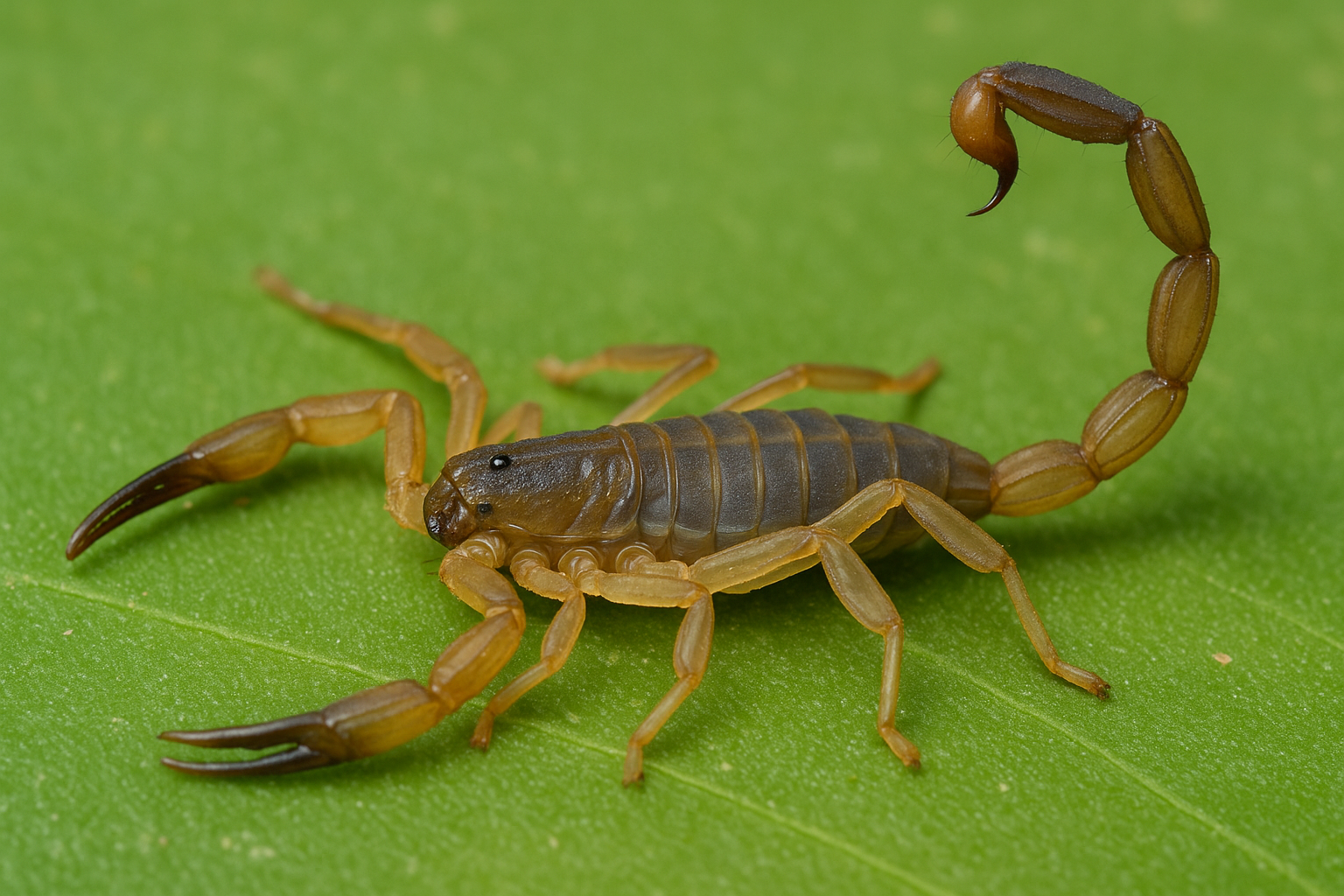
Scientific name: Various species, including Centruroides margaritatus
Habitat: Throughout Costa Rica in various habitats, often hiding under rocks, logs, or in buildings.
Danger level: Moderate. While most Costa Rican scorpion stings cause only pain and swelling, some species can cause more serious reactions, particularly in children or those with allergies.
Prevention: Shake out shoes and clothing before wearing. Use caution when moving rocks or logs. Consider using a blacklight at night to spot scorpions, as they fluoresce under UV light.
First Aid for Arthropod Stings: Clean the area with soap and water. Apply cold compresses to reduce pain and swelling. Take antihistamines for mild reactions. Seek immediate medical attention if experiencing severe pain, swelling, difficulty breathing, or other serious symptoms.
Large Predators: Majestic but Dangerous
11. Jaguar

Scientific name: Panthera onca
Habitat: Primary forests, particularly in protected areas like Corcovado National Park and the northern Caribbean lowlands.
Danger level: Moderate. While powerful predators capable of killing large prey, jaguars rarely attack humans and generally avoid contact. Most “sightings” are actually of their tracks or signs.
Prevention: Hike in groups and make noise to avoid surprising these cats. If encountered, maintain eye contact, appear large, and back away slowly without running.
12. Puma (Mountain Lion)

Scientific name: Puma concolor
Habitat: More adaptable than jaguars, found in various habitats throughout Costa Rica, including mountains and secondary forests.
Danger level: Moderate. Like jaguars, pumas generally avoid humans, though they may be more commonly encountered due to their wider habitat range.
Prevention: Similar to jaguar precautions. Hike in groups, make noise, and keep children close. If encountered, appear large, make noise, and back away slowly.
Track Big Cats Safely with Expert Naturalists
Experience the thrill of searching for elusive jaguars and pumas with guides who know their territory and behavior.
Other Dangerous Species to Watch For
13. Poison Dart Frogs

Scientific names: Various species including Dendrobates, Phyllobates, and Oophaga
Habitat: Rainforest floors throughout Costa Rica’s lowland forests.
Danger level: Low to moderate. While these frogs produce potent toxins, the poison is only harmful if ingested or if it enters the bloodstream through a cut. Simply touching a poison dart frog briefly is unlikely to cause harm.
Myth debunked: Captive-bred poison dart frogs lose much of their toxicity, as their poisons come from their diet of specific insects in the wild.
14. Hognosed Pit Viper

Scientific name: Porthidium nasutum
Habitat: Lowland rainforests on both Caribbean and Pacific slopes.
Danger level: Moderate to high. While less aggressive than the Fer-de-lance, its venom can still cause serious medical emergencies.
Identification: Small to medium-sized snake with a distinctive upturned snout and dark triangular markings on a brown or gray background.
15. Mosquitoes

Scientific names: Various species, including Aedes, Anopheles, and Culex
Habitat: Throughout Costa Rica, particularly abundant in lowland and coastal areas.
Danger level: Moderate. While not directly lethal, mosquitoes transmit serious diseases including dengue fever, chikungunya, Zika virus, and in some areas, malaria.
Prevention: Use insect repellent containing DEET or picaridin. Wear long sleeves and pants, especially at dawn and dusk. Sleep under mosquito nets in areas without screened windows.
“In Costa Rica, it’s not the large predators that pose the greatest risk to travelers—it’s the small creatures you might not even notice until it’s too late. Always be aware of your surroundings and take proper precautions.”
Traveler’s Safety Checklist: Avoiding Dangerous Wildlife

Hiking Safety
- Always stay on marked trails
- Wear closed-toe hiking boots and long pants
- Use a walking stick to probe vegetation ahead
- Make noise while hiking to alert animals of your presence
- Hike with a guide in unfamiliar or remote areas
- Never place hands or feet where you cannot see
- Check clothing and shoes before putting them on
Beach and Water Safety
- Obey all posted warning signs
- Never swim in rivers known for crocodiles
- Ask locals about recent shark activity
- Avoid swimming at dawn, dusk, or night
- Stay out of the water during heavy rains
- Shuffle feet when walking in shallow water
- Don’t swim near fishing activities or river mouths
Accommodation Safety
- Shake out bedding before sleeping
- Keep doors and windows closed or screened
- Use mosquito nets in open-air accommodations
- Check shoes and clothing before wearing
- Don’t leave food out that might attract animals
- Use a flashlight when walking at night
Emergency Preparedness
- Carry a basic first aid kit
- Know the location of the nearest medical facility
- Save emergency numbers in your phone
- Consider travel insurance with evacuation coverage
- Learn basic Spanish phrases for emergencies
- Inform others of your hiking/travel plans
Emergency Numbers in Costa Rica:
General Emergency: 911
Red Cross (Cruz Roja): 128
Poison Control Center: 2223-1028
Venomous Snake Comparison: Know the Difference
| Snake Species | Appearance | Habitat | Behavior | Venom Type |
| Fer-de-Lance (Terciopelo) | Brown/gray with dark diamonds; triangular head; 1-2m length | Forest floors, plantations, agricultural areas | Aggressive when threatened; active at night | Hemotoxic – causes tissue damage and internal bleeding |
| Bushmaster (Matabuey) | Light brown with dark diamonds; rough scales; 2-3.5m length | Primary rainforest, remote areas | Less aggressive; primarily nocturnal | Hemotoxic – similar to Fer-de-Lance but larger quantity |
| Eyelash Viper | Various colors (yellow, green, brown); scales above eyes; 50-75cm length | Trees and bushes in rainforests | Arboreal; ambush predator; less aggressive | Hemotoxic – less potent but still dangerous |
| Coral Snake | Red, yellow/white, and black bands (red touches yellow) | Various habitats including gardens | Shy; rarely bites unless handled | Neurotoxic – affects nervous system and breathing |
| Central American Rattlesnake | Brown with diamond pattern; rattle on tail; 1-1.5m length | Dry forests, rocky areas in Guanacaste | Warns with rattle; defensive rather than aggressive | Hemotoxic – causes tissue damage and bleeding |
First Aid for Wildlife Encounters
Snake Bite First Aid
- Keep the victim calm and still to slow the venom spread
- Remove jewelry or tight items near the bite area
- Position the bite below heart level if possible
- Clean the wound gently with soap and water
- Cover with a clean, dry bandage
- Mark the edge of swelling on the skin and note the time
- Transport to the medical facility immediately
DO NOT: Cut the wound, attempt to suck out venom, apply ice, apply a tourniquet, give the victim alcohol or medications, or delay seeking medical help.
Marine Animal Injuries
- Rinse stingray wounds with hot water (as hot as can be tolerated)
- Clean jellyfish stings with vinegar (not fresh water)
- Remove visible stingers with tweezers
- For serious marine animal attacks, control bleeding with direct pressure
- Seek immediate medical attention for all but minor injuries
Insect Stings and Spider Bites
- Clean the area with soap and water
- Apply cold compresses to reduce pain and swelling
- Take antihistamines for mild reactions
- Monitor for severe reactions (difficulty breathing, widespread hives)
- Seek immediate medical attention for severe symptoms
Why Choose Guided Wildlife Tours in Costa Rica

Benefits of Professional Guides
- Expert knowledge of animal habitats and behaviors
- Trained to spot dangerous species before they become threats
- Carry emergency communication equipment
- Know proper first aid procedures
- Can identify animals that tourists might miss
- Understand seasonal wildlife patterns
- Support local conservation efforts
Risks of Self-Guided Exploration
- Difficulty identifying dangerous species
- Unfamiliarity with animal behavior patterns
- Potential to accidentally disturb wildlife
- Limited knowledge of safe areas
- Communication challenges in remote areas
- Delayed access to emergency services
- Missing the best wildlife viewing opportunities
Embracing Costa Rica’s Wildlife Safely
Costa Rica’s remarkable biodiversity is one of its greatest treasures, drawing nature enthusiasts from around the world. While this guide has highlighted the deadliest animals in Costa Rica, it’s important to maintain perspective. With proper precautions, awareness, and respect for wildlife, your chances of dangerous encounters remain minimal.
The vast majority of visitors experience Costa Rica’s natural wonders without incident. By following safety guidelines, considering guided tours in unfamiliar areas, and maintaining a healthy respect for the power of nature, you can fully embrace the extraordinary wildlife experiences this beautiful country offers.
Remember that these animals play vital roles in their ecosystems and rarely pose threats to humans unless disturbed or threatened. Your awareness not only protects you but also contributes to the conservation of these remarkable species for generations to come.
Frequently Asked Questions
What is the most dangerous animal in Costa Rica?
The Fer-de-Lance snake (Terciopelo) is widely considered the most dangerous animal in Costa Rica due to its aggressive nature, potent venom, and prevalence in populated areas. It’s responsible for the majority of snakebites and related fatalities in the country.
Are poison dart frogs in Costa Rica dangerous to touch?
While poison dart frogs do secrete toxins through their skin, brief contact is unlikely to cause harm unless you have open cuts or transfer the toxin to mucous membranes. However, it’s best to observe these frogs without touching them. Their toxicity comes from their diet in the wild, and captive-bred frogs are much less toxic.
What should I do if I encounter a snake while hiking?
If you encounter a snake, stop moving immediately. Slowly back away without making sudden movements. Give the snake plenty of space and a clear escape route. Never attempt to touch, move, or kill the snake, as most bites occur when people try to handle or harm snakes.
Are jaguars and pumas a danger to tourists in Costa Rica?
Attacks by big cats on humans in Costa Rica are extremely rare. These animals generally avoid human contact. The risk is minimal if you stay on designated trails, hike in groups, and make noise while walking in areas where these cats might be present.
What areas of Costa Rica have the most dangerous wildlife?
Remote rainforest areas like Corcovado National Park have the highest concentration of potentially dangerous wildlife, including all the big cats and venomous snakes. However, these areas also have the strictest safety protocols and often require guided tours, which significantly reduces risks.
Article by Glenn Tellier (Founder of CRIE and Grupo Gap)
Don't wait, contact us right now!
Call or WhatsApp Costa Rica +506 8373 2085 or +506 8706 3888
Call USA/Canada +1 305-906-6784