

Are Costa Rican Snakes Dangerous to Tourists?
Proper footwear and staying on designated trails significantly reduce snake encounter risks
Should I worry about snakes in Costa Rica?
While Costa Rica is home to venomous snakes, tourists rarely experience dangerous encounters. The country records approximately 700 snakebite incidents annually, but these primarily affect agricultural workers who regularly interact with snake habitats. Most snakes prefer to avoid human contact and will only strike if they feel threatened or cornered. With basic precautions, your risk of a negative snake encounter is minimal.
Do tourists get bitten by snakes in Costa Rica?
Snake bites among tourists are extremely rare. According to statistics from Costa Rican medical facilities, less than 2% of reported snake bites involve tourists. Most incidents occur in agricultural settings or when people venture off established trails without proper guidance or equipment. Costa Rica also has excellent medical facilities and is a world leader in antivenom production, ensuring prompt treatment in the unlikely event of a bite.
How likely am I to see a snake in Costa Rica?
Many visitors to Costa Rica never encounter a snake during their stay. Snakes are masters of camouflage and typically avoid areas with human activity. Your chances of spotting a snake increase if you participate in night hikes or venture into remote areas, but even then, most sightings occur with the help of experienced guides who know where to look. If seeing snakes is on your bucket list, guided wildlife tours offer the safest opportunity.
Do snakes get into houses in Costa Rica?
In urban and developed tourist areas, finding snakes inside accommodations is extremely uncommon. Resorts and hotels typically maintain their grounds to discourage wildlife from venturing too close. In more rural or jungle settings, occasional snake visitors are possible but still rare. Simple precautions like keeping doors closed and checking shoes before wearing them are usually sufficient preventive measures.
Most Venomous Snakes in Costa Rica
Costa Rica’s 22 venomous snake species belong primarily to two families: Viperidae (pit vipers) and Elapidae (coral snakes and sea snakes). Here are the most significant species travelers should be aware of:
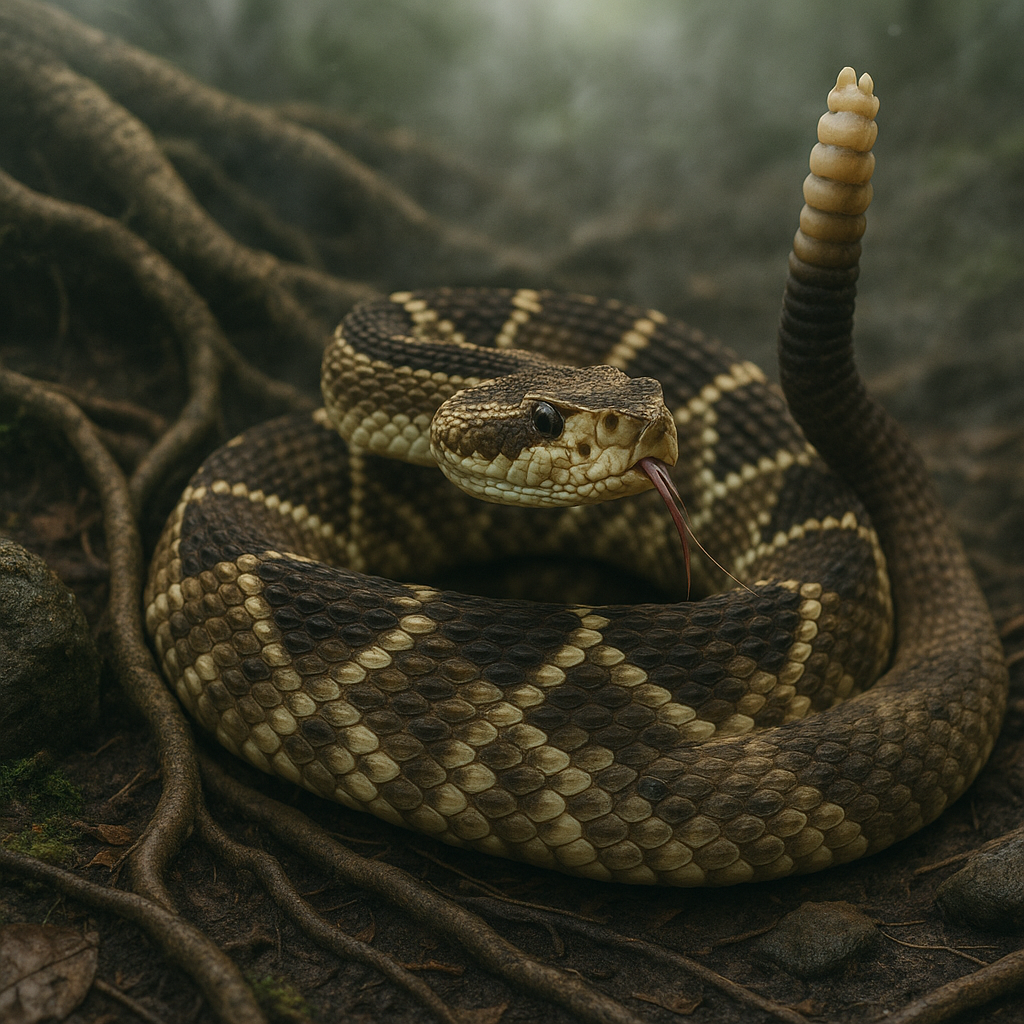
Neotropical Rattlesnake
Scientific name: Crotalus simus
Recognizable by its distinctive rattle and diamond-patterned body. Found in dry forests and rocky areas. Highly venomous with a potent neurotoxin that can cause severe tissue damage. Warns before striking by rattling its tail.
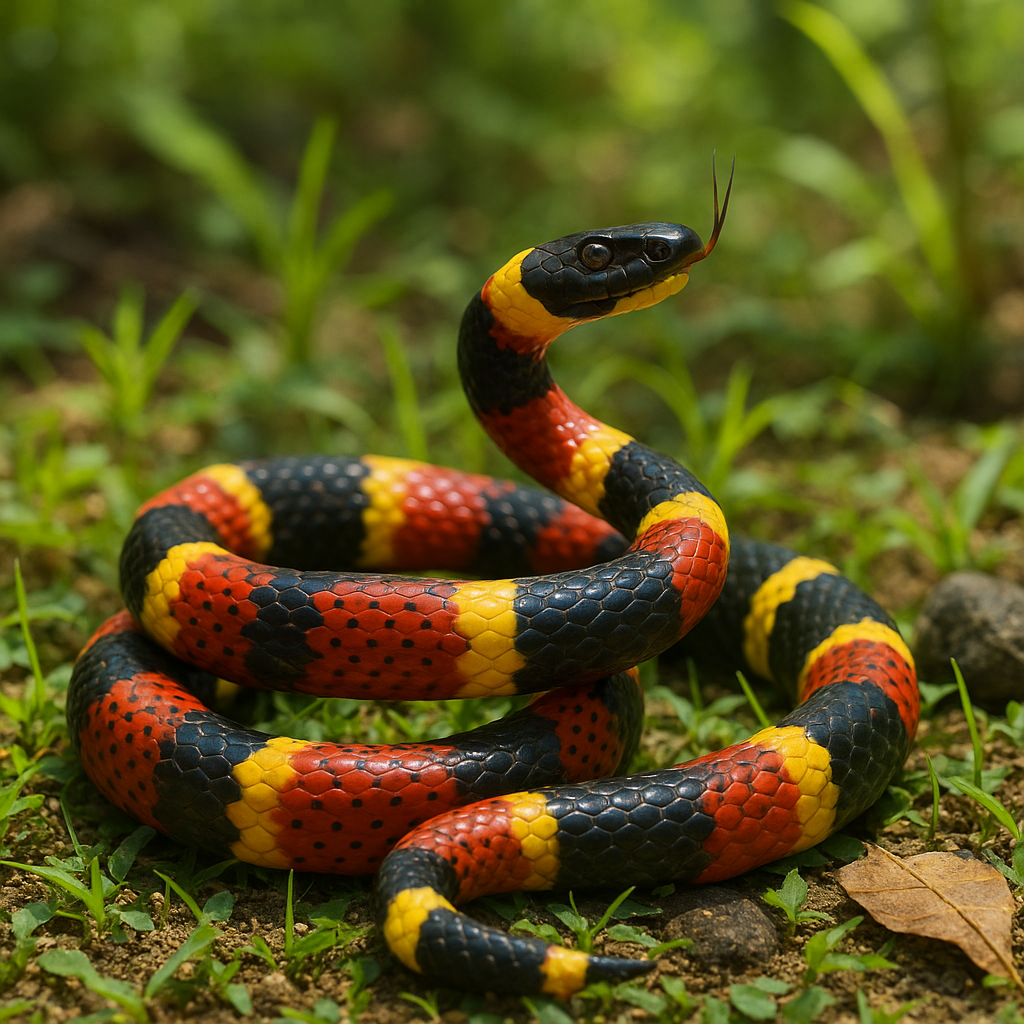
Coral Snake
Scientific name: Micrurus nigrocinctus
Identified by its vibrant red, yellow, and black banding pattern. Small but highly venomous with potent neurotoxin. Typically non-aggressive and rarely bites humans. Found throughout Costa Rica in various habitats.
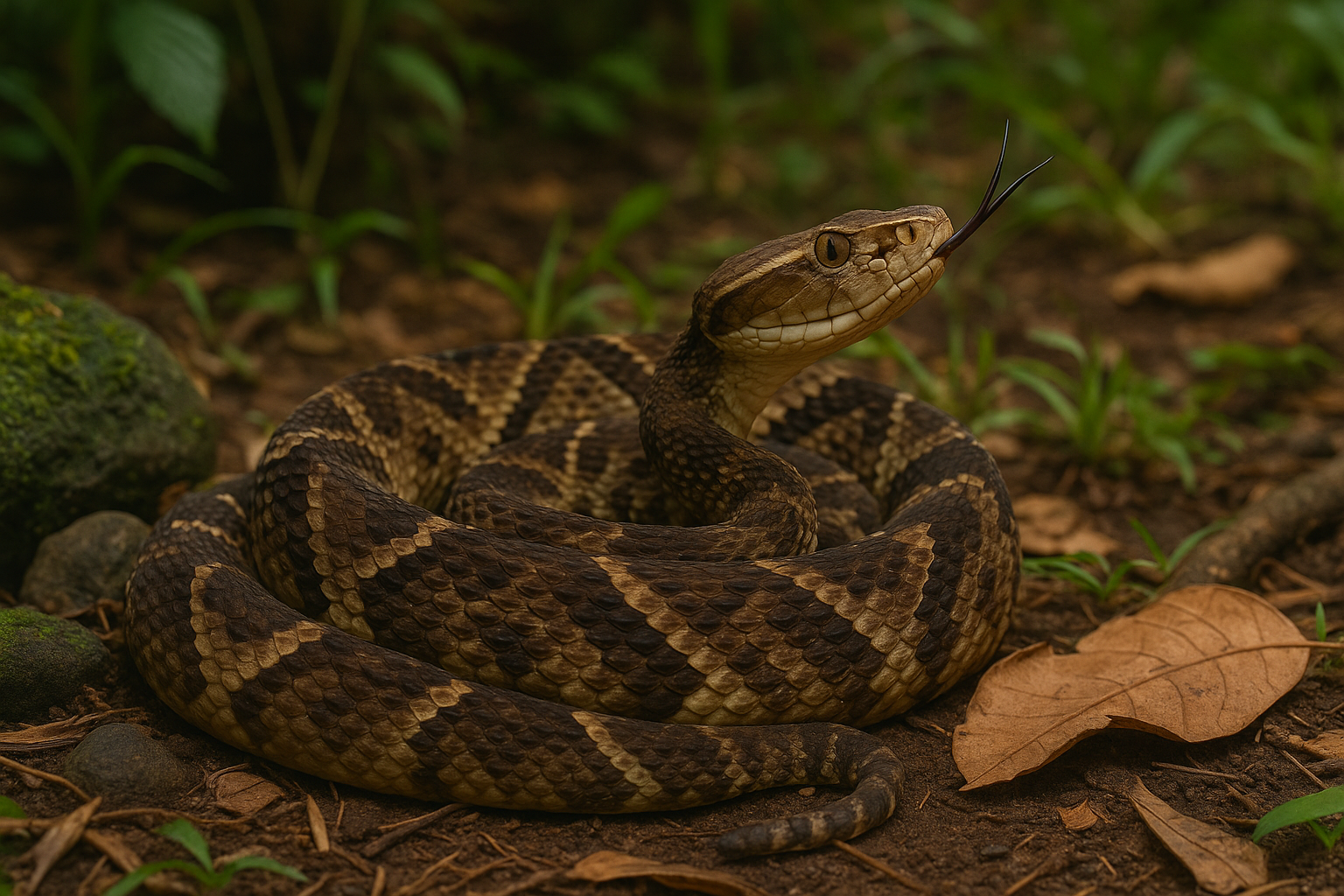
Fer-de-lance (Terciopelo)
Scientific name: Bothrops asper
Costa Rica’s most dangerous snake is due to its aggressive nature and prevalence near human settlements. Responsible for most snakebites in the country. Identified by its triangular head and brown coloration with darker markings.
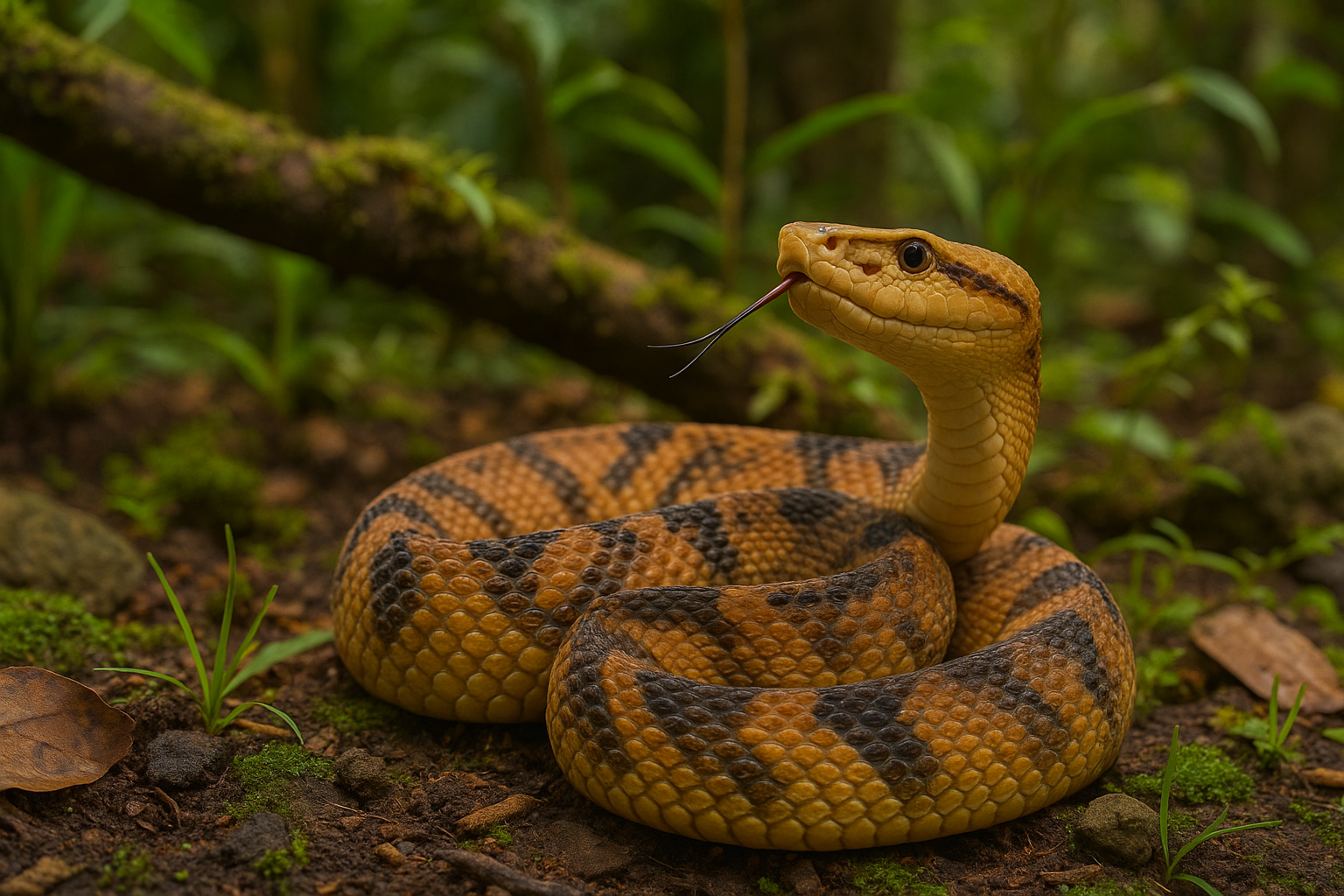
Central American Bushmaster
Scientific name: Lachesis
The largest venomous snake in the Americas grows up to 12 feet long. Found in primary rainforests and rarely encountered by humans. Venom is extremely potent, but the snake is generally non-aggressive unless provoked.

Eyelash Palm Pit Viper
Scientific name: Bothriechis schlegelii
Named for the modified scales above its eyes that resemble eyelashes. Comes in various colors, including yellow, green, and brown. Arboreal species are found in trees and bushes, making them a potential hazard at eye level.
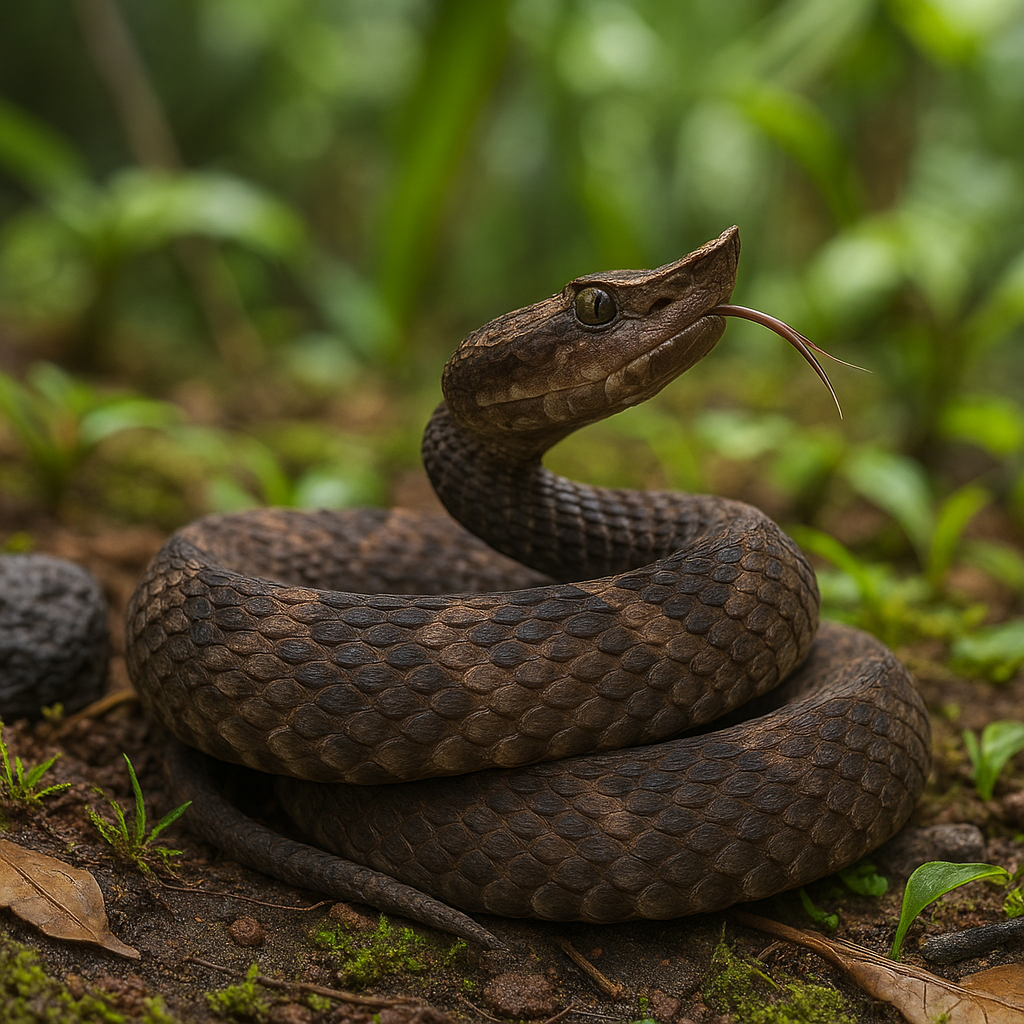
Hognose Pit Viper
Scientific name: Porthidium nasutum
Recognized by its upturned snout and stocky body. Found in rainforest environments, often hiding among leaf litter. Less venomous than other species, but still requires medical attention if a bite occurs.
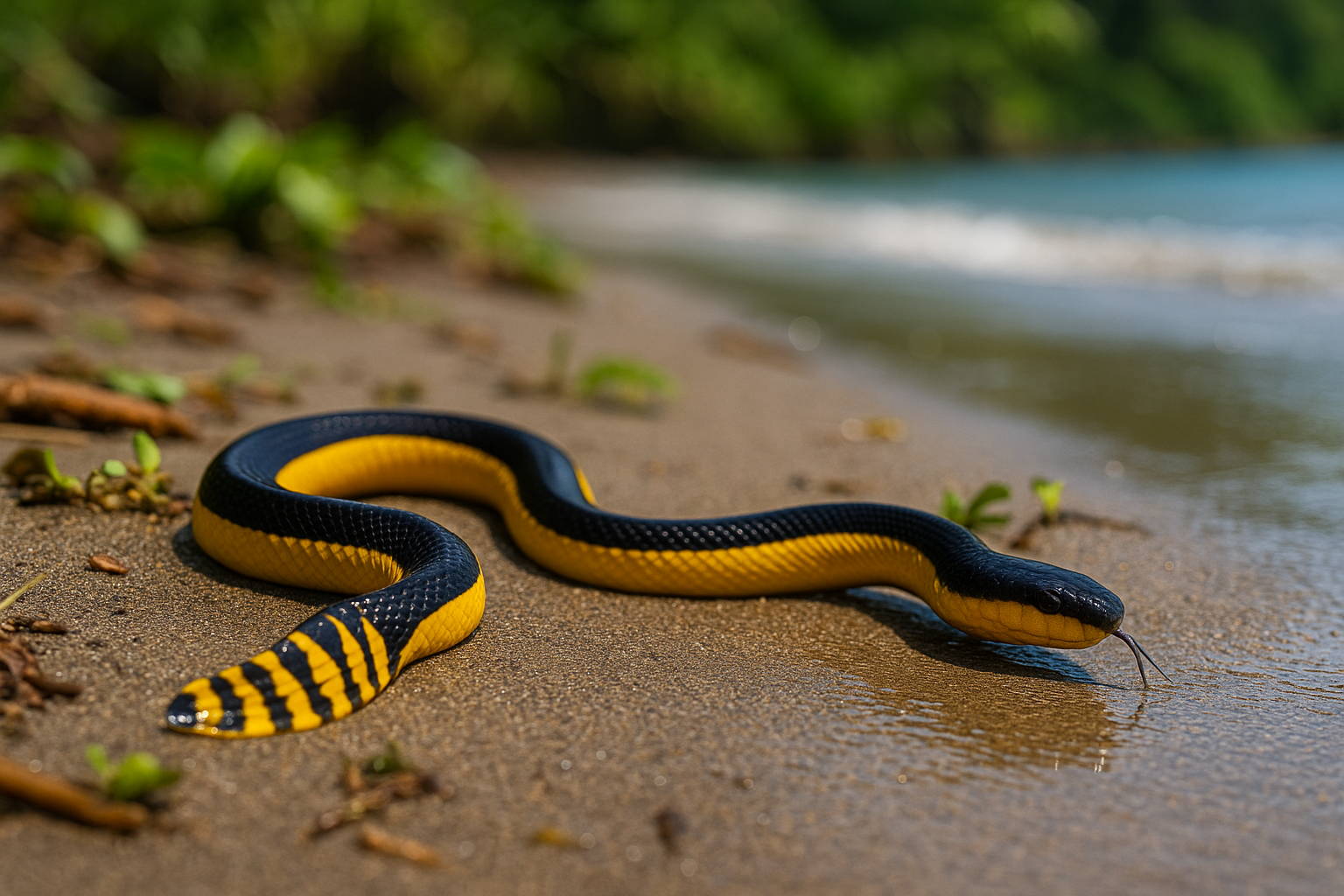
Yellow-Bellied Sea Snake
Scientific name: Hydrophis platurus
The only sea snake found in Costa Rican waters. Highly venomous but rarely encounters swimmers. Identified by its yellow underbelly and dark upper body. Primarily found in offshore waters rather than near beaches.

Green Viper
Scientific name: Bothriechis lateralis
Also known as the Side-striped Palm Pit Viper. Bright green with a distinctive white or pale yellow stripe along its sides. Arboreal species found in mid to high elevation forests. Venomous but rarely fatal to humans.
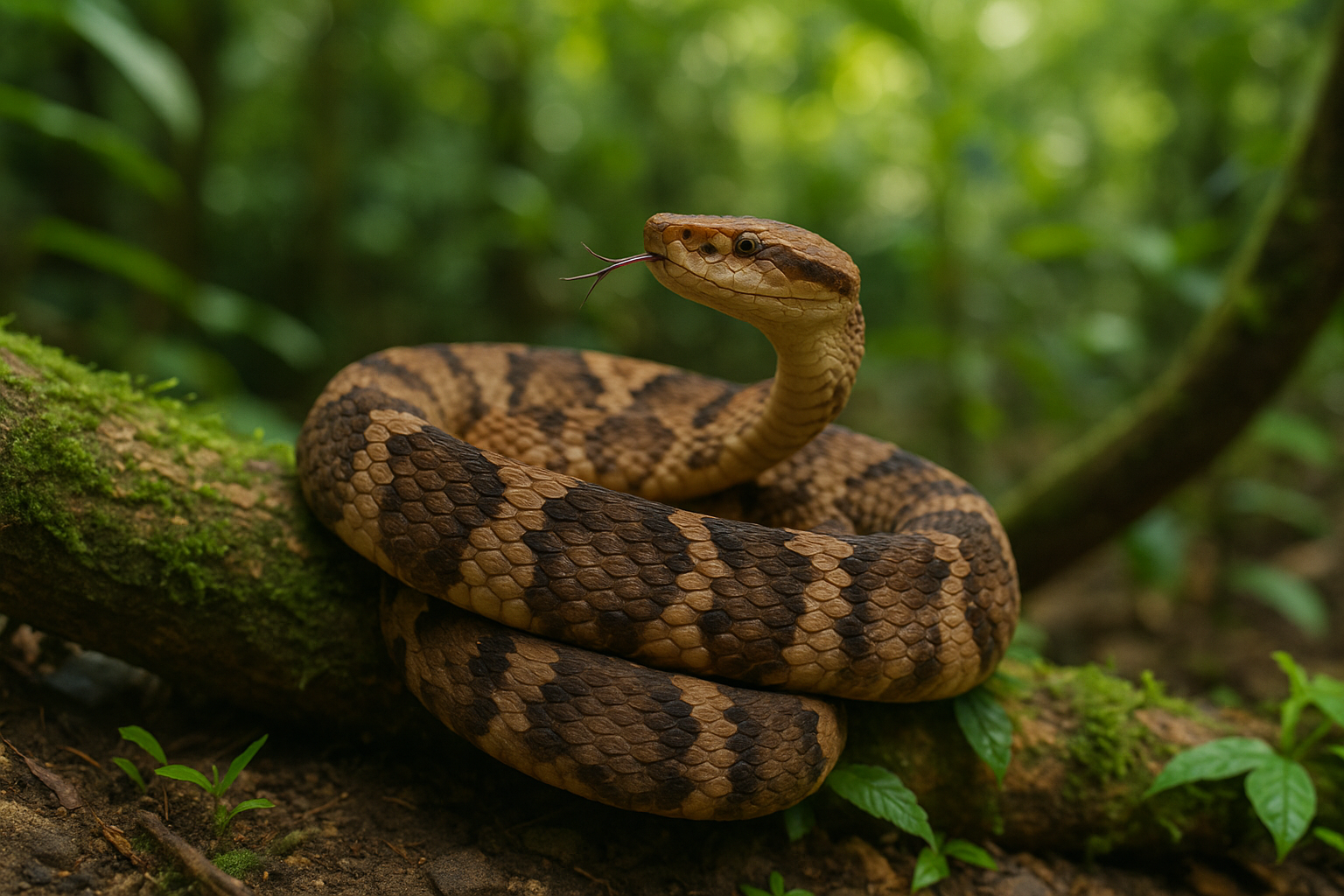
Central American Jumping Pit Viper
Scientific name: Atropoides mexicanus
Named for its aggressive striking behavior that can lift it off the ground. Found in highland forests. Stocky body with a distinctive pattern of dark and light bands. Venomous but rarely encountered by tourists.
Snake Safety in Costa Rica: Prevention and Treatment

Essential gear for safe hiking in snake habitats includes proper footwear, long pants, and a basic first aid kit
Prevention Tips for Travelers
- Always wear closed-toe shoes or hiking boots when walking in natural areas
- Stick to established trails and avoid reaching into holes, crevices, or dense vegetation
- Use a walking stick to probe the path ahead, especially in tall grass
- Carry a flashlight for night walks, and always watch where you step
- Consider hiring local guides who can spot camouflaged snakes and know safe routes
- Make noise while walking to alert snakes of your presence, giving them time to retreat
- Avoid lifting rocks or logs without proper tools and visibility
- Check shoes and bags before use, especially in rural accommodations
Regional Risk Variations
Snake encounter risks vary significantly across Costa Rica’s diverse regions:
| Region | Risk Level | Common Species | Notes |
| Urban Areas | Very Low | Few to none | Developed areas have minimal snake presence |
| Beach Resorts | Low | Fer-de-lance (occasionally) | Maintained grounds reduce habitat |
| Rainforests | Moderate | Fer-de-lance, Eyelash Viper | Stay on trails and use guides |
| Agricultural Areas | High | Fer-de-lance, Hognose Viper | Where most bites occur, mainly affecting workers |
What to Do If Bitten
Costa Rica is a world leader in snake research and antivenom production through the Clodomiro Picado Institute. Most hospitals have antivenom readily available, especially in areas where venomous snakes are common.
DO:
- Remain calm and limit movement to slow the venom’s spread
- Remove jewelry or tight items near the bite area
- Keep the bitten area below heart level if possible
- Seek medical attention immediately
- Note the snake’s appearance if you can do so safely
DON’T:
- Cut the wound or attempt to suck out venom
- Apply ice or immerse in water
- Apply a tourniquet
- Consume alcohol or medications that thin blood
- Delay seeking medical treatment
Important: Even if you think the snake was non-venomous, seek medical attention after any snake bite. It’s better to be cautious, as misidentification is common even among experienced observers.
Explore Costa Rica Safely with Expert Guides
The best way to experience Costa Rica’s incredible biodiversity while minimizing snake encounter risks is with knowledgeable local guides. They know where snakes typically hide and can help you spot wildlife safely.
Venomous Snakes in Costa Rica: Respect, Don’t Fear
Costa Rica’s snake population is an important part of its rich biodiversity. While 22 venomous species might sound alarming, remember that these creatures play vital roles in their ecosystems and generally avoid human contact. With proper precautions, your chances of a negative snake encounter are minimal.
The country’s excellent medical facilities and world-renowned expertise in antivenom production ensure that even in the rare case of a bite, effective treatment is readily available. Don’t let fear of snakes prevent you from experiencing the incredible natural beauty that Costa Rica has to offer.
By staying informed, following basic safety guidelines, and respecting wildlife from a safe distance, you can enjoy all the wonders of Costa Rica while minimizing any potential risks from its serpentine inhabitants.
Article by Glenn Tellier (Founder of CRIE and Grupo Gap)
Don't wait, contact us right now!
Call or WhatsApp Costa Rica +506 8373 2085 or +506 8706 3888
Call USA/Canada +1 305-906-6784