
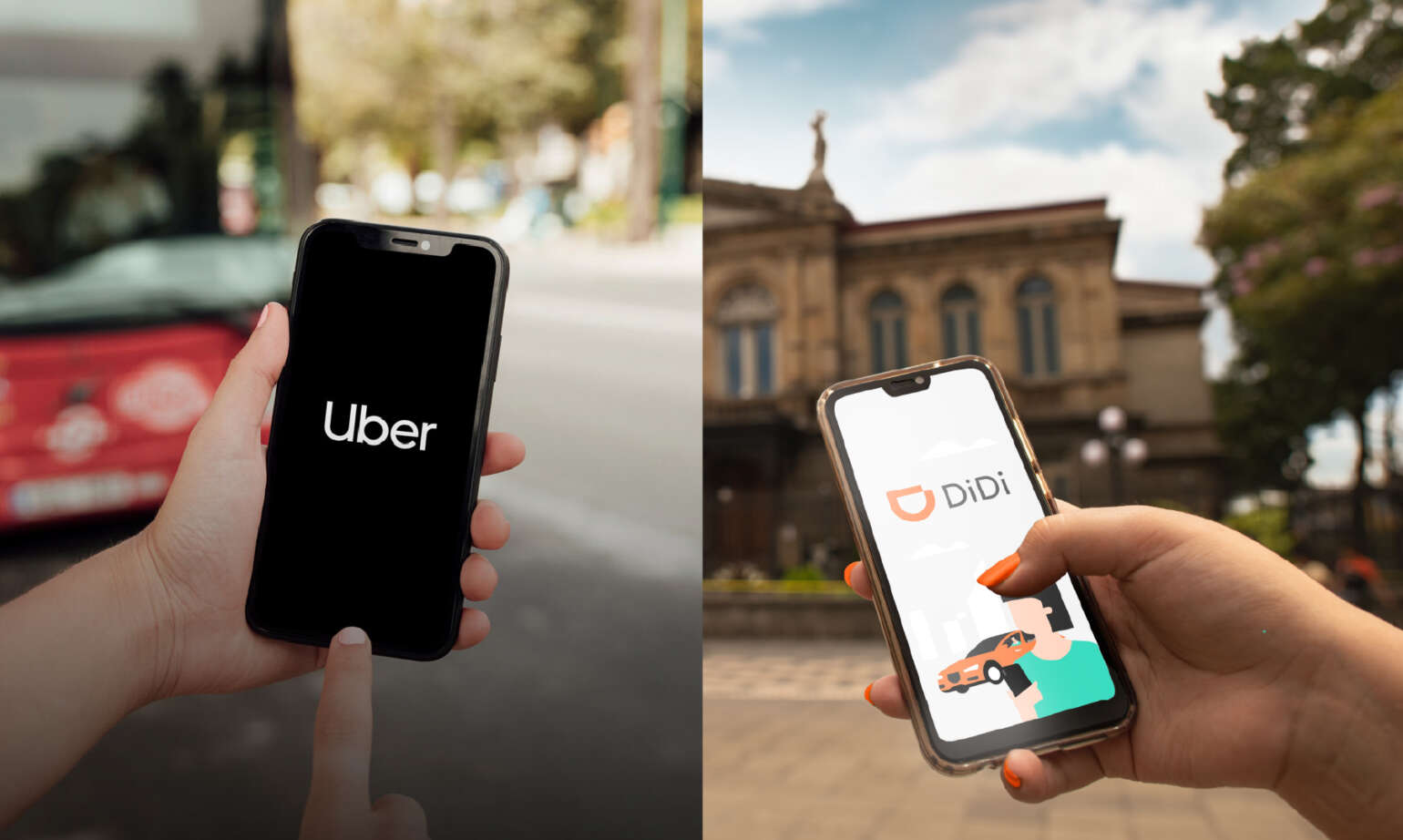
Did you know 30% of the national population relies on one ridesharing app for transportation? Another 18% prefer a competing service, especially young professionals in Valle Central. These numbers highlight the growing role of modern transportation solutions for both residents and visitors.
The study “Nuestras apps de cada día 2024” offers valuable insights into user behavior. It reveals how these apps have become central to daily life. They provide a convenient alternative to traditional taxis, especially in busy cities.
This article explores the practicality of these services. It compares them to other options like taxis and navigation apps. Real user examples and statistical data from the country will support the analysis. Stay tuned to discover which option suits your needs best.
Ridesharing Landscape in Costa Rica
Modern transportation solutions have reshaped daily commutes across Costa Rica. Ridesharing apps are now a key part of urban life, offering an alternative to traditional taxis. These services are especially prevalent in bustling cities, where convenience and efficiency matter most.
User Demographics and Usage Patterns
Young professionals dominate the ridesharing scene. Data shows 47% of users are aged 18 to 34, with 53% holding a university education. Most of these users, around 88%, reside in the Valle Central region. This area’s high population density drives frequent app usage.
Insights from the Nuestras apps de cada día 2024 Study
The study highlights how ridesharing apps integrate into daily routines. Users rely on them for quick trips, avoiding traffic delays. The convenience of booking a ride with a few taps has made these services indispensable in urban areas.
Comparison with Navigation Apps like Waze
Navigation tools like Waze complement ridesharing apps. While Waze is popular among older users, ridesharing appeals to younger demographics. Both services aim to simplify travel, but their user profiles differ significantly.
- Ridesharing apps are preferred for short, on-demand trips.
- Navigation apps like Waze are used for longer journeys.
- Integration between these tools enhances overall travel efficiency.
Demographic factors play a crucial role in shaping preferences. Younger users favor ridesharing for its speed, while older individuals lean toward navigation apps for route planning. This dynamic reflects the evolving transportation landscape in Costa Rica.
Is Uber and Didi Popular in Costa Rica?
Transportation trends in Costa Rica show a strong preference for ridesharing apps. These platforms have gained traction due to their convenience and efficiency. They offer a modern alternative to traditional taxis, especially in urban areas.
Usage Statistics and Intensity of Use
Recent data reveals that 30% of the population relies on one ridesharing app. Of these users, 15% engage with the service daily or weekly, classified as intense users. Another 15% use it biweekly or monthly, falling into the moderate category.
For the competing service, 18% of Costa Ricans are active users. Among them, 10% are intense users, while 8% fall into the moderate segment. This segmentation highlights the varying levels of dependency on these platforms.
Factors Driving Popularity Among Costarricans
Several factors contribute to the widespread adoption of ridesharing apps. Convenience tops the list, allowing users to book a ride with just a few taps. Reliability also plays a key role, as these services often provide faster travel times compared to traditional taxis.
Demographic alignment further drives popularity. Younger users, particularly those aged 18 to 34, dominate the user base. Their preference for tech-driven solutions aligns with the features offered by these apps.
These platforms have become integral to daily transportation for many. They cater to both short trips and longer journeys, making them versatile options for commuters. The evolving transportation ecosystem in the country supports multiple choices, ensuring users find the best fit for their needs.
Emerging Transportation Solutions and App Innovations
New app innovations are transforming how people move around Costa Rica. These advancements bring transparency, efficiency, and convenience to daily commutes. One standout example is Batsë, a modern solution for taxi services.
The Introduction of Batsë for Taxi Services
Batsë revolutionizes traditional taxi systems by providing fare details upfront. This feature eliminates surprises, ensuring a smoother experience for passengers. The app also streamlines booking, making it easier for drivers to connect with riders.
Government efforts have supported this shift, encouraging the adoption of app-based solutions. By replacing outdated metered devices, Batsë enhances service quality. This transition reflects a broader push toward modernization in the transportation sector.
Performance Trends from Sensor Tower Data
Sensor Tower data highlights significant growth in app usage. Weekly downloads for one ridesharing platform rose from 11.3K to 13.2K in 2024. Another service saw an increase from 7.9K to 9K during the same period.
Active user numbers also climbed steadily, signaling strong market demand. These trends underscore the growing preference for app-based transportation solutions. Drivers and companies alike are adapting to meet this demand.
Emerging apps like Batsë are reshaping the transportation landscape. They offer improved efficiency, fare transparency, and a better user experience. As these innovations gain traction, they set new standards for the industry.
Conclusion
Transportation innovations have reshaped how people navigate Costa Rica. Ridesharing apps dominate urban areas, offering quick, reliable rides. Younger users, especially those aged 18 to 34, drive this trend, making these services essential for daily commutes.
Emerging solutions like Batsë modernize traditional taxi systems. They provide upfront fare details, enhancing transparency. Sensor Tower data highlights growing app downloads, reflecting strong demand for these services.
Both ridesharing and innovative taxi solutions play a vital role in the country’s mobility landscape. They improve convenience, reduce travel time, and ensure better service quality. As these trends evolve, they will continue to shape future tours and daily commutes across the region.
Article by Glenn Tellier (Founder of CRIE and Grupo Gap)
Don't wait, contact us right now!
Call or WhatsApp Costa Rica +506 8373 2085 or +506 8706 3888
Call USA/Canada +1 305-906-6784