
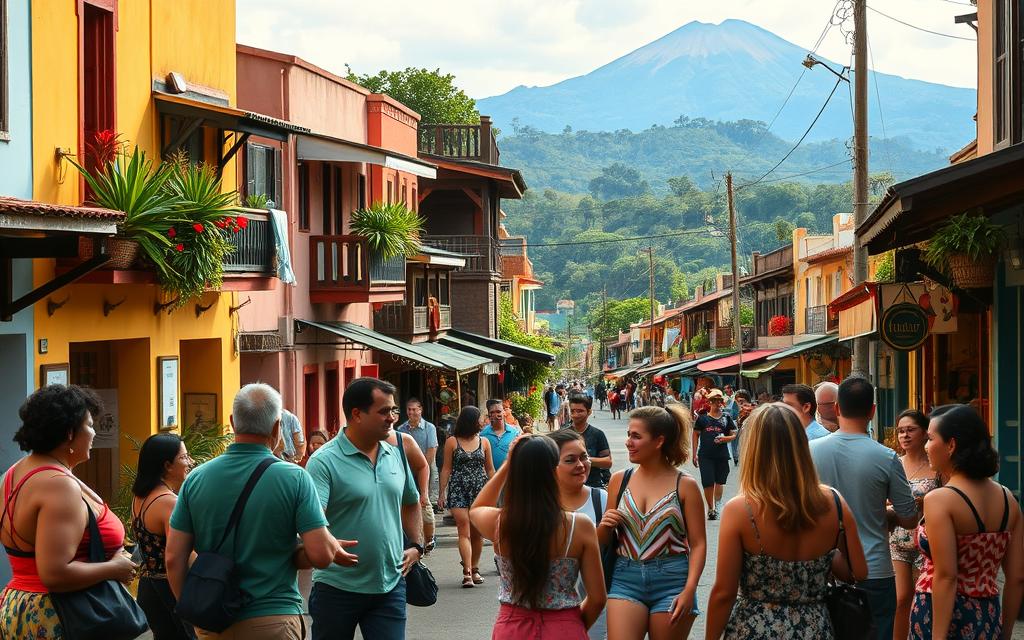
Did you know that nearly 30% of property buyers in Costa Rica encounter fraudulent listings or scams? This startling fact highlights the importance of being well-informed before diving into the real estate market. Understanding the unique characteristics of this tropical paradise is crucial for making a smart investment.
This article is designed to guide buyers through the complexities of purchasing property in Costa Rica. Built on insights from expert realtors and legal professionals, it covers essential topics like market trends, legal challenges, and lifestyle adjustments. Whether you’re an expat or an investor, thorough research is key to turning your dream into reality.
From navigating legal issues to understanding the local community, this guide aims to provide clarity and confidence. By avoiding common mistakes, you can ensure a smooth and successful property purchase in this vibrant country.
Understanding the Costa Rican Real Estate Market
The Costa Rican real estate market is thriving, driven by its natural beauty and growing tourism industry. With its lush landscapes and stable economy, the country attracts both expats and investors. Understanding the dynamics of this market is essential for making informed decisions.
Market Trends and Buyer Behavior
Current trends show a surge in demand for homes near coastal areas and tourist hotspots. Buyers are often influenced by rental yields and resale values. Popular regions like Guanacaste and Tamarindo are seeing increased interest due to their tourism appeal.
Demographic shifts also play a role. Many buyers are retirees or eco-tourists seeking a peaceful living experience. The rise of eco-tourism has boosted demand in less crowded areas, offering unique opportunities for investors.
Researching Future Developments
Researching future developments is crucial for long-term investment success. Planned projects like new roads, schools, and hospitals can significantly impact property values. Local amenities also enhance the quality of life, making certain areas more attractive to buyers.
Expert realtors emphasize the importance of understanding area trajectories. Factors like cost, location, and property type shape market behavior. Thorough research ensures buyers make informed decisions and avoid potential pitfalls.
Pitfalls of Buying Property in Costa Rica
Many buyers in Costa Rica face unexpected challenges due to overlooked details in property listings. Small mistakes during the process can lead to significant financial losses. To avoid these issues, it’s essential to understand common errors and take proactive steps.

Overlooking Critical Details
One of the most frequent mistakes is trusting overly edited photos in listings. Expert realtors warn that these images can hide flaws like poor maintenance or structural issues. Buyers should always visit the property in person to assess its true condition.
Another critical detail is the property’s history and title. Failing to verify these can lead to legal disputes or unexpected costs. A thorough process includes checking for liens, zoning restrictions, and environmental concerns.
Ignoring Expert Guidance
Navigating legal, infrastructural, or environmental challenges requires professional advice. Ignoring expert guidance can result in costly errors. For example, not understanding local market trends may lead to decisions based on inaccurate projections.
Hiring a trusted legal professional ensures compliance with Costa Rican laws. They can help buyers avoid hidden fees and ensure a smooth transaction. Accountability and diligence are key to a successful property purchase.
Navigating Legal and Title Complexities
Costa Rica’s legal framework for property ownership is unique and requires careful navigation. The country has specific laws that protect its natural resources, which can impact land ownership. For example, the first 50 meters from the high tide line are public land and cannot be owned or built upon. The next 150 meters are classified as concession land, which is leased from the government. These restrictions are crucial for buyers to understand before making a purchase.
Land Ownership Restrictions
Buyers must be aware of the restrictions on land ownership in Costa Rica. Coastal areas, in particular, have strict regulations. The first 200 meters from the high tide line are protected by law, with the first 50 meters being public land. Concession land, which covers the next 150 meters, can be leased but not owned outright. Foreigners may face additional hurdles, such as residency requirements or the need to partner with a Costa Rican national.
National parks and indigenous territories also have special protections. Building or developing in these areas is heavily restricted. Buyers should verify boundaries and ensure their property does not encroach on protected zones. Failure to do so can lead to legal disputes and financial losses.
Title Insurance and Registration Concerns
Title insurance is uncommon in Costa Rica, but it is highly recommended for buyers. The country’s registration process is strict, and errors in titles can lead to significant issues. The Registro Nacional (National Registry) maintains public records of property ownership, liens, and encumbrances. Buyers should conduct thorough due diligence to verify these details.
Hiring a qualified real estate attorney is essential to navigate these complexities. They can help ensure the property title is clear and free of disputes. Additionally, they can assist with the registration process, which can be lengthy and bureaucratic. Delays are common, and buyers should be prepared for potential setbacks.
Understanding these legal and title complexities is vital for a successful real estate transaction in Costa Rica. With proper research and expert guidance, buyers can avoid costly mistakes and secure their investment.
Evaluating Property Types and Investment Choices
Choosing the right property type in Costa Rica can significantly impact your investment success. The country offers a variety of options, including homes, condos, and raw land. Each type has unique advantages and challenges, making it essential to align your choice with your goals and lifestyle.

Homes, Condos, and Raw Land Options
Homes in Costa Rica are ideal for those seeking privacy and space. Popular areas like Tamarindo and Santa Ana offer diverse options, from beachfront villas to mountain retreats. Homes often come with higher maintenance costs but provide greater flexibility for customization.
Condos are a low-maintenance option, especially in urban or tourist-heavy areas. They often include amenities like pools and gyms, making them attractive for retirees or vacationers. However, HOA fees can add to the overall cost.
Raw land is perfect for buyers looking to build their dream property. It offers the freedom to design from scratch but requires significant investment in development. Areas with future infrastructure projects can be particularly lucrative.
Pros and Cons Analysis
Homes provide privacy and customization but come with higher upkeep expenses. Condos offer convenience and amenities but may have restrictive HOA rules. Raw land allows for creative freedom but involves development costs and potential delays.
When evaluating options, consider both tangible factors like cost and upkeep, and intangible elements like community and ambiance. For example, a condo in Tamarindo might offer rental income potential, while a home in Santa Ana could provide a peaceful retreat.
Expert advice from local realtors can help buyers weigh these factors. Understanding your personal needs and resale potential is key to making a decision that aligns with your long-term goals.
Weather and Environmental Challenges
Costa Rica’s tropical climate offers stunning views but also presents unique weather challenges for property owners. The country’s heavy rains and regional weather patterns can significantly impact property durability and local infrastructure. Buyers must consider these factors to ensure long-term resilience and value.
Extreme Weather and Flood Risk
Heavy rainfall is common in Costa Rica, especially during the rainy season from May to November. Areas with poor drainage solutions are particularly vulnerable to flooding. Veteran realtors often warn buyers to inspect drainage systems and elevation before purchasing.
Flooding can lead to costly repairs and maintenance. Properties in low-lying areas or near rivers are at higher risk. Buyers should review environmental reports to assess flood zones and potential damage.
Historic weather trends show that certain regions experience more extreme conditions. For example, the Caribbean coast faces heavier rains compared to the Pacific side. Understanding these patterns helps buyers make informed decisions.
Extreme weather also increases building and maintenance costs. Materials must withstand humidity and heavy rains, which can drive up expenses. Buyers should budget for these additional costs to avoid financial strain.
Climate impacts both market value and living conditions. Properties in flood-prone areas may have lower resale value. On the other hand, homes with resilient designs and good drainage systems are more attractive to buyers.
Expert advice is crucial when evaluating weather risks. A qualified realtor can provide insights into local conditions and recommend properties with long-term resilience. Buyers should prioritize thorough research to protect their investment.
Financial Pitfalls and Hidden Costs
Navigating the financial aspects of real estate in Costa Rica can uncover unexpected expenses that catch buyers off guard. From closing costs to maintenance fees, understanding these financial elements is crucial for a smooth transaction.

Unexpected Fees and Financing Issues
Buyers often encounter hidden fees during the purchasing process. These include closing costs, transfer taxes, and legal fees, which can add up quickly. For example, transfer taxes typically range from 1% to 5% of the property’s value.
Securing favorable mortgage terms can also be challenging. Foreign buyers may face higher interest rates, ranging from 6% to 14%, and larger down payment requirements. Experts recommend working with local banks or financial advisors to navigate these hurdles.
Property Taxes and Maintenance Expenses
Property taxes in Costa Rica are relatively low, at 0.25% of the registered value. However, reassessments can occur every five years, potentially increasing the tax burden. Luxury properties valued over $230,000 may face additional taxes ranging from 0.25% to 0.55%.
Maintenance costs are another consideration. For rental properties, management fees can range from 15% to 25% of the rental income. Buyers should budget for these expenses to avoid financial strain.
Comparing the costs of buying an existing home versus new construction is also important. While existing homes may have lower upfront costs, new construction offers customization but often comes with higher development expenses.
Infrastructure, Utilities, and Maintenance Concerns
Infrastructure and utility reliability are critical factors when purchasing real estate in Costa Rica. The quality of roads, electricity, and water services can significantly impact daily living and property value. Buyers must carefully evaluate these elements to avoid unexpected challenges.
Road Access and Utility Reliability
Road access varies widely across Costa Rica. Urban areas like San José have well-maintained roads, but rural regions often face challenges. Gravel or dirt roads can become impassable during heavy rains, affecting both daily commutes and property accessibility.
Utility reliability is another concern. Frequent power outages are common, especially in rural areas. Many property owners invest in backup generators or solar systems to ensure uninterrupted service. Water availability can also be inconsistent, with some locations relying on wells or rainwater collection.
Buyers should verify the availability and quality of municipal services before purchasing. In some cases, utility connections can take weeks or even months to activate. Working with local experts can help navigate these delays and ensure a smooth transition.
Infrastructure issues directly impact long-term maintenance costs. Properties in rural areas may require additional investments in roads, water systems, or backup power. These expenses can add up, affecting the overall cost of ownership.
Comparing urban and rural infrastructure is essential for informed decision-making. Urban areas offer more reliable services but often come with higher property prices. Rural regions provide tranquility and natural beauty but may require more effort and expense to maintain.
Understanding these factors helps buyers choose the right location and property type. Thorough research and expert guidance are key to avoiding unexpected costs and ensuring a successful investment in Costa Rica’s real estate market.
Construction Considerations and Renovation Realities
Deciding whether to build or buy a home in Costa Rica involves weighing costs, timelines, and stress levels. Each option has its unique challenges and benefits, making it essential to understand the details before making a decision.

Building vs. Buying: Cost and Stress Comparison
Building a new home allows for customization but comes with rising construction costs. Materials like steel and concrete have seen price increases, and finding reliable contractors can be difficult. Delays due to government bureaucracy and new VAT rules further complicate the process.
Buying an existing home often proves more cost-effective and less time-consuming. It eliminates the stress of managing a construction project and avoids unexpected expenses. Experts recommend this route for buyers seeking a smoother experience.
Renovations can also be challenging. Managing timelines and budgets requires careful planning. Unexpected issues like structural problems or permit delays can add to the stress. Buyers should factor these risks into their decision-making process.
Recent trends show that construction costs range from $70 to $120 per square foot. Financing options are available, but interest rates for foreign buyers can be high. Working with local experts ensures better terms and a smoother process.
Ultimately, the choice between building and buying depends on individual preferences and budgets. Thorough research and professional guidance are key to making the right decision in Costa Rica’s real estate market.
Cultural and Lifestyle Adjustments for Expats
Living in Costa Rica offers a unique blend of cultural richness and tropical beauty, but adapting to its lifestyle can be a challenge for expats. From language barriers to social norms, understanding these differences is essential for a smooth transition. Embracing the local way of life can significantly enhance long-term satisfaction with your property and overall experience.
Navigating Language and Social Barriers
One of the first hurdles expats face is the language barrier. While many locals speak English, fluency in Spanish opens doors to deeper connections and better integration. Taking language classes or using apps can help bridge this gap. Engaging with local social groups also fosters a sense of belonging and understanding.
Social norms in Costa Rica may differ from what expats are accustomed to. For example, punctuality is often more relaxed, and personal relationships are highly valued. Adapting to these cultural nuances can make daily interactions smoother and more enjoyable.
Adapting to the Pura Vida Lifestyle
The “pura vida” lifestyle is a cornerstone of Costa Rican culture, emphasizing simplicity, positivity, and gratitude. Expats who embrace this mindset often find it transformative. Slowing down, enjoying nature, and prioritizing relationships are key aspects of this way of life.
Healthcare and leisure options in Costa Rica may also differ from what expats are used to. The country offers affordable and high-quality healthcare, but understanding the system is crucial. Leisure activities often revolve around outdoor adventures, from surfing to hiking, making it easy to stay active and connected to nature.
Successful expats often cite community involvement as a critical factor in their happiness. Volunteering, joining local clubs, or participating in cultural events can help build meaningful connections. These efforts not only enrich personal life but also provide a deeper understanding of the local culture.
By addressing these cultural and lifestyle adjustments, expats can create a fulfilling and enjoyable life in Costa Rica. Whether it’s learning Spanish, embracing “pura vida,” or engaging with the community, these steps ensure a smoother transition and long-term satisfaction.
Conclusion
Purchasing real estate in Costa Rica can be a rewarding experience, but it requires careful planning and expert guidance. Understanding the legal, financial, and cultural aspects is essential to protect your investment and ensure a smooth process. Thorough due diligence, including title searches and environmental checks, helps avoid common mistakes.
Working with local professionals, such as real estate attorneys and trusted realtors, provides invaluable support. They can help navigate the complexities of property ownership, from registration to understanding local market trends. This ensures you make informed decisions that align with your goals.
Whether you’re looking for a home, land, or a condo, Costa Rica offers diverse options to suit your lifestyle. By prioritizing location, community, and long-term value, you can turn your dream of living in this beautiful country into reality. Take the first step today and consult with experts to begin your journey.
Article by Glenn Tellier (Founder of CRIE and Grupo Gap)
Don't wait, contact us right now!
Call or WhatsApp Costa Rica +506 8373 2085 or +506 8706 3888
Call USA/Canada +1 305-906-6784