
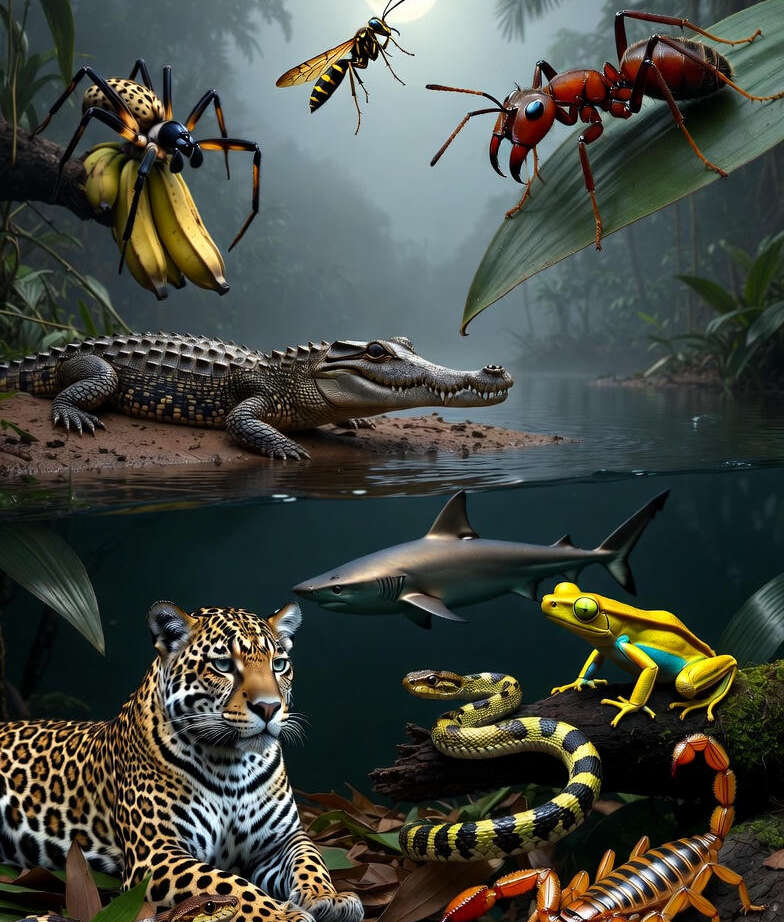
Ever wondered about the dangers in Costa Rica’s lush areas? Could your vacation turn into a risky adventure?
Costa Rica is famous for its stunning nature and diverse wildlife. But, there are hidden dangers for visitors. From venomous snakes to deadly insects, knowing about these risks is key to staying safe. Learn how to avoid dangers in Costa Rica’s wild landscapes during your trip.
Introduction to Costa Rica’s Wildlife Risks
Costa Rica is a nature lover’s dream, but it also comes with wildlife risks. Visitors often feel both amazed and a bit scared by the animals they meet. Knowing how to stay safe around wildlife is key to enjoying your trip.
Visitors need to follow certain rules to stay safe. Walking only on marked trails helps avoid dangers. Keeping a safe distance from animals is also important. And, it’s best to look with your eyes, not your hands, to avoid accidents.
There are specific dangers like snakes, crocodiles, and jungle cats. Mosquitoes can also be a health risk. So, it’s important to be careful, even at night, and keep your documents safe.
Learning about local wildlife helps you appreciate it more. With over 500,000 species, knowing how to interact safely is essential. Costa Rica works hard to protect its biodiversity, making it a safe place for both people and animals.
About Costa Rica’s Dangerous Animals
Costa Rica is home to a wide range of wildlife, some of which can be dangerous. While it’s rare to run into these animals, knowing where they live and how they act is key to staying safe. It’s important for visitors to learn about the dangerous animals in places like Corcovado National Park.
Snakes like the Fer-de-Lance are a big threat because they are everywhere and can hide well. It’s crucial to know how to avoid animal attacks in Costa Rica. This knowledge is vital for those who love exploring the outdoors.
Understanding the Nature of Animal Encounters
Knowing how animals like the Fer-de-Lance snake behave is very important. Since they cause a lot of snakebite incidents, it’s wise to take precautions. Wearing long boots and hiking with guides can help avoid dangers.
Other snakes, like the Eye-lash Viper, are also dangerous and found in places like Cerro de la Muerte. To stay safe, it’s best to stick to the trails and not touch or disturb wildlife.

The Importance of Awareness and Education
Knowing about local wildlife dangers can make your trip safer. Visitors to Costa Rica should learn about the homes and habits of dangerous animals. This includes big cats like the Puma and Jaguar, which are found in dense forests and tropical rainforests.
Joining educational programs can teach you a lot about staying safe around wildlife. You’ll learn about the diets and dangers of big cats and venomous snakes. This knowledge helps you enjoy Costa Rica’s amazing nature while staying safe.
By being aware and prepared, tourists can have a great time exploring Costa Rica’s beautiful landscapes. They can do this while keeping the risk of dangerous encounters low.
Top Venomous Snakes in Costa Rica
Exploring Costa Rica’s wilderness is exciting but also risky, thanks to venomous snakes. These snakes are key to Costa Rica’s biodiversity. Knowing about the venomous snakes in Costa Rica helps keep you safe while enjoying the scenery.
Fer-de-Lance Snake: The Most Dangerous
The Fer-de-Lance (Bothrops asper) is Costa Rica’s most dangerous snake. It’s known for being aggressive and fast to produce venom. This makes it a big problem in rural areas. It lives in rainforests and farmlands, blending in with its mottled brown and dark crossbands.
Travelers should be careful in dense areas where the Fer-de-Lance is found.
Coral Snake: Characteristics and Precautions
The Central American Coral Snake (Micrurus nigrocinctus) is another risk. It’s not as aggressive as the Fer-de-Lance, but its venom is very strong. This can cause serious health problems if bitten.
Knowing its colors, with red, black, and yellow bands, is key to avoiding it. Hikers should be careful in areas known for dangerous snakes in Costa Rica.
Other Notable Snake Species
Costa Rica also has other Costa Rica snake species that are dangerous. The Eyelash Palm Pit Viper (Bothriechis schlegelii) has venom that can be serious. It lives in wet lowlands and pre-montane forests.
The Bushmaster (Lachesis spp.) is another venomous snake. It’s found in tropical moist forests and has long, neurotoxic venom. Knowing about these costa rica venomous creatures is important for anyone exploring this region.
Deadly Insects Found in Costa Rica
Costa Rica is full of deadly insects that can harm both visitors and locals. It’s important to know about these insects to stay safe outside. We’ll look at three main dangers: the bullet ant, mosquito-borne diseases, and other venomous insects.
Bullet Ant: The Painful Encounter
The bullet ant (Paraponera clava) has one of the most painful stings in the world. Its sting can hurt for hours, feeling like a bullet wound. Knowing where these ants live is key to avoiding their sting.
They are found in lowland rainforests. Their presence warns of the dangers of deadly insects in Costa Rica.
The Threat of Mosquito-Borne Diseases
Mosquito-borne diseases are a big health risk in Costa Rica. With 93 mosquito species, diseases like dengue fever and chikungunya are common. Dengue fever is now a bigger worry than malaria or Zika.
The mosquito peak is in August. It’s crucial to use mosquito repellents and stay away from mosquito areas. Taking safety measures against these insects is important, even more so during the rainy season.
Common Venomous Insects
Costa Rica has many dangerous insects, like venomous bees and tarantula hawks. These insects have powerful stings that can cause serious reactions. For example, tarantula hawks have a striking look and can paralyze their prey with their sting.
Visitors should be careful in areas where these insects live. It’s also important to treat insect bites quickly to avoid health problems caused by these insects.

Poisonous Frogs and Their Dangers
Costa Rica is home to many fascinating yet dangerous creatures, including poisonous frogs. These frogs are known for their bright colors and strong toxins. They play important roles in the ecosystem and remind us of the dangers of wildlife.
Knowing about these poisonous animals in Costa Rica helps us stay safe outdoors. It’s key to understanding the dangers of wildlife.
The Central American Poison Dart Frog
The Central American poison dart frog is a striking example of the poisonous frogs Costa Rica exhibits. Its skin has toxic compounds that protect it from predators. While not aggressive, these frogs can be deadly if eaten.
Species like the blue poison dart and the green and black dart frogs show the variety of colors and toxicity. This highlights the importance of keeping a safe distance from them.
Precautionary Measures to Avoid Contact
It’s important to know Costa Rica’s wildlife precautions for tourists and nature lovers. To avoid Costa Rica’s poisonous wildlife, follow these tips:
- Wear closed shoes while exploring to protect against accidental contact with hazardous creatures.
- Avoid touching the ground or foliage, as many poisonous frogs inhabit these areas.
- Respect natural habitats by observing wildlife from a safe distance without disturbing their environment.
- Stay informed about local fauna and the specific characteristics of poisonous species.
By following these precautions, visitors can enjoy Costa Rica’s stunning landscapes and unique wildlife safely. They should always be aware of the presence of poisonous frogs.
Threats from Deadly Spiders
Costa Rica has many venomous spiders that can be dangerous to visitors. The Brazilian wandering spider is one of the deadliest. Knowing where they live and how they act can help avoid dangerous situations.
Brazilian Wandering Spider: Most Toxic in the World
The Brazilian wandering spider, or Phoneutria fera, is the most toxic spider in the world. Its bite can cause severe symptoms like paralysis. They are found in jungles and near banana farms, where they might be disturbed by people.
It’s important to know where these spiders live to stay safe.
Other Dangerous Spiders in Costa Rica
Other spiders in Costa Rica are also venomous and need caution. The black widow spider is known for its hourglass shape and strong venom. Tarantulas, like the orange-kneed tarantula, are also dangerous, though not as deadly as the Brazilian wandering spider.
Visitors should learn about these spiders to stay safe while exploring.

Risks from Costa Rica’s Marine Life
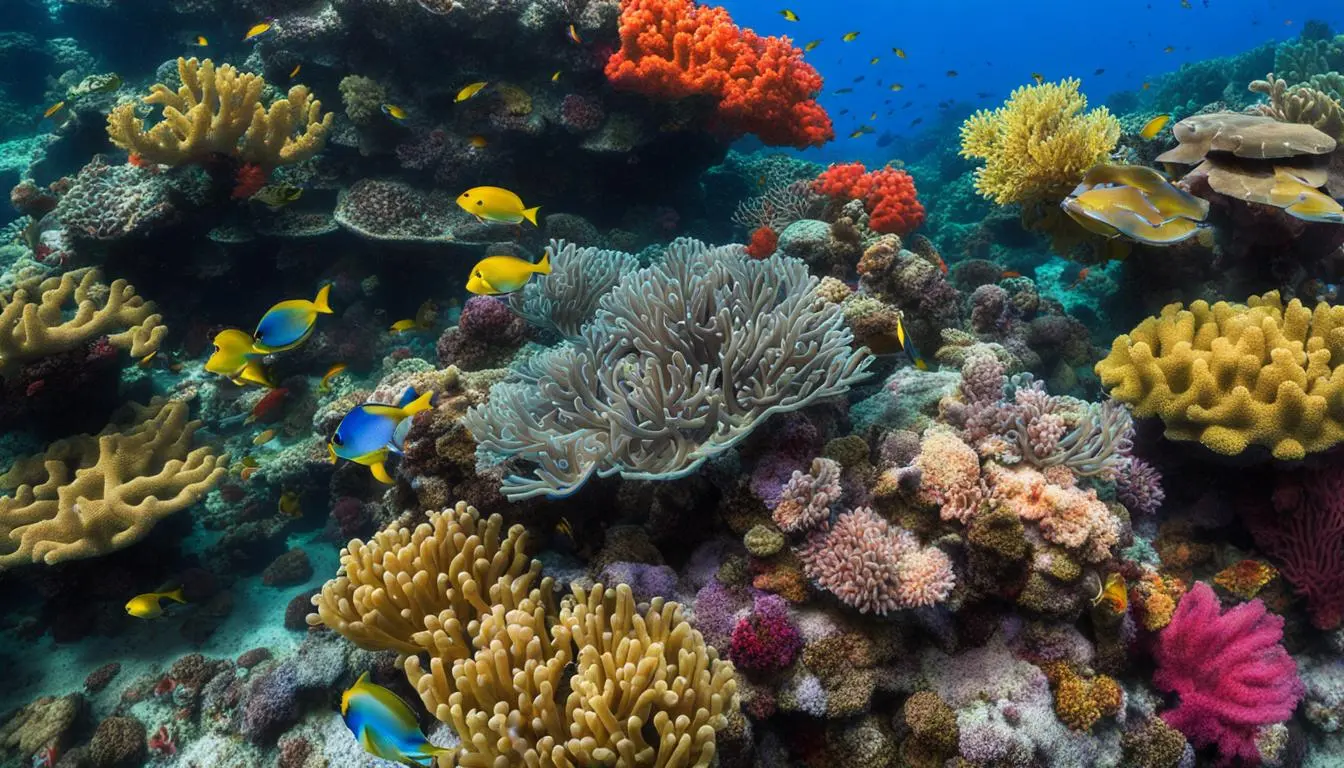
The waters of Costa Rica are full of life, but they also have dangers. Knowing about these dangers can help keep you safe while you’re out. It’s important to be aware of the sea creatures that could pose a threat.
Dangerous Sea Creatures to Watch Out For
Costa Rica’s waters are home to many dangerous marine animals. Some of these are more risky to humans than others:
- Jellyfish: Some jellyfish can sting painfully, so it’s good to watch out while swimming.
- Stingrays: Stingrays hide in the sand and can sting, causing a lot of pain and injury.
- Sea Urchins: These spiny creatures can puncture your skin and may get infected.
Shark Encounters: Understanding the Risks
Shark encounters can worry people at the beach or in the water. Even though shark attacks are rare, knowing when they might happen can help. Here are some things to think about:
- Time of Day: Sharks are more active in the early morning and late afternoon.
- Water Clarity: If the water is murky, it’s hard to see sharks coming.
- Schooling Fish: Sharks might come where there are lots of fish to eat.
By learning about these dangers, you can stay safer in the water. This way, you can enjoy the amazing underwater sights without fear. Knowing what to watch out for is the best way to avoid dangers in the sea.
Large Predators: Jaguars and Pumas
Costa Rica’s wilderness is home to magnificent big cats, like jaguars and pumas. These animals inspire awe and admiration. Knowing about jaguar behavior and puma dangers in Costa Rica is key for safety outdoors. It’s important to respect their natural instincts, even though attacks on humans are rare.
Behavioral Insights and Attack Reports
Jaguars are the largest cats in the Western Hemisphere, found in Costa Rica’s rainforests and savannas. They stalk their prey, using surprise to ambush. Pumas are adaptable, roaming large territories and hunting various animals, keeping ecosystems balanced. Knowing their habits helps keep you safe.
Reports of human encounters with these predators are rare. But staying alert is crucial to avoid attacks.
When to Avoid Nature Walks
It’s important to understand when these predators are most active. Avoid hiking at dawn and dusk, when they are most active. Trails in places like Corcovado National Park and Tenorio Volcano National Park should be approached with caution.
Practicing responsible wildlife observation is essential. Travel in groups and stick to established trails. This way, you can enjoy Costa Rica’s stunning biodiversity while staying safe.

Crocodile Encounters and Safety
Costa Rica is home to diverse wildlife, including the American crocodile and caimans. Knowing where these animals live is key to staying safe near water. Understanding their behavior, like during the rainy season, helps avoid dangerous situations. It’s important to respect these reptiles and follow safety rules.
American Crocodile: Habitat and Human Interaction
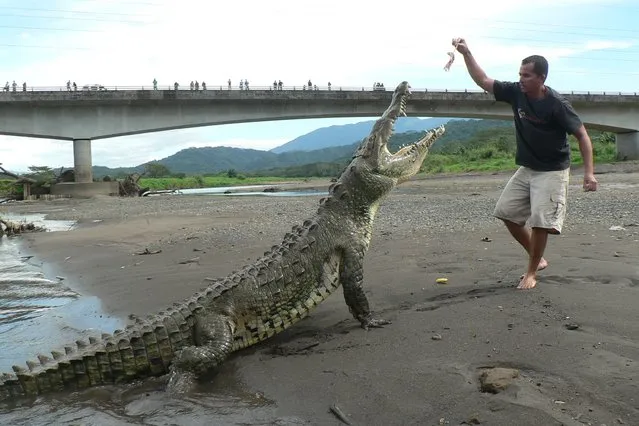
The American crocodile can grow up to 16 feet long and weigh 800 to 1200 pounds. They are found along the Pacific coast and in the Tárcoles River. This area has one of the largest crocodile populations in the world. Conservation efforts are underway to protect them and their homes.
Interacting with crocodiles can be dangerous, like when people get too close to their nests. Female crocodiles will fiercely defend their nests. It’s crucial to respect their space for everyone’s safety.
Safety Tips Near Water Bodies
To stay safe from crocodile encounters, follow these tips. These guidelines will help you enjoy Costa Rica’s natural beauty while staying protected:
- Keep a safe distance from the water’s edge, where crocodiles are known to live.
- Stay away from water at night, as crocodiles are more active then.
- Listen to local warnings and safety advice from park rangers or authorities.
- Never feed or provoke crocodiles, as it can make them dangerous.
- Learn about their behavior, including during the rainy season, when they may move more.
Understanding Wildlife Hazards
Tourists in Costa Rica often face unexpected situations that can lead to risky wildlife encounters. Knowing common scenarios can help avoid accidents. Places like tall grass, riverbanks, and near animal habitats increase the risk of dangerous wildlife interactions. Ignoring local guidelines or straying from designated paths also contributes to these hazards.
Common Scenarios Leading to Animal Encounters
Several factors can lead to dangerous wildlife interactions. Some common scenarios include:
- Walking through tall grass where snakes like the Fer-de-Lance may be hiding.
- Getting too close to the habitats of large predators like jaguars and pumas.
- Ignoring warnings about areas with crocodiles present, near rivers and lagoons.
- Venturing alone in remote areas without proper knowledge of the local environment.
Cautionary Practices for Tourists
Following effective wildlife safety tips is key to enjoying nature safely in Costa Rica. Here are some recommendations for visitors:
- Traveling in groups to enhance safety when exploring natural areas.
- Hiring knowledgeable guides who understand the risks and precautions needed in specific regions.
- Avoiding reckless behavior, such as feeding wildlife or attempting to get close for photographs.
- Keeping children at a safe distance from riverbanks and areas known to contain crocodiles.
Conclusion
It’s important to understand and respect Costa Rica’s wildlife. This is key for staying safe and enjoying the country. Encounters with dangerous animals can be exciting but also risky.
Knowing about different species and their behaviors helps visitors handle these situations better. This knowledge is crucial for a safe adventure.
Following safety tips for wildlife in Costa Rica is vital. This includes not feeding wild animals and keeping their habitats safe. Studies show that moving American crocodiles might not work well without big changes.
So, it’s best to keep a safe distance from wildlife. Avoiding actions that harm the natural ecosystem is also important.
In the end, with the right education and awareness, exploring Costa Rica’s wildlife can be safe. Tourists can make their trips better and help protect nature by following safety rules and respecting wildlife.
Article by Glenn Tellier (Founder of CRIE and Grupo Gap)
Don't wait, contact us right now!
Call or WhatsApp Costa Rica +506 8373 2085 or +506 8706 3888
Call USA/Canada +1 305-906-6784