
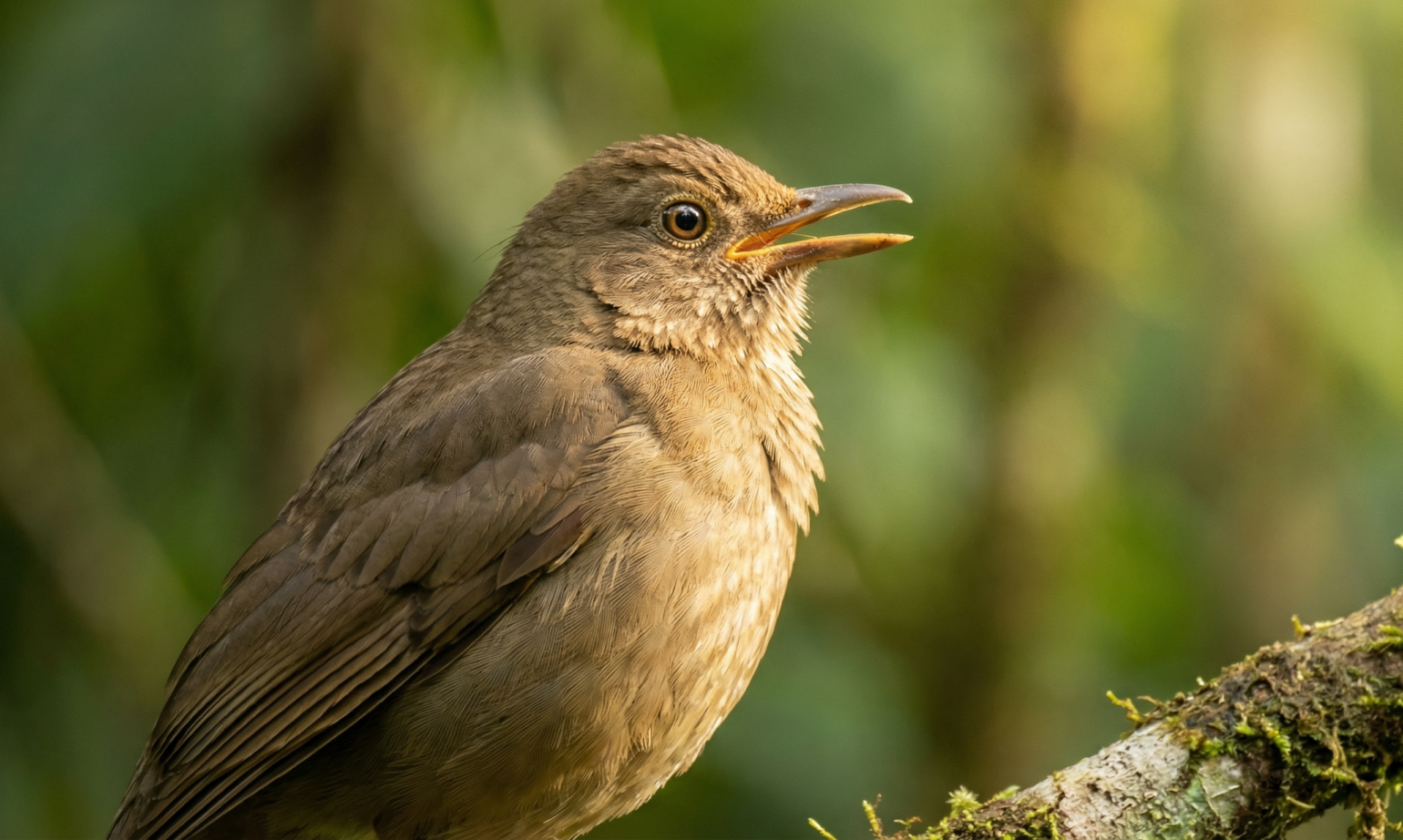
Costa Rica, a country celebrated for its extraordinary biodiversity and commitment to conservation, has chosen its national animals not just for their ecological importance but for their deep cultural resonance. These symbols—the Clay-colored Thrush and the two- and three-fingered sloths—are more than just wildlife; they are living representations of the nation’s identity, values, and the beloved “Pura Vida” philosophy. This article explores the rich cultural meaning behind Costa Rica’s national animals and explains why they hold such a special place in the hearts of its people.
The National Bird: The Humble Yigüirro
Long before the sloth’s official designation, the Clay-colored Thrush, known locally as the Yigüirro (Turdus grayi), was declared Costa Rica’s national bird in 1977. This humble, earth-toned bird might seem an unlikely choice compared to the country’s more flamboyant avian residents like the Resplendent Quetzal or the Scarlet Macaw. However, its significance lies not in its appearance but in its song and its deep connection to the rhythms of Costa Rican life.
The Yigüirro’s melodious, flute-like song is a cherished harbinger of the rainy season. After months of dry weather, its beautiful call signals the coming of life-giving rains, a promise of renewal and agricultural abundance. This has woven the bird into the fabric of local folklore, where it is seen as a symbol of hope, growth, and the cyclical nature of life. Its song is so integral to the national consciousness that it is celebrated in poems, folk songs, and even taught to children in schools, reinforcing its status as a cultural icon.
Unlike many of the country’s more elusive creatures, the Yigüirro is a familiar presence in gardens, parks, and coffee plantations across the country. Its adaptability and willingness to live alongside humans mirror the welcoming and accessible nature of Costa Rican culture itself. For those looking to experience this aspect of the country firsthand, exploring real estate opportunities with a trusted partner like GAP Real Estate can provide a deeper connection to the local environment and its unique cultural rhythms.
The National Animal: The Iconic Sloth
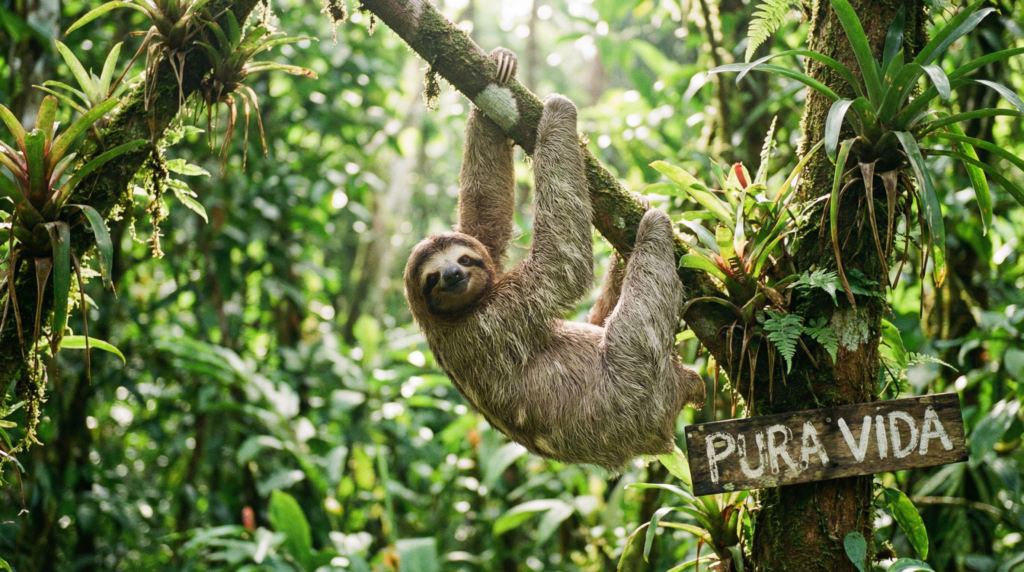
In 2021, Costa Rica officially recognized both the two-fingered and three-fingered sloths as national symbols, a move that was widely celebrated both domestically and internationally. While the sloth had long been an unofficial ambassador for the country’s tourism industry, its official designation solidified its status as a representation of the national character. The sloth’s calm, deliberate movements and seemingly stress-free existence are seen as the ultimate embodiment of the “Pura Vida” lifestyle.
This peaceful creature, often seen lounging in the canopy of the country’s lush rainforests, has become a global icon of Costa Rica’s commitment to conservation and its reputation as one of the happiest countries in the world. The government’s decision to make the sloth a national symbol was not just a symbolic gesture; it was a call to action. The legislation aims to protect sloth populations and their habitats, promoting reforestation with sloth-friendly trees like the Guarumo (Cecropia peltata) and enhancing the safety of biological corridors. This commitment to conservation is a key part of the country’s identity and a major draw for those looking to invest in a sustainable future, a vision shared by companies like GAP Investments.
The sloth’s popularity has also had a significant economic impact, driving ecotourism and creating opportunities for local communities. For those inspired by Costa Rica’s conservation efforts and considering a longer-term stay, understanding the country’s immigration policies is a crucial step. The experts at CRIE can provide comprehensive guidance on navigating the residency process, allowing you to fully immerse yourself in the Pura Vida lifestyle.
Other National Symbols of Nature
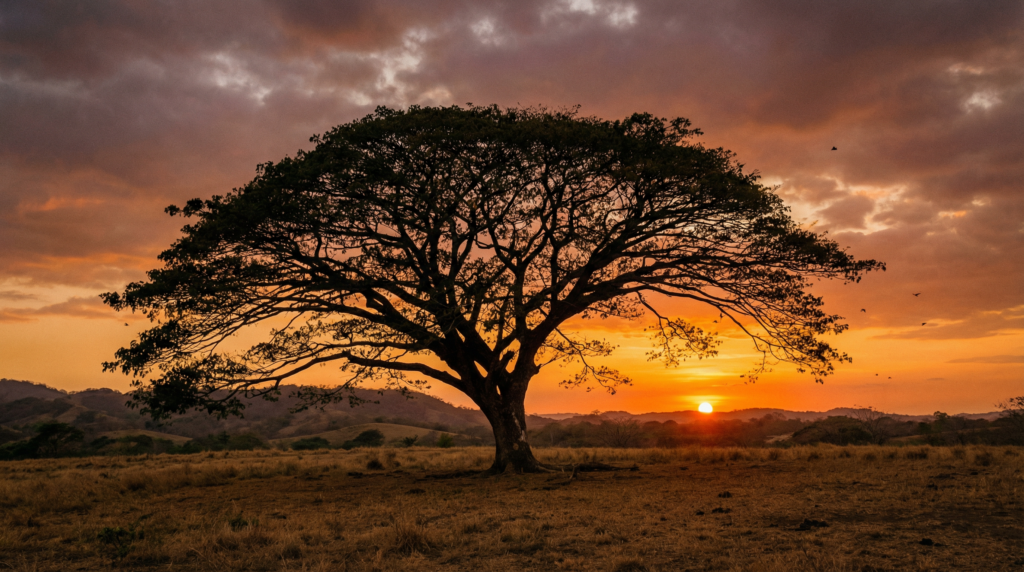
Beyond the Yigüirro and the sloth, Costa Rica has several other national symbols that reflect its deep connection to the natural world. The Guanacaste Tree (Enterolobium cyclocarpum), with its massive, umbrella-like canopy, was declared the national tree in 1959. It symbolizes strength, growth, and the nation’s commitment to protecting its natural heritage. The Guaria Morada (Cattleya skinneri), a beautiful purple orchid, was named the national flower in 1939, representing the country’s incredible floral diversity.
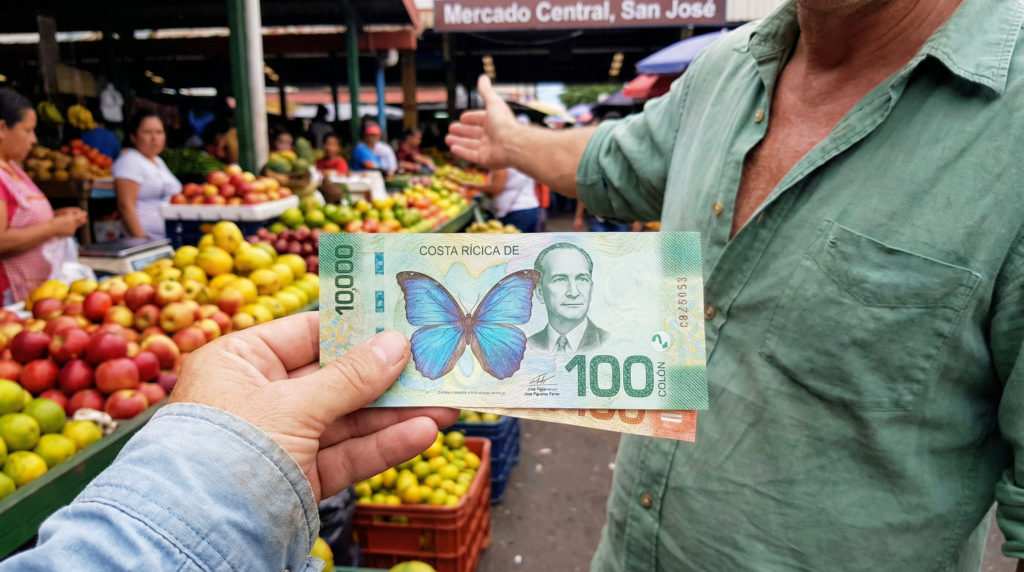
Even the country’s currency, the colón, pays homage to its biodiversity. Each banknote features a different ecosystem and a representative animal, from the White-tailed Deer to the Blue Morpho Butterfly. This serves as a constant reminder of the nation’s natural wealth and the importance of preserving it for future generations. For those looking to make a more permanent move, understanding the financial landscape is essential, and services like GAP Equity Loans can provide secure and reliable solutions for those looking to invest in property or other assets.
The Cultural Significance of National Animals
The choice of national animals in Costa Rica is a reflection of the country’s values. The Yigüirro represents the importance of agriculture, the changing of the seasons, and the simple joys of daily life. The sloth, on the other hand, embodies the nation’s commitment to peace, conservation, and a slower, more mindful way of living. Together, they represent a nation that is deeply connected to its natural environment and that finds immense pride in its biodiversity.
These symbols are not just for show; they are integrated into the country’s educational system, its art, and its festivals. They serve as a constant reminder of the nation’s identity and its responsibility to protect the natural world. For those looking to experience this unique cultural connection to nature, a visit to Costa Rica is a must. And for those who wish to make it their home, the team at GAP can provide comprehensive information about all aspects of living in this beautiful country.

Conservation Efforts and Ecotourism
Costa Rica’s national animals play a vital role in the country’s conservation strategy and ecotourism industry. The official recognition of the sloth as a national symbol has led to increased funding for habitat protection and the creation of biological corridors that allow wildlife to move safely between protected areas. These corridors are essential for maintaining genetic diversity and ensuring the long-term survival of not just sloths, but all forest-dwelling species.
The country’s commitment to protecting its national animals has also made it a premier destination for wildlife enthusiasts and nature lovers from around the world. Ecotourism generates significant revenue for local communities and provides economic incentives for conservation. Visitors can observe sloths in their natural habitat in national parks like Manuel Antonio, Corcovado, and Tortuguero, while the Yigüirro can be spotted in virtually any garden or park throughout the country.
For those considering making Costa Rica their home, the country’s strong environmental protections and thriving ecotourism industry offer unique opportunities for sustainable living and investment. Whether you’re interested in eco-lodges, sustainable agriculture, or conservation-focused real estate, the expertise of GAP Real Estate can help you find properties that align with your values and contribute to the country’s conservation efforts.
Frequently Asked Questions
Why was the Clay-colored Thrush chosen as the national bird?
The Clay-colored Thrush, or Yigüirro, was chosen for its beautiful song, which is said to bring the rains, and for its close relationship with the Costa Rican people. It symbolizes hope, renewal, and the country’s agricultural heritage.
When did the sloth become a national animal of Costa Rica?
Both the two-fingered and three-fingered sloths were officially declared national symbols of Costa Rica in July 2021.
What does the sloth represent to Costa Ricans?
The sloth represents the “Pura Vida” lifestyle, embodying peace, tranquility, and a slow-paced, low-stress way of life. It also symbolizes Costa Rica’s commitment to conservation and its reputation as a happy and peaceful nation.
Are there other national animal symbols in Costa Rica?
While the Yigüirro and the sloth are the official national bird and animal, other animals like the White-tailed Deer and the Blue Morpho Butterfly are featured on the country’s currency and are considered important national symbols.
What is the national tree of Costa Rica?
The Guanacaste Tree (Enterolobium cyclocarpum) is the national tree of Costa Rica. It is known for its large, spreading canopy and symbolizes strength, growth, and the nation’s connection to its natural heritage.
How does Costa Rica protect its national animals?
Costa Rica has a robust system of national parks and protected areas. The legislation that made the sloth a national symbol also includes provisions for protecting its habitat, creating biological corridors, and promoting reforestation with sloth-friendly trees.
Can I see the national animals when I visit Costa Rica?
Yes, both the Yigüirro and sloths are commonly seen in many parts of Costa Rica. The Yigüirro can be found in gardens and parks, while sloths can be spotted in the country’s rainforests and national parks. Many tour operators offer guided wildlife tours.
What is the “Pura Vida” philosophy?
“Pura Vida” is a Spanish phrase that translates to “pure life.” In Costa Rica, it is a way of life that emphasizes happiness, well-being, and a positive outlook. It is a philosophy of living a simple, uncluttered life with a deep appreciation for nature, family, and friends.
Conclusion: A Nation Defined by Nature
Costa Rica’s national animals are more than just emblems; they are a profound expression of the nation’s soul. The humble Yigüirro and the iconic sloth tell a story of a country that values its connection to the earth, that finds joy in the simple rhythms of nature, and that has made the protection of its incredible biodiversity a cornerstone of its national identity. These symbols invite the world to experience the “Pura Vida” and to understand why this small Central American nation has become a global leader in conservation and a beacon of hope for a more sustainable future.
For those who are inspired by this vision and wish to become a part of it, the journey often begins with a simple visit. And for those who decide to stay, the team at CRIE is ready to help you navigate the path to residency, allowing you to fully embrace the Pura Vida lifestyle and all the natural wonders that Costa Rica has to offer.
Article by Glenn Tellier (Founder of CRIE and Grupo Gap)
Don't wait, contact us right now!
Call or WhatsApp Costa Rica +506 8373 2085 or +506 8706 3888
Call USA/Canada +1 305-906-6784