
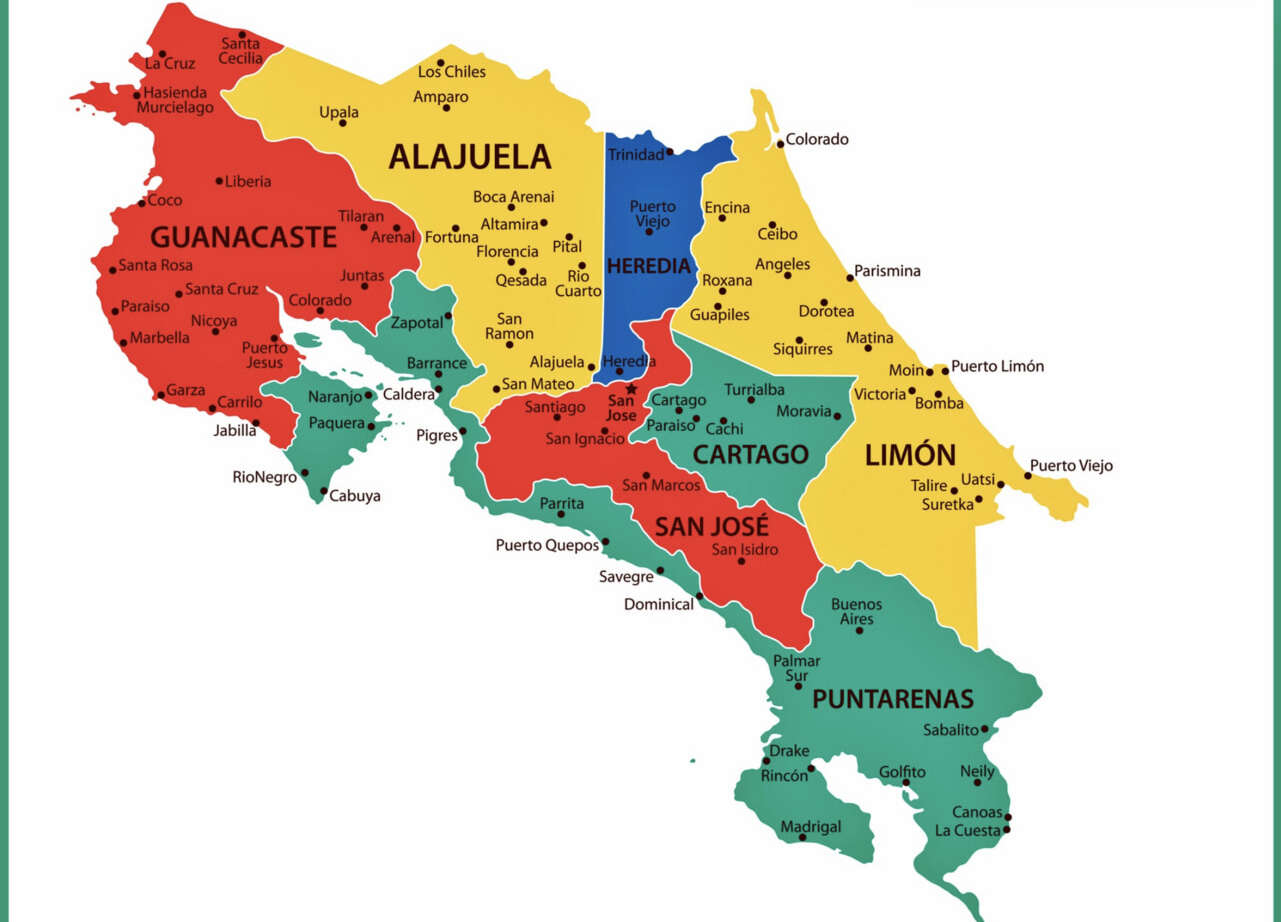
Have you ever wondered how diverse a small country like Costa Rica can be? It has nearly 20,000 square miles divided into 7 Provinces. Each province offers unique landscapes, cultures, and experiences. This guide will show you the secrets of each province.
By exploring the geographical divisions of Costa Rica, you can plan your trip well. You’ll get to enjoy the rich offerings of different Costa Rica regions.
Key Takeaways
- Each of the seven provinces showcases distinct landscapes and cultural experiences.
- The best time to visit Costa Rica is during the dry season from November 15 to April 15.
- Petty crime exists, so exercising caution at night is advisable.
- Local currency is the Costa Rican Colon, but USD is widely accepted.
- There are over 25 national parks and numerous protected areas throughout the country.
- Many areas accept credit cards, making it convenient for travelers.
Introducing Costa Rica’s Diverse Regions
Costa Rica is a small but lively country, covering 51,060 sq km. It’s a bit smaller than West Virginia. The country is split into several provinces, each with its own charm and culture. These provinces are key to understanding local customs and traditions.
The country’s geography is varied, with coastlines, mountains, and forests. These landscapes add to its ecological richness. Each province in Costa Rica offers unique adventures, from beautiful beaches to active volcanoes. Knowing about these regions makes traveling there more rewarding.
Half of Costa Rica’s 5.26 million people live in cities. San José, the capital, is a major urban center. The country’s diverse environment and people show its rich heritage. Urban growth is steady, at 1.5% each year, showing the provinces’ dynamic nature.
The provinces in Costa Rica give a special look into the country’s history and nature. Checking out the health facilities in these areas also shows Costa Rica’s focus on quality of life. This makes the experience better for both locals and visitors.
The 7 Provinces of Costa Rica: An Overview
Costa Rica is divided into seven provinces, each with its own charm. San José is the heart of the country, known for its busy streets and history. Alajuela is famous for its coffee and volcanic views, attracting nature fans and thrill-seekers.
Cartago shows off Costa Rica’s colonial roots with stunning mountain views. Guanacaste is a beach lover’s dream, perfect for surfing and sunbathing. Heredia is called the “City of Flowers” for its lush greenery and great weather, great for outdoor fun.
Limón offers a taste of Caribbean culture with its vibrant festivals and beautiful beaches. Puntarenas is the entrance to the Pacific coast, offering eco-tourism and exploration.
For a better look, check out a costa rica map with provinces. Costa Rica’s geography is rich and varied, showing the unique qualities of each province. Each one is important for the country’s administration and adds to its cultural richness.
Guanacaste: The Golden Coast
Guanacaste province is a top spot for exploring Costa Rica. It has beautiful beaches, lively nightlife, and green landscapes. It’s a favorite among tourists all year round.
This coastal paradise offers many activities and places to stay. It’s perfect for those who love to relax or seek adventure.
Popular Destinations in Guanacaste
Some of the main attractions in Guanacaste include:
- Tamarindo: Known for surfing, dining, and nightlife. It’s great for families and solo travelers.
- Playa Conchal: Famous for its crushed-shell beach. It has luxury resorts and beautiful ocean views.
- Nicoya Peninsula: A peaceful place with stunning scenery. It’s ideal for yoga and relaxation.
- Santa Rosa National Park: A UNESCO World Heritage site. It protects the dry tropical forest and wildlife.
Outdoor Activities in Guanacaste
Guanacaste offers a wide range of outdoor activities:
- Surfing at famous spots like Nosara and Witch’s Rock.
- Snorkeling and scuba diving in places like Flamingo Bay.
- Horseback riding through scenic trails with amazing views.
- Hiking and zip-lining in national parks, showing off the area’s biodiversity.
- Deep-sea fishing for those who want to catch different fish species.
Guanacaste’s climate is warm and sunny all year. This makes it a great choice for those looking for fun and relaxation in Costa Rica.
Alajuela: The Land of Volcanoes
The Alajuela province is famous for its stunning volcanoes and coffee farms. It draws many visitors looking to explore Costa Rica. The area is known for its beautiful landscapes, like the Arenal Volcano, and offers fun activities for everyone.
Alajuela is home to a wide variety of plants and animals. It’s also a key entry point to some of Costa Rica’s top sights.
Key Attractions in Alajuela
Alajuela has many attractions that show off its natural beauty and culture. Here are some places you shouldn’t miss:
- Arenal Volcano National Park
- La Fortuna Waterfall
- Poás Volcano
- La Paz Waterfall Gardens
- Juan Santamaría Historical Museum
Exploring Arenal Volcano National Park
Arenal Volcano National Park is a top spot in Alajuela. It’s known for its green trails and many animals. Visitors can hike and see amazing ecosystems.
They also love the natural hot springs. These springs add to the beauty of the volcano. The area around the park shows the lively spirit of Alajuela province.

Heredia: The City of Flowers
Heredia is known as the “City of Flowers” for its beautiful gardens and coffee farms. It’s a key cultural spot in the heredia province. Here, you can see the rich costa rica culture and lively local scenes.
The Basilica de Barva, built in 1767, shows Heredia’s rich history. The Church of the Immaculate Conception, from 1797, adds to the area’s beauty. Central Park has a lovely fountain and mango trees, perfect for a break.
- The El Fortin fort, from 1876, is another piece of history.
- Casa de la Cultura, in a 1843 home, shows the area’s artistic side.
- The Museum of Popular Culture gives a peek into rural Costa Rica from the 1900s.
Nature lovers will find lots to see here too. Braulio Carrillo National Park covers over 110,000 acres. It’s home to jaguars, sloths, and over 500 bird species. The Sarapiqui River is great for rafting and kayaking.
Heredia province mixes nature and culture perfectly. It’s a key part of exploring costa rica regions. The La Paz Waterfall Gardens are famous for their waterfalls and botanical garden, attracting many visitors.
San José: The Heart of Costa Rica
San José, the capital city, is a vibrant hub that showcases Costa Rica’s rich culture. It has about 340,000 residents and is a key spot for both locals and tourists. The city’s mix of old and new makes it a must-see for anyone exploring Costa Rica.
Cultural Experiences in San José
San José offers a wide range of cultural activities. Visitors can dive into local traditions by checking out:
- National Theatre of Costa Rica: This beautiful building hosts operas, concerts, and plays, attracting many culture lovers.
- Gold Museum: This museum showcases pre-Columbian gold, giving visitors a glimpse into Costa Rica’s ancient past.
- Mercado Central: Here, you can see local life, try traditional foods, and buy crafts.
Must-Visit Historical Sites
San José’s historical sites tell the city’s and Costa Rica’s story. Key spots include:
- Plaza de la Cultura: This central square is surrounded by cultural landmarks and hosts events and performances.
- Universidad de Costa Rica: Founded in the early 20th century, this university is a center of education and research.
- Historical architecture: You’ll see colonial buildings and modern structures, showing the city’s growth over time.
As Costa Rica’s heart, San José connects to other provinces easily. Its lively culture and strategic location make it a great starting point for exploring Costa Rica.
Cartago: A Journey Through History
Cartago province is a window into Costa Rica’s rich past. It was the country’s first capital. Here, you’ll find the Basilica de Nuestra Señora de los, a symbol of Costa Rica’s faith. This basilica draws many visitors each year.
The ancient ruins of the original city add to Cartago’s charm. It’s a key stop for those traveling through Costa Rica. The area’s beauty, with its landscapes, is a favorite among tourists and locals.
Exploring Cartago’s markets lets you experience Costa Rican culture. You can see unique crafts and try local foods. Cartago’s mix of history and nature makes it a must-see for anyone visiting.
Limon: Embrace the Caribbean Vibes
Limon Province is a true Caribbean gem. It’s full of vibrant culture, rich biodiversity, and stunning natural beauty. With its Afro-Caribbean vibe, Limon invites you to explore its beautiful coast, lush rainforests, and unique wildlife. It’s a place where art and adventure meet, attracting many visitors.
Natural Wonders in Limon
The limon province is famous for its amazing landscapes and diverse ecosystems. Places like Cahuita National Park are must-sees. Here, you can enjoy pristine beaches, coral reefs, and rainforests. It’s perfect for snorkeling and spotting wildlife.
Tortuguero National Park is a short trip from Limon. Known as the “Amazon of the Caribbean,” it’s a key spot for turtles. Guided tours through its waterways are unforgettable.
Puerto Viejo de Talamanca is a lively spot for tourists. It’s famous for its surfing, with Salsa Brava being a top spot. The town’s beaches and waters are great for water sports.
The Gandoca-Manzanillo Wildlife Refuge is another highlight. It’s home to monkeys, toucans, and sloths. For culture lovers, the Bri Bri Indigenous Reserve offers chocolate making and basket weaving.
Limon also boasts stunning waterfalls like the Bribri Waterfall. It’s a place where relaxation and adventure blend perfectly. This province offers a unique mix of culture and nature, making it a must-visit in Costa Rica.
Puntarenas: The Pacific Pearl
Puntarenas province is a top choice for travelers in Costa Rica. It boasts a stunning coastline and endless outdoor adventures. Each town and village has its own special charm, perfect for explorers and nature lovers.
Outdoor Adventures in Puntarenas
Puntarenas offers something for everyone. You can:
- Surf in Dominical and Jaco, known for their great waves.
- Go whale watching in Uvita, where dark sand beaches meet rainforests.
- Hike in Manuel Antonio National Park for amazing views and biodiversity.
- Try sport fishing in Quepos, famous for its marine life and fishing community.
The landscapes in Puntarenas are varied. You’ll find everything from calm beaches to dense rainforests. It’s a perfect place for outdoor fun.
Ecological Heritage Sites
Puntarenas is also known for its ecological wonders. You can visit:
- The Corcovado National Park in the Osa Canton, known for its biodiversity.
- The largest mangrove ecosystem in Uvita, important for marine life and conservation.
- Manuel Antonio National Park for unique wildlife and coastal views.
Puntarenas combines adventure with ecological beauty. It showcases the wonders of Costa Rica and its conservation efforts.
Exploring Costa Rica’s Cultural Diversity
Costa Rica’s culture is a mix of many ethnic groups. This includes Indigenous peoples, Afro-Caribbean descendants, and immigrants. This mix creates a vibrant culture with its own traditions, languages, food, and festivals.
Spanish is the main language, but many dialects and Indigenous languages are also spoken. Events like the Public Festival of Palmares in January show off this diversity. Traditional dances and music are big parts of these celebrations.
The arts scene is lively, with festivals like the International Festival of Arts in San José. This festival brings artists from all over. Museums like the National Art Museum and the Gold Museum offer a peek into Costa Rica’s heritage. Trying local foods is also a great way to experience the culture.
For 500 years, people from all over have come to Costa Rica. This has made its culture very rich. The country’s geography helps mix old traditions with new ones. For a deeper look into Costa Rican culture, try language classes or Spanish classes.
Costa Rica’s Geography: Understanding the Layout
Costa Rica has a captivating geography that affects its climate, biodiversity, and where people live. The country’s mountains run through its middle, dividing it between the Caribbean and Pacific coasts. This layout helps create rich ecosystems, home to many plants and animals.
Knowing about Costa Rica’s geography helps us understand its provinces. The country is split into seven provinces, each with its own features. Looking at a costa rica map shows where these provinces are and what they have, like parks and landmarks.
Travelers can find maps that highlight national parks, birding spots, and areas for indigenous people. Apps like Maps.me and Google Maps are great for navigating, even without internet. For drivers, Waze is a top choice for exploring the beautiful roads.
The geography helps Costa Rica’s economy grow, thanks to services, tech, and tourism. With a growing population, most people live in cities, showing how geography affects living and development.
In summary, Costa Rica’s geography shapes its provinces and plays a big role in its culture and economy. It makes the country a great place to explore.
Travel Tips for Visiting Costa Rica’s Provinces
Costa Rica welcomes over 3 million visitors each year. It offers many experiences across its provinces. To make your trip unforgettable, here are some tips.
Best Time to Visit: You can visit during the dry season (mid-December to April) or the rainy season (May to November). The dry season is great for surfing and outdoor fun. June is a good time too, with sunny days and fewer people.
Knowing the weather in each province helps plan your trip. The Caribbean coast stays warm all year. The mountains can be cooler.
Transportation Options: Renting a car lets you explore freely. Buses are cheaper for traveling between provinces. Book ahead in busy seasons for a comfortable ride.
- Safety Considerations: Costa Rica is mostly safe, but watch out for petty theft in crowded places.
- Local Customs: Learn about local customs. Tipping is not required since many workers earn a fair wage.
- Emergency Contact: Call 911 for emergencies. Help is always available.
- Water Safety: Tap water is safe in most places. But be careful in Puerto Viejo’s southern Caribbean region.
Outdoor Adventures: Costa Rica has everything from misty forests to sunny beaches. You can zip-line, surf, or explore national parks. Each area has its own special activities.
For a better trip, check out visiting Costa Rica provinces. It helps you see the best spots and plan your adventures.
Conclusion
Costa Rica’s provinces are full of unique experiences. Each one adds to the country’s rich culture and diverse ecosystems. From Guanacaste’s golden beaches to Alajuela’s majestic volcanoes, every region has something special.
This guide to the provinces of Costa Rica is key for those wanting to dive into the country’s natural beauty and heritage. It’s a roadmap for exploring Costa Rica’s wonders.
Travelers will find exciting adventures, like hiking in Monteverde’s cloud forest and relaxing in La Fortuna’s hot springs. Each stop is chosen to highlight the best attractions, such as Arenal Volcano and Río Celeste Waterfall. This Costa Rica travel guide shows off the country’s wildlife and landscapes.
Exploring Costa Rica’s provinces makes travel more meaningful. It helps visitors appreciate the country’s biodiversity and sustainable ways. For more on living and working in Costa Rica, check out this resource.
Visiting Costa Rica is an adventure that showcases the country’s wonders. It also supports the local culture and eco-entrepreneurship.
Source Links
- https://www.under30experiences.com/blog/solo-travel-guide-to-costa-rica
- https://mytanfeet.com/about-cr/facts-about-costa-rica/
- https://www.travelandleisure.com/costa-rica-5439404
- https://www.cia.gov/the-world-factbook/countries/costa-rica/
- https://en.wikipedia.org/wiki/Costa_Rica
- https://greencircleexperience.com/2024/04/22/a-quick-guide-through-the-history-of-costa-rica/
- https://en.wikipedia.org/wiki/Cantons_of_Costa_Rica
- https://www.britannica.com/place/Costa-Rica
- https://www.alautentico.com/en/costa-rica/regions-costa-rica
- https://mytanfeet.com/activities/things-to-do-in-guanacaste/
- https://enchanting-costarica.com/ecotourism/guanacaste-gold-coast-is-paradise/
- https://www.travelexcellence.com/blog/guanacaste-province-costa-rica/
- https://en.wikipedia.org/wiki/Alajuela_Province
- https://www.entercostarica.com/destinations/central-valley-and-highlands/alajuela
- https://www.costarica.com/travel-guides/heredia
- https://ilovepuravida.com/destinations/heredia/
- https://lashamana.com/costa-rica-the-hidden-paradise-of-central-america/
- https://costarica-individual.com/en/destinations/san-jose/
- https://mytanfeet.com/activities/things-to-do-in-san-jose-costa-rica/
- https://greencircleexperience.com/2024/03/04/san-jose-the-capital-city-of-costa-rica/
- https://travelcostarica.cr/exploring-costa-rica/
- https://classic-touring-rally-central-america.com/wp-content/uploads/2023/12/EN-Travel-Guide-Costa-Rica.pdf
- https://ilovepuravida.com/limon-2/
- https://enchanting-costarica.com/ecotourism/puerto-viejo-costa-rica/
- https://crie.cr/retire-in-costa-ricas-caribbean-coast/
- https://lvhglobal.com/puntarenas
- https://oceanadventure.surf/en/best-waves-costa-rica/
- https://aithor.com/essay-examples/exploring-the-environmental-and-cultural-diversity-of-costa-rica-and-its-impact-on-tourism
- https://crie.cr/costa-rica-cultural-activities/
- https://ilovepuravida.com/2024/04/03/explore-costa-ricas-hidden-gems-with-the-ultimate-guide-to-costa-rica-maps/
- https://www.worldbank.org/en/country/costarica/overview
- https://crie.cr/costa-rica-weather-and-climate/
- https://www.findmycostarica.com/blog/the-best-costa-rica-travel-guide-expert-insights-and-local-tips/
- https://www.worldnomads.com/explore/central-america/costa-rica/costa-rica-dos-and-donts
- https://www.puravidamoms.com/costa-rica-weather/
- http://www.scielo.sa.cr/scielo.php?script=sci_arttext&pid=S2215-25632024000200097
- https://www.specialplacesofcostarica.com/blog/the-ultimate-costa-rica-itinerary-7-days-of-adventure-and-relaxation/
Article by Glenn Tellier (Founder of CRIE and Grupo Gap)
Don't wait, contact us right now!
Call or WhatsApp Costa Rica +506 8373 2085 or +506 8706 3888
Call USA/Canada +1 305-906-6784