
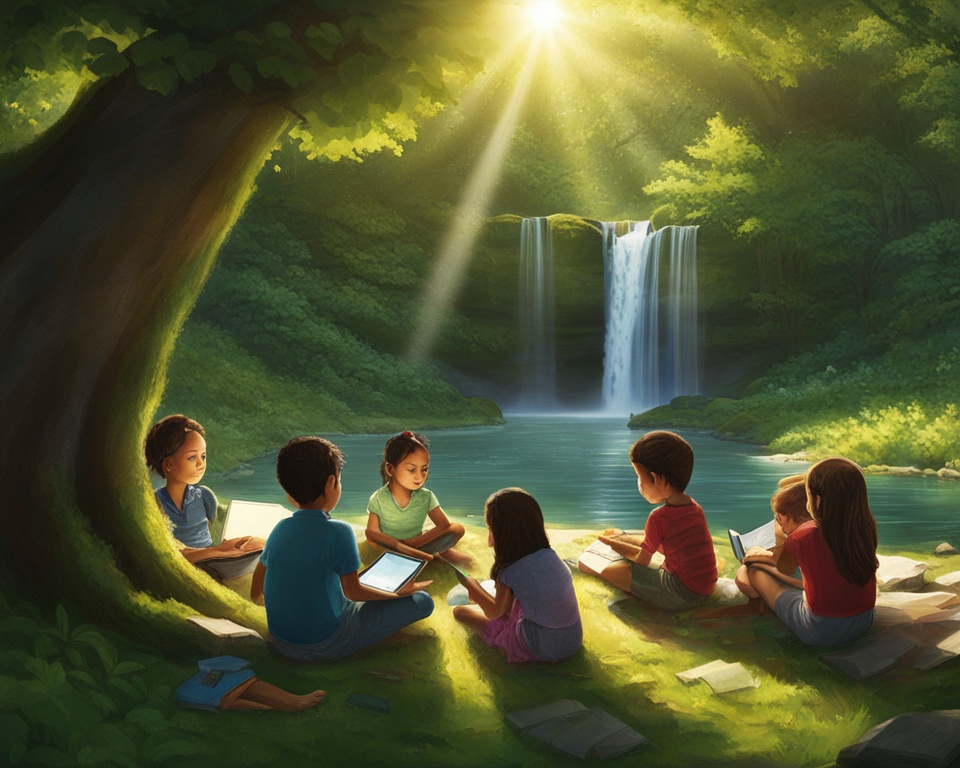
Can a child do well outside traditional classrooms and still enjoy Costa Rica’s rich culture? More families are looking into homeschooling in Costa Rica. This choice lets kids learn in a way that fits them best and adds to their education with culture and flexibility.
For expat families looking for different ways to educate their kids, Costa Rica is full of opportunities. They face legal and practical hurdles, but there are many resources and benefits to explore. This article will guide you through homeschooling in Costa Rica, covering laws, curriculum choices, and support from the community in this lively country.
Key Takeaways
- Homeschooling offers personalized learning tailored to each child’s strengths.
- Expats in Costa Rica can access various educational resources for homeschooling.
- Cultural immersion enhances the homeschooling experience.
- Legal considerations are crucial for successful homeschooling.
- Community support plays a vital role in the homeschooling journey.
- Flexible scheduling allows families to explore the diverse environment of Costa Rica.
Introduction to Homeschooling in Costa Rica
Homeschooling in Costa Rica is a popular choice for families looking for a different way to educate their kids. It offers a flexible approach that lets parents tailor learning to their family’s needs. This means kids can explore Costa Rica’s rich nature and culture at their own pace.
In Costa Rica, kids must go to school until they are 15, but they don’t have to stay in school after that. Most public schools teach in Spanish, which might be hard for those who don’t speak the language. Yet, there are private schools that cost between $200 and $825 a month.
Even though homeschooling isn’t officially recognized, there’s a strong community of homeschooling families. They use online resources like Time4Learning and K12 to help their kids learn. This way, families can give their kids a unique education despite the challenges they might face.
Choosing to homeschool in Costa Rica means registering your child with the Ministry of Education and keeping track of their progress each year. This approach allows for a personalized learning experience. It also lets families connect with their community and use local resources.
Understanding Homeschooling Laws in Costa Rica
Families thinking about homeschooling in Costa Rica should learn about the laws. Even though it’s technically illegal, many expat families homeschool because the laws are not strictly followed. Kids must go to school from age four to sixth grade. But, if parents have residency and legal enrollment, they can homeschool.
Costa Rica Homeschool Laws Explained
It’s important to understand the homeschooling laws in Costa Rica. Since homeschooling isn’t officially recognized, families face challenges. They look for online resources and community support to homeschool legally.
Many parents choose homeschooling for its flexibility. They want to give their kids a customized education. This way, they can teach in a way that suits their children best.
Enrolling in School vs. Homeschooling
Choosing between traditional schools and homeschooling depends on many factors. School enrollment follows official education rules. Homeschooling offers more control over what and how children learn.
This flexibility lets parents tailor education to their kids’ needs. Local homeschool groups offer support in making these choices. For more info, check out guides on homeschooling in Costa Rica.

About Homeschooling in Costa Rica
Homeschooling in Costa Rica is popular among families looking for a flexible way to educate their kids. It lets parents create a learning plan that matches their child’s interests and needs. This ensures education is fun and meaningful.
Customized Learning Experience
Parents who homeschool get to make lesson plans that play to their kids’ strengths. This method sparks curiosity and makes learning exciting. It covers many subjects, like local culture, wildlife, and language, making learning personal.
- Integration of real-world experiences.
- Ability to focus on individual talents and passions.
- Flexible pacing that adapts to the child’s learning speed.
Flexibility in Scheduling
Homeschooling means making your own schedule, not following traditional school times. Families can use Costa Rica’s beauty and community resources to enrich learning. Here are some ways to make the most of homeschooling flexibility:
- Planning field trips to national parks or cultural sites.
- Setting aside time for outdoor learning activities.
- Adjusting daily routines to suit the family’s lifestyle.
Costa Rica’s nature and culture make learning exciting for homeschooled kids. It turns education into an adventure, not a task.
Benefits of Homeschooling in Costa Rica
Homeschooling in Costa Rica offers many benefits for families. It lets parents customize lessons for each child’s needs. This makes learning more engaging and effective.
Individualized Instruction
Children get lessons that match their interests and speed. This ensures they understand material well before moving on. It also lets families pick curricula that suit their child’s learning style.
Integration of Cultural Experiences
Homeschooling here also means learning about local culture. Kids can experience traditions, languages, and nature up close. This helps them appreciate the world more.
Stronger Family Bonds
One big plus of homeschooling is it brings families closer. Working together on school tasks builds a supportive atmosphere. It boosts communication and teamwork, making family ties stronger.

Homeschooling Resources in Costa Rica
Homeschooling resources in Costa Rica are key for parents teaching at home. They offer a wide variety of tools for different needs and likes. Families use many educational methods to give their kids a full learning experience.
Online Educational Tools
Online tools are very popular with homeschooling families. They provide interactive learning, such as:
- Virtual classrooms
- Educational games
- Video lessons on various subjects
- Assessment and tracking tools
These online tools let parents make a learning plan that fits their child’s way of learning and interests. They also make learning fun with different media.
Curriculum Options Available
Parents have many curriculum choices for structured learning. They can pick from:
- Traditional textbooks and workbooks
- Online courses covering many subjects
- Project-based learning materials for hands-on learning
This choice helps parents tailor lessons to their child’s learning needs. Families can also find resources that match Costa Rican culture.
Local Libraries and Learning Centers
Local libraries and learning centers are great for homeschooling in Costa Rica. They offer:
- A wide range of books and educational materials
- Workshops and events for kids and parents
- Computers and tech resources
Using local libraries helps homeschooling families feel connected. It encourages sharing and working together. As more families choose homeschooling, these places become key for a richer learning experience.
Homeschooling Curriculum in Costa Rica
In Costa Rica, families have many homeschooling options. They can pick from different educational styles and needs. Homeschooling is legal, so parents can choose from classical education, Montessori, or unit studies. These choices are flexible, which is great for families with varied schedules and learning styles.
Popular Curriculum Choices
Many families in Costa Rica choose homeschooling programs that are both challenging and flexible. Some top picks are:
- A Beka
- Bob Jones University Press
- Sonlight
These options give parents the tools they need for successful homeschooling at home. They offer practical lessons and hands-on activities that make learning fun.
Incorporating Local Culture into Lessons
Adding local culture to homeschooling in Costa Rica makes learning more meaningful. Parents use the country’s rich culture to spark curiosity. They take field trips, learn local traditions, and explore nature. This approach enriches the learning experience and helps students connect with their community.
Resources like educational opportunities for expatriates offer insights into local culture. By including local culture in lessons, students develop a strong bond with their surroundings and community.

Homeschooling Activities in Costa Rica
Homeschooling in Costa Rica offers many chances for families to learn together. It focuses on nature, creativity, and making friends. This way, kids get a well-rounded education.
Exploring Nature and Wildlife
Nature is key in homeschooling here. Families visit national parks to see the amazing wildlife. Kids go hiking and learn about the environment and nature.
Community-Based Learning Opportunities
Learning with the community is important for homeschoolers. They join local programs for fun and learning. Kids take part in workshops, volunteer, and celebrate local traditions.
Creative Arts and Crafts
Doing arts and crafts helps kids express themselves. Families use local materials like natural fibers or clay. This teaches them about Costa Rican culture and traditions.

By doing different activities, parents make learning fun and engaging. It helps kids grow in all areas.
For more info and support, check out Life Project Education. It’s a great resource for homeschooling families.
Homeschooling Support in Costa Rica
Homeschooling support in Costa Rica is key for families on this path. It’s especially helpful for expatriates. Connecting with resources and communities makes homeschooling better.
Online Support Groups
Online homeschooling groups are a big help for parents. They’re a place to share tips, advice, and stories. Parents connect with others who understand their challenges.
These groups talk about what curriculum to use, fun activities, and where to find resources. They create a supportive space for homeschooling families.
Local Homeschooling Co-ops
Local homeschooling co-ops add more support. They bring homeschooling families together in Costa Rica. Kids get to learn and socialize with others.
Parents work together on lessons, share resources, and plan field trips. This helps kids enjoy learning more.

Homeschooling Costs in Costa Rica
For families thinking about homeschooling, knowing the costs is key. The price of homeschooling in Costa Rica changes based on the curriculum, resources, and extra activities.
Budgeting for Materials and Resources
It’s important to plan a budget for homeschooling. You’ll need to pay for things like:
- Curriculum materials, which can vary greatly in price
- Educational subscriptions for online platforms
- Extracurricular activities, such as sports and arts
- Field trips and educational travel experiences
Planning for these costs helps make homeschooling go smoothly.
Comparing Costs with Traditional Education
Looking at costs between homeschooling and traditional schools is important. Private schools can cost a lot, often over $10,000 a year. You also have to think about uniforms and other fees.
But, homeschooling might be cheaper if you use free or low-cost resources and join learning groups. It’s key to think about the benefits of each option to make a good choice. In Costa Rica, homeschooling’s flexibility and tailored learning might be worth the cost.

Challenges of Homeschooling in Costa Rica
Homeschooling in Costa Rica has its perks but also faces unique challenges. A big challenge is understanding the legal side. Since homeschooling is not allowed, kids aged 4 to 12 must go to school. Parents need to know the laws to avoid legal trouble. For more info, check out this link on legal requirements.
Legal Considerations
In Costa Rica, homeschooling laws can be confusing for parents. Unlike some places, homeschooling is not accepted here. This means parents might struggle to get their kids into certain jobs or access professional education. The lack of legal homeschooling can make families think twice about this choice, reducing educational variety.
Socialization Opportunities for Homeschooled Children
Getting homeschooled kids to socialize can be tough. They don’t get to see their friends every day like regular school kids do. Parents must work hard to get them involved in clubs, sports, and community events. This helps kids meet new people and develop social skills.

Homeschooling in Costa Rica vs Traditional Schooling
In Costa Rica, families have choices when it comes to their children’s education. They can pick between homeschooling and traditional schooling. Homeschooling lets parents customize their child’s learning. Traditional schools offer a set curriculum and social life for students.
Comparative Analysis of Educational Approaches
Looking at schooling options, consider things like curriculum flexibility and costs. Traditional private schools in Costa Rica cost between $300 to $1,000 a month. The Guanacaste Waldorf School has about 100 students, while CRIA has 18 students from ages 2 to 18.
Other schools like Dolphing Academy and Lakeside International School offer more than just classes. They also have extracurricular activities.
- Educarte Bilingual High School focuses on bilingual skills and offers activities in theatre, painting, soccer, and French.
- In beach towns, families often stay less than five years, making the educational scene more changeable.
- The Central Valley near San Jose is different, with modern facilities and a wide range of educational resources.
Long-Term Outcomes for Homeschooled vs. Traditionally Schooled Children
Studies show that homeschooled kids often do well in learning on their own and thinking critically. The choices families make affect their children’s development. Traditional schools give kids social benefits but might not offer as much one-on-one attention.

Homeschooling in the Expat Community in Costa Rica
Homeschooling in Costa Rica’s expat community lets families connect with others on similar educational paths. They meet at local events, online, and through organized meet-ups. This helps them connect with other homeschooling families. Such networks offer both emotional and practical support in homeschooling’s ups and downs.
Connecting with Other Homeschooling Families
Expats often look for community in a new country. Homeschooling groups provide a strong support system. Families share experiences, advice, and learn about educational resources in Costa Rica. These groups help build friendships that go beyond school.
Resource Sharing and Collaboration
Being part of a homeschooling network means sharing resources. Families swap curricula, tools, and even plan learning activities together. These partnerships improve homeschooling and offer cultural exchange. Everyone learns more, making education richer for all.

Conclusion
Homeschooling in Costa Rica is a great choice for expat families who want a flexible education for their kids. It lets parents shape their child’s learning to fit their interests and how they learn best. With many resources available, like support groups and online learning tools, families have everything they need to guide their kids’ education.
Adding cultural lessons to homeschooling makes it even more valuable. Families can learn about Costa Rican traditions and culture. Schools like Costa Rica International Academy and La Paz Community School offer bilingual programs that help expats find the right education for their kids. This also means parents can connect with others who homeschool, making it less lonely.
Starting this homeschooling journey helps families grow closer and learn together. Homeschooling in Costa Rica offers unique experiences that help kids grow personally and understand the world better. This way of learning can really benefit both kids and their families, preparing them for the future.
FAQ
What are the homeschooling laws in Costa Rica?
What curriculum options are available for homeschooling in Costa Rica?
Are there support groups for homeschooling families in Costa Rica?
What are some benefits of homeschooling in Costa Rica?
How can families budget for homeschooling costs in Costa Rica?
What types of activities can homeschooling families engage in within Costa Rica?
How do homeschooling families ensure socialization for their children?
What is the primary difference between homeschooling and traditional schooling in Costa Rica?
Source Links
- https://crie.cr/child-education-options-for-expats-in-costa-rica/
- https://immigrationexpertscr.com/education-in-costa-rica-navigating-schools-for-expat-children/
- https://crie.cr/costa-rica-schools-for-expats/
- https://www.expatfocus.com/costa-rica/articles/homeschooling-in-costa-rica-a-realistic-option-for-expats-5549
- https://crie.cr/is-there-homeschooling-in-costa-rica/
- https://crie.cr/homeschooling-in-costa-rica/
- https://www.welovecostarica.com/costa-rica-schools-home-schooling/
- https://beacon.education/homeschooling-in-south-america/
- https://www.twoweeksincostarica.com/moving-costa-rica-kids/
- https://startabroad.com/locations/costa-rica-country-guide/costa-rica-schools/
- https://costaricaliving.groups.io/g/main/topic/homeschooling_in_costa_rica/73110580
- https://howlermag.com/2017/09/lifestyle-feature-raising-child-costa-rica/
- https://www.expatexchange.com/wp/infoguide/11285/Costa-rica/homeschooling-in-costa-rica/
- https://hslda.org/post/homeschooling-helps-costa-rica-family-overcome-health-struggles
- https://crie.cr/homeschooling-in-costa-rica-a-guide-for-parents/
- https://www.colypro.com/wp-content/uploads/2022/05/Inf.-Homeschool.pdf
- https://www.expatexchange.com/ctryguide/20899/33/Costa-Rica/Education-in-Costa-Rica-Homeschooling-in-Costa-Rica
- https://www.cinde.org/en/essential-news/wall-street-journal-costa-rica-a-wild-homeschooling-alternative
- https://www.workaway.info/en/host/844888659891
- https://www.centralamerica.com/living/legal/is-homeschooling-legal-central-america/
- https://www.spanish.academy/blog/homeschooling-in-latin-america/
- https://tropicalhomesofcostarica.com/blog/guanacaste-lifestyle-costa-rica-education-options-for-your-children/
- https://nomadcapitalist.com/global-citizen/best-countries-for-homeschooling/
- https://www.makecostaricahome.com/post/livingincostarica
- https://www.puravidamoms.com/best-places-to-live-with-family/
- https://www.nosara.com/five-reasons-to-move-with-your-family-to-costa-rica/
- https://www.puravidamoms.com/living-abroad-costa-rica/
- https://flamingobeachrealty.com/moving-to-the-beach-your-guide-to-schools-in-guanacaste-costa-rica/
- https://www.21kschool.com/in/blog/homeschooling-curriculum/
Article by Glenn Tellier (Founder of CRIE and Grupo Gap)
Don't wait, contact us right now!
Call or WhatsApp Costa Rica +506 8373 2085 or +506 8706 3888
Call USA/Canada +1 305-906-6784