
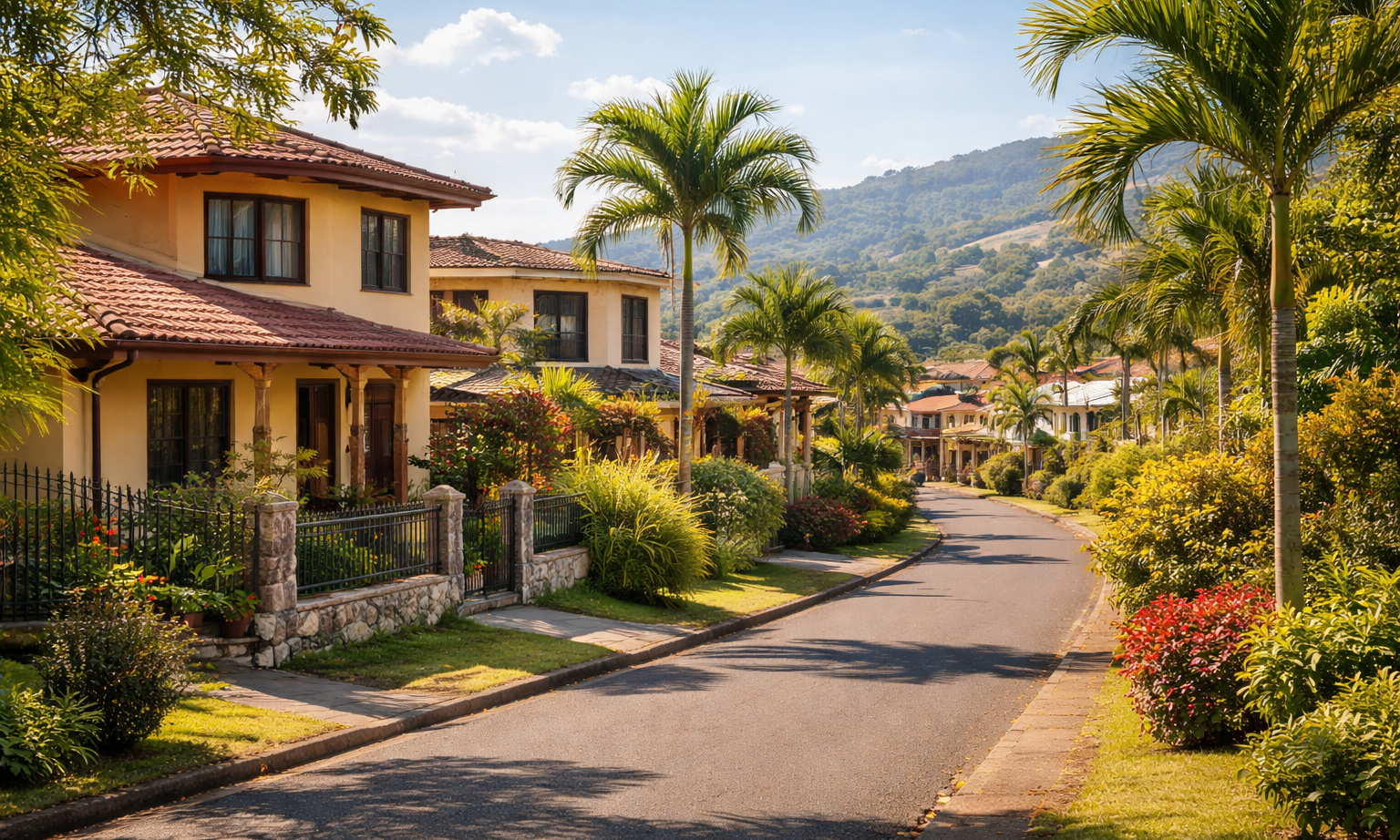
If you’re planning to spend time in Costa Rica—or you’re preparing for a longer stay—housing is usually one of the first practical questions. The rental market here is very doable, but it works a bit differently than what many people are used to in Canada or the United States, especially when it comes to availability, lease terms, and how quickly things move.
This guide explains the main rental and housing options in Costa Rica, what’s common in different areas, and a few practical points that help you avoid surprises.
The Main Types of Rentals You’ll See
Short-term rentals
Short-term rentals are typically fully furnished and set up for immediate move-in. They’re common in beach areas and popular expat regions, and they’re often used by people who want to “test” a location before committing to something longer. This is also a common approach for newcomers who want time to learn the neighborhoods and daily logistics.
Medium-term rentals
Medium-term rentals (often a few months) are common for people who are relocating, building a home, or transitioning between areas. These may be furnished or semi-furnished depending on the region and the owner’s preferences.
Long-term rentals
Long-term rentals are typically the best value for people who already know where they want to live. In many areas, long-term rentals can be unfurnished, semi-furnished, or furnished, and the “standard” expectation varies by region. Long-term options are more common in the Central Valley and in established residential neighborhoods.
Furnished vs. Unfurnished: What “Unfurnished” Can Mean
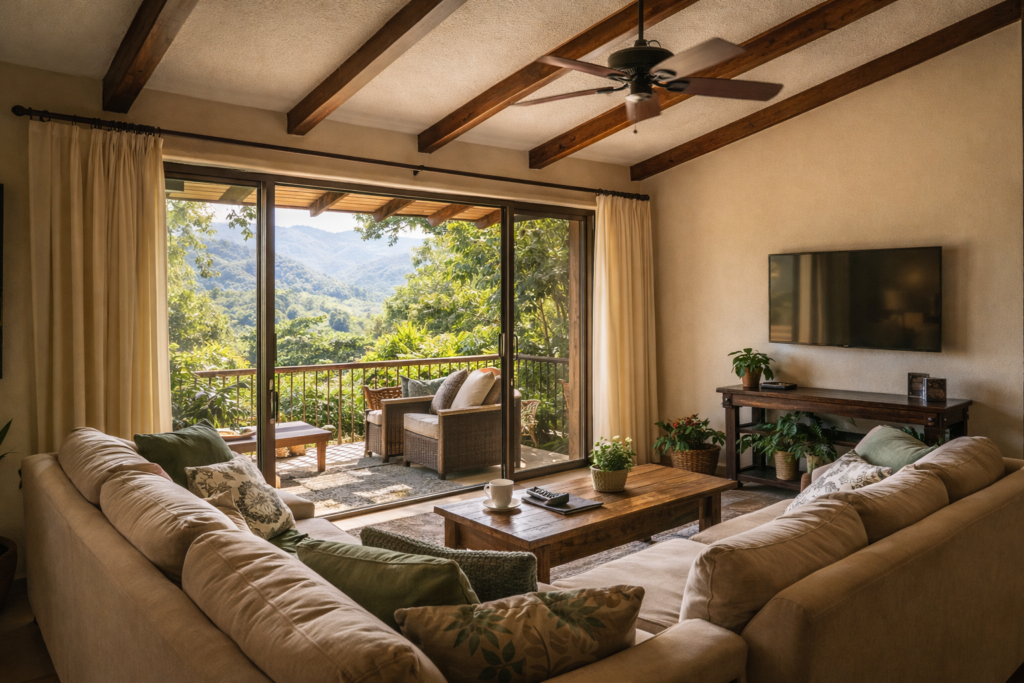
In Costa Rica, “unfurnished” doesn’t always mean the same thing everywhere. Some rentals may come with appliances, while others may not. Some places include basic kitchen items; others are completely empty. It’s important to clarify exactly what is included, especially if you’re comparing rentals in different towns or provinces.
Common Housing Styles
Apartments and condos
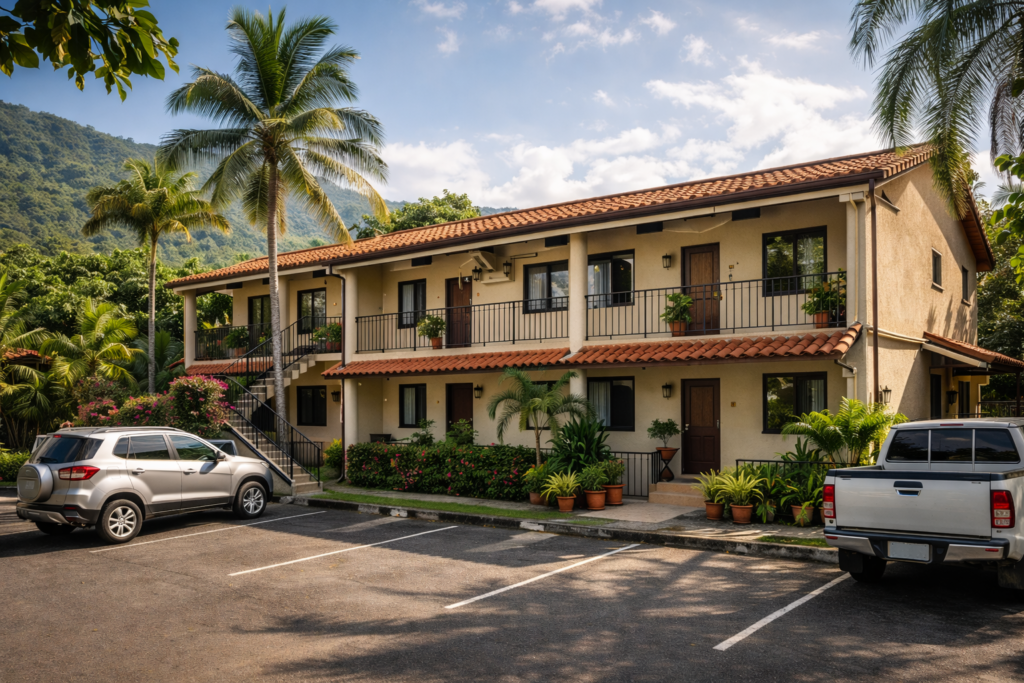
Condos and apartments are popular in areas like Escazú, Santa Ana, Rohrmoser, Heredia, and parts of the Central Valley. These can be convenient if you want amenities, security, and walkable access to shops or services. Buildings and gated communities often have rules, so it’s worth confirming policies on guests, pets, parking, and noise.
Standalone homes
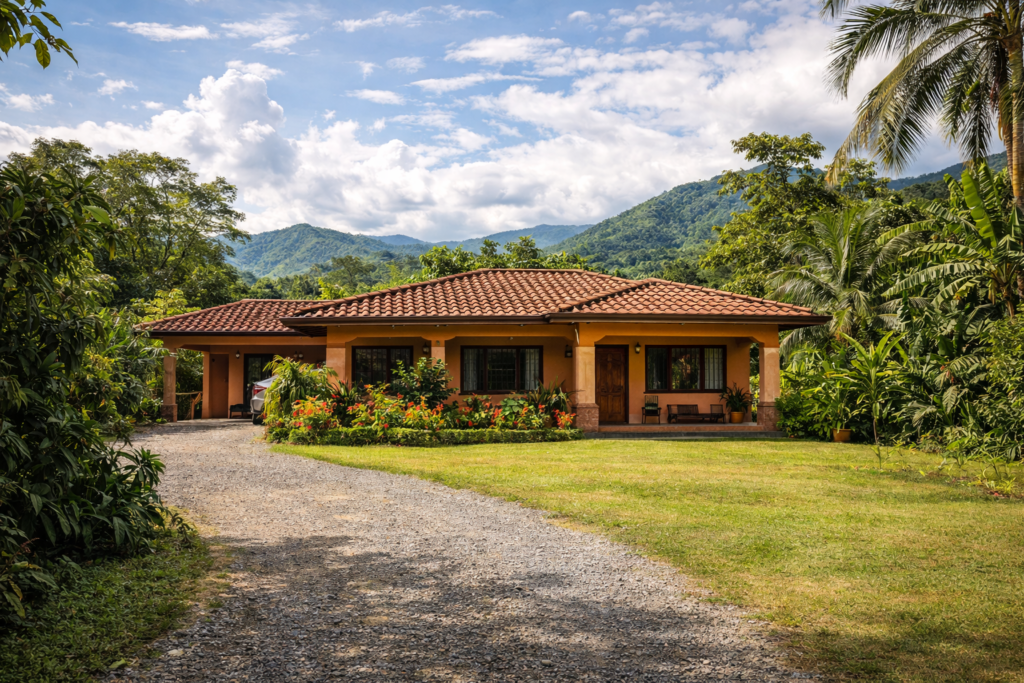
Standalone homes are common across the country and can range from simple local-style homes to larger properties. In many areas, houses offer more privacy and outdoor space, but you may have additional responsibilities such as garden care or dealing with occasional utility issues.
Rural and mountain homes
Mountain and rural areas can be quiet, cooler, and very scenic, but internet quality, road access, and distance to services can vary widely. If you rely on stable connectivity or want quick access to hospitals, shopping, or schools, those details should be checked early.
How Lease Terms Typically Work
Lease terms can vary depending on the owner, the area, and whether the place is furnished. Some rentals are flexible and informal; others are more structured. Either way, it’s smart to have clear written terms so everyone is aligned on the basics like duration, utilities, maintenance responsibilities, and what happens if either side needs to end the arrangement early.
If you are signing anything, make sure you understand what you’re agreeing to before you hand over money or commit to move-in dates.
Utilities, Internet, and Practical “Day One” Checks
Before committing to a rental, it helps to verify practical items that can affect daily life. Internet speed and stability matter a lot for remote workers. Water pressure and water availability can vary by area. Parking, noise levels, and local traffic patterns can also feel very different depending on the neighborhood.
If you’re not already in the country, it’s common to start with a short-term rental first so you can see how the area actually feels during daytime, nighttime, weekdays, and weekends.
Regional Differences That Matter
Costa Rica is small on the map, but living experiences can be very different between regions. The Central Valley is often chosen for access to services and infrastructure. Beach towns can be wonderful but may have more seasonal demand and changing availability. Mountain towns can be cooler and calmer but may require more planning for transportation and errands.
There isn’t one “best” place to rent. The right location depends on your routine, priorities, and the kind of daily environment you want.
Legal Stay Basics While You’re House-Hunting
If you’re coming to Costa Rica to look for housing, it’s important to plan around your legal stay status. Many people begin while on a tourist stay or a temporary status. If you’re looking at the Digital Nomad visa, it’s also important to understand that the Digital Nomad visa does not count toward legal residency.
If your long-term goal is to remain in Costa Rica permanently, you’ll want to match your housing plan with the residency path you intend to pursue.
Frequently Asked Questions
Should I rent short-term before signing a long-term lease?
Often, yes. A short-term rental gives you time to learn neighborhoods, verify internet and daily logistics, and avoid committing to a location that doesn’t fit your routine.
Is it normal to find rentals quickly in Costa Rica?
In some areas, yes—especially when you are already in-country and can view options quickly. In other areas, availability can be seasonal and move fast, so flexibility helps.
Do furnished rentals exist outside tourist areas?
Yes, but the selection varies by location. In the Central Valley, furnished rentals are available, but “furnished” can range from basic to fully equipped, so details matter.
If I’m planning residency, does my rental choice affect my application?
In general, residency approval is based on immigration requirements and documentation, not the type of rental you choose. What matters most is that your overall plan matches your legal stay and residency strategy.
Planning Housing the Smart Way
Renting in Costa Rica is absolutely manageable, but the best approach is usually to start with flexibility, confirm practical details early, and choose a location based on how you actually live day to day. If your plan includes a long-term stay, aligning your housing timeline with your immigration strategy helps you avoid unnecessary stress later.
Article by Glenn Tellier (Founder of CRIE and Grupo Gap)
Don't wait, contact us right now!
Call or WhatsApp Costa Rica +506 8373 2085 or +506 8706 3888
Call USA/Canada +1 305-906-6784