
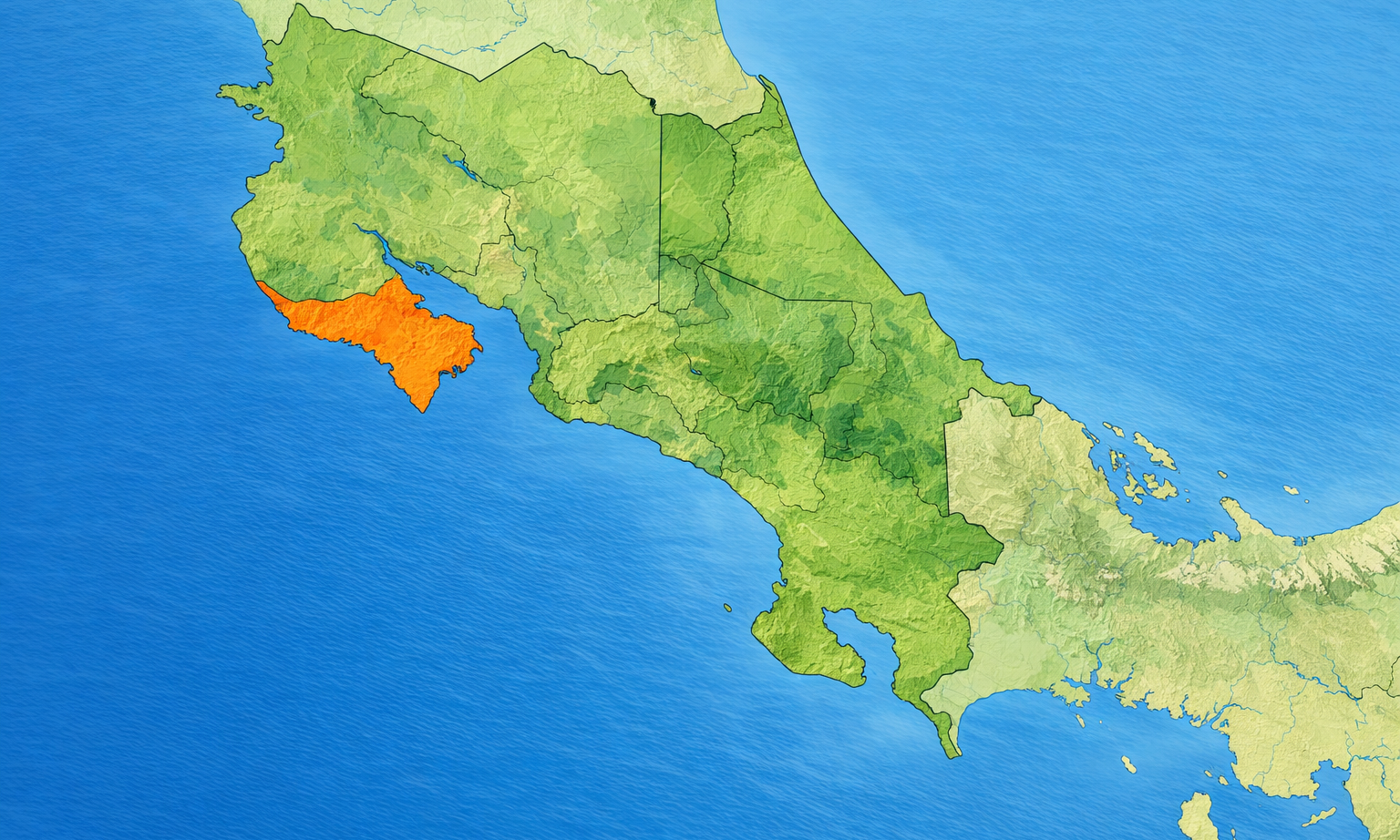
Costa Rica is frequently mentioned in discussions about quality of life, longevity, and healthy aging. One reason is the presence of a recognized “Blue Zone” in the country. People exploring long-term living options in Costa Rica often ask whether Blue Zones are real, where they are located, and whether living near one has any impact on residency or legal stay.
This article explains what Blue Zones are, where Costa Rica’s Blue Zone is located, and how this topic fits into residency planning, without overstating lifestyle or health claims.
What Are Blue Zones?
The term “Blue Zone” is used to describe regions of the world where people are statistically reported to live longer than average, often with lower rates of certain age-related conditions. These areas were identified through demographic and population studies, not immigration or residency programs.
Blue Zones are typically discussed in the context of lifestyle patterns, community structure, and daily habits. They are not official government designations and they do not confer any legal or immigration status.
Costa Rica’s Blue Zone: Nicoya Peninsula
Costa Rica’s recognized Blue Zone is located on the Nicoya Peninsula, in the northwestern part of the country. This area includes parts of Guanacaste Province and is largely made up of smaller towns and rural communities.
The Nicoya Blue Zone is often referenced in research focused on longevity trends among older residents who have lived in the region for most of their lives. These studies typically focus on long-term residents, not newcomers or recent arrivals.
Do Blue Zones Have Any Legal or Immigration Status?
No. Blue Zones have no legal meaning under Costa Rica’s immigration law.
Living in or near a Blue Zone does not provide:
• residency eligibility
• immigration benefits
• faster approvals
• special visa categories
Residency in Costa Rica is granted only through established legal categories defined by immigration authorities, regardless of where a person chooses to live within the country.
Why Residency Applicants Ask About Blue Zones

People considering Costa Rica residency often research lifestyle factors such as climate, healthcare access, pace of life, and community environment. Blue Zones are frequently mentioned in articles and documentaries, which leads applicants to ask whether these areas are better suited for retirement or long-term living.
From an immigration standpoint, Blue Zones are simply geographic areas. Residency approval is based on documentation, financial qualification, and compliance with immigration rules, not on lifestyle preferences or location.
Residency Options for Those Interested in Long-Term Living in Costa Rica
If someone is drawn to Costa Rica for quality-of-life reasons, including interest in Blue Zone regions, they must still qualify under a formal residency category.
Common residency pathways include Pensionado residency (residency-for-retirees), Rentista residency for those with qualifying foreign income, Investor residency based on a qualifying personal investment, and Family Ties residency for those with close Costa Rican relatives.
Each category has specific requirements, and location within Costa Rica does not change those requirements.
Does the Digital Nomad Visa Apply to Blue Zone Living?

The Digital Nomad visa allows qualifying foreign nationals to stay in Costa Rica for a defined period while working remotely. However, it is important to be clear that the Digital Nomad visa does not count toward legal residency.
Someone living in Costa Rica under a Digital Nomad visa, even if they reside near a Blue Zone, does not accumulate residency time. Those planning a permanent or long-term move must transition into a recognized residency category.
Choosing Where to Live After Residency Approval

Once residency is approved, residents are free to live anywhere in Costa Rica, including areas associated with Blue Zones. Housing availability, infrastructure, access to services, and personal preferences often play a larger role in location choice than longevity studies.
Many residents ultimately choose locations based on proximity to healthcare, family, climate preferences, or community size rather than Blue Zone status alone.
Frequently Asked Questions
Does living in a Blue Zone increase my chances of getting residency?
No. Residency decisions are based solely on meeting immigration requirements. Location has no influence on approval.
Is Nicoya the only Blue Zone in Costa Rica?
Yes. The Nicoya Peninsula is the only region in Costa Rica commonly referenced as a Blue Zone in published studies.
Can retirees apply for residency because Costa Rica has Blue Zones?
No. Retirees must qualify under an established residency category, such as Pensionado residency, regardless of lifestyle interests.
Does the government promote Blue Zones for immigration purposes?
No. Blue Zones are not part of Costa Rica’s immigration framework and are not promoted as residency incentives.
If I live in a Blue Zone on a tourist stay, does that help later?
No. Tourist stays and location do not create residency rights or count toward future residency eligibility.
Understanding Lifestyle Interest Versus Legal Residency
Interest in Costa Rica’s Blue Zones often reflects broader questions about lifestyle and long-term living. While these topics are valid when planning a move, immigration approval depends on legal criteria, not lifestyle research.
If you’d like to better understand which residency category may apply to your situation and how long-term plans fit within Costa Rica’s immigration framework, speaking directly with an immigration expert can help clarify the options.
Article by Glenn Tellier (Founder of CRIE and Grupo Gap)
Don't wait, contact us right now!
Call or WhatsApp Costa Rica +506 8373 2085 or +506 8706 3888
Call USA/Canada +1 305-906-6784