
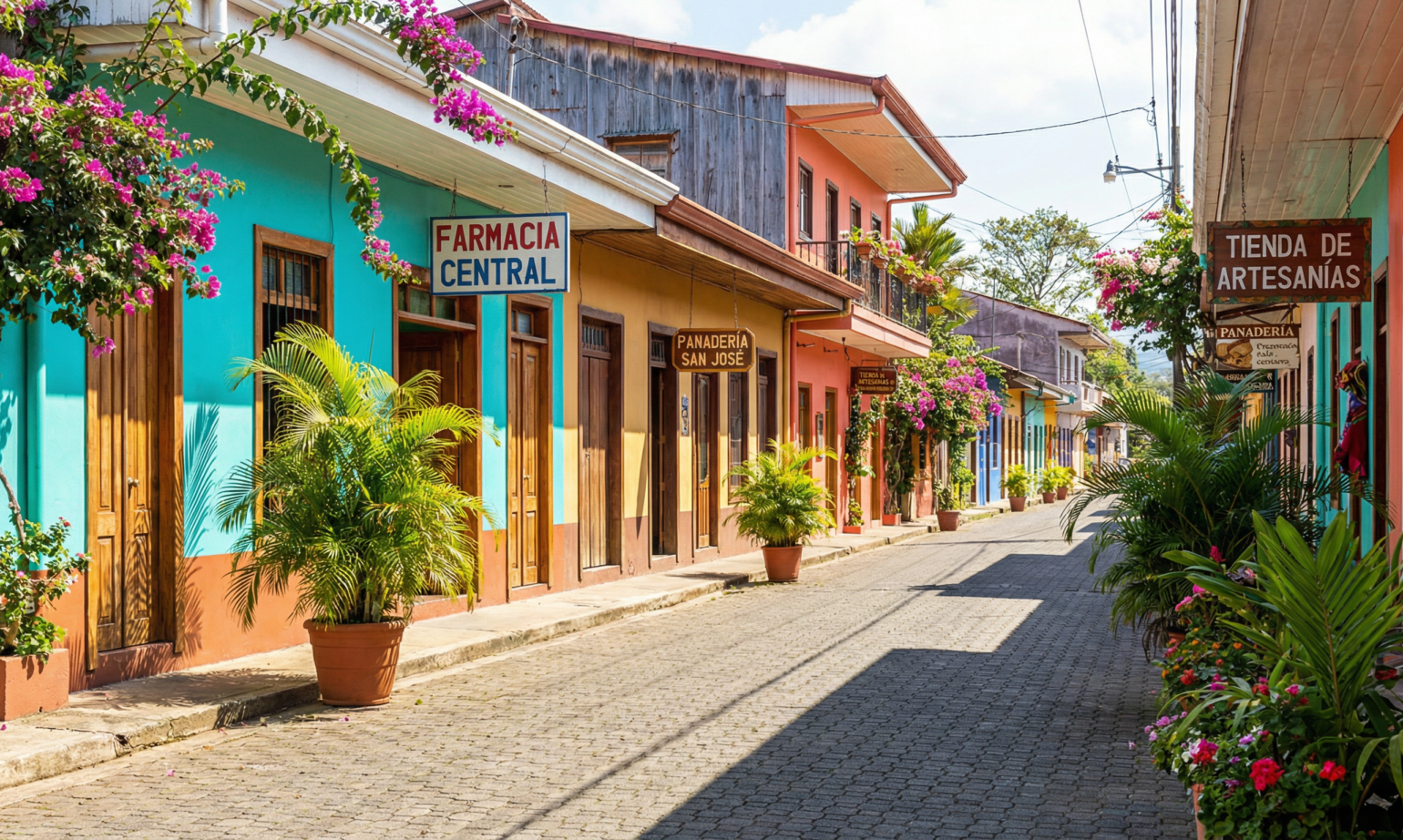
Planning a move or an extended trip to Costa Rica often brings up a critical question: “Do I really need to speak Spanish?” The answer isn’t a simple yes or no. While Spanish is the official language, the degree to which you’ll need it depends heavily on where you go, what you do, and the level of cultural immersion you seek. As of 2026, Costa Rica remains a welcoming destination for English speakers, but a little Spanish goes a long way in transforming a good experience into a great one.
This guide provides a realistic look at the language landscape in Costa Rica, helping you prepare for a smooth and enriching journey. Whether you’re exploring residency options with CRIE or considering an investment through GAP Investments, understanding the local language is a key part of your due diligence.
The Official Language and Its Role in Daily Life
Spanish is the lifeblood of Costa Rica. It’s the language of government, business, and everyday social interactions. While English is increasingly common, especially in tourist-heavy areas, stepping outside these zones reveals a world where Spanish is not just helpful but essential. From negotiating with local vendors to understanding official documents, proficiency in Spanish unlocks a deeper level of engagement with the country.
For those looking to invest in property through GAP Real Estate, for example, being able to communicate directly with local agents and understand property documents can provide a significant advantage. Similarly, if you’re seeking a loan for a property, understanding the terms discussed with a lender from GAP Equity Loans is crucial.
When English is Enough: The Tourist Corridor
In Costa Rica’s primary tourist destinations, you can comfortably get by with English. Areas like Manuel Antonio, Nosara, Tamarindo, and the Papagayo Peninsula are accustomed to international visitors. Here, you’ll find that hotel staff, tour guides, and restaurant workers often have a functional command of English. The tourism industry is a major economic driver, and English proficiency is a valuable skill.
However, relying solely on English, even in these areas, can limit your experience. You might miss out on conversations with local artisans, fail to catch the nuances of a cultural event, or find yourself paying “tourist prices” without the ability to negotiate politely in the local tongue.
When Spanish Becomes Essential
Moving beyond the tourist bubble reveals the true value of speaking Spanish. Here are scenarios where English alone may not be sufficient:
- Rural and Remote Areas: In small towns and off-the-beaten-path locations, English is far less common. Simple tasks like asking for directions, buying groceries, or getting help with a flat tire become significantly more challenging without Spanish.
- Dealing with Government Agencies: If you’re pursuing residency, dealing with the Dirección General de Migración y Extranjería (DGME), or handling any official paperwork, all documentation and communication will be in Spanish. While a service like CRIE can handle this for you, understanding the process yourself is empowering.
- Business and Professional Settings: For those looking to start a business or work in Costa Rica, Spanish is a professional necessity. It’s the language of contracts, negotiations, and workplace communication.
- Healthcare: While private hospitals in San José often have English-speaking staff, public clinics (EBAIS) and regional hospitals primarily operate in Spanish. In a medical emergency, being able to communicate your symptoms clearly is vital.
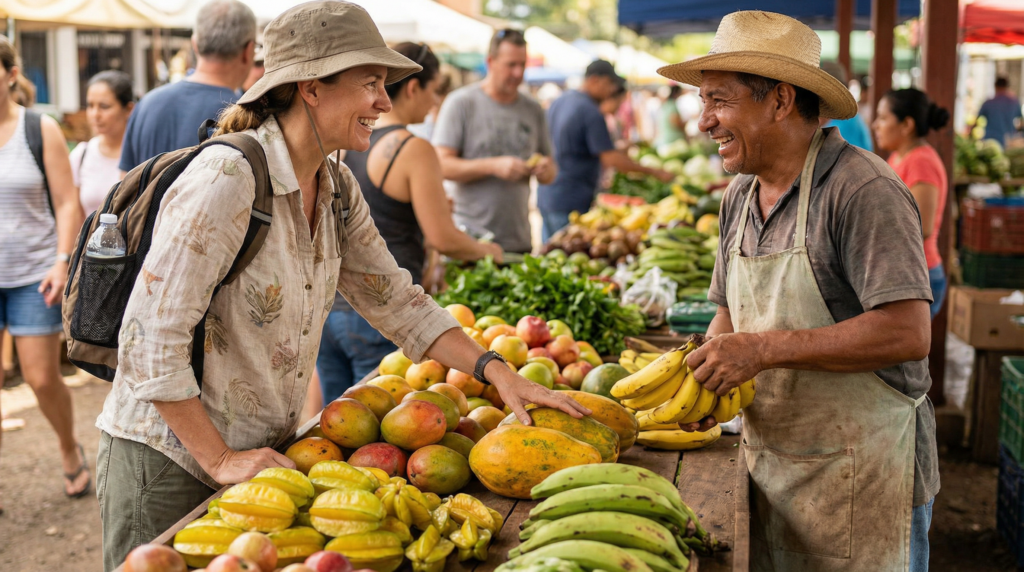
Practical Spanish: Key Phrases for Everyday Life
Learning a few key phrases can dramatically improve your interactions. Costa Ricans, or “Ticos,” are known for their friendliness and appreciate when visitors make an effort to speak their language.
Greetings and Courtesies
- Buenos días / Buenas tardes / Buenas noches: Good morning / afternoon / evening.
- Mucho gusto: Nice to meet you.
- Con permiso: Excuse me (when passing someone).
- Gracias / Con mucho gusto: Thank you / You’re very welcome.
- Pura Vida: The quintessential Costa Rican phrase, meaning “pure life.” It’s used as a greeting, a farewell, and a way to say everything is great.
Navigational and Transactional Phrases
- ¿Dónde está…? Where is…?
- ¿Cuánto cuesta? How much does it cost?
- La cuenta, por favor: The bill, please.
- Quisiera… I would like…
The Advantage of Language in Business and Investment
For investors and entrepreneurs, speaking Spanish provides a distinct competitive edge. It facilitates networking, builds trust with local partners, and allows for a more accurate understanding of the market. Whether you are exploring project funding with GAP.cr or managing a local team, language proficiency is a powerful tool for success.

Learning Spanish: Resources and Tips
For English speakers, Spanish is one of the easier languages to learn due to shared Latin roots. Here are some effective ways to get started:
- Language Apps: Duolingo, Babbel, and Memrise are excellent for building vocabulary and basic grammar.
- Immersion Schools: Costa Rica has numerous reputable language schools, offering intensive programs that combine classroom learning with cultural activities.
- Practice with Locals: Don’t be afraid to make mistakes. Ticos are generally patient and encouraging. Engaging in simple conversations is the fastest way to improve.
Conclusion: A Bridge to a Richer Experience
While it’s possible to navigate the tourist areas of Costa Rica with only English, doing so means you’ll only be scratching the surface. Learning Spanish, even at a basic level, acts as a bridge to a deeper, more authentic connection with the country and its people. It enriches your daily life, empowers you in official and business matters, and allows you to fully embrace the Pura Vida lifestyle.
For those serious about making Costa Rica their home, investing the time to learn the language is one of the most valuable investments you can make. It’s a sign of respect for the local culture and the key to unlocking a truly integrated and fulfilling life in this beautiful country.

Frequently Asked Questions
Can I get by in Costa Rica with just English?
In major tourist areas, yes. Hotels, tour operators, and many restaurants have English-speaking staff. However, outside of these zones, in rural areas or for official business, Spanish is essential.
How widely is English spoken in Costa Rica?
English is common in the tourism industry and among younger, educated Costa Ricans. However, it is not universally spoken, and you should not expect everyone you meet to understand English.
Is it difficult for English speakers to learn Spanish?
Spanish is considered one of the easier languages for native English speakers to learn due to shared vocabulary and similar sentence structures. With consistent effort, achieving conversational fluency is a realistic goal.
Will knowing Spanish help me with residency?
While not a formal requirement for most residency categories, speaking Spanish is incredibly helpful. All official documents and appointments with immigration will be in Spanish. Services like CRIE can manage this, but personal understanding is beneficial.
What is the most important Spanish phrase to know in Costa Rica?
“Pura Vida.” It’s more than a phrase; it’s a philosophy. It means “pure life” and is used for everything from “hello” and “goodbye” to “everything’s great.”
Do I need Spanish for business or investment in Costa Rica?
Yes. For any serious business or investment venture, Spanish is crucial for negotiating contracts, managing staff, and building relationships with local partners. It is a key tool for success.
Costa Rica Immigration Experts (CRIE) Disclaimer: Costa Rica Immigration Experts (CRIE) specializes exclusively in immigration and residency matters. This article is for general informational purposes only and does not constitute expert advice on linguistics or cultural studies.
AI Image Disclaimer: Images in this article are AI-generated for illustrative purposes and reflect realistic scenarios in Costa Rica.
Article by Glenn Tellier (Founder of CRIE and Grupo Gap)
Don't wait, contact us right now!
Call or WhatsApp Costa Rica +506 8373 2085 or +506 8706 3888
Call USA/Canada +1 305-906-6784