
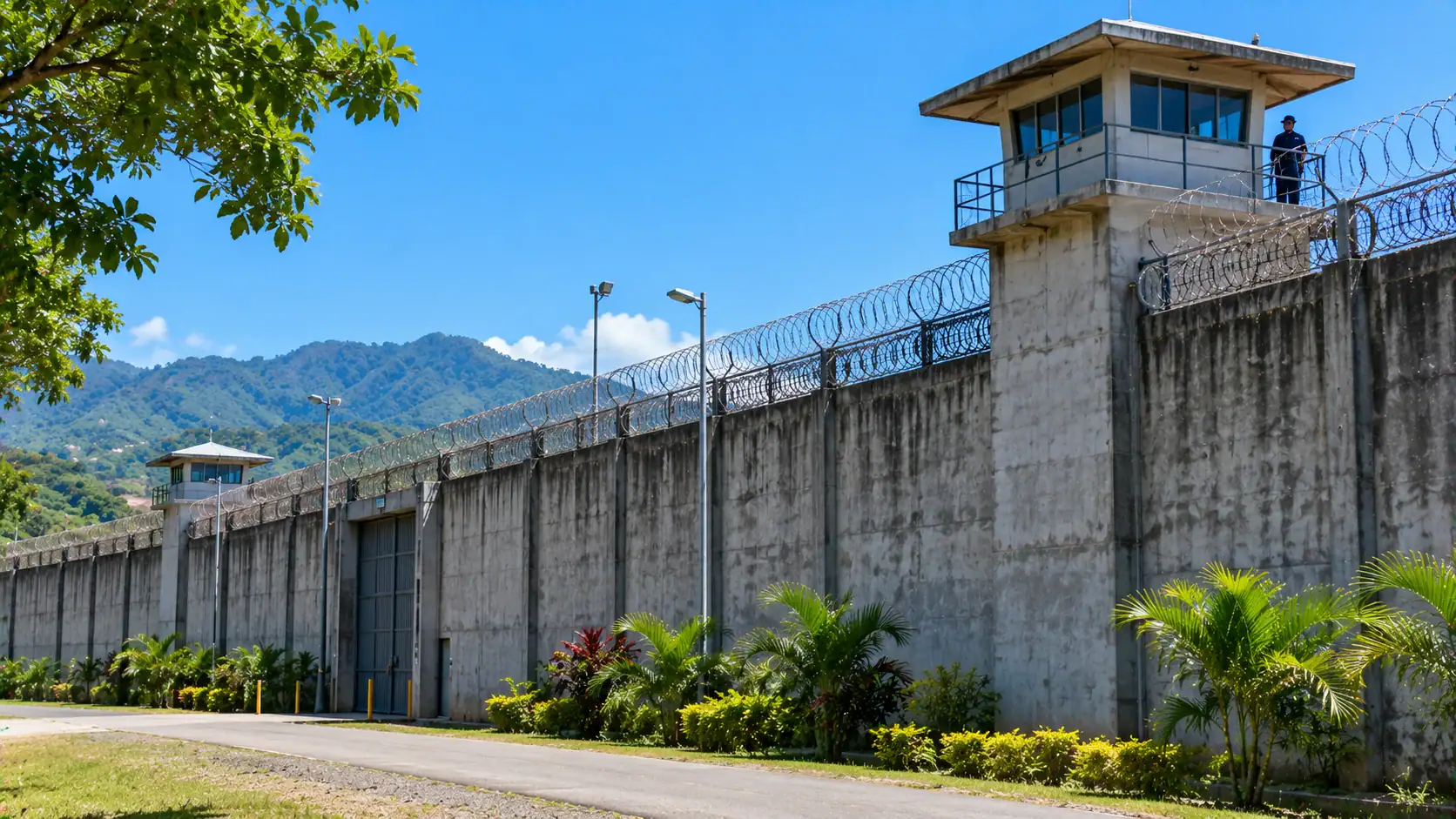
Costa Rica’s prisons face serious overcrowding, but conditions differ between facilities and security regimes. A police holding cell, pretrial detention and a prison sentence are different situations. For a detained person, prompt legal representation matters more than a general description of prison life.
Who runs Costa Rica’s prisons?
The Ministry of Justice and Peace administers the prison system through the Dirección General de Adaptación Social. Its official information explains institutional and other forms of supervision. Courts decide detention and sentencing; consulates do not control those decisions.
Overcrowding: a dated snapshot
The MNPT’s 2025 annual-report summary includes figures for February 28, 2026: 19,453 people in closed facilities with capacity for 13,289. That is 6,164 people above capacity, or 46.4% overcrowding. These are dated figures, not a live population count.
The report lists 5,034 people in pretrial detention, compared with 2,564 in 2022. Pretrial detention is not a conviction.
What are conditions like?
The MNPT reported infrastructure and sanitation problems at inspected facilities, including water-supply failures in some Marcus Garvey modules. It also identified positive practices, including respectful treatment and low violence at particular facilities despite crowding.
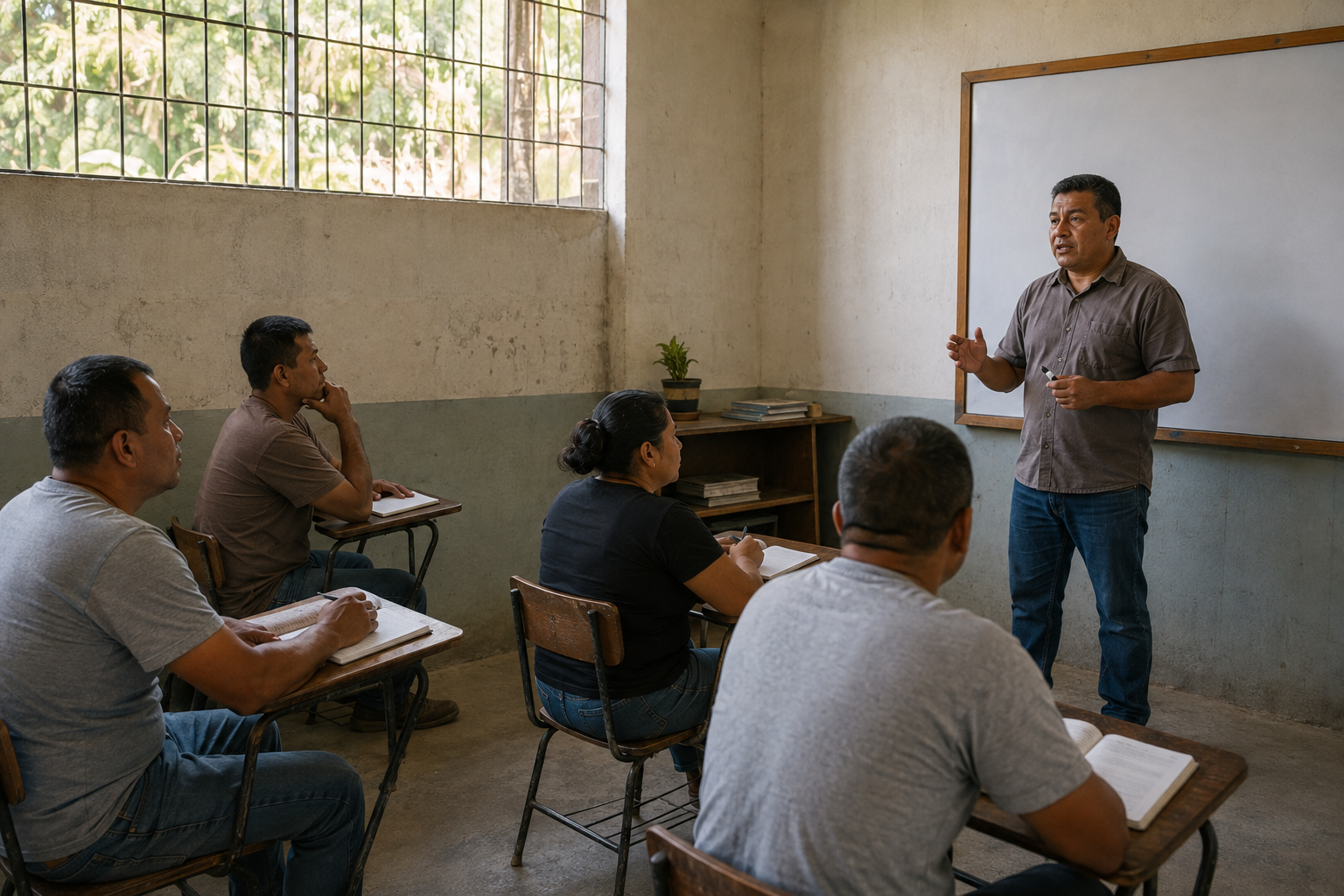
Its findings concerning the high-containment regime include restrictions on family contact and education. These should not be presented as the rules for every prison. The report supports concern about conditions, while also showing why sweeping claims about all facilities are misleading.
Pretrial detention and legal safeguards
Arrest does not automatically mean a prison sentence. A judge must assess the legal basis for continued detention and applicable alternatives.
A 2025 Constitutional Chamber decision explains the distinction between placing a detainee before the competent judicial authority within 24 hours and the judicial period for deciding preventive detention under Article 238 of the Criminal Procedure Code. These are separate procedural stages, not a promise of release after a single countdown.
Detention limits, extensions and challenges depend on the proceedings. A criminal defence lawyer should calculate the applicable deadlines from the actual case record. Do not use a general article to decide that a particular detention is lawful or unlawful.
Access to a lawyer
The Poder Judicial’s Defence Pública service explains how adults facing criminal proceedings can request representation. If you cannot afford a private lawyer, ask immediately about assignment of a public defender.
Public defence is not necessarily free for a person who has the means to pay: the judiciary’s explanation notes that a financially solvent person may need to appoint private counsel or pay for the service. Ask your defender about your circumstances.

What can an embassy do?
Foreign nationals should ask the authorities to notify their consulate and request consular assistance. For U.S. citizens, the State Department describes help such as providing lawyer lists, contacting family with consent and visiting detainees. Consular officers cannot act as the defence lawyer, pay legal costs or simply obtain release.
The U.S.–Costa Rica consular convention also addresses notification and access. Asking for assistance is sensible even where authorities have a notification duty. Other nationals should contact their own embassy for the assistance available to them.
Visiting someone in custody
Confirm the person’s facility and current visiting arrangements directly before travelling. Ask about authorization, identification, permitted belongings, contact arrangements and any restrictions affecting the particular unit. An old general timetable may not reflect a current security regime.
For current oversight findings, use the MNPT reports. For an individual detention, seek a Costa Rican criminal lawyer promptly.
Reviewed September 6, 2026. Statistics above refer specifically to February 28, 2026. General information; individual cases require legal advice.