
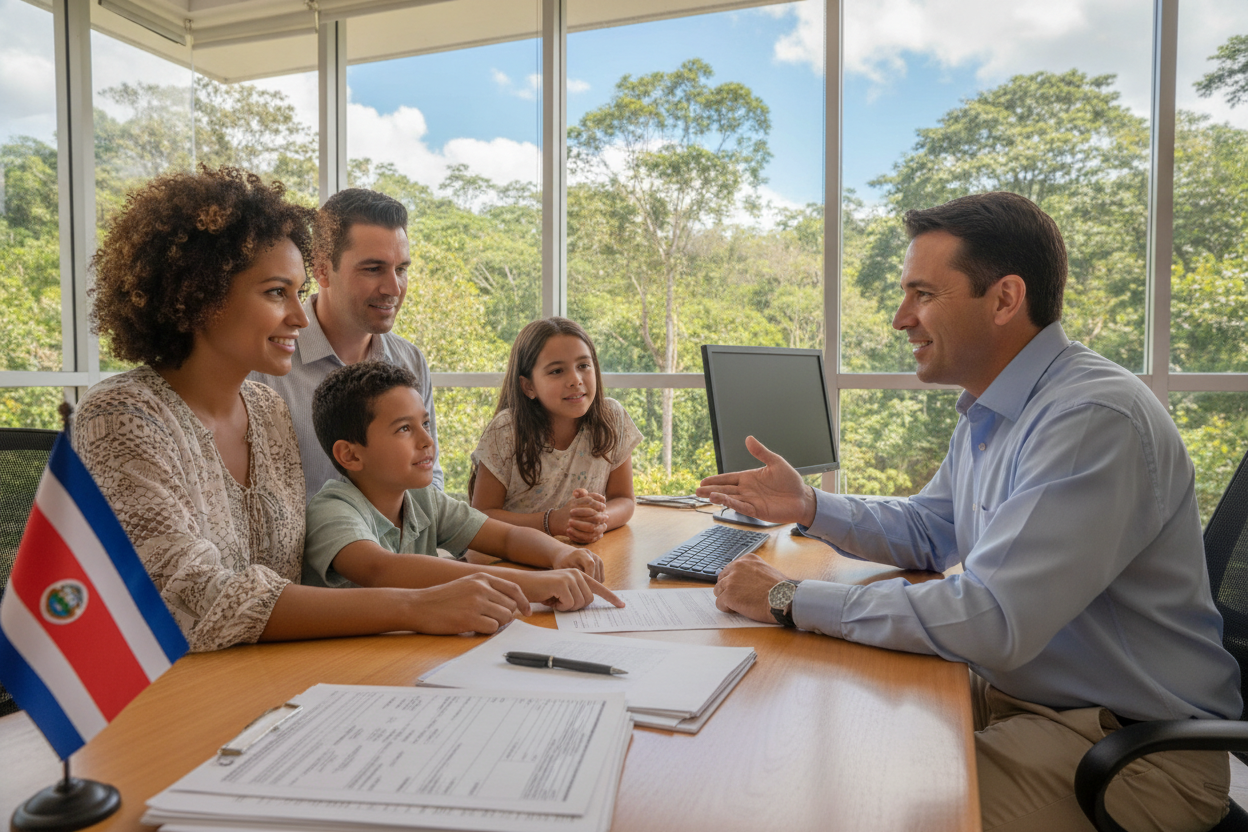
Costa Rica is a dream destination for many who seek a new home. With its warm climate and welcoming culture, it attracts individuals and families from around the globe. However, the journey to legal residency involves several steps and specific requirements that must be fulfilled for a successful outcome.
This guide aims to simplify the complex journey from the initial application to final approval. It is essential for anyone planning to live in this beautiful nation long-term. We will provide a clear overview of the requirements and documentation needed for your residency application.
Each case is unique, depending on factors like nationality, family situation, and immigration history. Therefore, personalized guidance is vital to navigate this journey effectively. Our goal is to help you understand the legal framework and offer a practical roadmap for moving to Costa Rica.
Getting to Know CRIE’s Expert Residency Services
For those looking to settle in a new environment, Costa Rica stands out as a top choice. At CRIE, we have dedicated over 20 years to helping individuals and families navigate the residency landscape. Our extensive experience allows us to provide tailored guidance throughout the immigration journey.
We focus exclusively on residency and immigration services, ensuring that our team possesses deep expertise in the specific legal pathways available to foreigners. This specialization means we are well-versed in the nuances of the immigration system, allowing us to offer valuable insights.
While we do not act as a law firm or government agency, our goal is to simplify the residency process. Clients benefit from our practical and factual information, empowering them to understand their options for living in this beautiful country. To learn more about our services, visit CRIE’s website.
Benefits of Pursuing Residency in Costa Rica
Living in Costa Rica offers an unparalleled lifestyle for those seeking tranquility and adventure. With over 70,000 U.S. citizens calling this country home, it’s clear that many find a stable democracy and high quality of life here.
This nation is consistently ranked among the top in Latin America for human development and environmental performance. Costa Rica has even abolished its army, choosing to invest in education and social welfare instead.
Residents enjoy a higher life expectancy than in the United States, along with access to a diversified economy. The country’s natural beauty and strategic location—just 2.5 hours from Miami—further enhance its appeal.
Choosing to live in Costa Rica provides long-term opportunities for personal growth and family stability in a welcoming environment.
understanding-the-costa-rica-immigration-application-process
Navigating the residency landscape in Costa Rica involves multiple steps and thorough documentation. This application journey is documentation-driven, requiring careful preparation before you arrive.
It’s important to know that the timeline for approval can take anywhere from 6 to 18 months. This duration varies based on the complexity of your situation.
The process consists of four main phases: preparation, submission, verification, and the final waiting period for government review. Your success hinges on the quality of your documents and your ability to meet specific financial thresholds.
While you can ensure your financial proof is accurate, you cannot control the pace of government processing or any policy changes. Recognizing this distinction is crucial for managing your expectations during the journey toward obtaining your residency status.
Exploring Different Residency Categories
Exploring residency options in Costa Rica reveals multiple categories tailored to different needs. Each category has specific financial requirements that must be met for a successful application.
The Pensionado category is ideal for retirees who can show a lifetime pension of at least $1,000 per month. This pathway allows retirees to enjoy the peaceful lifestyle Costa Rica offers.
Alternatively, the Rentista option is available for those who can prove a monthly income of $2,500 for two years or make a $60,000 bank deposit. This flexibility caters to various financial situations.
For individuals looking to invest, the Inversionista pathway requires a minimum investment of $150,000 to $200,000 in real estate or a business. Each residency category provides unique options for aligning personal and professional aspirations with the legal requirements of the nation.
Eligibility and Financial Thresholds for Residency
For potential residents, grasping the income and investment criteria is vital for a successful application. Each residency category has specific financial requirements that must be met.
Pensionado applicants need to provide proof of a guaranteed lifetime pension of at least $1,000 USD per month from a recognized institution. This ensures that retirees can sustain themselves comfortably in Costa Rica.
Rentista applicants must show proof of $2,500 in monthly income for two years or a $60,000 deposit in a local bank. This flexibility allows various individuals to qualify based on their financial situations.
For those interested in investment, the Inversionista pathway requires a minimum investment of $150,000 to $200,000. If you choose real estate, the title must be in your personal name. Additionally, health insurance coverage is mandatory to ensure you are not a burden on public resources.
All financial thresholds are non-negotiable and form the bedrock of your eligibility for any of the available residency programs. To explore more about the requirements, visit this link.
Gathering and Preparing Essential Documents
Securing residency in Costa Rica begins with gathering the right documents. Every applicant must provide a valid passport with at least six months of remaining validity. This ensures you can enter and remain in the country without issues.
A certified birth certificate is also required, along with an FBI background check showing a clean record for the past three years. These documents are critical for your residency application.
All foreign documents must be authenticated with an apostille from the U.S. Department of State or the relevant Secretary of State. Once you complete the apostille process, each document needs a certified Spanish translation by an authorized translator in Costa Rica.
Incomplete paperwork is the top reason for delays, so organizing your files in advance is crucial for a smooth process. If applying with a spouse, marriage certificates must also be apostilled and translated.
Step-by-Step Guide Through the Application Process
The journey to residency in Costa Rica involves a series of essential steps. The application process typically takes 3 to 12 months to complete, from the initial filing to final approval.
Applicants must first create an online account with the Dirección General de Migración y Extranjería (DGME). This account helps manage case files and track progress. After submitting the application form and uploading necessary documents, you will need to schedule an in-person biometric appointment.
During this appointment, authorities will collect your fingerprints and photograph to verify your identity. This verification is mandatory and cannot be done remotely, so your physical presence in the country is required.
Each phase of the application process requires careful monitoring. Be prepared to respond to any corrections or additional information requests from the authorities.
Tips for Navigating Costa Rica’s Immigration Bureau
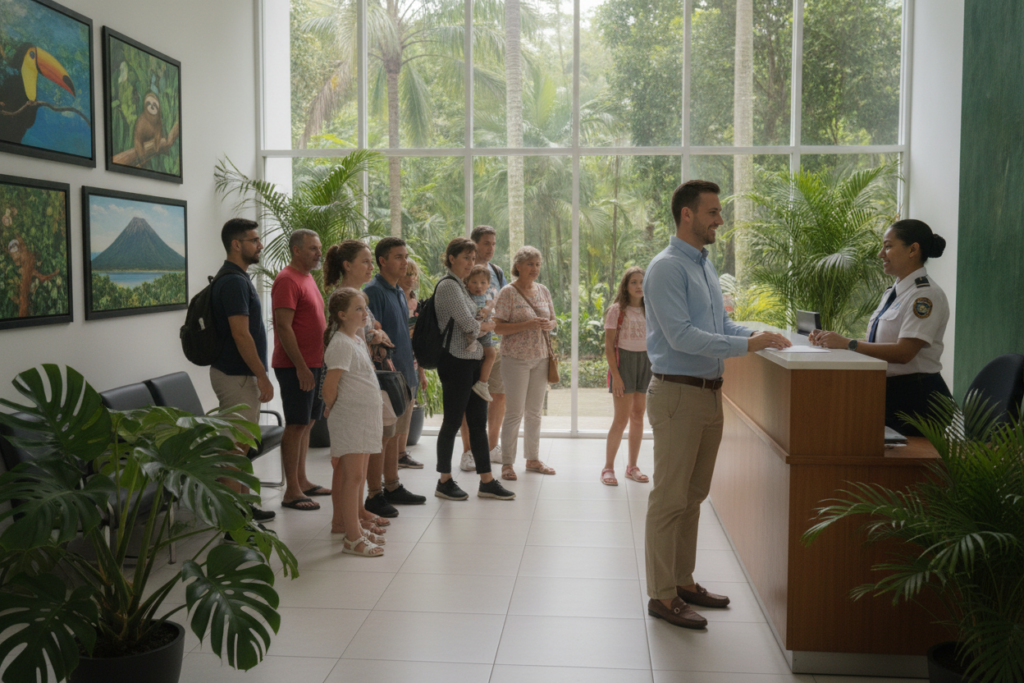
Successfully managing your residency journey in Costa Rica involves effective communication with government officials. The Dirección General de Migración y Extranjería (DGME) is the primary authority for all residency matters. Understanding their procedures can enhance your experience.
The DGME offers an online portal for tracking your case. However, some steps, like fingerprinting, require an in-person visit. When visiting government offices, prepare for potential wait times. Have all your organized documents ready for review to streamline the process.
Always verify the latest requirements and official information directly through the government website at migracion.go.cr. Staying informed helps you avoid unnecessary administrative hurdles. Regularly checking your application status empowers you to respond promptly to any requests from officials.
Common Challenges and How to Overcome Them
Navigating the residency application in Costa Rica can present various hurdles for new applicants. One major error is underestimating the timeline for document preparation. Obtaining apostilles and translations can take two to three months, so starting early is crucial.
Another common mistake is overstaying your tourist visa while waiting for residency approval. This can lead to significant legal complications. It’s essential to be aware of your visa status during the application process.
Submitting improperly authenticated documents is a guaranteed cause for rejection. Always ensure that translations are done by authorized translators to avoid delays. Additionally, financial proof must strictly match the requirements for your chosen residency category.
To stay organized, we recommend creating a detailed checklist and starting your preparation three to four months before filing. This proactive approach will help you avoid common pitfalls and streamline your application journey.
The Role of CRIE in Simplifying the Process
Our team at CRIE specializes in guiding individuals through the intricate landscape of residency in Costa Rica. We provide tailored support to help clients navigate the complexities of the immigration system.
Our experts offer practical guidance on meeting financial thresholds and preparing necessary documentation for a successful application. By focusing exclusively on residency and immigration services, we help clients avoid common pitfalls.
We act as a guide through the procedural intricacies of the immigration system. Clients receive support in understanding the legal nuances of their chosen residency category, ensuring long-term compliance.
While we do not provide guarantees, we offer a realistic view of the steps involved in the residency journey. Our goal is to empower you with the knowledge needed to achieve your residency in Costa Rica.
Integrating Residency and Immigration Requirements
To maintain your residency in Costa Rica, it is essential to stay compliant with immigration regulations. This involves keeping your Caja registration current and ensuring that your contact information is updated with the government office.
Temporary residency is valid for two years and must be renewed before the expiration date to maintain your legal status. After three consecutive years of holding temporary status, you can apply for permanent residency, which eliminates the need for renewals.
Understanding the legal nuances of your residency category is crucial. Compliance is an ongoing process that extends beyond the initial approval of your residency application and ID card.
Insights on Maintaining Your Residency Status
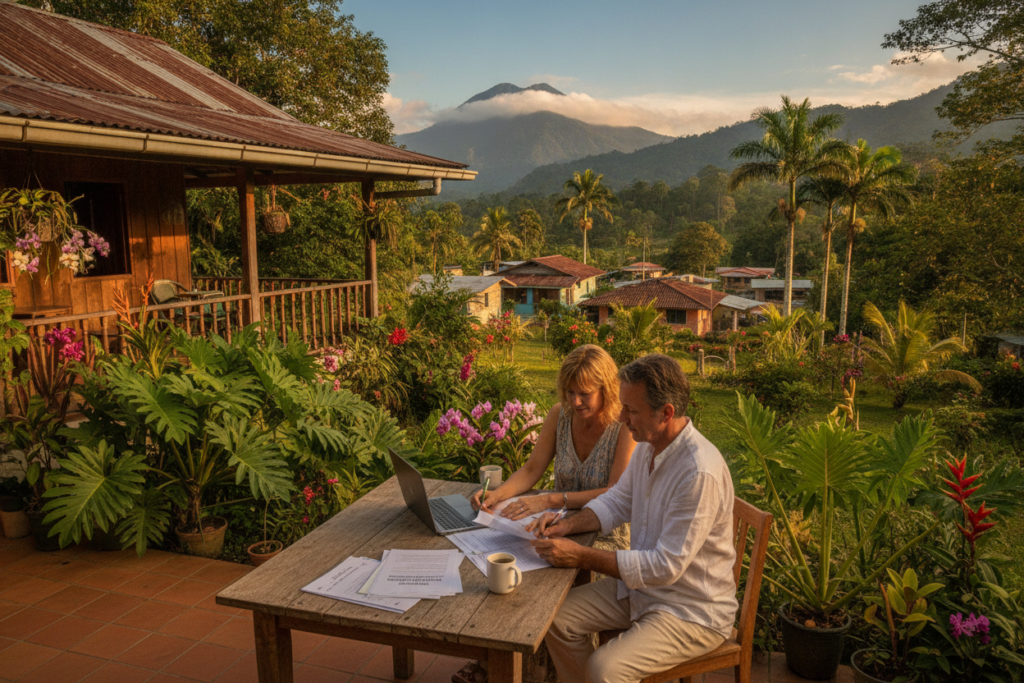
To keep your residency status in Costa Rica, regular compliance is essential. Residents must enter the country at least once each year to maintain their legal status. Failing to meet this requirement can jeopardize your hard-earned residency.
Once you receive your residency ID card, registering with the Caja Costarricense de Seguro Social (CCSS) for healthcare is mandatory. This step ensures you have access to necessary medical services while living in Costa Rica.
Temporary residents must renew their status every two years until they qualify for permanent residency. Achieving permanent status is a significant milestone, offering greater stability and eliminating the need for periodic renewals.
Staying informed about changes in immigration policy is crucial for all residents. This responsibility helps you navigate your residency journey smoothly and avoid any potential issues.
Understanding the Costa Rican Lifestyle and Culture
Life in Costa Rica is characterized by a unique blend of relaxation and appreciation for nature. The “Pura Vida” philosophy is at the heart of this lifestyle, promoting a laid-back and grateful approach to daily living.
Many expats find that embracing this local culture helps them integrate more successfully into their new community. Costa Rica is known for its welcoming culture, making it a top destination for thousands of international residents.
Engaging with both the local community and fellow expats can provide social support and practical advice for navigating daily life. The country’s commitment to environmental sustainability and social welfare contributes to the high quality of life enjoyed by its residents.
Transitioning to life in this beautiful country is a rewarding journey that transforms the dream of living in a tropical paradise into reality.
Planning Long-Term Residency and Permanent Status
Achieving permanent residency is a vital milestone for individuals and families looking to thrive in this tropical paradise. After maintaining temporary residency for three consecutive years, you can request to become a permanent resident. This transition grants you “Free Condition” status, allowing you to work without restrictions and live indefinitely in Costa Rica.
Furthermore, citizenship becomes an option after seven years of legal residency, which includes the right to obtain a Costa Rican passport. Planning for these long-term milestones requires consistent compliance with all immigration regulations throughout your time in the country.
Understanding the path to citizenship is essential for those who view Costa Rica as their permanent home. This journey not only offers stability but also enriches your experience in this beautiful nation.
FAQ
What are the main residency categories available in Costa Rica?
How long does the residency application process typically take?
What documents do we need to submit for our residency application?
Are there any income requirements for obtaining residency?
Can we apply for residency while living in Costa Rica as tourists?
What should we do if our application is denied?
How can we ensure our residency status remains valid?
What are the benefits of becoming a resident in Costa Rica?
Article by Glenn Tellier (Founder of CRIE and Grupo Gap)
Don't wait, contact us right now!
Call or WhatsApp Costa Rica +506 8373 2085 or +506 8706 3888
Call USA/Canada +1 305-906-6784