
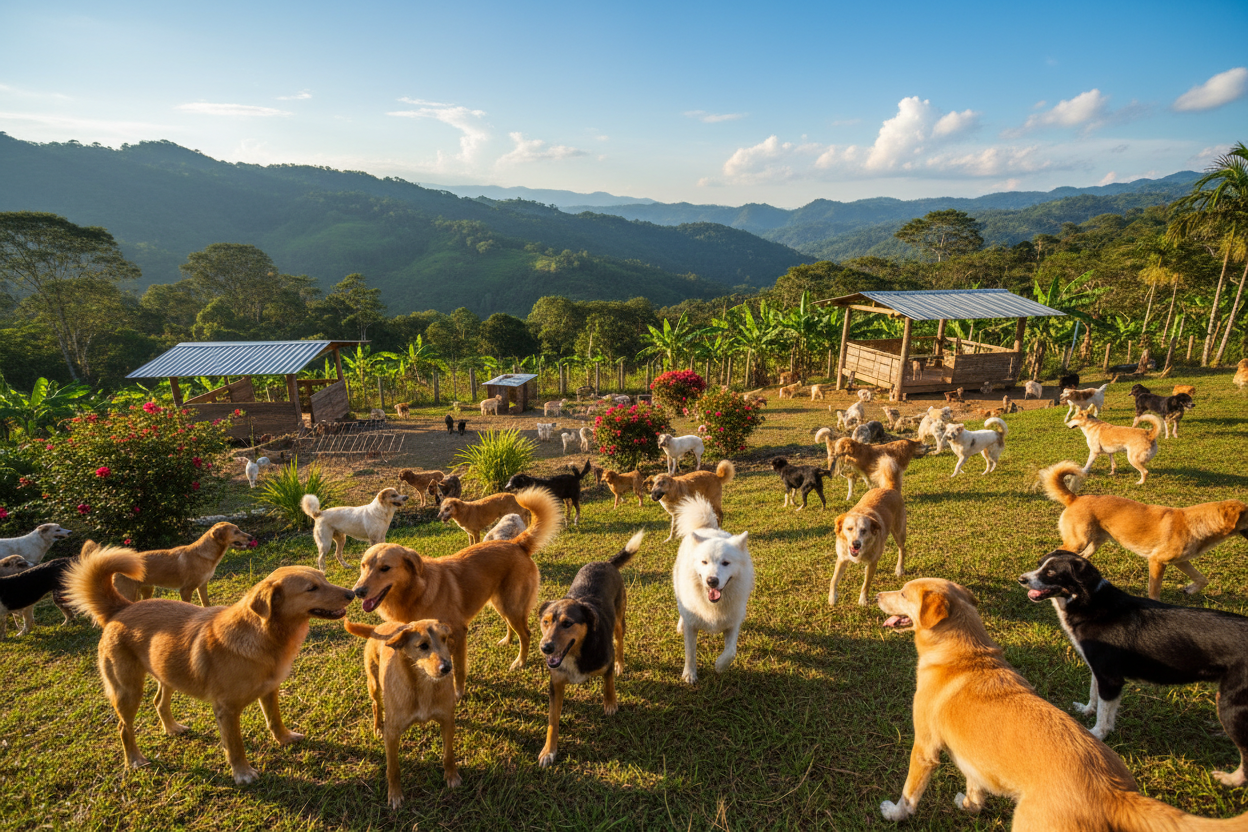
Territorio de Zaguates translates to “Land of the Strays.” This unique destination operates as the world’s largest no-kill canine sanctuary. It sits in the mountainous region of Heredia.
The term “zaguate” means stray dog or mutt in Costa Rican Spanish. The sanctuary exists to rescue, rehabilitate, and rehome abandoned canines. Over the past 15 years, this organization has rescued more than 10,000 stray animals.
A Costa Rican-American couple runs this operation with a team of dedicated volunteers. They work tirelessly to give street animals a second chance. Their efforts have successfully placed over 14,200 animals into loving homes.
This guide provides practical information for anyone planning a visit. Readers will learn about transportation, safety guidelines, and interaction tips. It also covers volunteer opportunities and cultural context about the country’s street animal population.
The shelter currently houses over 1,800 rescued canines. Visitors can interact with many friendly dogs during their trip. This article sets realistic expectations for a meaningful and safe experience.
Discovering the History and Purpose of Territorio de Zaguates
Costa Rica’s stray dog overpopulation problem sparked the creation of this unique sanctuary. The organization began as a direct response to thousands of animals living on the streets. Historical attitudes viewed dogs as guard animals, not family pets.
This led to a lack of castration and a preference for purebreds over mixed-breed zaguates. Many dogs were abandoned or left to roam freely. The shelter was founded to break this cycle.
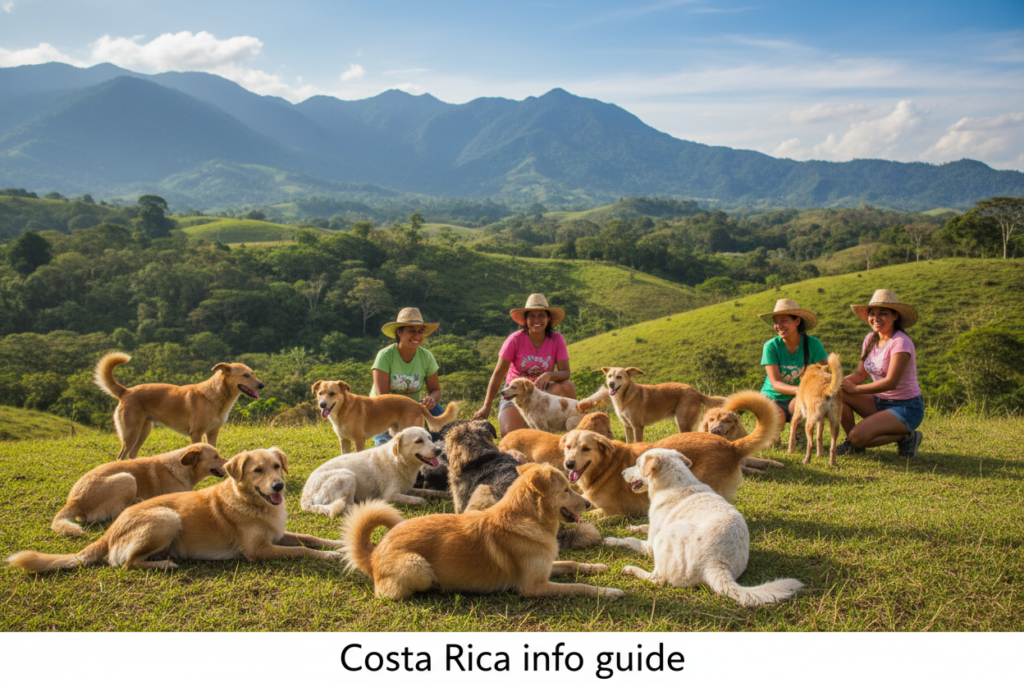
The rescue operation brings in dogs from across the country. It accepts animals abandoned by owners, born on the streets, or rescued from illegal fighting. Sick and terminally ill canines also receive care here.
| Dog Type | Common Origin | Primary Care Provided |
|---|---|---|
| Abandoned Pets | Urban & Rural Homes | Rehabilitation, Socialization |
| Street-Born Zaguates | Public Streets & Lots | Vaccinations, Basic Training |
| Fighting Dogs | Illegal Operations | Medical Treatment, Behavioral Therapy |
| Sick/Terminally Ill | Countrywide Reports | Palliative Care, Comfort |
The shelter provides immediate medical care, vaccines, food, and training. Its educational mission teaches locals about responsible ownership. The goal is to transform how society views these animals.
From a small start, it now houses hundreds of dogs and has grown into the world’s largest no-kill dog sanctuary. This land of strays offers a second chance for Costa Rica’s forgotten canines.
Planning Your Practical Visit to Costa Rica’s Dog Haven
Your journey to this unique canine sanctuary requires some advance planning and specific travel arrangements. The shelter is located about an hour from San Jose in the mountainous Heredia region. There is no direct public bus to this remote place.

You must book your visit date in advance. Weekend hikes typically run on Saturdays and Sundays from 9 a.m. to 12:30 p.m. To confirm a spot, message Alvaro via WhatsApp at +506 8815 2514.
Getting There and Transportation Tips
If you lack a car, travel to Alajuela City. Spending the night there ensures you catch the early shuttle. This organized shuttle bus picks up at Centro Comercial Plaza Real, a short walk from the central park.
The shuttle departs at 8 a.m. The ride takes 25 minutes. To reserve your seat, text your full name, hike date, and group size to the same number.
For example, from Monteverde, take the Transmonteverde bus at 6:30 a.m. It stops at Alajuela airport. From there, catch a local bus into the city center.
Booking Dates and Scheduling Your Hike
Always confirm your hike date before your trip. The shelter operates on a limited schedule. Check their Facebook page for the most current information, especially as they planned to reopen in mid-2025.
Provide your details clearly when you text for the shuttle. This simple step secures your transportation and visit time. Planning ahead makes your experience smooth and enjoyable.
Navigating the Hike Experience at Territorio de Zaguates
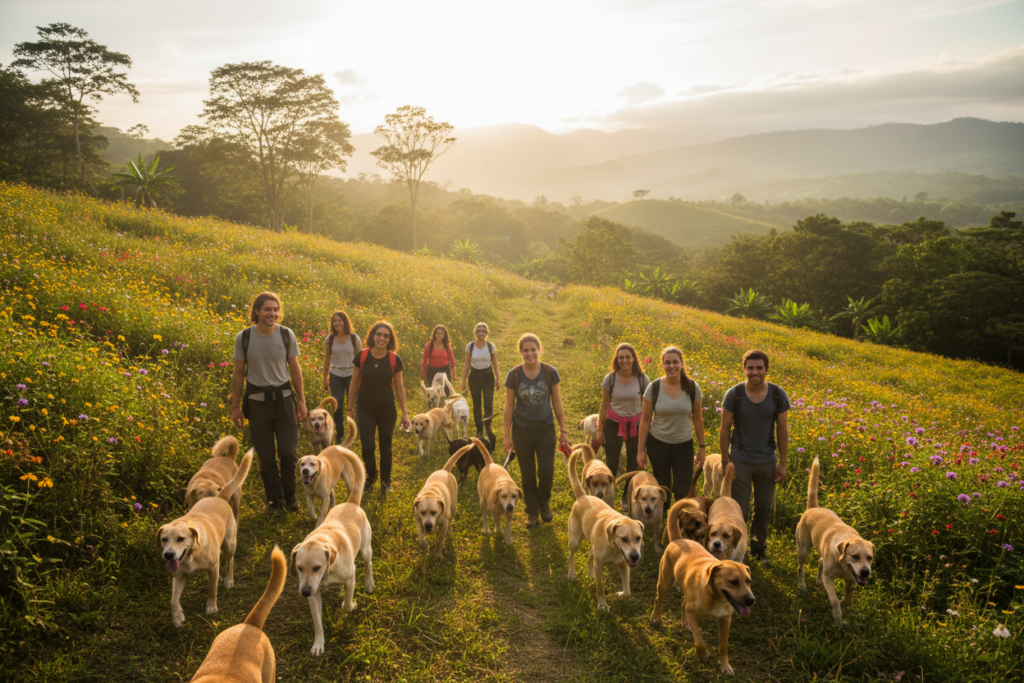
Your hike through the sanctuary’s mountain trails is a joyful walk shared with dozens of eager rescue dogs. The experience lasts about 3.5 hours. You will stroll through the property while the animals freely roam and interact with guests.
Safety Tips and What to Bring
Pack light but smart for your day. Essential things include plenty of water for the long walk and sunscreen for mountain sun. Check the forecast and bring rain gear.
Use sturdy hiking boots, not sneakers. Trails have mud, water, and animal waste. Your shoes will get dirty.
Wear dark, old clothing. Friendly dogs jump up for cuddles and leave paw prints. Dark colors are safer than white.
Local Environment and Trail Conditions
The walk winds through the mountains. Visitors should eat a big breakfast for energy. Bring light snacks for rest time, but expect the dogs to beg.
They are gentle and never nip, but they love food. Never bring chocolate or grapes, as these harm dogs.
Dog treats are allowed but not recommended. Once, a visitor’s treats caused a ruckus, with dogs fighting and swarming. It’s better to give any treats to volunteers for fair distribution.
Real Encounters with Costa Rica’s Stray Dog Community
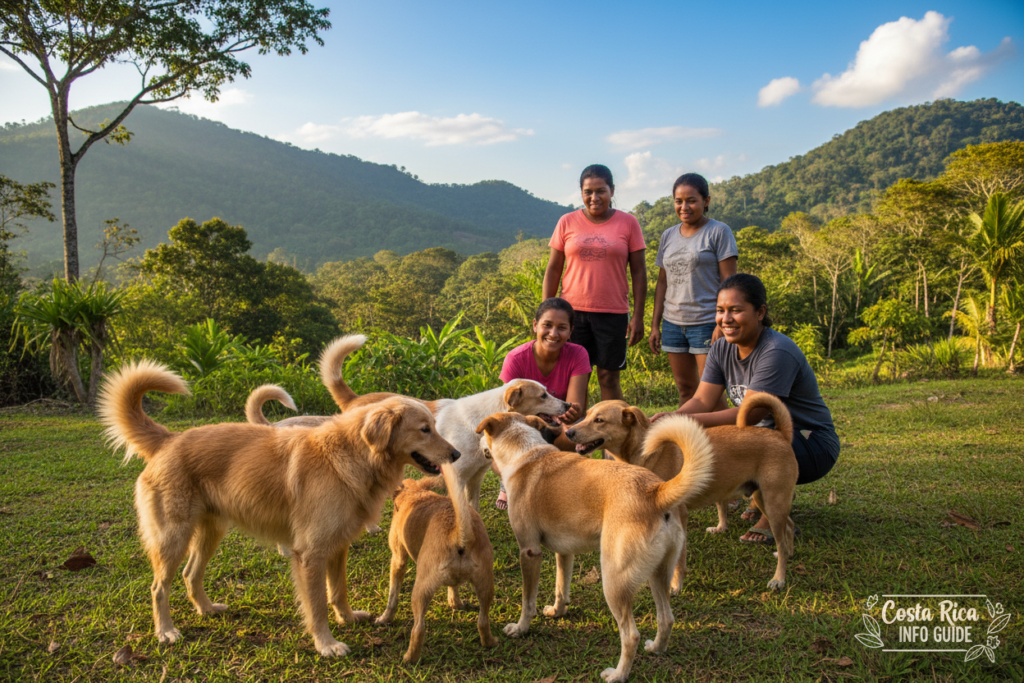
The moment you step onto the property, a wave of wagging tails and joyful barks greets you. You will meet hundreds of rescue animals. They range from tiny puppies to gentle seniors.
Many show signs of past hardship, like missing limbs or skin conditions. Yet their spirits are overwhelmingly joyful. They bounce around, full of trust and eager for affection.
Do’s and Don’ts When Interacting with the Dogs
Follow these simple rules for a safe and positive visit. Your actions help in their rehabilitation.
Do:
- Let dogs approach you first. Move slowly and let them set the pace.
- Give affection freely. Petting and gentle words build their trust in people.
- Take photos to share their stories. This raises awareness for their cause.
- Spend time with shy dogs. Quiet connections can be the most rewarding part.
Don’t:
- Bring human food, especially chocolate or grapes. These are toxic to dogs.
- Make sudden, loud movements. This can startle nervous animals.
- Play favorites with treats. It can cause fights among the pack.
- Feel pressured to interact with every single dog. It’s okay to just observe.
The hardest part for many is leaving. You might wish you could provide a loving home for one of these amazing dogs. Remember, your visit itself is a powerful act of kindness. It helps these former street dogs learn to trust again, preparing them for adoption. These encounters often become travelers’ most memorable experiences.
Exploring territorio-de-zaguates-stray-dogs-of-costa-rica: Key Highlights
Viral social media videos have turned this shelter into an international destination. Friends tag each other in posts, promising to visit. This global attention fuels a powerful support network.
Volunteer Impact and Community Stories
A team of over 20 staff and dedicated volunteers provides daily care. They show stern love, hugging even the most neglected dogs. Their work is transformative for both people and animals.
Operating costs are immense. The shelter spends about $7,000 weekly just on food. Add expenses for vaccines, surgeries, and special medical care.
Over 5,000 global supporters help. You can contribute through their website or Facebook page. Every donation makes a real difference.
Foster homes are critically needed. Dogs in terrible shape heal faster with personalized care. This is a direct way to save a life.
Check their official pages for success stories and needs. You’ll find adoption updates and inspiring volunteer experiences there.
Practical Tips for Embracing Costa Rican Lifestyle During Your Visit
Bringing enough cash is one of the most practical tips for any traveler heading to remote areas in this Central American country. Adapting to local ways makes your trip smoother and more rewarding.
Local Customs, Safety, and What to Pack
Always carry cash in US dollars or Costa Rican colones. You need it for the shuttle and for donations. Many visitors regret not having money to buy unique shelter merchandise.
Plan your visit well in advance. This place is in a remote mountain neighborhood. Confirm your date and consider staying in Alajuela the night before.
Your visit offers insight into local animal welfare. You will see evolving attitudes towards pet ownership. It’s a meaningful cultural experience.
Combine your shelter day with other activities. The Central Valley has many great day trip opportunities from San Jose. This enhances your overall travel experience.
Stay aware of your belongings in any crowded area. Use only registered shuttle services for safety. Always respect the quiet, rural mountain environment.
| Category | Specific Item | Purpose / Reason |
|---|---|---|
| Money & Payment | US Dollars or Colones (Cash) | Mandatory for shuttle; for donations and merchandise. |
| Travel Documents | Confirmed Booking Info | Ensures compliance with shelter visit protocols. |
| Safety & Comfort | Small Daypack, Water, Sunscreen | Essential for the hike and changing mountain weather. |
| Cultural Respect | Patience, Observational Approach | Helps you understand local customs and the land strays’ context. |
Do your online research before the trip. Browsing for information on traffic patterns and local guidelines is smart. Many websites use cookies to improve your experience when accessing resources.
For those considering a longer stay, CRIE provides guidance on residency categories. You can contact them for detailed information.
Volunteer Opportunities and Ways to Help the Shelter
Supporting this unique canine sanctuary extends far beyond a single day’s visit. The organization plans to reopen to the public in May or June 2025. Always check their official Facebook page for the current status before you plan your trip.
For those who can commit more time, various volunteer service opportunities exist. You can help with daily dog care, walking, or facility maintenance. Assisting with administrative tasks or visitor coordination on public days is also valuable.
People living locally can provide a critical service through fostering. Taking a dog into your home for extra medical care or socialization dramatically improves their recovery. This temporary home environment prepares them for adoption.
| Way to Help | Who Can Do It | Key Impact |
|---|---|---|
| Visiting & Donating | All Visitors | Provides direct funds and social interaction for dogs. |
| On-Site Volunteering | Local/Long-term Visitors | Supports daily operations and animal care on open days. |
| Fostering | Local Residents | Offers crucial rehabilitation in a home setting. |
| Online Advocacy | International Supporters | Raises awareness and drives ongoing donations. |
International visitors can continue to help from abroad. Making an ongoing donation or sharing your experience on social media raises awareness. Even your one-day visit is a meaningful contribution through your interaction and any support.
For the latest needs, reach out via the shelter’s online page. They can provide details on current volunteer roles, fostering needs, and any specific requirements. Your interest and effort make a real difference for these animals.
Final Reflections and Quick Checklist for a Successful Visit
For many travelers, the highlight of their trip isn’t a beach or volcano, but a muddy mountain hike with hundreds of rescued dogs. A day at Territorio Zaguates creates a profound emotional connection. You walk with joyful animals who have overcome difficult pasts.
It’s normal to wish you could adopt one. Remember, your visit and kindness help in their rehabilitation. Always check the shelter’s Facebook page and website before your trip. Public access depends on their schedule.
Your Quick Pre-Visit Checklist:
- Confirm your date via WhatsApp (+506 8815 2514).
- Arrange transport to Alajuela and book the shuttle service.
- Pack boots, dark clothes, water, snacks, and rain gear.
- Bring cash for the shuttle and donations.
- Check the weather and arrive by 8 a.m.
Frequently Asked Questions:
- When is it open to the public? Hikes are typically on weekend days. Confirm current status online.
- How do I book? Message Alvaro on WhatsApp to secure your spot.
- How much does it cost? The hike is free, but shuttle and donations support the shelter.
- Is it safe? Yes. The dogs are friendly. Follow the guides’ instructions.
- How long is the hike? The experience lasts about three and a half hours.
Make Territorio Zaguates part of your plans for an unforgettable journey. If this visit inspires you to consider a longer stay, CRIE can help with residency questions. Contact them: WhatsApp +506 8706 3888 | info@crie.cr | www.crie.cr.
FAQ
What is Territorio de Zaguates and where is it located?
How can I visit the shelter and do I need to book in advance?
What should I expect during the hike with the dogs?
How should I interact with the dogs at the sanctuary?
Can I volunteer at Territorio de Zaguates?
What is the best way to support the shelter if I cannot visit?
Is transportation provided to the sanctuary?
Article by Glenn Tellier (Founder of CRIE and Grupo Gap)
Don't wait, contact us right now!
Call or WhatsApp Costa Rica +506 8373 2085 or +506 8706 3888
Call USA/Canada +1 305-906-6784