
Whether you are sending a parcel to Costa Rica from the United States, the United Kingdom or Canada, or waiting for mail at your new home here, the same three things decide whether it arrives: a usable address, the correct postal code and a delivery service that covers the destination. This guide covers postage and parcels to Costa Rica, how to address them, customs on arrival, post office hours and how to send a package back out.
Sending postage and parcels to Costa Rica from abroad
From the United States, the United Kingdom, Canada or anywhere else, there are two practical routes. Your national postal service, such as USPS, Royal Mail or Canada Post, hands international mail over to Correos de Costa Rica, which delivers it or holds it for collection. A private courier usually manages the whole journey itself, including customs clearance, and delivers to the door. Either way, ask the service you use for its current price and delivery estimate for Costa Rica before you send.
Whichever route you choose:
- Describe the contents honestly on the customs declaration and give their real value. A vague label such as “gift” or “personal items” invites delays.
- Check what Costa Rica restricts before you pack. Medicines, food, plants and seeds can need another authority’s approval.
- Write the recipient’s phone number on the parcel, so the carrier can arrange delivery or collection.
- Warn the recipient that they may have to deal with customs and pay any charges before the parcel is released. Being a gift does not make a parcel tax free.
- Send them the tracking number, and ask the sending service whether tracking continues once the parcel reaches Costa Rica.
Write an address the carrier can use
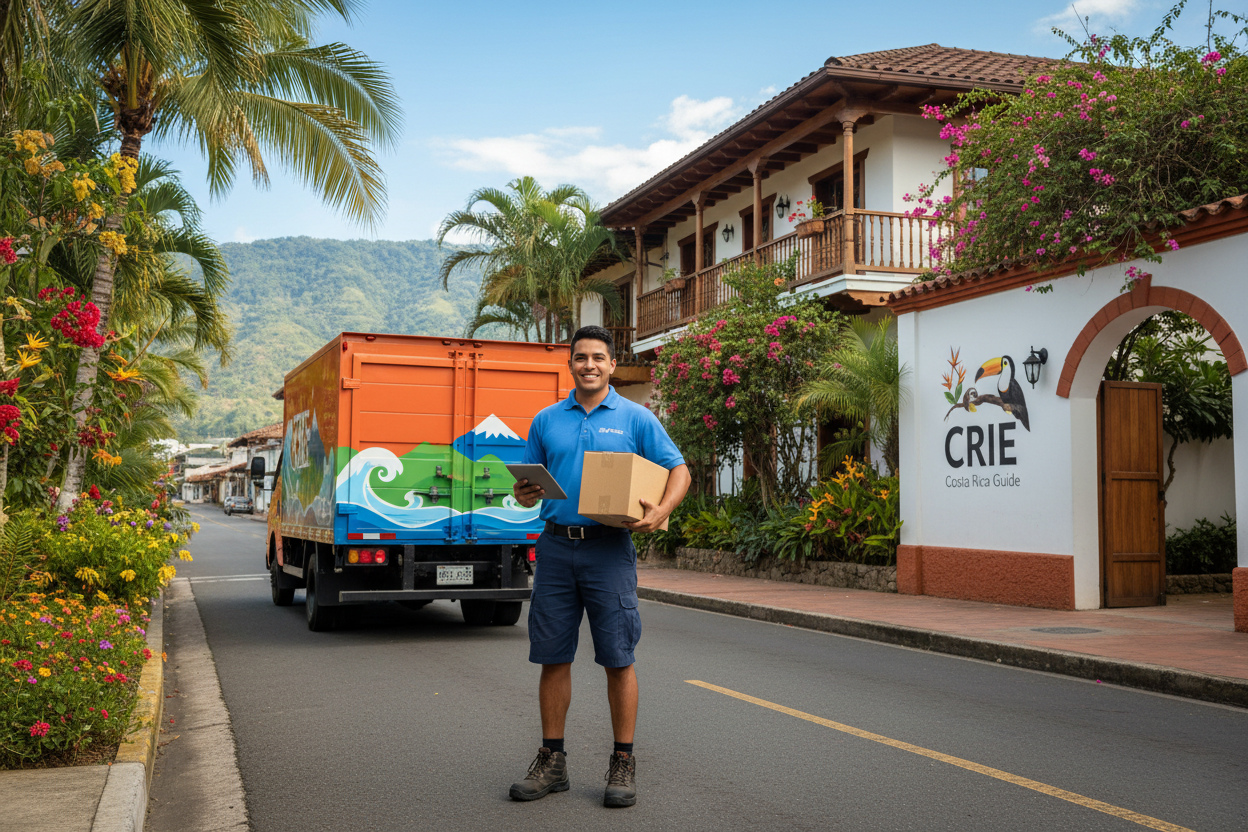
Include the recipient’s name, province, canton, district, postal code and clear local directions. Add a current telephone number when the service requests one. Ask the resident or property manager for the address they actually use for deliveries rather than translating an unfamiliar landmark yourself.
Correos de Costa Rica’s own head office address shows the usual format, with directions given from a landmark:
Recipient’s full name
De la Iglesia de Zapote 200 mts al Sur
San José, San José, Zapote 10105
COSTA RICA
“200 mts al Sur” means 200 metres south of the church. The province, canton and district come next, followed by the postal code, which identifies the district. Write the country in capitals on the last line when sending from abroad.
Correos’ online shipping form includes fields for both postal codes and exact address directions. A map pin can help a driver, but it should not replace the written information required for the shipment.
Find the correct postal code
Use the official Correos postal-code lookup. Check the district carefully, especially where place names repeat. Your postal code and a rented post-office box number are different things.
For an international retailer, use the address format accepted by the chosen delivery service. A seller’s checkout accepting an address does not guarantee that every product can be shipped to it.
Confirm home-delivery coverage before ordering
Correos publishes delivery information and restricted zones. As reviewed on September 6, 2026, that page lists restricted areas in six provinces and states that Heredia has none. This is the published list at that date, not a permanent guarantee of doorstep delivery to every property.
Confirm coverage for your exact address and service. Ask where an undeliverable parcel would be held, how you would be notified and what identification you need to collect it. Building access, an incomplete address and service-specific conditions can also affect delivery.
Using an apartado postal
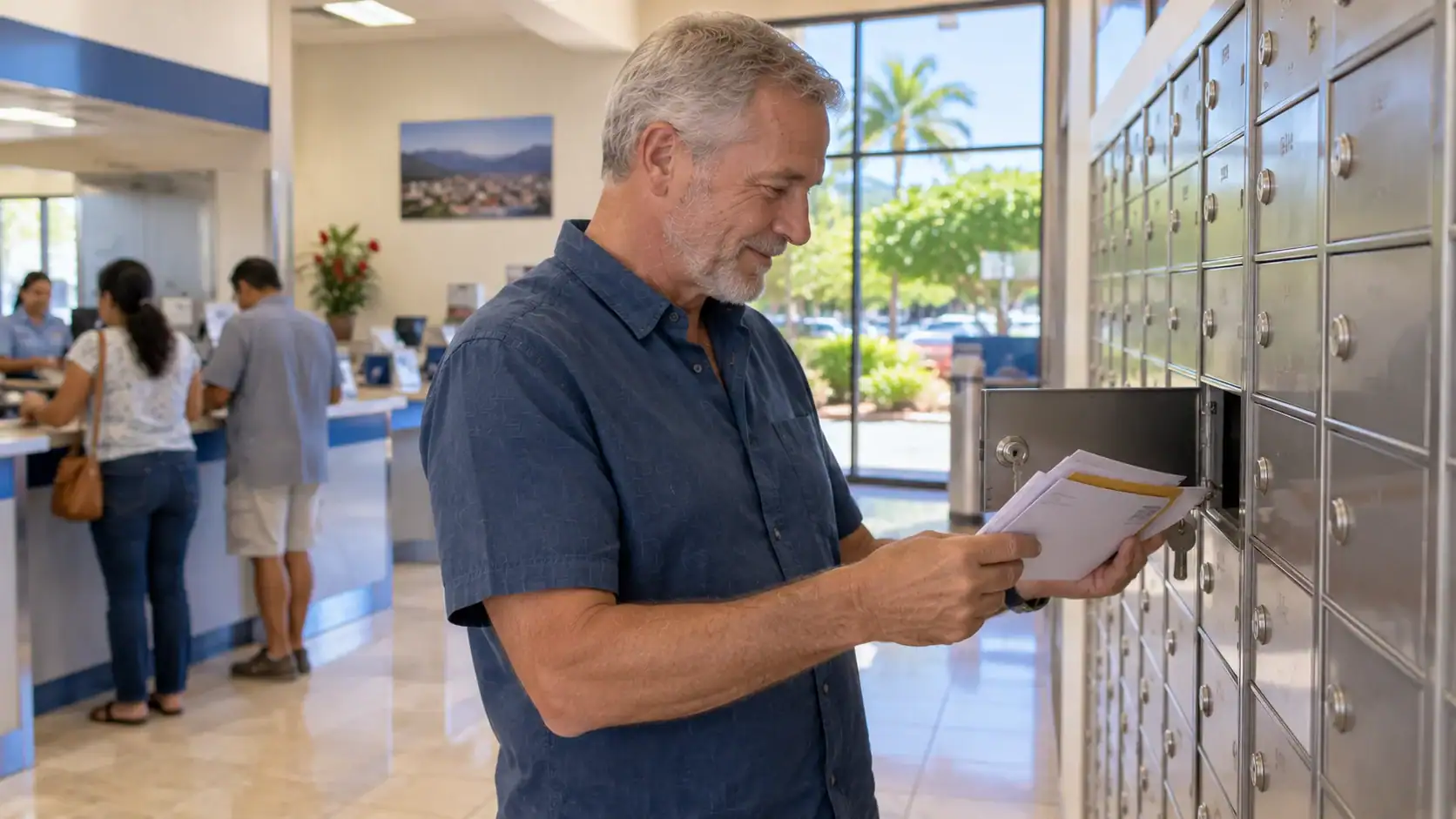
An apartado postal is a rented post-office box. Correos offers collection through selected branches and other locations, with access during the applicable office hours. Check availability, collection arrangements and current charges before renting one.
The official apartado service page publishes its fees and terms. Ask how larger items are handled and who may collect on your behalf. Do not assume every private courier or online seller delivers to a postal box.
Post office hours in Costa Rica
Opening hours are set branch by branch, so check the branch you plan to use on Correos’ Sucursales page before you go, or call Correos customer service on 2257-8888. Parcels held for collection and apartado boxes can only be collected during that branch’s hours.
International parcels and customs
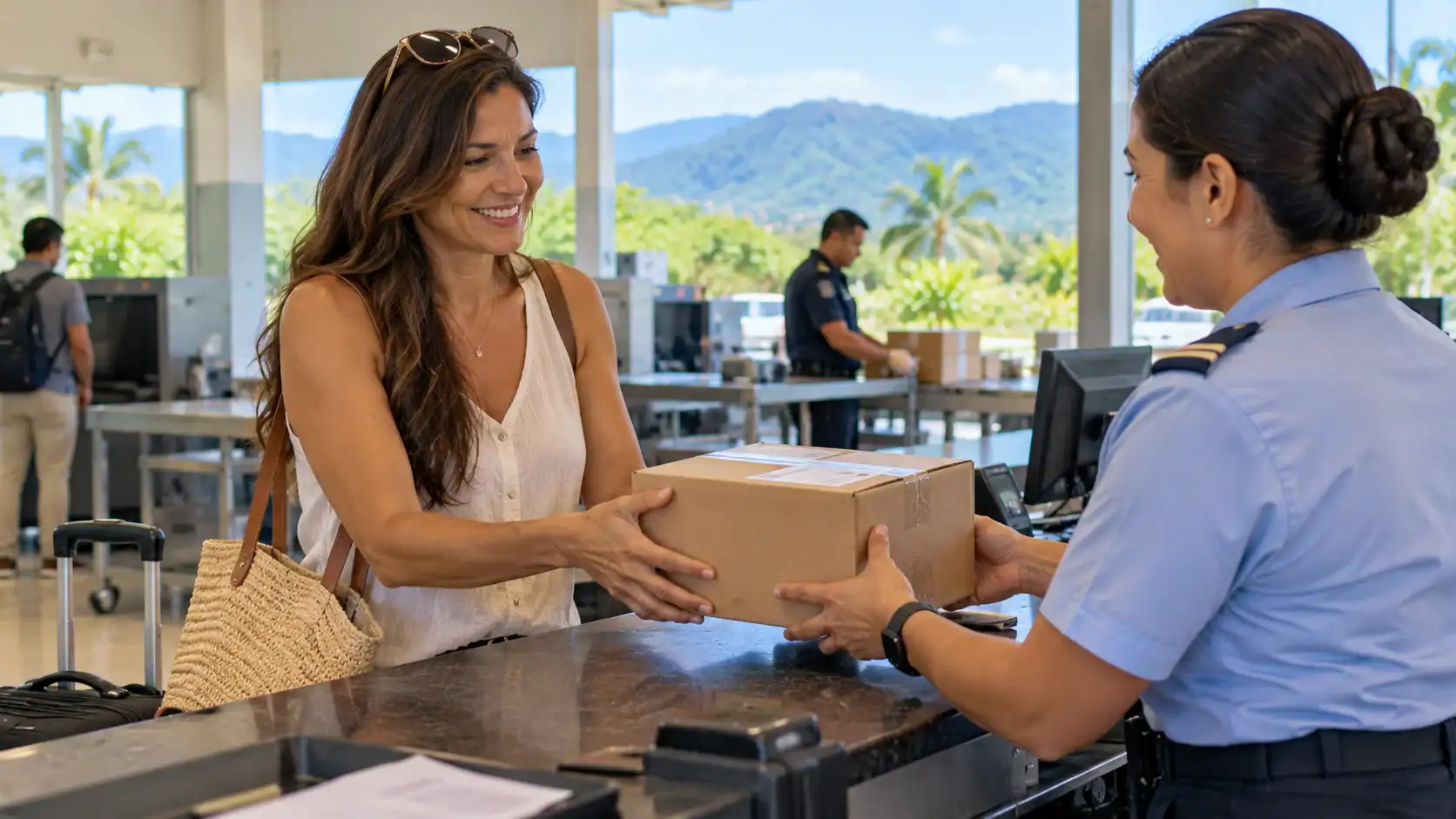
Correos and customs have different roles. Correos helps process postal shipments; the customs authority belongs to the Ministry of Finance. A parcel selected for review may need documents and payment before release.
The current postal-customs instructions describe virtual and in-person procedures. Prepare identification, the purchase invoice and any authorization requested for your case. Use the official instructions to confirm the contact channel before sending documents or money.
Correos describes release in approximately five days once complete documentation meets the requirements. Restricted products or another authority’s review can take longer; this is not a guaranteed delivery date.
Small family shipments are not a general shopping allowance
Correos explains that a customs exemption exists for qualifying small family shipments sent without a commercial purpose. It has a value limit and a minimum interval between shipments, and eligibility is decided by the Ministry of Finance. Freight and insurance can count towards the customs value.
Do not assume an ordinary online purchase qualifies because it is inexpensive. Ask about your shipment before ordering; older shopping advice may describe a different process.
How to send a small package from Costa Rica
Start by checking whether the destination and the contents are accepted by your chosen service. Correos offers EMS international shipping, but availability and restrictions depend on the receiving country. A parcel being small does not make it exempt from customs rules.
- Confirm the service. Give Correos the destination country, contents, packed weight and dimensions. Ask about current acceptance, tracking, delivery estimates and any value-protection options before paying.
- Pack and address it carefully. Use protective packaging appropriate to the contents. Correos’ packaging instructions explain sender and recipient placement and international address details. Confirm the recipient’s complete address, country and required postal code.
- Prepare the declaration. Describe the contents accurately and declare their value. Correos provides an online CN23 customs declaration; its page says Envíos Premium uses a different process. Ask which documents your selected service requires rather than assuming one form works for every courier.
- Take the parcel to a branch. The EMS sending instructions describe bringing the correctly packed parcel to a branch and completing the shipping guide at the counter. Have sender and recipient contact details ready, and confirm accepted identification in advance.
- Keep the receipt and tracking number. Share the tracking reference with the recipient. Check official tracking and ask Correos about an inquiry if the parcel stops progressing.
Costs, delivery times and destination restrictions
Use the current tariff tables and ask for a quote for the actual service and parcel. Separate the postage you pay from duties, taxes or handling charges that may be payable at the destination. Do not promise the recipient a tax-free delivery merely because the parcel is a gift.
Correos’ EMS page publishes transit estimates by destination region and warns about restricted or prohibited products. Check its current destination notices before sending. Allow extra time for customs and clarify whether any quoted delivery date is an estimate or a service commitment.
For example, before sending a small present abroad, confirm the item’s admissibility, the packaged weight, the full recipient address and who will handle any destination charges. Keep a copy of the declaration with your receipt.
Outbound shipping sources checked September 7, 2026.
A practical checklist
- Confirm the delivery address, postcode and contact number.
- Choose a service that accepts the item and covers the destination.
- Keep the tracking number and purchase documents.
- Budget for applicable shipping, handling and customs charges.
- Check official tracking and collection instructions if a parcel is delayed.
For retailer-specific planning, see our Amazon delivery guide. For current postal charges, consult Correos’ tariff page.
Official Correos sources reviewed September 6, 2026. Confirm the service and customs requirements for your shipment.