
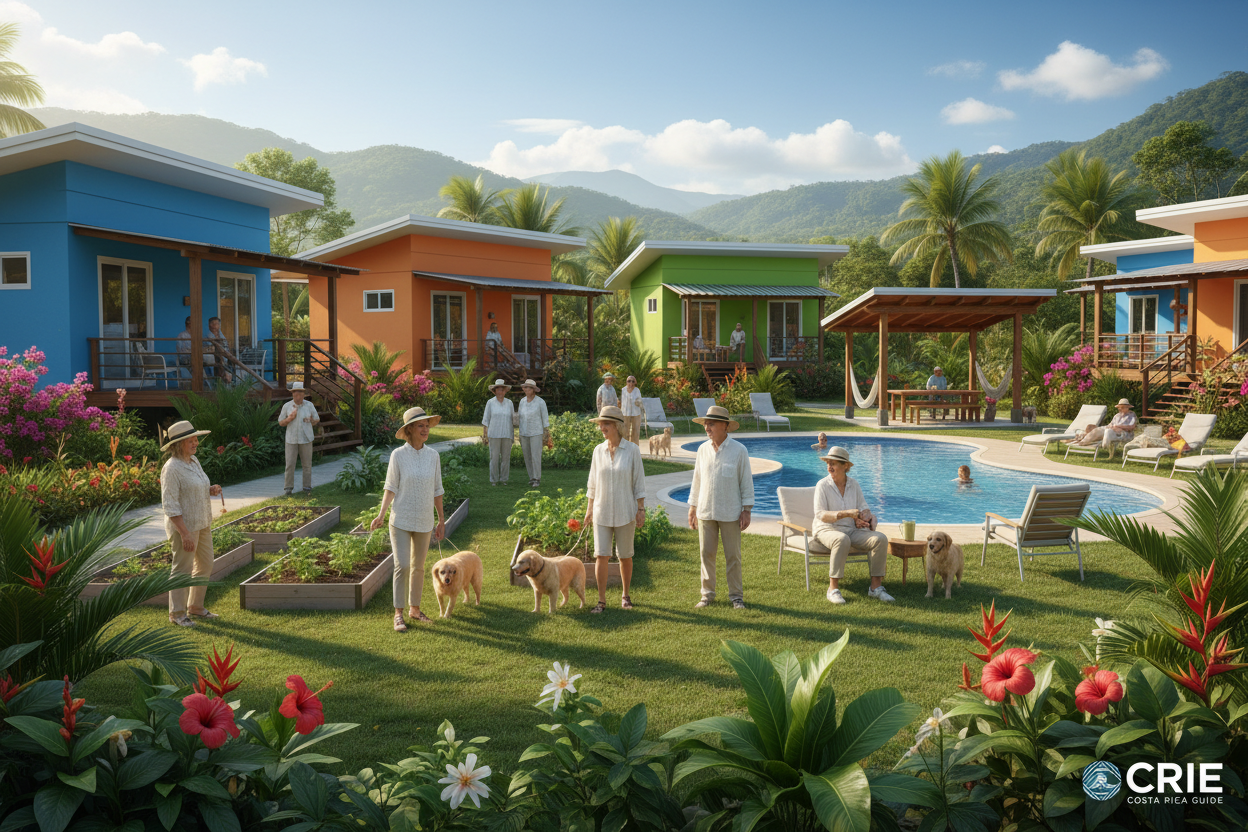
Many North Americans look to costa rica for a relaxed lifestyle and a simpler daily pace. This introduction sets expectations for what “retirement villages” can mean here, from gated resort-style developments to small condo neighborhoods that let a buyer lock-and-leave.
The guide is for people shortlisting places to live part-time or full-time. It helps a buyer compare daily life, access, and community feel before booking tours. Real examples include beach towns like Tamarindo and Manuel Antonio and mountain retreats inland.
Choosing a place (town or region) is different from choosing a community (development). Both shape routine, safety, and convenience. This article previews key decision filters: landscape, climate, airport access, errands, and how social a community is.
Readers will see practical do’s and don’ts, realistic comfort and safety tips, and a clear next-steps plan. The final piece includes a quick checklist and an FAQ to help retirees build a confident shortlist.
Why Costa Rica Works for Retirement Living Right Now
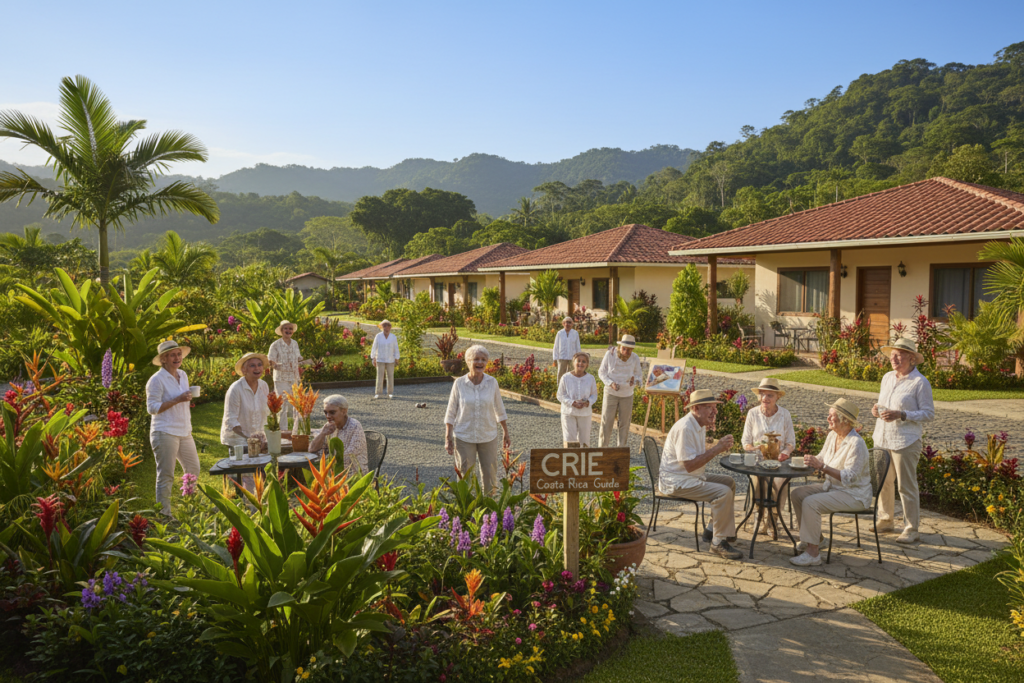
Retiring in Costa Rica often means trading a tight schedule for more time outdoors, friendly neighbors, and simpler daily pleasures. The country’s relaxed culture blends with everyday routines that favor strolls, market visits, and social dinners.
Pura Vida in everyday routine
“Pura Vida” shows up as a slower pace and warm greetings. A typical week might begin with a morning beach walk, a farmers’ market stop midweek, and sunset dinners at a nearby restaurant.
A nature-first lifestyle
Nature becomes an activity list, not just scenery. Residents go birding from their patio, hike nearby trails on weekends, or visit waterfalls for an afternoon swim.
Microclimates and simple climate tips
A 60–90 minute drive can move you from humid beaches to cooler hills with clear mountain views. Try short stays in different zones before deciding.
| Area | Feel | Why it matters |
|---|---|---|
| Coast | Warm, humid | Best for beach days and seaside markets |
| Rainforest edge | Lush, wetter | Daily wildlife and waterfalls nearby |
| Higher hills | Cooler, breezy | Comfortable evenings and panoramic views |
Community momentum
Popular retiree pockets offer more English services, social groups, and low-maintenance property options. That momentum makes settling in easier and expands chances to join clubs or volunteer.
- Do visit during both dry and rainy months.
- Don’t assume one town represents the whole country.
- Think about how you want to spend daily time—errands, recreation, or rest.
What to Look for in costa-rica-retirement-villages Before They Tour
Tour days can dazzle; a simple framework keeps daily life needs front and center. Use this checklist to compare location, homes, and services without getting distracted by views.
Landscape match
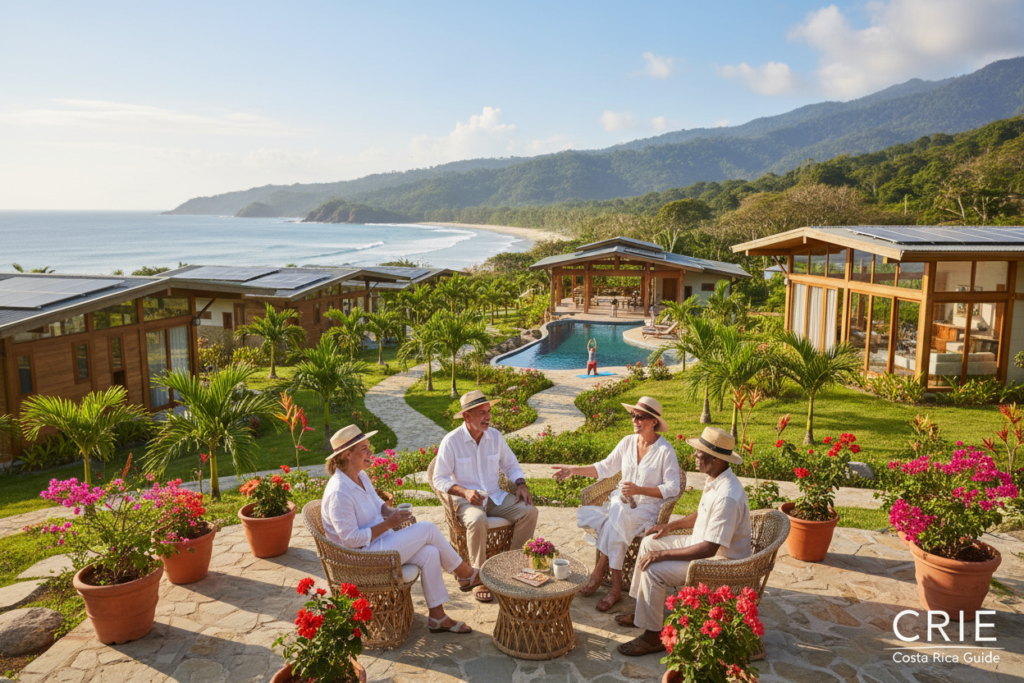
Decide if the pacific coast mornings or cool highland air fits your routine. Coastal areas suit walkable beach life. Higher elevations reduce humidity and offer milder climate for outdoor activities.
Community feel
Ask about weekly events, hobby clubs, and volunteer options. Notice whether the social mix is mostly expat, mostly local, or balanced to match your preferences.
Home types and access
Condos suit lock-and-leave buyers; villas suit privacy. Check easy access to airports, supermarkets, restaurants, and clinics before you fall for a view.
- Do drive the route to the nearest pharmacy and clinic in daylight.
- Do check road quality in the rainy season.
- Don’t assume map times equal real drive times after rain.
| Feature | Typical homes | Good for | Access notes |
|---|---|---|---|
| Beach area | Condos, small villas | Morning walks, social dining | Close to shops, some have Liberia or San José access |
| Mountain area | Houses, eco properties | Cooler climate, hiking trails | Longer drives to city services; quieter roads |
| Near city | Condos, gated communities | Easy shopping and services | Best for frequent city access and amenities |
Pacific Coast Favorites: Beach Communities Retirees Keep Shortlisting
If you prefer easy test stays and a lively beach scene, the north Pacific coast is an obvious place to start. Many retirees find the region offers easy access to short-term rentals, expat networks, and familiar services as they try life abroad.
Tamarindo & Playa Langosta
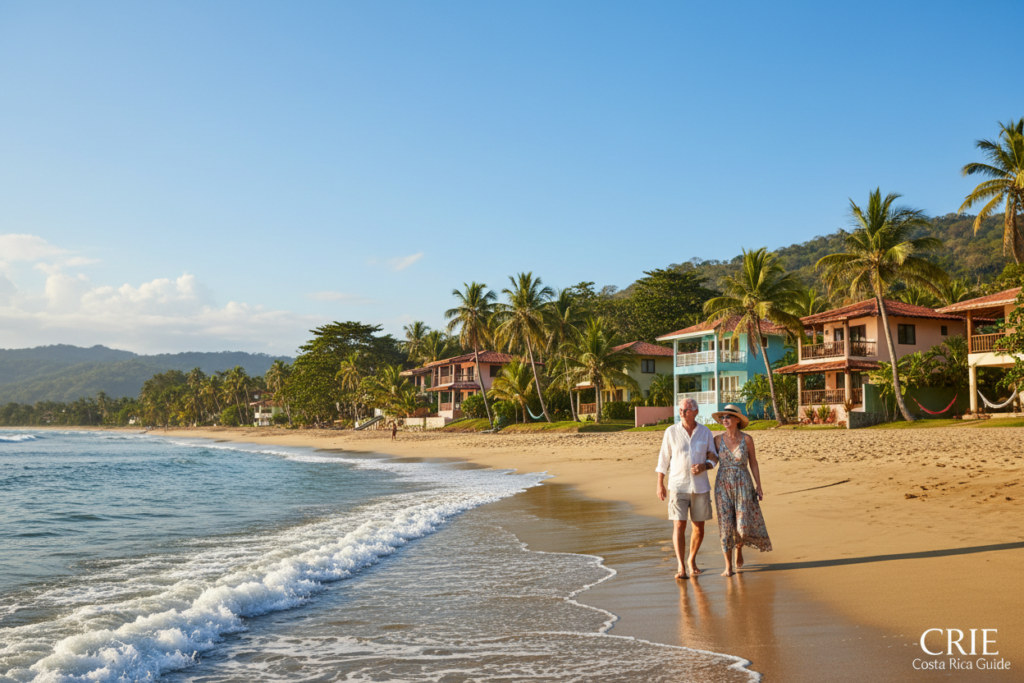
You’ll feel the social energy here: cafes, restaurants, and regular meetups fill the days. Both are about an hour from Liberia airport, with shops, clinics, and pharmacies nearby.
Do test for noise at night if you visit busy streets. Do a walk test at 8 a.m. and 8 p.m. to judge walkability and errands.
Playa Flamingo
Flamingo has a calmer, upscale vibe and a newer marina. Ocean-view neighborhoods often sit on hills, so test your comfort with slopes and hillside drives before choosing a home.
Do check parking and how far groceries are from your door. Don’t assume every property has flat access to the beach.
Playa Avellanas
Choose Avellanas if you want quieter beaches and strong natural beauty. Essentials are fewer here, but Tamarindo is close enough for weekly shopping and a wider choice of restaurants.
Do expect less nightlife and slower rainy-season roads. Don’t rely on daily services within walking distance.
Jacó
Jacó offers town convenience: supermarkets, clinics, and lively dining. It’s about 1.5 hours to San José, so you have access to major services and larger shopping in a day trip.
Do pick your micro-location if you want restful evenings. Don’t assume the whole town is quiet after dark.
- Frame the North/Central Pacific as an “easy-start” region for test stays and expat networks.
- Shortlist two towns with different energy levels (example: Tamarindo vs Avellanas) to compare real living routines over a week.
- Tour prompts: walk at 8 a.m. and 8 p.m., check beach access points, note parking, shade, and how far you’ll carry groceries.
| Town | Feel | Key notes | Airport |
|---|---|---|---|
| Tamarindo / Langosta | Social, lively | Good restaurants, shopping, clinics; test noise | ~1 hour to Liberia |
| Playa Flamingo | Upscale, marina | Ocean views, hillside access; check slopes | ~1 hour to Liberia |
| Playa Avellanas | Quiet, nature-forward | Fewer services; Tamarindo nearby for errands | ~1 hour to Liberia |
| Jacó | Lively town convenience | More shopping and services; louder nights possible | ~1.5 hours to San José |
South Pacific and Rainforest-Edge Living for a Slower Pace
A move to the South Pacific area trades faster airport access for greener views and a calmer daily rhythm. This region suits people who want a nature-centered lifestyle, quieter towns, and easy outdoor activities close to home.
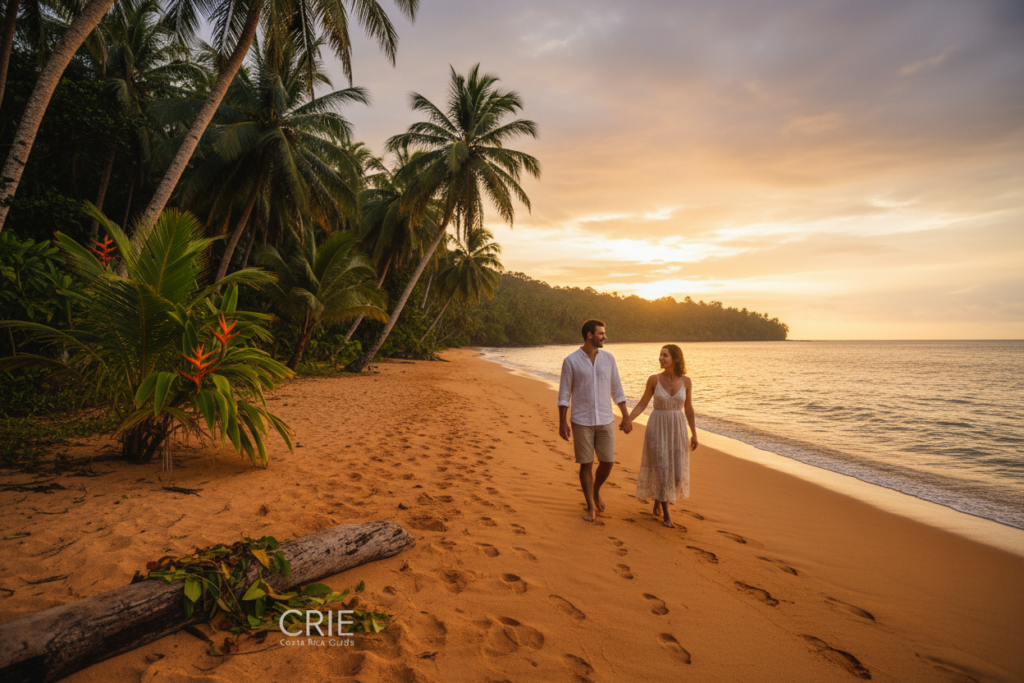
Dominical: wellness vibe and waterfall days
Dominical feels small and wellness-focused. Expect morning yoga classes, a regular farmers’ market, and cafes that open early for surfers and walkers.
A popular outing is a day trip to Nauyaca Waterfall Nature Park for a hike and a swim. Note that the nearest major airport, San José (SJO), is typically a 3.5–4 hour drive, so arrivals and departures need planning.
Manuel Antonio and Quepos: park scenery plus local services
Manuel Antonio offers national-park views, steady wildlife sightings, and more tourist peaks. Quepos supplies markets, a marina, and a small local airport, making errands and boat trips easier.
Daily life here mixes lush natural beauty with enough services for routine living, while tourism can raise noise and seasonal traffic.
Secluded-paradise reality check
Steep driveways, narrow roads, and heavy rain can affect comfort and access. Test-drive routes during or after rain and ask locals where washouts or flooding happen.
- Do ask how roads hold up in the rainy season and where flood risks exist.
- Do plan longer travel days if you’ll fly often from SJO.
- Don’t rent a steep-hill property for a short test stay if you’re unsure about driving confidence.
| Area | Feel | Access |
|---|---|---|
| Dominical | Wellness, small-town | ~3.5–4 hrs to SJO; close to waterfalls |
| Manuel Antonio / Quepos | National-park scenery, busier | Local airport, marina, markets; shorter errands |
If lush surroundings matter but errands must be easier, shortlist homes nearer Quepos rather than deep in the hills. That balance keeps the rainforest environment while reducing travel friction for everyday services.
Gated Communities and Amenity-Heavy Retirement Villages in Guanacaste
Guanacaste offers gated communities that bundle day-to-day convenience with social calendars designed for active retirees.
Hacienda Pinilla
Hacienda Pinilla centers daily life on sport and the beach. Residents can plan golf or tennis mornings, ride in the afternoons, and walk to nearby beaches for sunset.
Reserva Conchal
Reserva Conchal feels like a resort with a strong sustainability focus. On-site amenities include a beach club and an 18-hole golf course. Ask about water and energy programs during your tour.
Pacifico (Playas del Coco)
Pacifico is an established community with mature landscaping, a beach club, and shopping close by. Proximity to services cuts car time for errands and appointments.
Mar Vista
Mar Vista highlights eco-friendly systems such as rainwater harvesting and solar power. Panoramic ocean views mean wind, hillside drives, and stairs—test a route before you buy.
Las Catalinas
Las Catalinas is car-free and walkable. Daily life here favors walking, biking, and water sports. That design builds outdoor activities into routines and reduces driving needs.
- What you buy: convenience, shared amenities, managed landscaping, and a ready social calendar.
- Tour questions: what maintenance covers, how security works, grocery access, and night-driving needs.
| Community | Key amenity | Practical note | Best for |
|---|---|---|---|
| Hacienda Pinilla | Golf, equestrian | Activity-forward routines | Active retirees |
| Reserva Conchal | Beach club, golf | Sustainability programs on-site | Resort-style living |
| Pacifico | Beach club, shops | Mature services nearby | Convenience seekers |
| Las Catalinas / Mar Vista | Walkable town / eco systems | Less driving, hillside access | Outdoor-oriented retirees |
How to Choose the Right Area for Their Lifestyle and Needs
A confident move comes from short, practical stays that mimic real life. Before committing, focus on daily routines: cooking, shopping, walking, and social time. That reveal helps match an area to personal needs.
Test-drive blueprint
Pick two towns with different energy (for example, Tamarindo vs Dominical). Stay 7–14 days in each and live like you would at home. Cook meals, do grocery runs, walk to coffee, and make the daytime drive to a pharmacy.
Do’s and don’ts for scouting
- Do visit at different times of day and check weekend traffic.
- Do test walkability to groceries and basic services.
- Do a daylight drive along your likely routes to note road quality.
- Don’t pick a place after one sunny afternoon; test rainy or hotter months if possible.
- Don’t ignore steep hills or constant noise if quiet sleep matters.
Accessibility examples: airport tradeoffs
| Airport | Typical access | Good for |
|---|---|---|
| Liberia | ~1 hour to many Guanacaste towns | Short coast access, easier regional flights |
| San José (SJO) | Main hub; 1.5–4 hours to common towns | Central connections and South Pacific access |
| Local airfields | Short charters or regional hops | Fast entry to remote places but limited services |
Climate varies by elevation and place. Do at least one stay in a different season to confirm comfort. Rank each place by errands, comfort, community feel, and travel friction, then shortlist the top two for return visits.
Practical Safety and Comfort Tips for Retirees Living in Costa Rica
Small adjustments at home and on the road reduce risk and keep everyday life flowing. These tips focus on common-sense steps that protect property and make outdoor living easier without fear.
Smart-home basics
Use good exterior lighting and keep doors locked. A simple gate or motion sensor can add peace of mind.
Learn normal neighborhood rhythms so unusual activity stands out. Share emergency contacts with neighbors or guards.
Outdoor comfort and wildlife
Check beach flags for rip currents and plan errands early to avoid midday heat. Carry water and use shade breaks.
Wildlife is common: do not feed animals, seal food, use a flashlight at night, and stay on trails.
If you encounter an animal, keep distance, back away slowly, and call property management or local authorities if needed.
Driving and access planning
Drive in daylight when possible and expect lower speeds on rural roads. Rain can add travel time—plan accordingly.
- Save routes to the nearest clinic and pharmacy before moving in.
- Know the fastest route to a hospital (example: Hospital Quepos Manuel Antonio is about 50 minutes from Dominical).
- Keep contact details for local services and neighbors handy.
Residency and help
Residency questions usually arise once retirees decide how much time they will spend per year. Rules vary by category, so get tailored guidance.
CRIE can help with residency questions: WhatsApp +506 8706 3888 | info@crie.cr | www.crie.cr. For basic procedural answers see their frequently asked questions.
| Topic | Quick action | Why it matters |
|---|---|---|
| Home security | Exterior lights & locks | Prevents opportunistic theft |
| Outdoor safety | Check beach flags & hydrate | Reduces heat and water risks |
| Access planning | Save clinic/pharmacy routes | Speeds help when needed |
Next Steps for a Confident Shortlist and a Smooth Move
Focus on a short list of areas that align with your routine and access priorities.
Roadmap: choose 2–3 target areas, book test stays, tour both condo and villa homes, revisit in another season, then narrow to one community or neighborhood that fits your lifestyle and needs.
Turn favorites into a shortlist by scoring weekly routines: shopping, pharmacy runs, restaurants, and walk routes. Balance tours with amenity-heavy communities and regular neighborhoods to compare real costs and daily effort.
Prepare to move: gather important documents, make a 90-day try-it budget, and plan mail, phone, and transport. Quick checklist: choose microclimate, confirm airport drive time, test grocery run and nighttime noise, pin clinic route, check road slope, verify maintenance coverage, and confirm pet/guest rules.
FAQ snapshot: Prefer Liberia or San José access? Pick based on flight needs and drive time. How to test-drive a town? Live like you would at home for 7–14 days. Are gated communities worth it? They offer services and amenities but assess how much you will use activities and social programs. Rainy season driving? Test routes in wet weather. Residency questions? Contact CRIE for category details.
In short, costa rica offers a wide range of options and communities. Choose a place that supports daily comfort and the kind of living you want for the years ahead.
FAQ
What makes Costa Rica an attractive retirement destination right now?
How should they pick between Pacific Coast beach towns and mountain or city locations?
What home types are best for retirees?
How important is access to airports, clinics, and shopping?
What safety and comfort measures should retirees consider?
Are there gated communities with strong amenities for retirees?
How does the climate vary and why do microclimates matter?
What lifestyle activities and services support retirement living here?
How can someone test-drive a town before committing?
What are realistic expectations about secluded or rainforest-edge living?
How does residency work and where can retirees get help?
Article by Glenn Tellier (Founder of CRIE and Grupo Gap)
Don't wait, contact us right now!
Call or WhatsApp Costa Rica +506 8373 2085 or +506 8706 3888
Call USA/Canada +1 305-906-6784