

Did you know that in 2022, over 98% of the electricity in Costa Rica came from clean sources? This small country has become a global leader in sustainability, proving that a green future is possible.
For years, Costa Rica has relied on diverse energy sources like hydroelectric power, wind, and geothermal energy. These resources have helped the country reduce its reliance on fossil fuels and cut carbon emissions significantly.
However, challenges like reduced rainfall and climate change are testing this model. Despite these hurdles, Costa Rica continues to innovate and inspire the world with its commitment to clean energy.
Unveiling Costa Rica’s Renewable Energy Journey
The journey of Costa Rica’s renewable energy transformation is rooted in its history. Decades ago, the country began investing in clean power, setting the stage for its current success. This commitment has made it a global leader in sustainability.
Historical Milestones and National Initiatives
In the 1950s, the nationalization of energy production under the Costa Rican Electricity Institute (ICE) marked a turning point. Early investments in hydroelectric plants, such as those along the Reventazón River, laid the foundation for clean energy. These initiatives reduced reliance on fossil fuels and expanded access to electricity across the country.
By the 1980s, the government introduced policies to diversify energy sources. Wind farms and geothermal plants were developed, leveraging the country’s natural resources. These efforts ensured a stable and sustainable energy supply for the growing population.
Clean Energy Achievements and Global Reputation
Costa Rica’s achievements in clean energy have earned it global recognition. For several years, the country has generated nearly 100% of its electricity from renewable sources. This milestone places it alongside nations like Iceland and New Zealand in the fight against climate change.
Energy experts praise the country’s consistent planning and policy implementation. Public initiatives have not only reduced fossil fuel dependency but also shaped an international reputation for sustainability. Costa Rica’s story serves as an inspiration for other nations striving for a greener future.
Challenges and the Impact of Climate on Renewable Energy
Climate change is testing the resilience of Costa Rica’s energy systems. The country’s reliance on hydroelectric power, which accounts for a significant portion of its electricity, is now under pressure. Reduced rainfall and prolonged El Niño events have disrupted water flows, impacting energy production.
Effects of Reduced Rainfall and El Niño on Hydroelectric Power
In December 2022, technicians from the Costa Rican Electricity Institute (ICE) observed a sharp decline in reservoir levels. Reduced river flows have diminished the efficiency of hydroelectric plants. This trend is expected to continue, with projections showing a drop in renewable energy contributions from 99% in 2021 to 93% by 2024.
Thermal Plant Activation and Adaptive Measures
To address these challenges, the government has activated thermal plants as a temporary solution. Starting in summer 2025, these plants will supplement energy production during periods of low rainfall. While this marks a short-term reliance on fossil fuels, the country remains committed to its long-term sustainability goals.
Adaptive measures like diversifying energy sources and improving infrastructure are also underway. These efforts aim to ensure a stable energy supply while minimizing environmental impact. Despite current setbacks, Costa Rica continues to lead by example in the global shift toward clean energy.
Advancements in Costa Rica’s Renewable Energy and Diversification
Costa Rica is taking bold steps to diversify its energy portfolio. The country is integrating wind, solar, and geothermal solutions to strengthen its power grid. These efforts aim to reduce reliance on any single source and ensure long-term sustainability.
Integration of Wind, Solar, and Geothermal Solutions
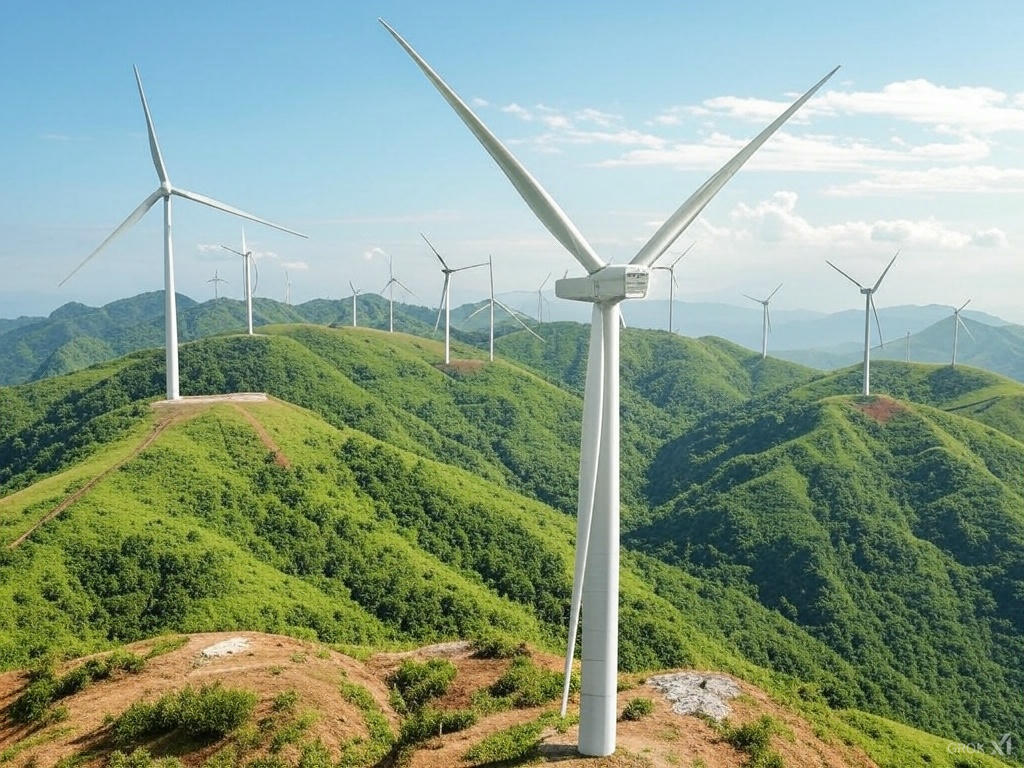
Wind energy projects, like the Los Santos Wind Farm, are expanding the country’s renewable capacity. Solar power installations are also growing, supported by government incentives. Geothermal plants, such as the new 50 MW facilities, are tapping into volcanic activity for clean electricity.
These projects are part of a broader strategy to modernize the national energy grid. By combining multiple sources, Costa Rica is enhancing its resilience to climate challenges.
Government Investments and New Energy Infrastructure
Recent investments include a 305.5 MW hydroelectric facility and smart grid initiatives. The government is also funding research and development to improve energy efficiency. These efforts are expected to boost the country’s renewable energy matrix by 2040.
Infrastructure upgrades, like smart meters, are improving energy distribution. These advancements highlight Costa Rica’s commitment to maintaining its leadership in sustainable energy.
Conclusion
Costa Rica’s commitment to sustainability has set a global benchmark for clean energy. For decades, the country has harnessed its natural resources to produce electricity, reducing reliance on fossil fuels. Its pioneering efforts in hydroelectric, wind, and geothermal power have earned it international recognition.
Despite challenges like reduced rainfall and climate variability, the nation remains resilient. Adaptive measures, such as temporary thermal plant activation, ensure stability while maintaining long-term green goals. Investments in diverse energy sources and infrastructure upgrades highlight its dedication to innovation.
Costa Rica’s journey offers valuable lessons for other nations striving for energy autonomy and sustainability. Its story is a testament to the power of vision, planning, and perseverance in building a greener future.
Article by Glenn Tellier (Founder of CRIE and Grupo Gap)
Don't wait, contact us right now!
Call or WhatsApp Costa Rica +506 8373 2085 or +506 8706 3888
Call USA/Canada +1 305-906-6784