
Temporary residency in Costa Rica is not the final destination — it’s the starting point. After building a life here under a Pensionado, Rentista, Investor, or family residency category, the next milestone is permanent residency: a status that is indefinite, carries no income requirement, and opens the door to citizenship.
Here is what permanent residency actually requires, how it differs from temporary residency, and what changes once you have it.
The Timeline: Three Years of Continuous Legal Residency
To qualify for permanent residency, you must have maintained continuous, legal temporary residency in Costa Rica for at least three years. All three years must be under an approved residency status — not on a tourist visa or outside legal status.
“Continuous” matters here. Extended absences from Costa Rica during your temporary residency period can interrupt the continuity requirement. Traveling is generally fine, but long gaps abroad — particularly those that exceed what your residency status allows — can reset or complicate the clock. An immigration attorney can evaluate your specific travel history.
Which Temporary Residency Categories Lead to Permanent Residency?
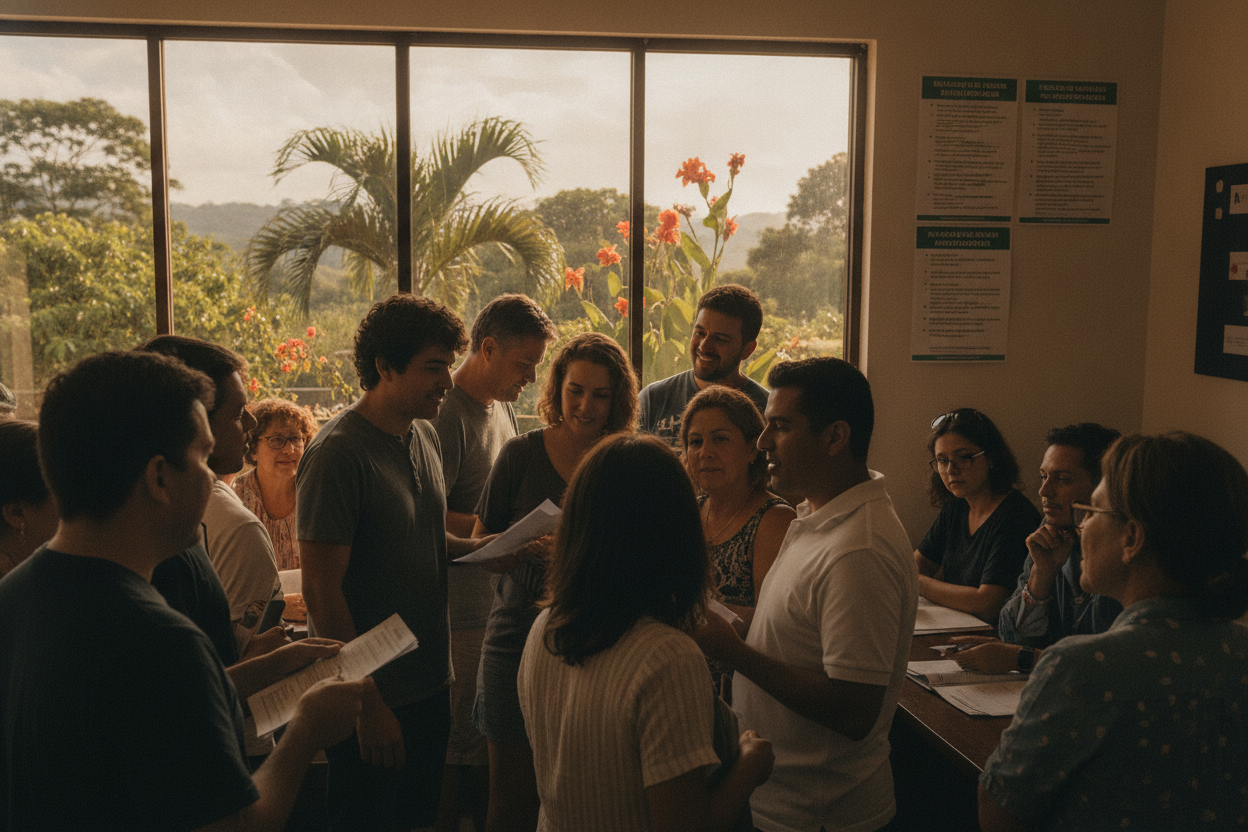
The following temporary residency categories qualify for the three-year upgrade path to permanent residency: Pensionado, Rentista, Inversionista (Investor), and first-degree family relative (spouse or child of a Costa Rican citizen or permanent resident). Other special categories may also qualify — an immigration attorney can confirm whether your specific category applies.
Documents Required for Permanent Residency
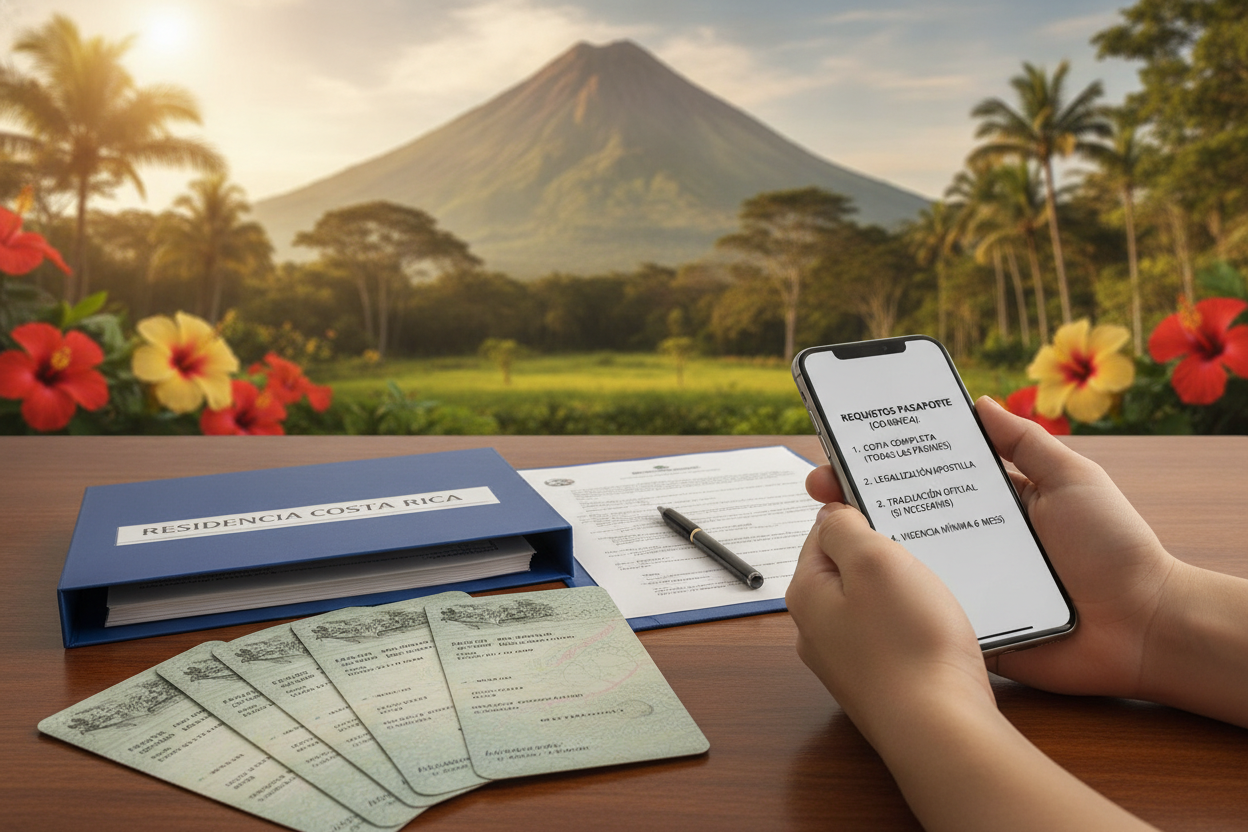
The permanent residency application requires: a valid passport with certified copies; an updated apostilled criminal background check (issued within the validity period); proof of continuous legal temporary residency for the qualifying three years (your DIMEX history, renewal records); and current passport-format photographs.
Some applicants also need to demonstrate financial solvency at this stage, though the specific requirements depend on the category. Your file from three years of temporary residency provides much of the foundation — work with an attorney to determine exactly what is new versus what carries forward.
What Changes with Permanent Residency
Permanent residency brings meaningful practical changes compared to temporary status:
No Ongoing Income Requirement
Pensionados and Rentistas who were required to demonstrate monthly income throughout their temporary residency no longer have to maintain that income threshold as permanent residents. The income certification that defined eligibility for temporary residency does not carry forward as a renewal requirement.
No Fixed Renewal Cycle
Temporary residency requires periodic renewal — with documentation and DIMEX renewal appointments. Permanent residency is indefinite. It can be maintained as long as you maintain ties to Costa Rica and do not abandon the status.
Work Rights
Permanent residents have broader work rights than most temporary residents. They may work for Costa Rican employers and pursue professional activity in Costa Rica, subject to professional licensing requirements in regulated fields.
The Path to Citizenship
Permanent residency is a prerequisite for citizenship. After meeting the residency period requirement — five years for spouses of Costa Ricans, seven years for most others — permanent residents may apply for naturalization through the Tribunal Supremo de Elecciones (TSE).

The Three-Month Processing Standard
Like temporary residency applications, permanent residency applications fall under Article 27 of the Immigration Law — DGME has three months to resolve a complete file. Starting your application well before your current temporary residency expires is advisable; CRIE can help you time the transition correctly.
Ready to Make Costa Rica Official?
CRIE is a Costa Rica-based immigration law firm that has guided hundreds of expats, retirees, and investors through the residency process. Our licensed attorneys handle every step so you can focus on your new life here.
Disclaimer: This article is for informational purposes only and does not constitute legal advice. Costa Rica immigration laws can change. Individual circumstances vary. Consult CRIE or a licensed immigration attorney before filing.