
Americans and Canadians make up two of the largest expat communities in Costa Rica — and for good reason. The country is close to home, the climate is excellent, the healthcare is accessible, and the residency process, while structured, is well-established. Thousands of U.S. and Canadian citizens have successfully navigated it.
Here is what Americans and Canadians specifically need to know about qualifying for Costa Rica residency, including the documents that trip people up and the unique considerations for North American applicants.
No Special Treaty — But a Welcoming System
Neither the United States nor Canada has a bilateral treaty with Costa Rica that creates a simplified residency pathway. Americans and Canadians apply for Costa Rica residency under the same categories and with the same requirements as applicants from any other country: Pensionado, Rentista, Investor, family-based, or work-based.
The upside is that both countries’ pension systems and financial institutions are well-known to DGME and their documentation is familiar. U.S. Social Security benefit letters, for instance, are among the most commonly processed Pensionado documents in Costa Rica.
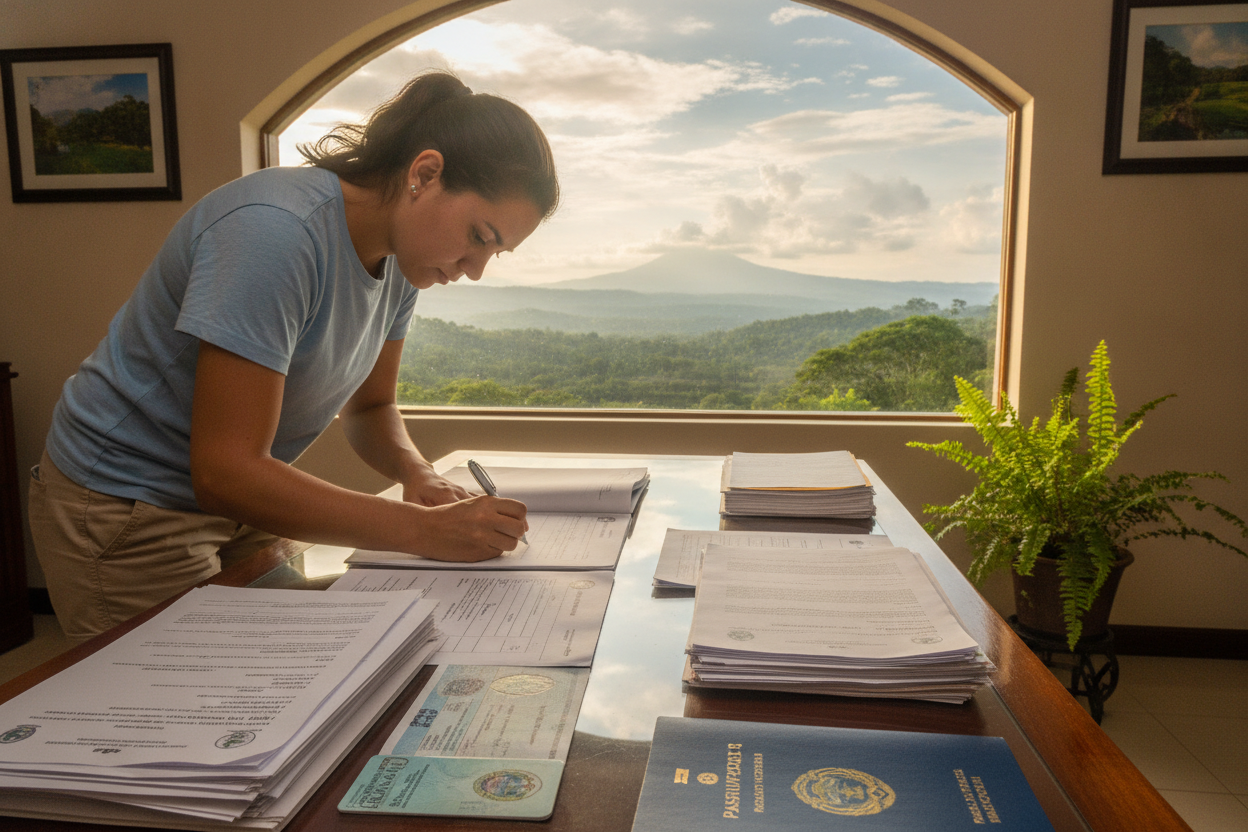
The Most Common Pathways for Americans and Canadians
Pensionado — The Most Popular for Retirees
For Americans and Canadians receiving Social Security, Canadian CPP, Old Age Security, government pensions, or qualifying private pensions, the Pensionado category with its $1,000/month minimum is the most natural fit. The U.S. Social Security Administration and Service Canada both issue benefit verification letters that DGME accepts as pension income documentation, once properly apostilled and translated.
Rentista — For Those with Investment or Passive Income
Americans and Canadians with guaranteed income from trusts, annuities, or certified investment accounts can qualify under the Rentista category ($2,500/month minimum, certified by a recognized financial institution, guaranteed for at least two years). U.S. and Canadian banks and financial institutions are generally accepted as certifying parties, though the certification letter must meet DGME’s format requirements.
Investor — For Property Buyers and Business Investors
Many Americans and Canadians who purchase property in Costa Rica explore the Investor category ($150,000 minimum). As discussed in our full guide to Investor residency, the property must be properly registered and valued — and the investment must be maintained throughout the residency period.
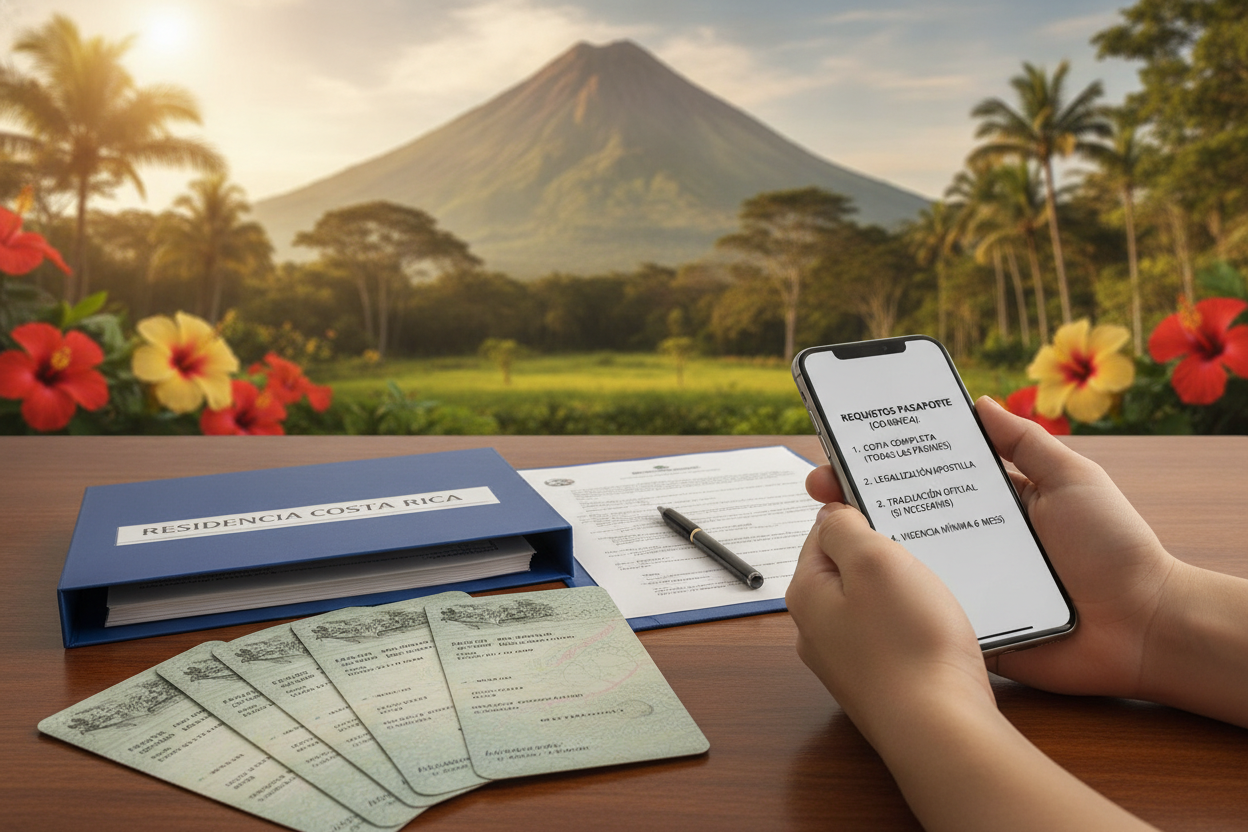
The FBI and RCMP Background Check: A Critical Step
This is one of the most important and most time-consuming documents for North American applicants. Americans must obtain an FBI Identity History Summary — and have it apostilled by the U.S. Department of State. Canadians must obtain a Royal Canadian Mounted Police (RCMP) criminal record check and have it authenticated according to Canadian apostille procedures. (Canada joined the Hague Apostille Convention; the process differs slightly from U.S. procedures.)
Both checks take time to obtain — often weeks to months. The apostilled version has a limited validity window. Plan early, because waiting until the rest of your file is assembled often means the background check will expire before your file is accepted as complete.
Birth Certificates and Apostilles
U.S. applicants need a state-issued birth certificate apostilled by the relevant state’s Secretary of State office — not by the federal government. Canadian applicants need a provincial birth certificate apostilled by the relevant provincial authority. Birth certificates from older records or documents that have been amended may require additional steps before they can be apostilled.
Tax Considerations: Know Before You Go
Costa Rica does not have a tax treaty with the United States or Canada that eliminates residency-related tax filing obligations. Americans living abroad remain subject to U.S. federal tax filing requirements regardless of where they live — U.S. citizens are taxed on worldwide income. Canadians who become Costa Rican residents may trigger different rules depending on whether they sever sufficient ties with Canada. Both situations require consultation with a tax professional who specializes in expat taxation. This is immigration information — not tax advice — and the tax implications of relocating are separate from and in addition to the immigration process.
The Path Forward: Three Years to Permanent Residency
Like all temporary residency holders, Americans and Canadians who obtain Pensionado, Rentista, or Investor residency are on a three-year path to permanent residency. Permanent residency then opens the door to citizenship after five or seven years, administered by the TSE.
CRIE works with North American clients at every stage — from initial application through permanent residency and citizenship — and understands the specific documentation and process nuances for U.S. and Canadian applicants.
Ready to Make Costa Rica Official?
CRIE is a Costa Rica-based immigration law firm that has guided hundreds of expats, retirees, and investors through the residency process. Our licensed attorneys handle every step so you can focus on your new life here.
Disclaimer: This article is for informational purposes only and does not constitute legal advice. Costa Rica immigration laws can change. Individual circumstances vary. Consult CRIE or a licensed immigration attorney before filing.
Article by Glenn Tellier (Founder of CRIE and Grupo Gap)
Don't wait, contact us right now!
Call or WhatsApp Costa Rica +506 8373 2085 or +506 8706 3888
Call USA/Canada +1 305-906-6784