
Costa Rica has emerged as one of the most popular destinations for remote workers, digital nomads, and location-independent professionals. The country offers excellent infrastructure, a stable political environment, a beautiful natural environment, and a time zone that works well for both North American and European business hours.
If you are considering making Costa Rica your base, you will likely encounter two options: the Digital Nomad Visa and traditional residency. Understanding what each actually grants — and what each actually requires — helps you choose the right path for your situation.
What Is the Digital Nomad Visa?
Costa Rica introduced a formal Digital Nomad Visa category that allows remote workers and freelancers earning income from outside Costa Rica to live legally in the country for an extended period without obtaining traditional residency. The visa is designed specifically for people whose income comes from foreign sources — not Costa Rican employers.
Key features of the Digital Nomad Visa include: a defined income threshold (applicants must demonstrate a qualifying minimum monthly income from foreign sources); a specific validity period that can be renewed; and the legal right to reside in Costa Rica without the need to exit and re-enter as a tourist.
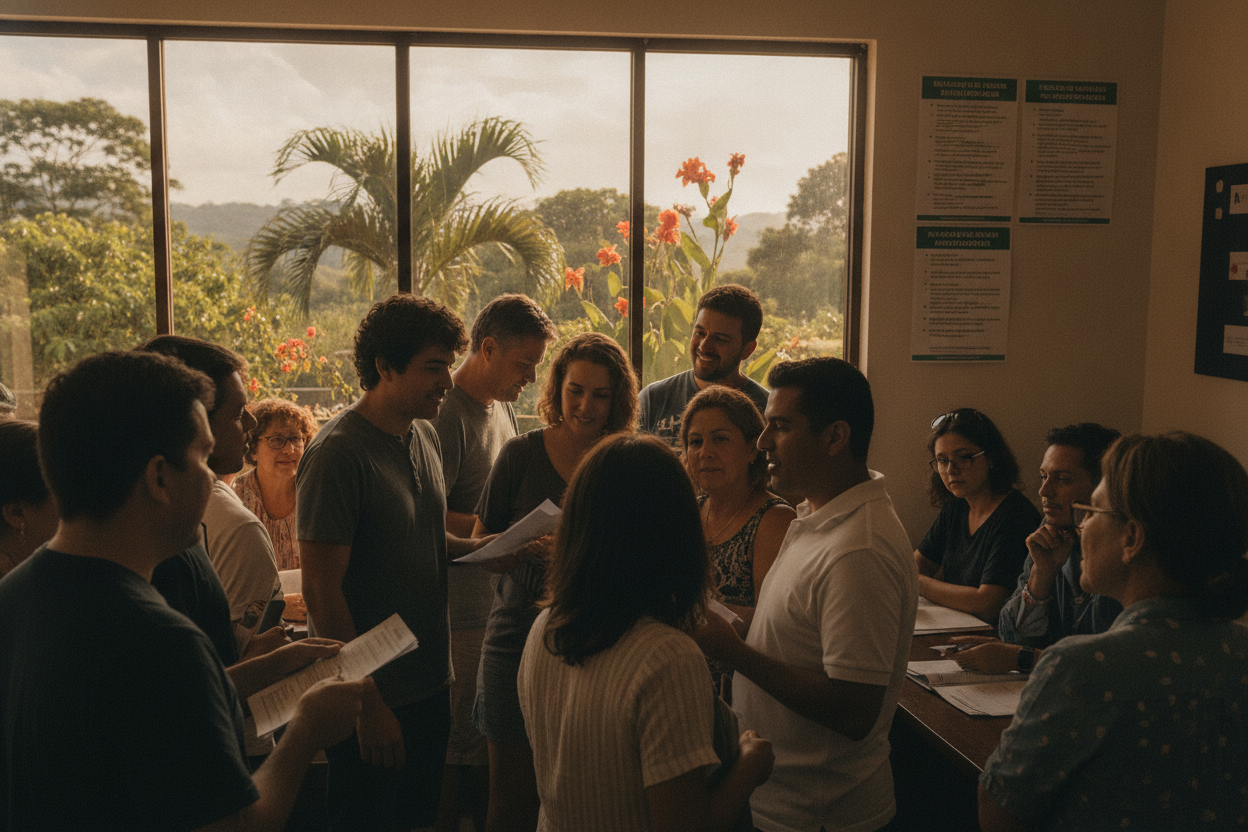
How Traditional Residency Differs
Traditional residency categories — Pensionado, Rentista, Investor, family-based — are processed through DGME and follow the structured pathway toward permanent residency and eventually citizenship. They come with the DIMEX card, full integration into the Costa Rican system (CCSS enrollment, banking, etc.), and a defined route to long-term legal status.
Key Differences at a Glance
Path to permanent residency: Traditional residency categories lead to permanent residency after three years. The Digital Nomad Visa does not count toward the permanent residency timeline — time spent on the Digital Nomad Visa is not residency time for purposes of the three-year upgrade.
Path to citizenship: Because the Digital Nomad Visa does not accumulate residency time, it also does not contribute toward the five- or seven-year citizenship timeline. Only legal residency counts.
CCSS / public healthcare: Traditional residents enroll in CCSS and access the public healthcare system as part of the residency process. Digital Nomad Visa holders are generally required to maintain private health insurance rather than enrolling in CCSS.
Banking: Legal residents with a valid DIMEX generally have an easier time opening Costa Rican bank accounts than Digital Nomad Visa holders, though banking access continues to evolve in Costa Rica.
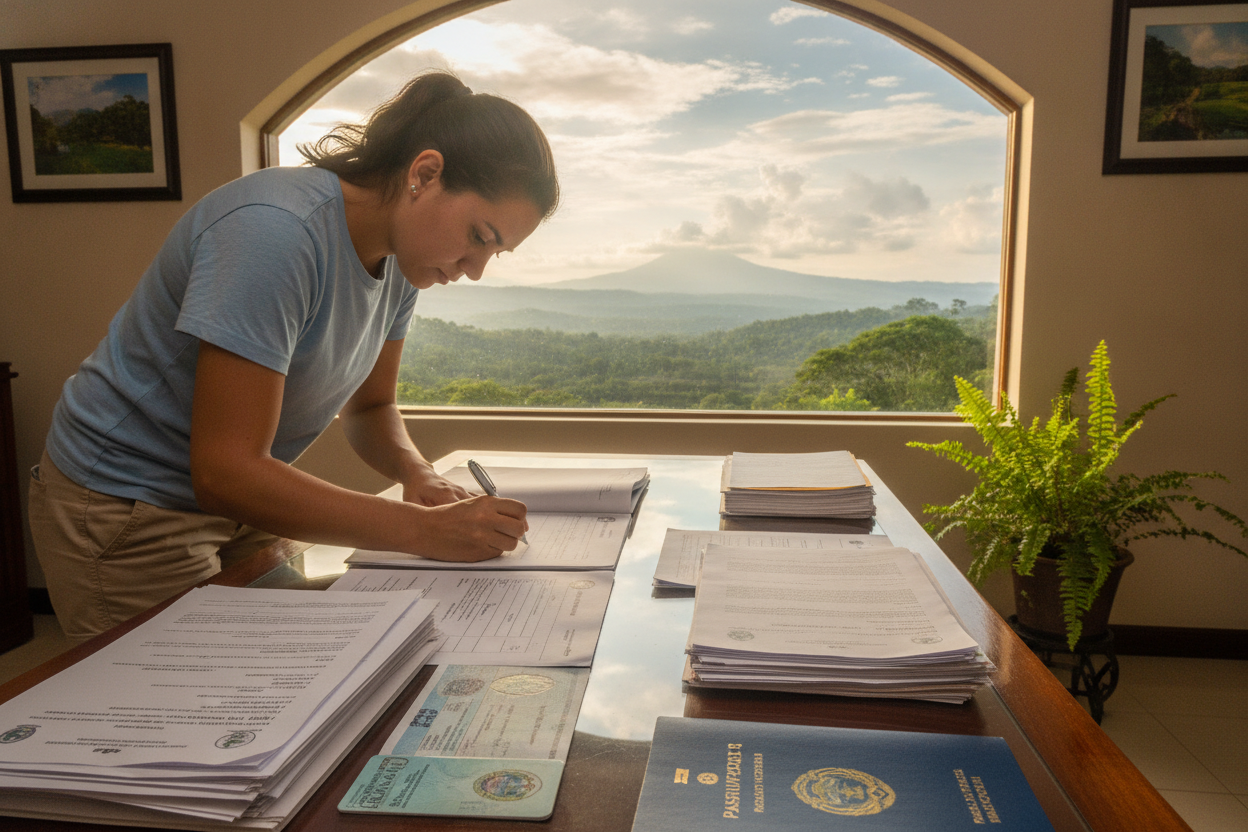
Who Should Consider the Digital Nomad Visa?
The Digital Nomad Visa makes sense for people who: are genuinely uncertain about long-term commitment to Costa Rica and want to experience the country before committing to the residency process; have income from foreign remote work or freelancing that does not fit neatly into the Pensionado or Rentista frameworks; or are exploring Costa Rica as a base while maintaining primary ties elsewhere.
Who Should Go Straight to Traditional Residency?
Traditional residency is the right choice if you: plan to stay in Costa Rica long-term and want the path to permanent residency and citizenship to start as soon as possible; want to enroll in the CCSS public health system; have a qualifying pension (Pensionado), certified guaranteed income (Rentista), qualifying investment (Investor), or Costa Rican spouse; or want to build a stable legal foundation from day one.
Can You Switch from Digital Nomad to Residency?
Yes — the Digital Nomad Visa does not prevent you from subsequently applying for traditional residency through an eligible category. However, time spent on the Digital Nomad Visa does not count toward your residency timeline. If you spend two years on the Digital Nomad Visa and then apply for Pensionado residency, your three-year path to permanent residency begins from the date of your Pensionado approval — not from your arrival in Costa Rica.

The Right Choice Depends on Your Long-Term Plan
If Costa Rica is a trial run, the Digital Nomad Visa buys you time to decide without the commitment of the full residency process. If you already know you want to stay — and especially if you are thinking about permanent residency or citizenship — starting the traditional residency process immediately puts more time on your side.
CRIE helps clients evaluate both options based on their specific income situation, timeline goals, and life plans. The right visa is the one that matches where you actually want to be in five years.
Ready to Make Costa Rica Official?
CRIE is a Costa Rica-based immigration law firm that has guided hundreds of expats, retirees, and investors through the residency process. Our licensed attorneys handle every step so you can focus on your new life here.
Disclaimer: This article is for informational purposes only and does not constitute legal advice. Costa Rica immigration laws can change. Individual circumstances vary. Consult CRIE or a licensed immigration attorney before filing.
Article by Glenn Tellier (Founder of CRIE and Grupo Gap)
Don't wait, contact us right now!
Call or WhatsApp Costa Rica +506 8373 2085 or +506 8706 3888
Call USA/Canada +1 305-906-6784