
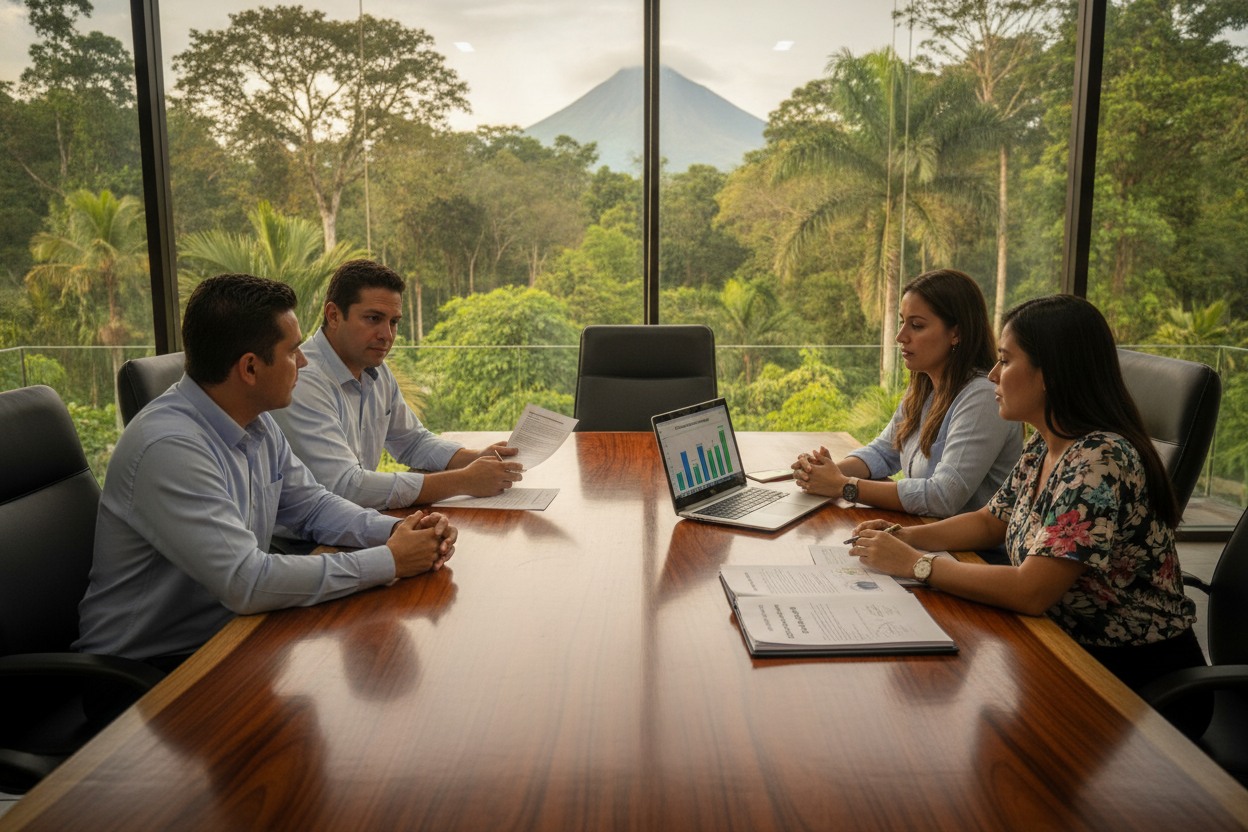
Moving to a new country can be an exciting adventure, especially when considering the vibrant culture and stunning landscapes of this tropical paradise. However, understanding the legal requirements for employment is crucial. In Costa Rica, obtaining a work permit is an essential step for foreign nationals looking to work legally.
For over 20 years, we at CRIE have guided individuals and families through the complexities of residency and work authorization. It’s important to note that these processes, while related, are distinct. This guide aims to provide a clear overview of the requirements and costs involved in securing a legal status to work in this beautiful country.
Each immigration case is unique, influenced by factors such as nationality and personal circumstances. Our goal is to equip you with practical information to help you navigate your journey. If you have questions or need personalized guidance, feel free to reach out to us.
Overview of Residency and Immigration in Costa Rica
Relocating to a new nation offers a wealth of opportunities, particularly in a land rich with culture and breathtaking scenery. Understanding the immigration process is vital for anyone looking to establish a life here.
With over 20 years of experience, we at CRIE have guided countless individuals through the complexities of immigration in Costa Rica. Our expertise helps ensure that you are well-informed about the necessary steps.
Securing residency is often the foundation for long-term stability. It allows you to live in the country legally, beyond the limitations of a tourist visa. Many expats find that obtaining residency is essential before pursuing long-term employment or business opportunities.
Recognizing the differences between temporary and permanent residency is crucial for those planning to make this country their long-term home. Our team is dedicated to providing educational guidance to help you navigate the regulatory environment.
Understanding Costa Rica Work Permit Fees
Applying for a work permit in this beautiful country involves several important costs. The official application fee for a Special Category residency permit is currently set at 28,300 CRC, which is approximately 50 USD. This is just the starting point.
It’s essential to recognize that this basic fee does not cover all expenses. Additional costs may arise from document authentication, translations, and legal processing. Be prepared for various government fees that can occur, especially if you change categories or need to issue official documents.
Moreover, the total costs can vary depending on the type of work authorization you seek and the complexity of your individual documentation. We always recommend budgeting for these administrative expenses early on to avoid unexpected financial hurdles during your application process.
Exploring costa-rica-work-permit-fees: Costs and Considerations
Understanding the financial aspects of securing a work permit in this tropical haven is essential for newcomers. The fee structure can be complex, and it’s crucial to be well-informed.
When analyzing costa-rica-work-permit-fees, keep in mind the following costs:
- A category change request incurs a fee of 102,000 CRC (approximately 200 USD).
- Approval of your legal stay costs 98,200 CRC (around 190 USD).
- The issuance of your migratory document is priced at 123,000 CRC (about 240 USD).
These government-mandated costs are separate from any third-party service fees you might incur for professional assistance with your application. Before applying, ensure your employer is prepared to provide the necessary documentation to justify why a foreign national is required for the role.
Always verify the most current fee schedule with the immigration department, as regulations and costs can change. For more information on living and working in this beautiful country, visit this helpful guide.
Navigating the Work Permit Application Process
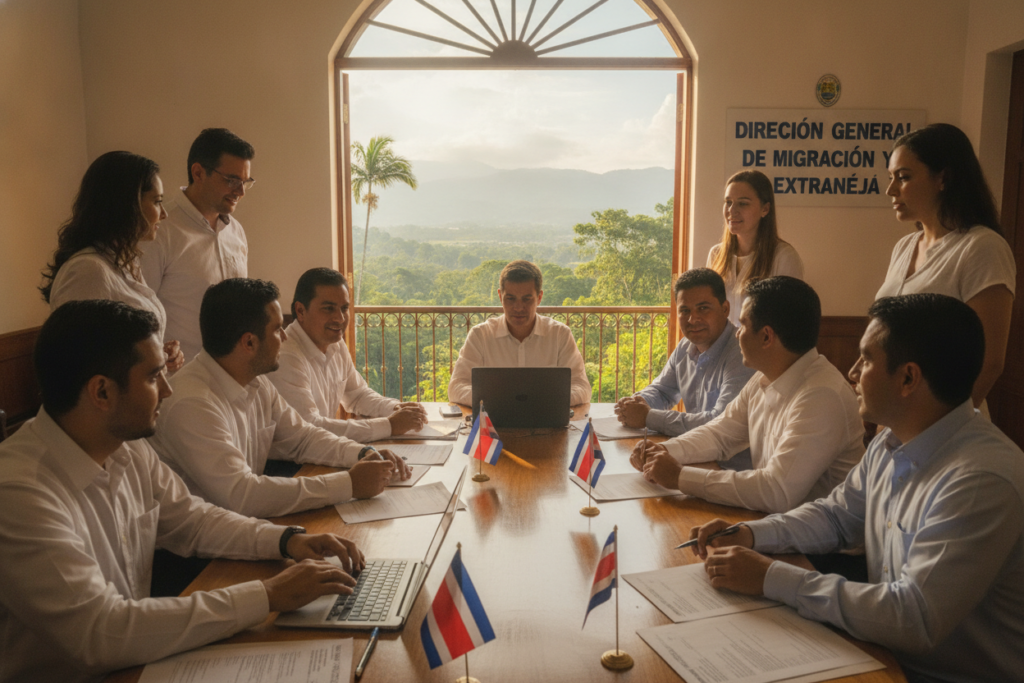
Securing a work permit is a critical step for foreign nationals wishing to work in this vibrant country. The Dirección General de Migración y Extranjería is the main authority overseeing all residency and work applications.
Employers play a vital role in this process. They must submit necessary documentation to justify hiring a foreign worker over a local candidate. This step is essential for a successful application.
It’s important to note that the application process is document-heavy. Careful coordination between the hiring company and immigration authorities is required. Make sure all personal documents are properly apostilled or notarized before submission.
Monitoring the status of your application is crucial. Authorities may request additional information or clarifications during the review period. For more detailed information on residency and work permits, check out this guide.
Eligibility and Documentation Requirements
Understanding the eligibility criteria for employment in a new country is essential for a successful transition. To apply for a work visa, you must gather specific documents to support your application.
First, you need to demonstrate that your skills are not readily available in the local labor market. This proof is crucial for obtaining a work permit. Additionally, a clean police clearance certificate from your home country is a standard requirement.
All foreign documents must be translated into Spanish by an official translator and notarized. This ensures they are accepted by immigration authorities. Your employer must also provide proof of their legal registration and good standing with the local social security system to sponsor your application.
Lastly, maintaining organized records of your birth certificate, passport copies, and professional credentials is vital for a smooth submission process.
Residency vs. Work Permit: What You Need to Know
Understanding the differences between residency and work permits is vital for anyone looking to build a life in a new country. Permanent residents enjoy the freedom to work in any sector without the limitations of temporary permits.
Many expats begin with a temporary work permit. After fulfilling the required three-year stay, they often transition to permanent residency. This change simplifies the process, as permanent residents do not face annual employer-sponsored work permit renewals.
It’s essential to note that not all residency categories permit employment. Therefore, selecting the right category that aligns with your goals is crucial.
We help our clients navigate these distinctions, ensuring they make informed decisions about their long-term immigration strategy in Costa Rica. For more insights, visit our frequently asked questions page.
How CRIE Supports Your Immigration Journey
Navigating the complexities of immigration can feel overwhelming, but support is available to guide you. At CRIE, we provide practical guidance to help you navigate the immigration landscape. Our goal is to ensure you have the information needed for your specific situation.
Johanna Alvarez, our dedicated immigration expert, is available to provide personalized advice regarding your residency and work authorization options. You can reach out to us via WhatsApp at +506 8706 3888 or email info@crie.cr to discuss your next steps in the immigration process.
We pride ourselves on offering clear, factual support to help families and individuals transition smoothly into their new lives in this country. Please remember that every case is unique, and we are here to help you understand the requirements based on your personal history and goals.
The Connection Between Residency and Work in Costa Rica
The interplay between residency and work eligibility is a key aspect of the immigration process in this vibrant nation. Your residency status often dictates your ability to engage in local employment activities.
It’s essential to understand that many temporary residency categories are designed for individuals who do not intend to work. For instance, retirees or those with independent means may fall into this category.
If you plan to work, ensure your residency category specifically authorizes employment. Alternatively, you may need a separate, valid work permit to engage in professional activities.
We assist clients in identifying which residency path best supports their professional goals while remaining compliant with local immigration regulations. Understanding this link early on prevents potential legal issues and ensures you are working within the bounds of your authorized status.
Tips for a Smooth Work Permit Application
A well-organized application can ease the journey to obtaining your work permit in this vibrant country. Here are some essential tips to keep in mind:
- Always double-check that your documents are current. Ensure your passport has sufficient validity for your stay.
- Plan ahead, as the immigration office does not accept applications on the last Friday of the month.
- Collaborate closely with your employer to ensure all corporate documents are in order. This can significantly reduce delays.
- Keep copies of every document you submit. Having a complete file is vital for tracking your progress.
- Lastly, patience is key. Processing times can vary based on application volume and complexity.
Understanding Costa Rica’s Immigration Regulations
Understanding the legal framework of immigration is crucial for anyone considering a move to a new country. Costa Rica maintains strict immigration regulations to ensure that employment opportunities are prioritized for its citizens and permanent residents.
Foreign nationals must comply with all local laws, including registering their fingerprints with the Ministry of Public Security upon arrival. Staying informed about changes to immigration policy is essential, as the government periodically updates requirements for work and residency permits.
We encourage all applicants to review the official guidelines provided by the immigration department to ensure full compliance with current laws. Understanding these regulations helps you avoid penalties and ensures that your stay in the country remains legal and stress-free.
Practical Steps for Securing Residency and Work Authorization
The process of establishing residency and work authorization in a new country can be intricate yet rewarding. For remote workers, the Digital Nomad visa introduced in 2022 offers a pathway to live in the country with a $3,000 USD monthly income requirement.
Your first step in securing authorization is often contacting the nearest consulate. This will help you determine if you need to initiate your process from abroad. Once you arrive, completing your registration with the Dirección General de Migración y Extranjería is essential to finalize your legal status.
We guide our clients through these practical steps, helping them gather the necessary proof of financial means and other required documentation. Taking a structured approach to your application will help you manage the timeline and ensure all requirements are met before your arrival.
Key Considerations for International Applicants

Transitioning to a different country can open up a world of possibilities, especially when embracing a rich culture and diverse landscapes. For those seeking a work visa, several key factors come into play.
Your nationality can significantly influence the specific visa requirements and the ease of obtaining a work permit in Costa Rica. If you are moving with family, it’s crucial to consider the requirements for dependent visas for your spouse and minor-aged children.
We help you evaluate how your family situation impacts your overall immigration strategy, ensuring everyone has the correct legal status. International applicants should be prepared to provide extensive documentation, including marriage certificates and birth certificates for all family members.
Every case is unique, and we provide personalized advice to help you navigate the specific challenges associated with your background and family needs.
Staying Compliant with Costa Rica’s Immigration Laws
Complying with immigration laws is essential for anyone looking to work in a new country. To maintain your legal status, it’s important to renew your permits well before they expire. This helps avoid any gaps in your residency.
Employers play a crucial role in this process. They must ensure that foreign workers are registered with the national social security system and other local authorities. This compliance is vital for both the employee and employer.
Failing to adhere to the terms of your work visa can lead to serious legal consequences. For example, changing employers without proper authorization can jeopardize your status. We advise keeping a calendar of all important dates, including permit renewals and document expiration.
Regular communication with the Dirección General de Migración y Extranjería is essential. Staying updated on any changes to your legal obligations can help ensure a smooth experience while living and working in this beautiful country.
Ready to Take Next Steps with CRIE?
If you are ready to move forward with your immigration journey, we are here to provide the support you need to succeed. Our team is dedicated to guiding you through the complexities of obtaining the necessary permits and understanding the requirements for your specific situation.
For personalized advice and current pricing, please reach out to our expert, Johanna Alvarez. You can contact us today via WhatsApp at +506 8706 3888 or send an email to info@crie.cr to start your consultation.
Visit our website at crie.cr to learn more about how we have assisted individuals and families for over 20 years. We look forward to helping you navigate the complexities of residency and work authorization in this beautiful country.
FAQ
What types of work permits are available in Costa Rica?
How long does the work permit application process take?
What documents do we need to apply for a work permit?
Are there any fees associated with the work permit application?
Can we work while our application is being processed?
What happens if our work permit application is denied?
Do we need to renew our work permit?
How does our nationality affect the work permit application?
What is the role of an employer in the work permit application?
How can we ensure compliance with Costa Rica’s immigration laws?
Article by Glenn Tellier (Founder of CRIE and Grupo Gap)
Don't wait, contact us right now!
Call or WhatsApp Costa Rica +506 8373 2085 or +506 8706 3888
Call USA/Canada +1 305-906-6784