
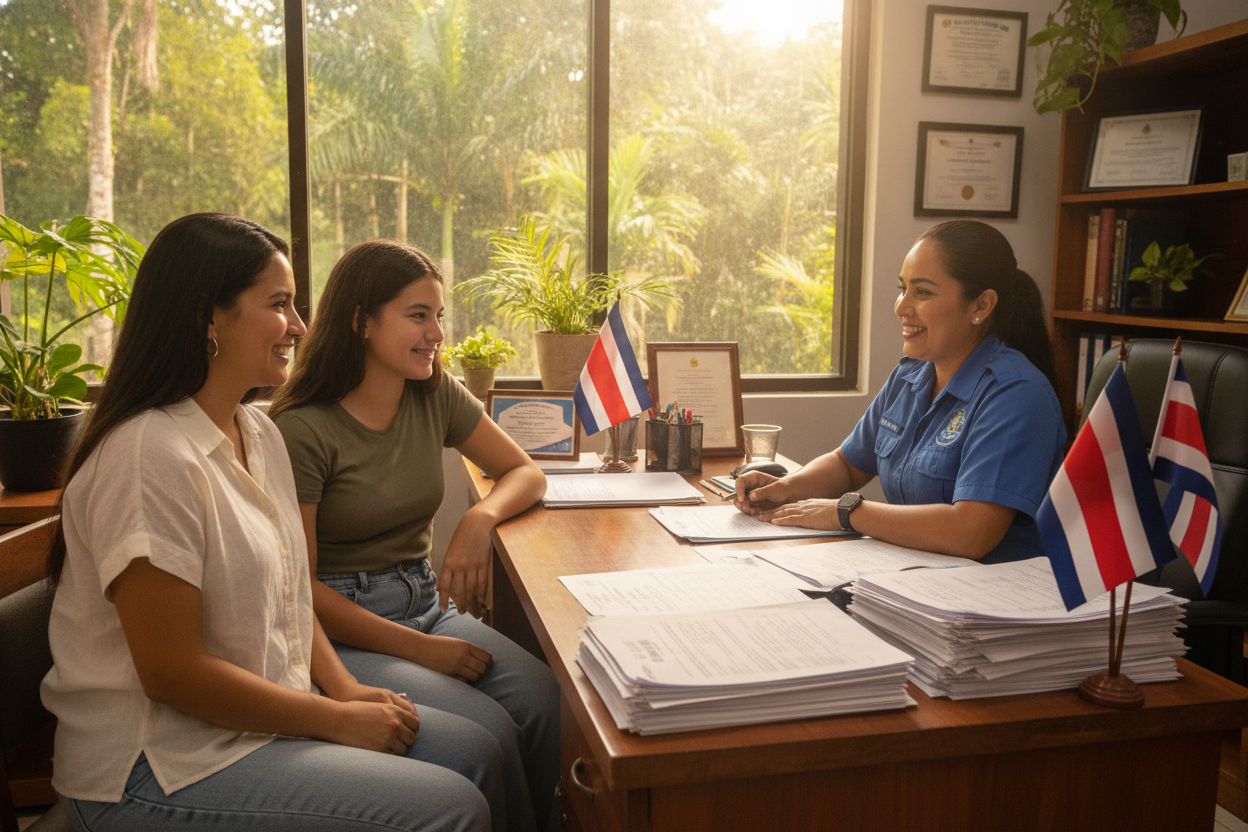
Moving to a new country like Costa Rica is a significant life decision. It requires careful planning for every family member. According to a 2023 Forbes magazine report, Costa Rica ranks as the 5th preferred destination for people looking to establish a new life.
As your children grow older, maintaining their legal status can become complex. Our team understands these challenges and aims to provide clear information on navigating the process. We want to help you feel confident and informed about the necessary steps.
Understanding the legal framework is essential. It ensures that your family can continue to enjoy the benefits of living in this beautiful country together. We are here to guide you through the journey of residency and all that it entails.
Overview of Dependent Residency in Costa Rica
Choosing to live in Costa Rica is a choice that requires thoughtful planning. Understanding the basics of the immigration system is essential for families looking to settle here. The Costa Rican immigration framework allows primary applicants to include immediate family members under their residency category, simplifying the process.
More than 90% of participants in a 2021 InterNations survey described Ticos as friendly and kind people. This welcoming atmosphere makes the transition smoother for newcomers. CRIE has dedicated over 20 years to assisting families in navigating the complexities of residency and immigration requirements.
We focus on providing practical guidance so that every family member understands their status and obligations. Navigating the administrative landscape of Costa Rica is much easier with reliable information tailored to your specific family situation.
Key Considerations for Children Aging Out
Understanding the transition to adulthood in Costa Rica is crucial for families. The immigration law has specific provisions regarding children who apply as dependents. Children aged 0 to 18 can generally be included under their parents’ residency status.
Once children reach 18, they may remain as dependents until 25 if they are actively studying and economically dependent. This allows for a smoother transition into adulthood while ensuring compliance with residency requirements.
For families with children who have a disability, the law is even more accommodating. These children can remain dependents beyond the age of 25. It’s vital to monitor your children’s age closely to stay compliant with Costa Rican immigration regulations.
We are here to help you track these milestones. This way, your residency status remains secure as your children transition into adulthood within the country. For more detailed information, visit this page.
when-children-age-out-of-costa-rica-dependent-residency
Transitioning to adulthood in a new country like Costa Rica can be both exciting and challenging. Families must navigate the changing residency requirements as their children grow older.
When your child reaches the age limit, it’s essential to start a new application process to transition them into an independent residency category. This involves gathering necessary documents, such as an apostilled birth certificate and a national background check for any applicant over 18.
Preparing these documents well in advance is crucial. The residency process in Costa Rica requires strict adherence to expiration dates. We assist you in organizing the necessary paperwork to ensure that your child’s transition to a new status is handled correctly and efficiently.
Proper preparation prevents gaps in your child’s legal status while they continue their life and studies in Costa Rica. For more detailed information on document requirements, visit this page.
Impact on Family Residency Status
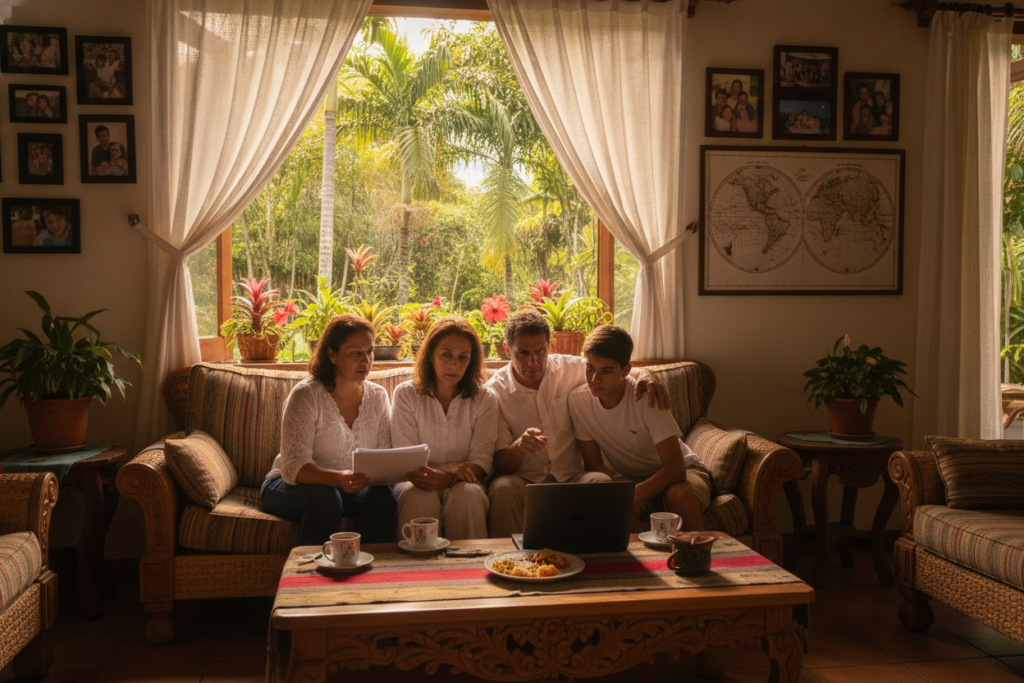
The journey of adapting to a new environment like Costa Rica can impact the entire family. Changes in one family member’s residency status can influence the overall structure for everyone involved.
It is essential to assess how a child’s transition affects the primary applicant and the spouse. Many families find that proactive planning helps avoid disruptions in their ability to live together in this beautiful country.
We provide insights into how these administrative shifts impact your spouse and other dependents. Clear communication with immigration authorities is vital for protecting the residency rights of your family.
Steps to Maintain Residency and Explore Transition Options
Navigating residency options in Costa Rica requires careful consideration as children transition to adulthood. Families need to be aware of the various paths available for maintaining legal status.
If your child no longer qualifies as a dependent, they may explore the Pensionado option. This requires proof of a pension income of at least $1,000 per month. Another path is the Rentista option, which demands a stable foreign income of at least $2,500 per month for two years.
For those with significant capital, the Investor residency option necessitates a $200,000 investment in a business or property within Costa Rica. Each applicant must carefully review these paths to determine which residency option best fits their financial situation and long-term goals.
We guide you through these alternatives, ensuring that you have the correct income documentation for your specific residency application. For more detailed information on transitioning to independent residency, visit this page.
Understanding Legal Guidelines and Administrative Requirements

Understanding the legal framework surrounding residency in Costa Rica is essential for families. The General Immigration Law outlines the necessary steps and timelines for residency applications.
Typically, the government aims to resolve residency applications within 90 days. However, current processing times often extend from 9 to 12 months.
It is crucial to grasp the specific requirements set by the Costa Rican government. This knowledge ensures that your application is submitted correctly and on time.
We assist you in interpreting complex immigration regulations. This support helps ensure that your documentation meets all legal standards for the residency process.
Our expertise clarifies facts regarding your application, saving you time and reducing stress. By staying informed about the latest government policies, we help you navigate the residency landscape in Costa Rica with greater clarity.
Time-Sensitive Considerations and Future Planning
Being aware of important deadlines is crucial for anyone living in Costa Rica. Families must track various dates to ensure compliance with immigration requirements.
Planning ahead for document renewals is essential. For instance, a standard tourist visa is valid for only 90 days. Overstaying can lead to fines of $100 for every 30 days. Many people rely on a tourist visa while their residency application is pending, making it vital to monitor every day spent in the country.
Additionally, your birth certificate and marriage certificate must be valid for six months. These documents are critical for your residency application. Remember to renew your residency identification card every two years to maintain your legal status.
We assist you in managing these deadlines. This way, you can continue to apply residency strategies effectively without facing unnecessary legal penalties.
Reach Out for Personalized Guidance
Building a future in Costa Rica requires thoughtful consideration and planning. Every case is unique, depending on your nationality, family situation, and immigration history.
For personalized guidance and to discuss your next steps, please connect with our immigration expert, Johanna Alvarez. You can reach our team via WhatsApp at +506 8706 3888 or email us at info@crie.cr.
Visit our website at crie.cr to learn more about how we support foreigners in establishing their new life and business in Costa Rica. We are here to help you explore all available options and ensure your application is handled with care and professionalism.
FAQ
What happens when our child turns 18 while on dependent residency in Costa Rica?
How can we transition our child’s residency status?
What documents do we need to prepare for the residency transition?
How long does the application process take for a new residency status?
Can our child apply for a tourist visa after aging out of dependent residency?
Will our family’s residency status be affected when our child ages out?
How can we ensure we are compliant with Costa Rican immigration laws during this transition?
What should we consider for future planning regarding our child’s residency?
Article by Glenn Tellier (Founder of CRIE and Grupo Gap)
Don't wait, contact us right now!
Call or WhatsApp Costa Rica +506 8373 2085 or +506 8706 3888
Call USA/Canada +1 305-906-6784