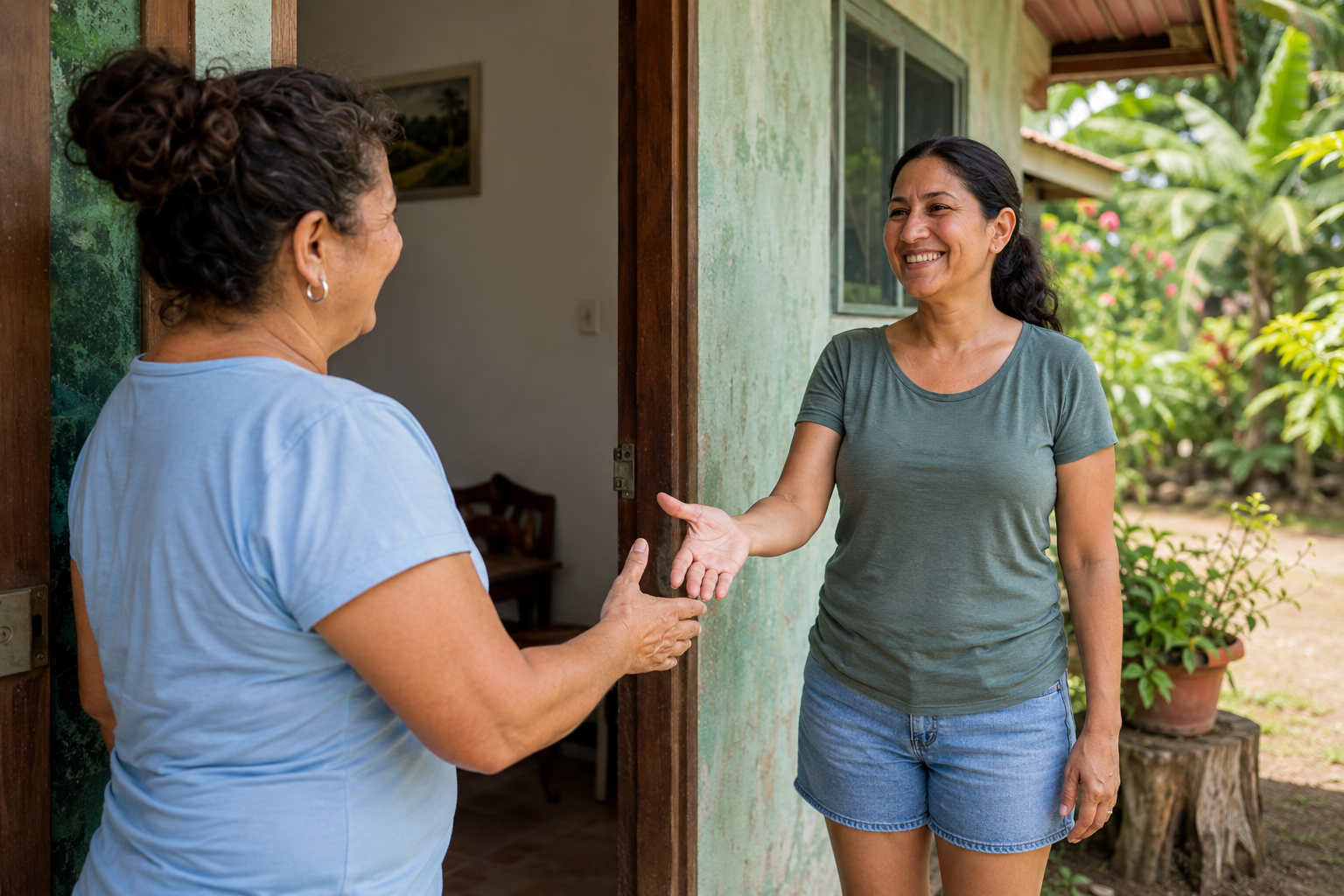
Are you considering making a new home in a vibrant country? Many people are drawn to this beautiful destination for its warm climate and welcoming culture. With thousands of U.S. citizens choosing to settle here, the appeal is clear.
Embarking on the journey toward obtaining citizenship requires a solid understanding of the legal framework. This guide aims to help you navigate the complex requirements for residency and naturalization. We will clarify the distinctions between residency and citizenship, which is crucial for anyone looking to establish long-term roots.
The U.S. Embassy provides resources for those wishing to reside long-term. However, they advise exercising caution in personal matters involving business or legal transactions. Our goal is to provide factual information that helps you prepare for the legal process of becoming a recognized member of this society.
Overview of Costa Rican Residency and Immigration
What if you could find a home in a nation known for its friendly people and vibrant lifestyle? Understanding the nuances of residency and immigration in Costa Rica is essential for anyone considering this transition.
For over 20 years, CRIE has provided expert guidance to individuals and families navigating the complexities of residency and immigration in Costa Rica. Our experience allows us to help you distinguish between legal residency, which permits you to live here, and full citizenship, which offers additional rights.
The process of obtaining residency is managed by the Costa Rican government. Applicants must meet specific criteria for their chosen category. While we assist with residency services, it is crucial to remember that final approval rests with the relevant authorities in Costa Rica.
Understanding these foundational concepts ensures you are well-prepared for the multi-year commitment required to transition from a resident to a citizen.
Understanding costa-rica-dual-citizenship: Rules and Realities
Imagine a place where your roots can grow in a welcoming environment. The concept of dual citizenship allows individuals to maintain their original nationality while embracing the rights and responsibilities of being a Costa Rican citizen.
Costa Rica recognizes dual nationality, which means you do not need to renounce your current status when pursuing Costa Rican citizenship. This is an important consideration for many applicants.
However, applicants must adhere to the specific laws of both nations. Ensuring full compliance with all legal obligations is crucial for a smooth transition into your new life.
The legal framework for naturalization is designed to integrate newcomers who have shown commitment through long-term residency or marriage. Understanding these rules is essential for anyone seeking to balance their international identity with local legal requirements.
Navigating the Residency Process in Costa Rica

What if you could build a future in a country that embraces newcomers? The residency process in Costa Rica is an essential step for those looking to settle here. Typically, it begins with temporary residency, which must be renewed every two years to maintain your legal standing.
After two to three years, certain applicants may qualify for permanent residency. This transition marks a significant milestone in your journey. We guide you through each step, ensuring your documentation is accurate and submitted on time.
Maintaining continuous residency is vital for anyone planning to apply for citizenship in Costa Rica. Our practical approach helps you navigate this process smoothly, minimizing delays and keeping you in good standing throughout your residency journey.
Key Documentation and Legal Requirements
Navigating the paperwork for residency in a new country can be daunting. To ensure a smooth process, you must gather essential documents. This includes a valid birth certificate and a criminal record check. Both must be authenticated with an official Apostille.
Obtaining an Apostille is crucial, as it must come from the state or federal authority where the U.S. document was issued. It’s important to note that the U.S. Embassy does not provide Apostille services. Additionally, criminal history records also require this certification.
Meeting the government’s strict compliance standards is vital. All documents need to be translated into Spanish and properly legalized for use in Costa Rica. We emphasize the importance of maintaining custody of your legal documents, as these are the foundation of your residency and citizenship application.
Failure to provide the correct paperwork can lead to significant delays in processing your file. Our team helps you understand the specific requirements for each document, ensuring you are prepared for every stage of the legal process. For more details on obtaining necessary certificates, visit this link.
Balancing U.S. and Costa Rican Legal Guidelines
Understanding the legalities of moving to a different country can greatly enhance your experience. For U.S. citizens, navigating the requirements of residency in Costa Rica involves several key steps. One important aspect is registering with the Smart Traveler Enrollment Program (STEP). This program provides vital security updates and information about your safety while living abroad.
The Costa Rican government mandates a consular inscription as part of the residency process. This step requires a visit to the U.S. Embassy, where you can also access notarial services for a fee of $50. Balancing the legal guidelines of your home country with those of Costa Rica requires careful attention to detail and proactive planning.
We assist you in coordinating these requirements, ensuring that your time in the country is spent in full legal compliance. Proper registration with the embassy is essential for protecting U.S. citizens and facilitating the necessary paperwork for your residency application.
Preparing for Social Studies and Language Assessments

Preparing for citizenship involves understanding the local language and culture. Applicants must pass written exams in Spanish and social studies. These assessments are vital for demonstrating your integration into Costa Rican society.
To qualify for naturalization, you need to show a functional understanding of the history and values of this vibrant nation. An exemption from these exams is granted to those over 65 years of age, allowing them to focus on other aspects of their citizenship journey.
We provide resources and study tips to help you prepare effectively for these assessments. While the exams may seem daunting, consistent preparation often leads to success and a deeper appreciation for your new home.
Understanding the specific requirements for these tests is crucial for anyone pursuing full citizenship. We are here to guide you every step of the way.
Exploring Residency Through Marriage to a Costa Rican Citizen
Establishing residency through marriage can provide a unique opportunity for a new life. Many individuals choose this pathway, which can lead to eligibility for citizenship after five years.
To qualify, applicants must be married to a Costa Rican citizen for at least two years. During this time, you must reside continuously in Costa Rica. Any time spent outside the country pauses the residency requirement.
We assist you in gathering the necessary documentation to prove the validity of your marriage and your continuous presence in the country. Understanding these criteria is essential for a smooth transition.
It’s important to note that our team will help you navigate the specific requirements for spousal residency. This ensures you can approach the process with confidence and clarity.
Cultural Integration and Community Engagement in Costa Rica
Integrating into a new society opens doors to unforgettable experiences. Embracing local customs and engaging with your community are essential aspects of living in this vibrant country. As you work toward citizenship, you will discover the many benefits of being a member of this welcoming nation.
Building strong ties with your neighbors and participating in local events helps you feel more at home while you live in Costa Rica. We encourage all our clients to immerse themselves in the local culture, which enriches the experience of living here long-term.
The journey to citizenship is not just about legal status; it is about becoming an active and valued member of the Costa Rican community. Your involvement can lead to a deeper appreciation of the stunning biodiversity and democratic values that this country proudly upholds.
Ready to Start Your Journey? Next Steps for Residency and Dual Citizenship
What if you could create a new life in a nation that values diversity and welcomes newcomers? The journey toward residency and citizenship is both exciting and rewarding. Each case is unique, depending on your nationality, family situation, and immigration history.
To receive personalized guidance, please connect with Johanna Alvarez, our dedicated immigration expert. You can reach out via WhatsApp at +506 8706 3888 or email info@crie.cr. We encourage you to visit our website at crie.cr for more information on how we can assist you.
We look forward to helping you achieve your goals and ensuring that your transition to life in this beautiful country is as smooth as possible.
FAQ
What are the requirements for obtaining Costa Rican citizenship?
How long does the application process for citizenship take?
Can we maintain our original citizenship while obtaining Costa Rican citizenship?
What documents do we need to apply for residency?
Is there a language requirement for citizenship?
What benefits do we gain from becoming a Costa Rican citizen?
How does marriage to a Costa Rican citizen affect our residency application?
What is the difference between temporary and permanent residency?
Article by Glenn Tellier (Founder of CRIE and Grupo Gap)
Don't wait, contact us right now!
Call or WhatsApp Costa Rica +506 8373 2085 or +506 8706 3888
Call USA/Canada +1 305-906-6784